Full Article
about Marinaleda
Internationally known for its unique social and cooperative farming model in the Sierra Sur
Hide article Read full article
A village that moves at its own speed
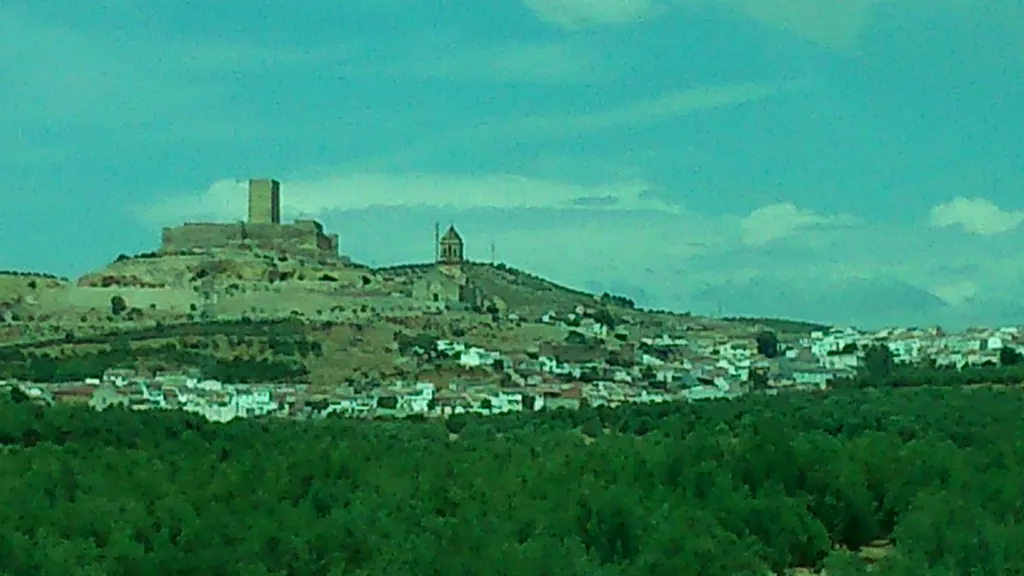
By mid-morning, Marinaleda smells of turned earth and fresh bread. From one of the streets leading off the main square, olive groves stretch out in low terraces, their muted green turning almost silvery in summer under the pale sky of the countryside. A tractor rolls past, lifting a fine cloud of dust that lingers before settling. Life here follows a different rhythm: long conversations on doorsteps, cars passing without urgency, shutters half lowered to keep the heat out.
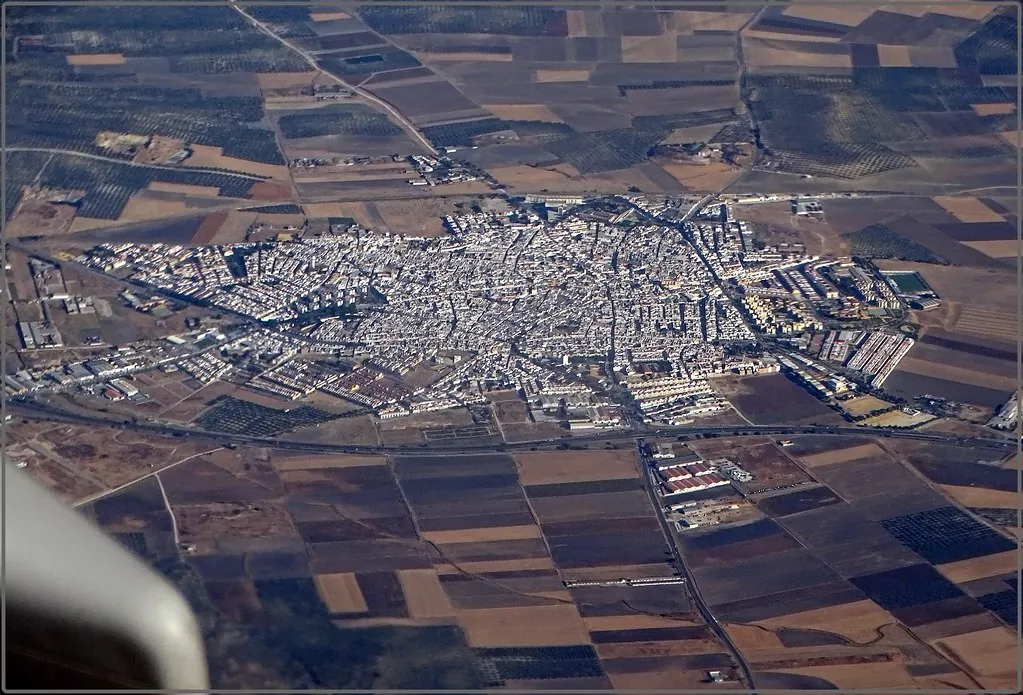
Marinaleda sits in the Sierra Sur region of Seville province and has been known for decades for its particular way of organising daily life. Housing, agricultural work and decision-making are closely tied to the community, shaping how the village functions from one day to the next.
Homes built with neighbours
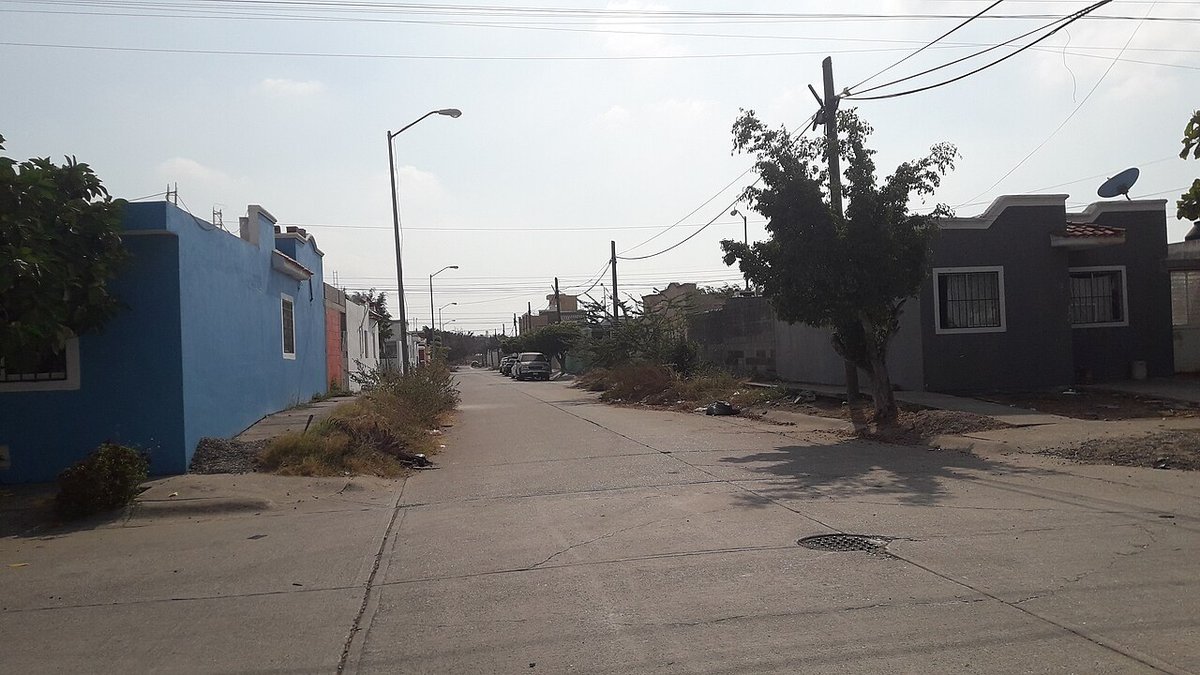
A walk along Avenida de la Libertad reveals rows of low houses, many painted in bright colours, with patios hinted at behind metal gates. A large number of these homes were built from the 1990s onwards using an unusual system: future owners took part in the construction, while the local council provided land and materials.
That helps explain why there are few signs advertising properties for sale or rent in parts of the town centre. The streets have the lived-in feel of places where people know each other well: plant pots on windowsills, bicycles resting against walls, watering cans left in the sun all afternoon.
In the square, someone is often sweeping or fixing something small. More than one resident will say that certain everyday tasks are shared among those who live here. It is not always formal, sometimes it simply comes down to whoever picks up the broom first.
Fields and shared work
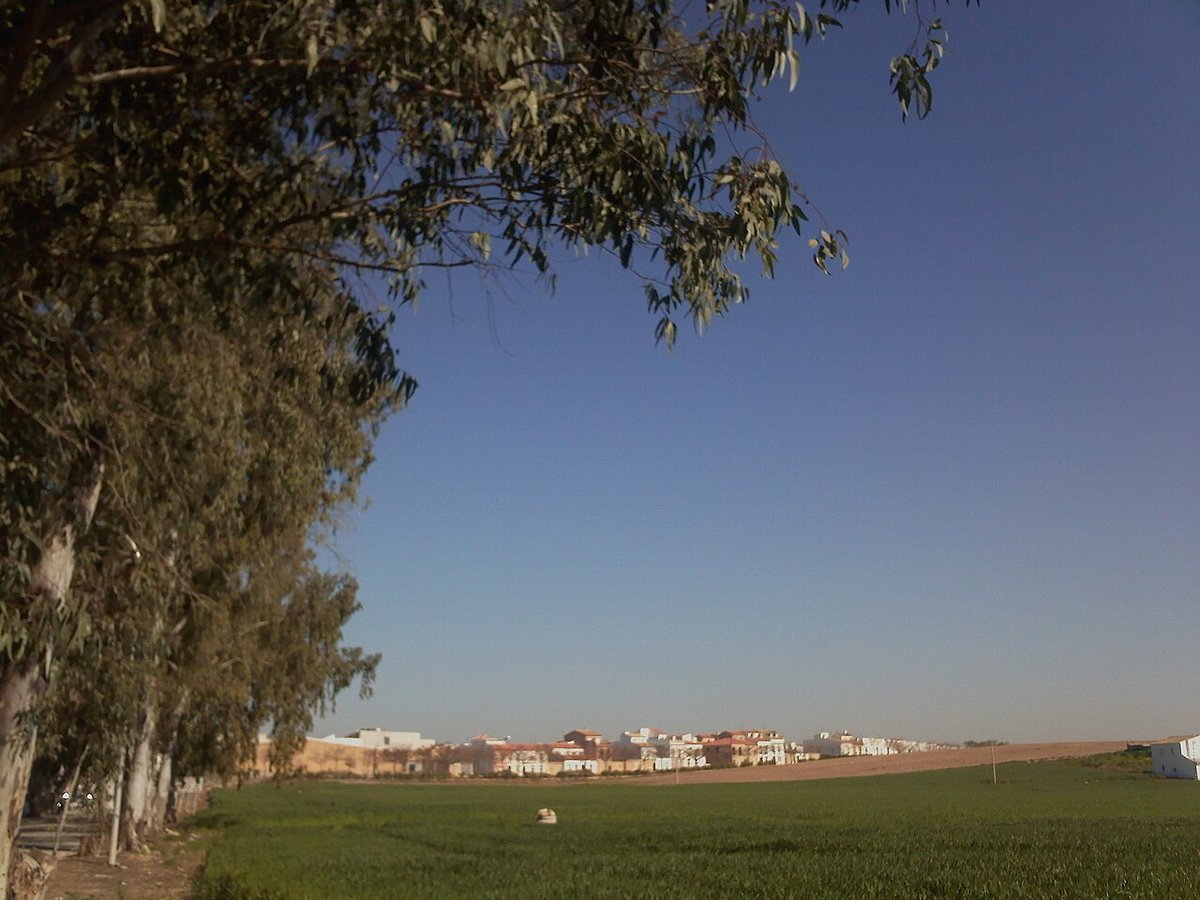
On the outskirts, paths lead into the surrounding farmland. Tomatoes, peppers, artichokes and olives are grown here. Agriculture has long been at the centre of the local economy and identity.
In the industrial area, facilities are concentrated where part of that produce is processed. During the main harvest periods, the atmosphere shifts. Lorries come and go, crates pile up, and the air carries the scent of crushed tomatoes or freshly pressed olive oil.
People who work there often describe a similar pattern: during the busiest season, activity barely pauses, and working hours are organised to avoid, as far as possible, the most intense heat of the Andalusian summer.
Local festivals, local feel
Festivals in Marinaleda still feel rooted in the community. For San Marcos, at the end of April, many families head out to the nearby countryside with food and blankets. It is a day of animals, carts and groups of friends gathered under olive trees, closer to a collective picnic than a conventional fair.
Carnival also holds an important place. The songs, known as coplas, often touch on local politics, farm work or whatever has happened in the village over the past year. Lyrics tend to circulate among neighbours before being sung in the streets, sometimes with improvised costumes.
There are no large-scale productions or oversized stages. The atmosphere is more like an extended neighbourhood gathering than an event designed to draw visitors from afar.
Walking beyond the village
Heading out on foot towards the fields, the colour of the soil shifts along the way: reddish stretches, lighter patches, always with the dry scent of the countryside. In the surrounding area there are prehistoric archaeological remains that some residents know well and point out without much ceremony, circles of stone or slight rises in the ground where thyme grows more strongly.
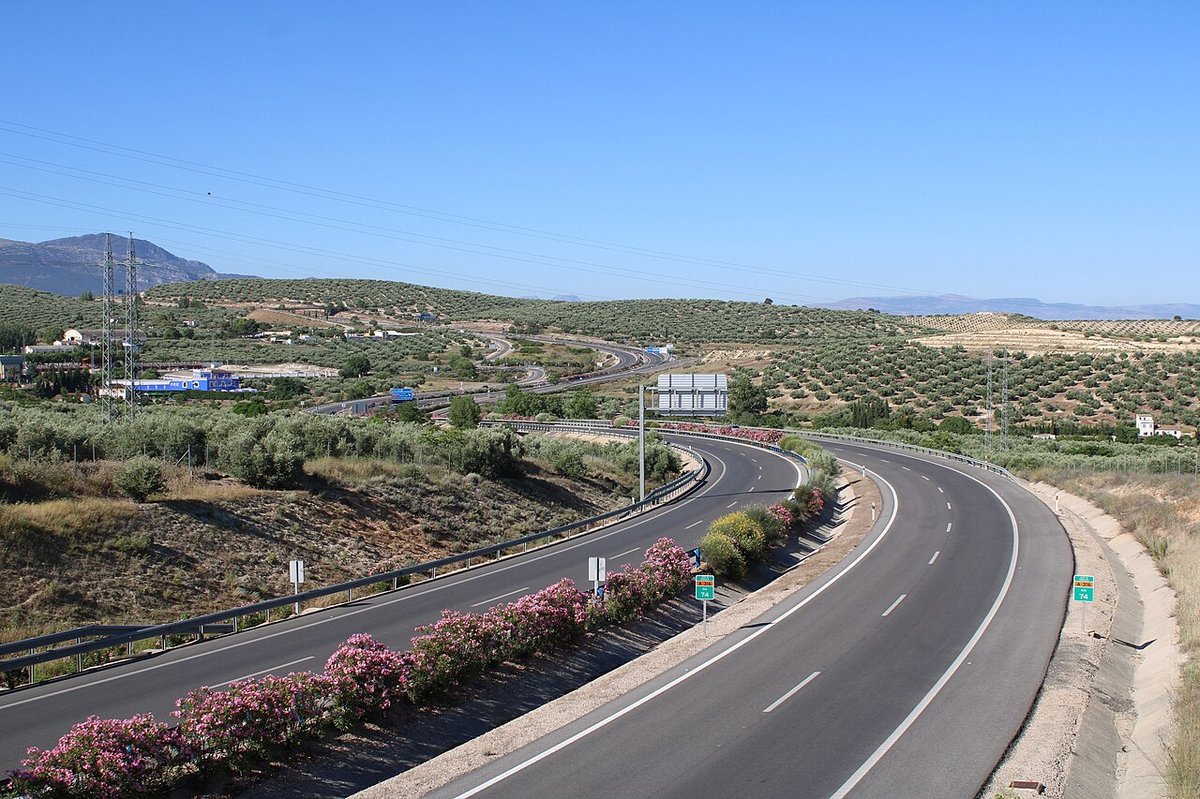
From the higher points within the municipality, the landscape opens up into orderly rows of olive groves. In the distance, the road links Marinaleda to other villages in the Sierra Sur. On clear days, the air carries the smell of olive mills and cut stubble.
This is not a place arranged as an archaeological park, and there is little signage. It is best approached calmly, with water and sturdy footwear, as the ground is scattered with loose stones that make themselves felt underfoot.
When to come
Spring is usually the most rewarding time. The fields turn green, streams carry some water, and wild asparagus appears along the edges of paths. After rain, mud clings easily to boots, so lighter footwear is not the best choice.
In the height of summer, the heat builds from mid-morning. Visiting then is easier early in the day or later in the evening, when people return to the streets and conversations pick up again on doorsteps.
Marinaleda does not operate like a typical tourist destination. It is better understood by walking slowly, listening to the talk in the square and watching how the village carries on with its daily routine, whether visitors are there or not.