Full Article
about Martín de la Jara
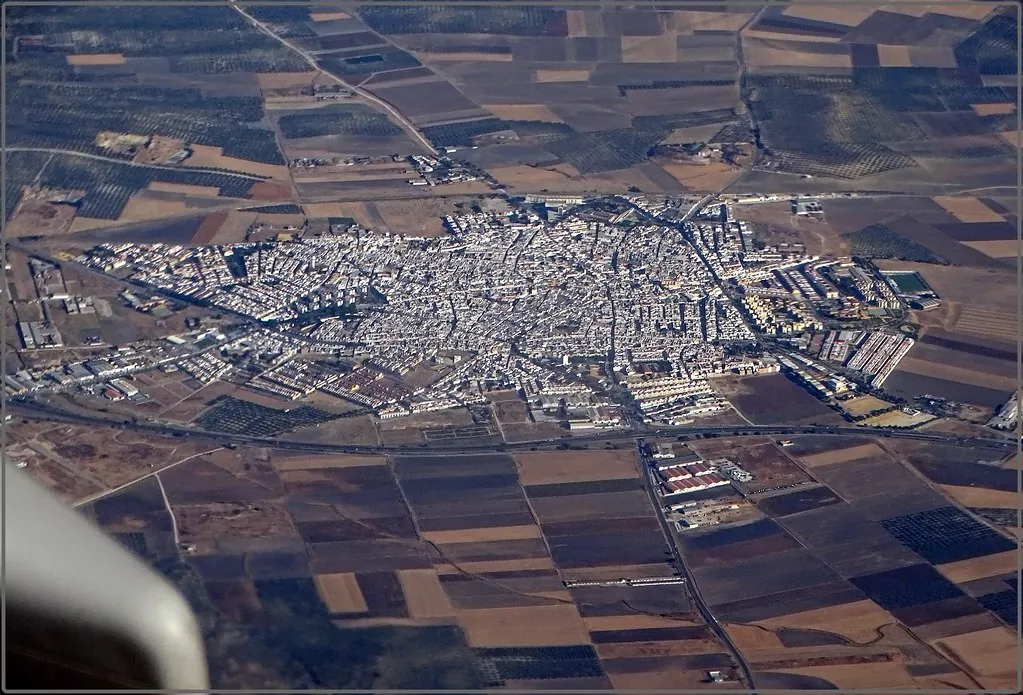
A farming village on the Málaga border, ringed by olive groves and the Gosque lagoon.
Hide article Read full article
A village shaped by light and routine
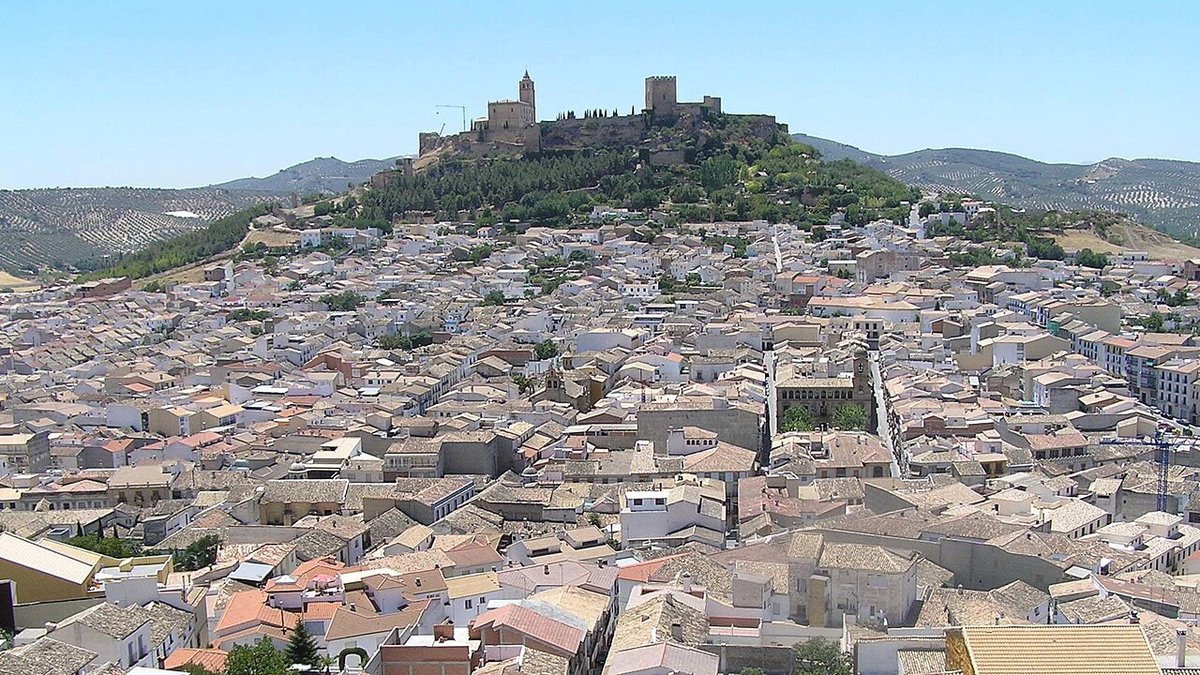
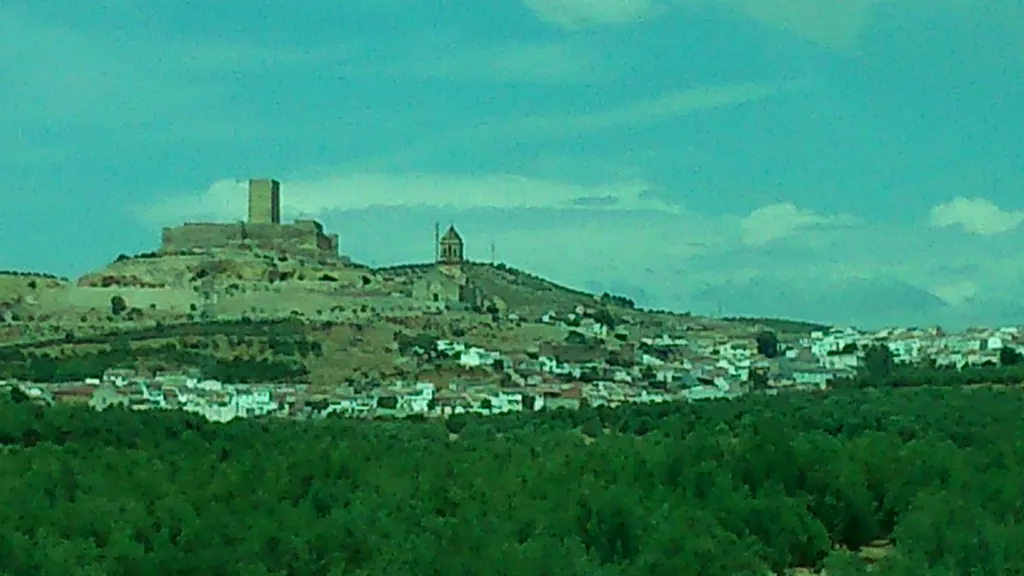
At around six in the evening in spring, the light slips through the olive trees with a soft green tint, stretching across the dirt tracks that lead into Martín de la Jara. From the hill just before the entrance, the village appears compact and white, with its bell tower rising above the rooftops. The air often carries the scent of turned earth and, now and then, fresh bread from a nearby oven.
In the square, small sounds drift in and out: a shutter closing, voices from a balcony, the kind of everyday details that suggest the day is still unfolding. Tourism here does not revolve around ticking off landmarks. It follows a slower rhythm, one set by the surrounding countryside and the cycle of the olive harvest.
Life measured in harvests
In this part of the Sierra Sur of Seville province, there are more olive trees than people. Martín de la Jara has around 2,600 inhabitants, and many are connected to farming in one way or another. Spring makes this especially clear. Tractors begin moving through the village early in the day, and in some streets the sweet scent of acacia drifts through the air.
The whitewashed houses reflect the light strongly. By mid-afternoon, that bright white softens into a cream tone, gradually warmed by the sun as it lowers.
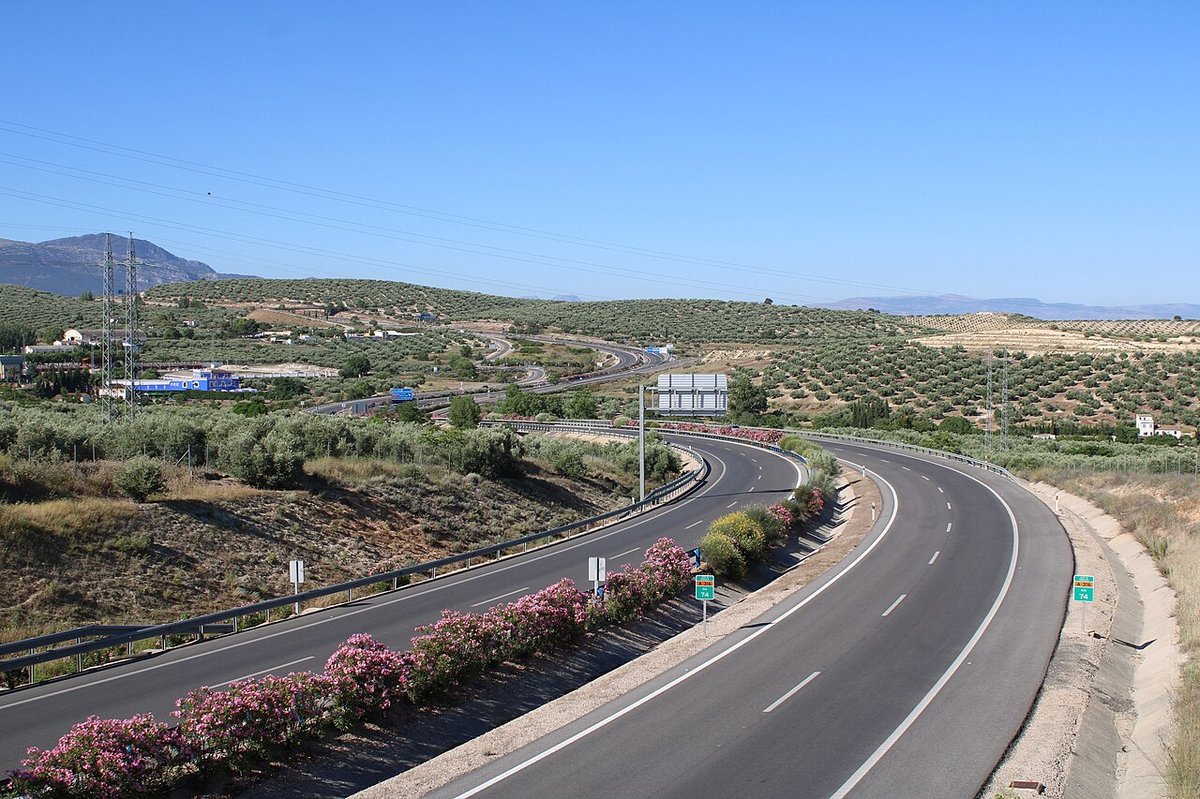
At the centre of the village stands the parish church. Its brick tower is the first feature visible when approaching from the motorway. Inside, several locally venerated religious images continue to draw people on Sundays and during religious festivals throughout the year. These gatherings remain part of the village’s regular rhythm, rather than occasional events.
Summer nights of cante jondo
Towards the end of July, Martín de la Jara usually hosts a festival dedicated to cante jondo, the deep, expressive style of flamenco singing. It has been held for decades and attracts enthusiasts from nearby areas, though it never becomes a large-scale event. The atmosphere feels closer to a summer evening where much of the village gathers in one place.
Plastic chairs are set out, a simple stage is assembled, and once night falls, the guitars begin. Between songs, there is a low murmur of conversation, the clink of glasses, and the scent of jasmine climbing the walls of many patios.
Flamenco groups, known as peñas flamencas, often come from nearby towns in Seville province and from Málaga. Those familiar with the music follow the rhythm quietly with handclaps, keeping time without raising their voices. As the night goes on, the air cools slightly and the evening tends to stretch longer than expected.
Laguna del Gosque and the changing landscape
A few kilometres from the village lies the Laguna del Gosque, one of the large inland saltwater lagoons in Andalucía. Its appearance shifts noticeably with the seasons. In winter, water fills most of the basin, taking on a grey tone when the sky is overcast. In spring, if the water level holds, the lagoon turns a deep blue that contrasts with the pale, salt-edged shoreline.
It is a calm place, visited by water birds that come and go throughout the year. Early morning or late afternoon tends to be the best time to approach, when the light is softer and the wind often drops.
The lagoon is also linked to a local romería, a traditional pilgrimage, dedicated to the Virgen del Carmen. Each summer, residents make their way there with food and spend the day in the limited shade of the trees growing along the edges. It is not a large gathering, but it remains closely tied to the village and its traditions.
Home cooking and familiar flavours
The most recognisable dishes in Martín de la Jara come from long-standing recipes. Almorraque is often prepared for family gatherings or days spent in the countryside. It combines tomato, pepper and meat, cooked slowly until it becomes a thick stew.
Another staple is porra, known locally as jareña. It is thicker than gazpacho and usually served cold, topped with small pieces of ham or egg.
During some festivals and fairs, buñuelos appear. These are fried in very hot oil and eaten straight away, still warm. Thick hot chocolate often follows, served while the dough is still slightly warm.
When to arrive, and what to expect
April and May are generally the most pleasant months to walk around Martín de la Jara. The countryside still holds onto some green, and the afternoons are comfortable enough for wandering without the intensity of summer heat. At that time of day, the square fills with people stepping बाहर for fresh air and conversation.
August brings a different pace. The heat becomes intense, and much of the activity shifts to early morning or after sunset. At midday, the streets are almost empty, and many windows remain closed to keep interiors cool.
It helps to arrive with the right expectations. This is a small village with basic services and a quiet way of life. There are rural accommodation options in the surrounding area and a few bars where conversation often turns to the harvest or whether the rains will be sufficient that year.
Before leaving, on the road back towards the motorway, it is worth pausing for a moment and looking back. The bell tower rises above the wide spread of olive trees, and as the sun begins to drop, the landscape takes on a dry, golden tone that feels very much part of this corner of Seville province.