Full Article
about Martos
Town of the Rock; major olive-oil producer crowned by a cliff-top castle
Hide article Read full article
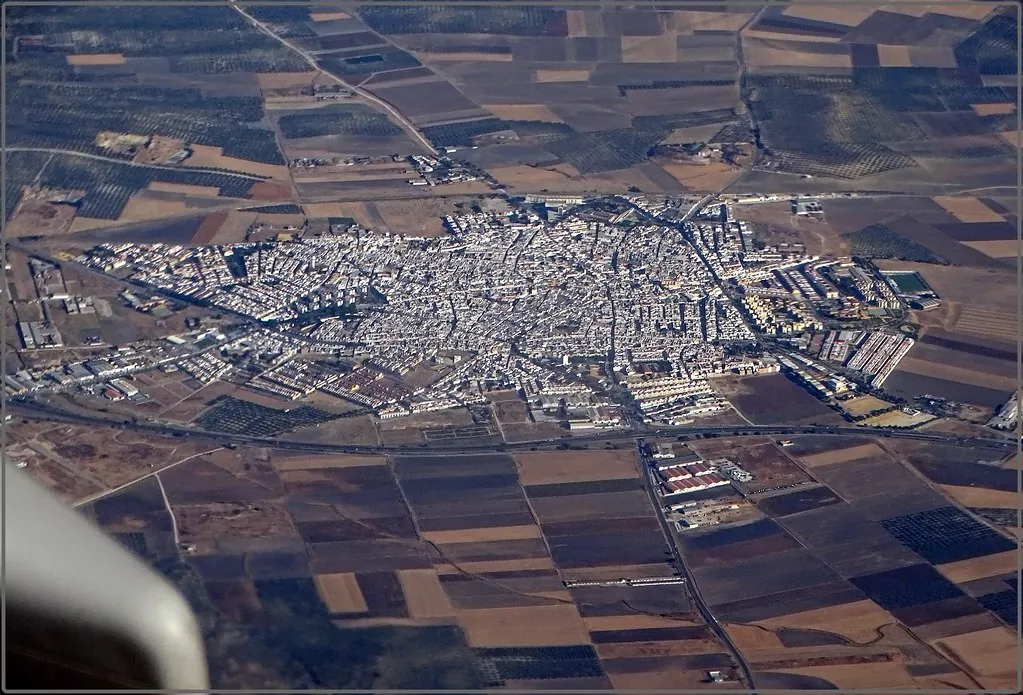
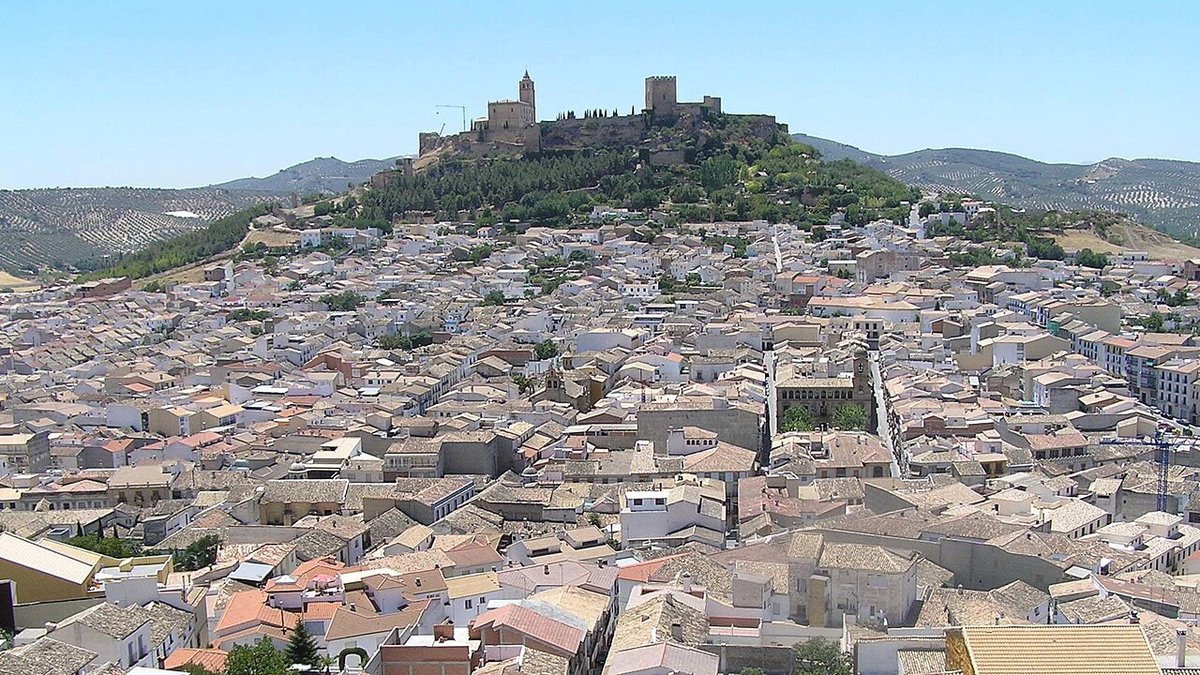
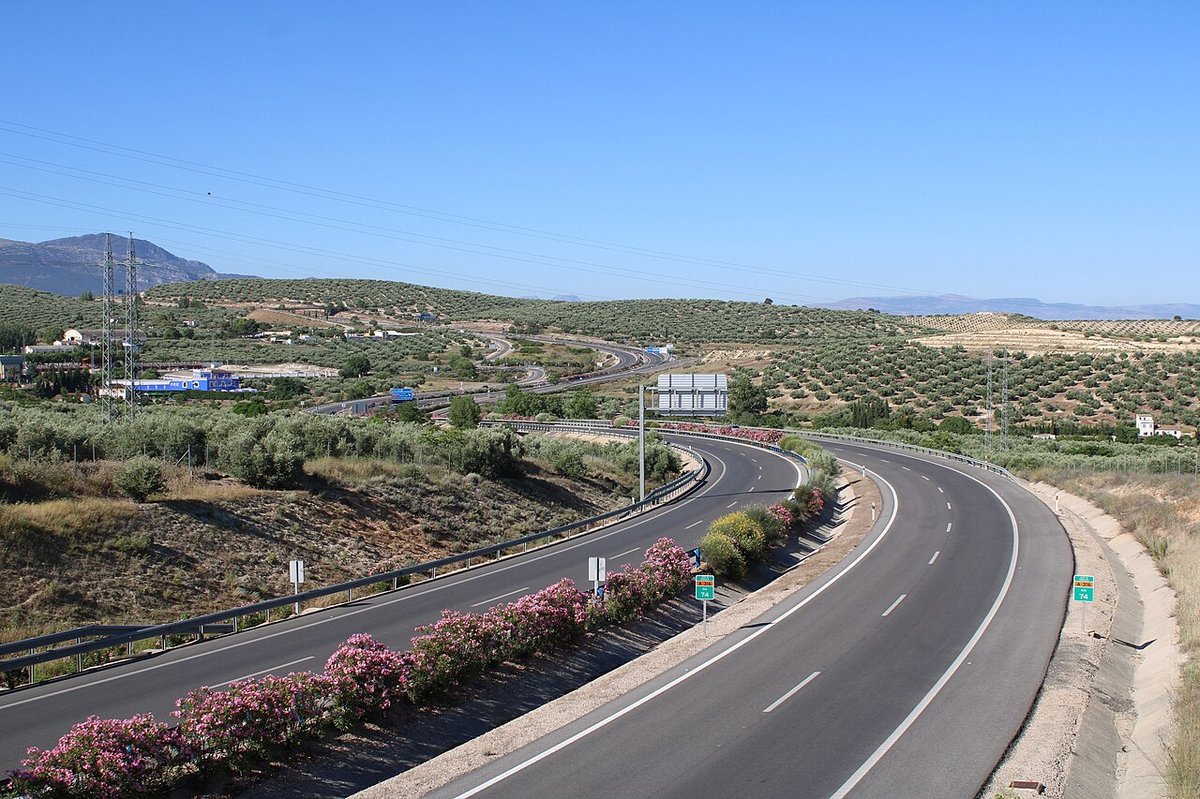
Los olivos aparecen antes que el pueblo. Por la A‑316, kilómetro tras kilómetro, la arboleda ocupa el paisaje hasta que Martos surge de pronto, como una isla de casas blancas en un mar plateado y verde. El pueblo se extiende por la ladera sur de la Sierra Sur, en una posición que durante siglos tuvo peso estratégico: desde aquí se controlaba el paso natural entre el valle del Guadalquivir y la depresión de Granada.
Hoy viven algo más de veinticuatro mil personas en un término municipal donde el olivar ocupa casi todo lo que no es monte. La escala de ese cultivo define el lugar tanto como sus calles.
La Peña y su castillo
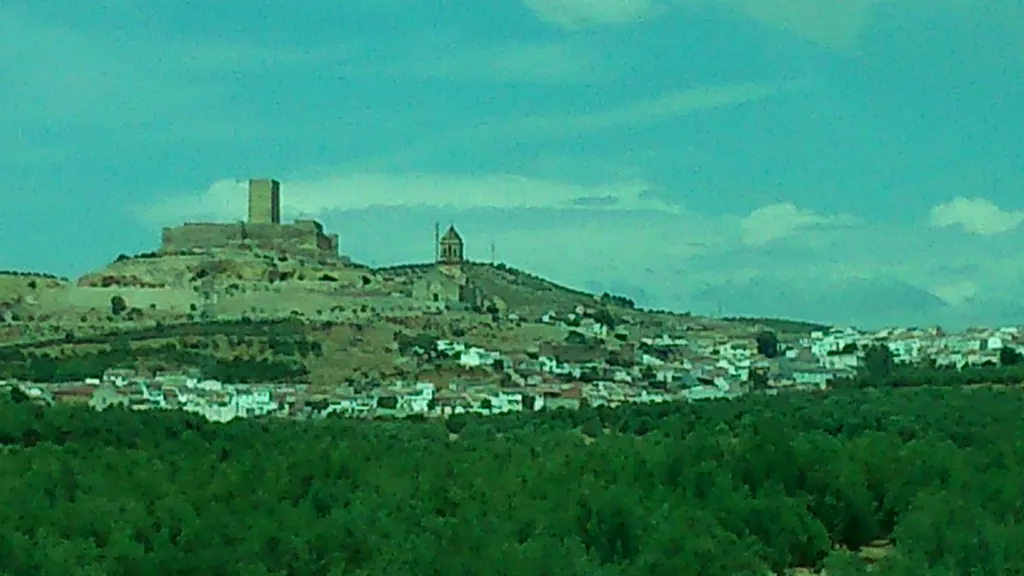
El Castillo de la Peña no se ajusta a la imagen habitual de fortaleza con murallas intactas. Lo esencial es la roca: un enorme afloramiento calizo que se alza de forma abrupta sobre el caserío. A sus pies se asentó la antigua Tucci, un poblado anterior a Roma que luego fue colonia romana.
El sitio mantuvo su importancia en la Edad Media. Tras la conquista cristiana a principios del siglo XIII, el territorio quedó bajo la Orden de Calatrava. Martos funcionó como avanzadilla frente al reino nazarí de Granada, y sus defensas se reforzaron con ese fin.
La subida a la Peña merece la pena, sobre todo, por la vista. Desde arriba se comprende la dimensión del olivar jiennense: parcelas que siguen el terreno ondulado y se pierden en el horizonte. Los días claros permiten ver al sur, a lo lejos, la línea de la Sierra Nevada.
Una iglesia pagada con aceite
La iglesia principal, Santa María la Mayor, se levanta sobre el solar de la mezquita. Las obras del edificio actual comenzaron en el siglo XV y continuaron en los siguientes. La torre, visible desde buena parte del centro histórico, es una adición posterior, de un barroco ya tardío.
La prosperidad agraria explica gran parte de esa actividad constructiva. Durante la Edad Moderna, el comercio del aceite sostenía una parte sustancial de la economía local. Diversas cofradías y familias vinculadas al campo financiaron capillas, retablos y reformas. En el archivo municipal, cuyos documentos arrancan a finales del siglo XV, son frecuentes los pagos y tributos anotados en aceite, no en moneda. En una comarca donde casi todo giraba alrededor del olivo, tenía sentido práctico.
La Plaza de la Constitución reúne varios edificios institucionales históricos. No es una plaza grande, pero funciona como centro cotidiano del casco antiguo, donde se solapan las funciones administrativas y la vida diaria.
Cocina de trabajo
La cocina tradicional de Martos está ligada al trabajo en el olivar. Son platos pensados para jornadas largas en el campo y para aprovechar lo que había.
El ajilimójili, una mezcla de aceite, ajo, vinagre y especias machacadas, se usaba para acompañar pan duro o verduras. Es simple y directo, y depende en buena medida de la calidad del aceite.
Las gachas de mosto aparecen durante la vendimia en algunos cortijos de los alrededores. Se cuece harina con mosto temprano, dando lugar a una mezcla dulce y contundente que sigue el calendario agrícola.
La pipirrana, que en otros sitios se asocia más al verano, se prepara aquí todo el año en muchas casas. Las tortas de chicharrones responden a una lógica rural conocida: usar la grasa sobrante de la matanza, mezclarla con harina para obtener una masa que aguanta varios días. En cada caso, se nota el vínculo entre el trabajo en el campo y la cocina.
Fiestas y calendario local
La feria principal es en julio, por Santa Marta, patrona del pueblo. Durante varios días, el recinto ferial acoge casetas y actividades de asociaciones locales, mientras el barrio antiguo mantiene los actos religiosos vinculados a la patrona. La separación entre espacio festivo y devocional responde a un esquema común en muchos pueblos andaluces.
En primavera, la romería de la Virgen de la Victoria suele dirigirse hacia la sierra. Es uno de los momentos en que el entorno natural del término se llena de gente que camina por senderos y olivares, reunida para pasar un día en el campo.
Cómo moverse
Martos está a unos 25 kilómetros de Jaén capital y a menos de una hora en coche de Granada si se usan las vías principales de la zona. El centro histórico se puede recorrer a pie sin mucha dificultad, aunque las cuestas se acentúan según se gana altura hacia la Peña.
Un paseo tranquilo da tiempo a ver la iglesia de Santa María, los alrededores del ayuntamiento y el camino hacia las inmediaciones del castillo. Para quien disponga de más tiempo, la antigua vía del tren reconvertida en Vía Verde del Aceite pasa relativamente cerca. Este itinerario sigue las vías en desuso a través de olivares y túneles ferroviarios, y ofrece otra perspectiva del paisaje que define la comarca.
La primavera y el otoño suelen ser las estaciones más cómodas para caminar por el pueblo o acercarse a la sierra. En verano, el calor diurno puede ser intenso, como es habitual en esta parte de Jaén, aunque las tardes se vuelven más llevaderas cuando baja la temperatura. A principios de diciembre, coincidiendo con el arranque de la campaña de recolección, el aceite nuevo empieza a aparecer en cooperativas y casas particulares. Es un momento revelador para entender hasta qué punto el olivo conforma Martos, desde su economía y sus archivos hasta su cocina y las vistas desde lo alto de la Peña.