Full Article
about Osuna
Ducal town with a striking Renaissance university and collegiate church that served as a Game of Thrones set.
Ocultar artículo Leer artículo completo
The morning sun hits the honey-coloured stone of Calle San Pedro and every balcony seems to glow. A woman lowers a wicker basket on rope; the baker below fills it with warm bread, she tugs it back upstairs. No-one looks up. This is simply how Osuna starts the day, long before the Seville coach disgorges its first load of selfie-hunters.
A Hill Built on Olive Oil and Ego
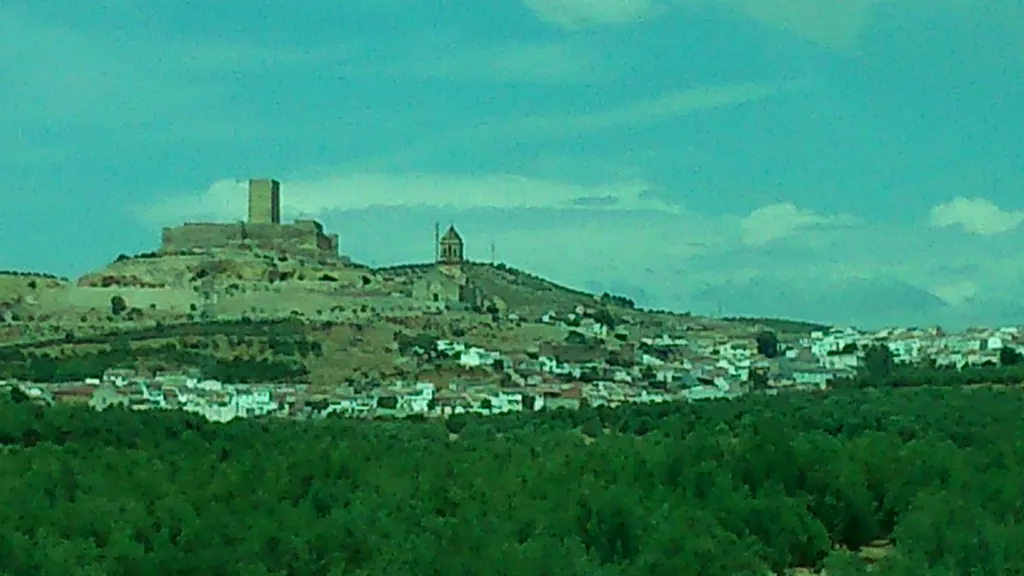
Osuna sits 328 metres above the surrounding sea of olives, high enough for the air to feel a shade cooler than Seville’s furnace forty minutes away. The Romans quarried the ridge, the Moors fortified it, but the town’s swagger arrived in the 16th century when the dukes of Osuna turned local olive revenue into palaces, churches and a university second only to Salamanca in age. Their timing was impeccable: the Spanish crown was flush with American silver, and Renaissance ideas travelled north along the same mule tracks that carried oil to Seville’s river port.
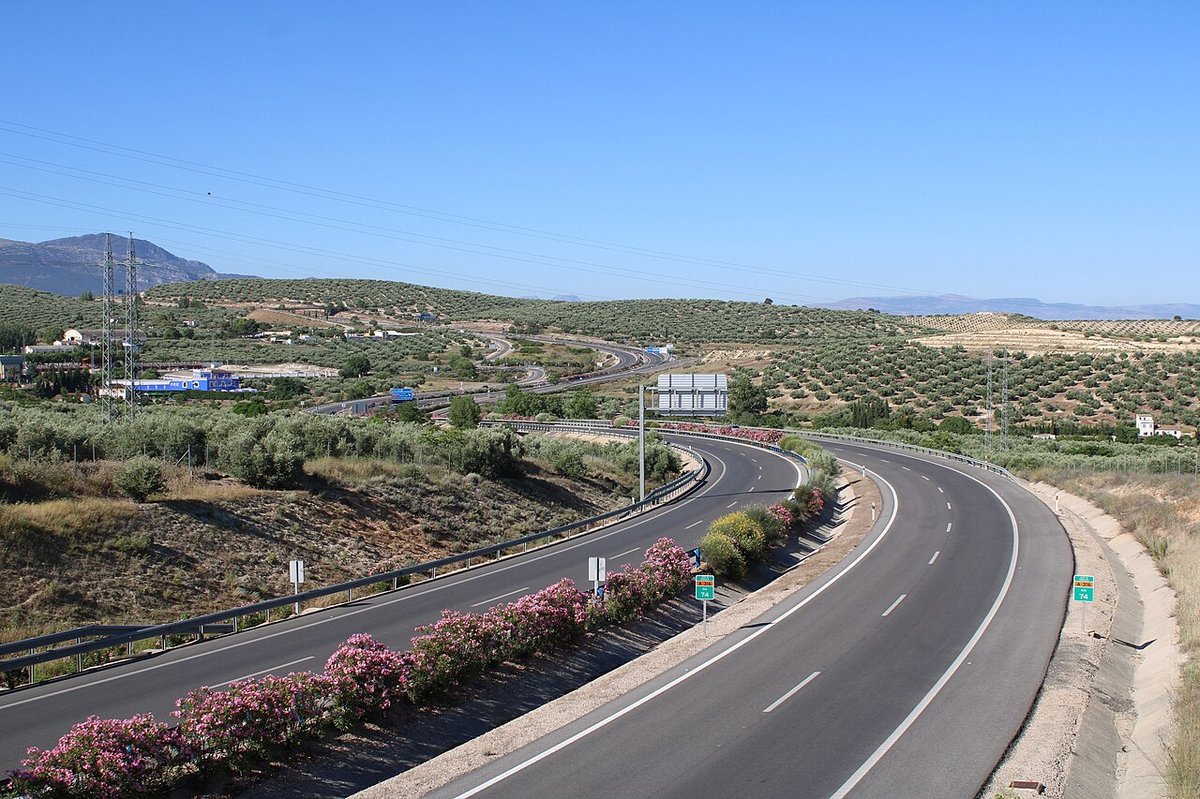
Those tracks are now the A-92, a painless hour’s drive from Seville airport. A twice-daily train still wheezes up the slope, but the ALSA coach is faster (75 min) and drops you at the foot of the old town. Pre-book seats on Fridays: half of Seville heads south for family weekends.
Stone That Stays With You
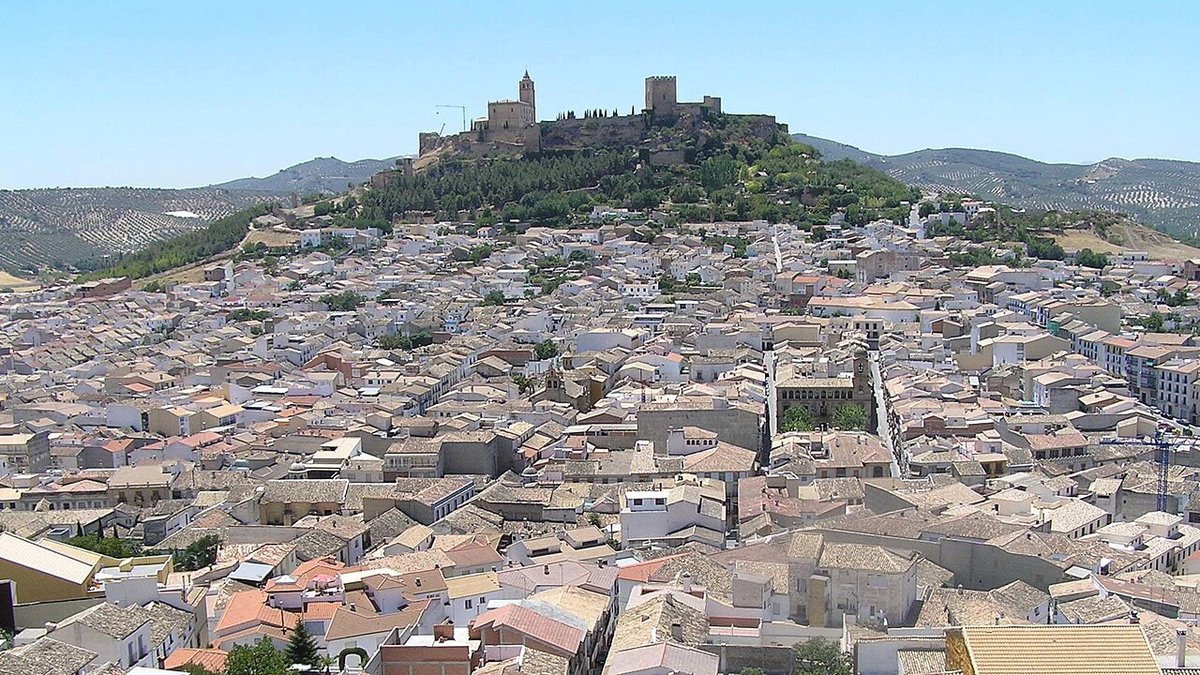
Start at the top. The Colegiata towers over everything, its Plateresque façade wriggling with carved vines and cherubs. Inside, a small museum holds a Ribera that once hung in the ducal palace and a Zurbarán Christ so spare it looks lit from within. Entry is €5, but check at the desk that the crypt is open—funerals still take precedence over tourism and staff won’t refund if the hearse arrives mid-visit.
Next door, the university courtyard is quieter than any Spanish campus has a right to be. Lecture halls closed in the 19th century; today the building hosts civil-service exams and the occasional bride posing for photos against the marble arcades. Look for the graffiti carved by 17th-century students—names and dates, proof that student boredom is timeless.
Below the ridge, Calle San Pedro delivers the money shot: ochre mansions with carved portals, iron balconies, the odd stork nest. British photographers complain about parked hatchbacks; the trick is to be here before 10 a.m. when commuters have left and cleaners haven’t yet hosed the pavement. The street ends at Plaza Mayor, an asymmetrical square where old men in flat caps argue over dominoes and the town hall’s clock strikes quarters it doesn’t possess.
Behind Closed Doors
Osuna’s palaces are still family homes, their shutters half-closed against the sun and against prying eyes. The Palacio de los Marqueses de la Gomera opens for pre-booked tours (€8, Spanish only) and the courtyard smells of waxed tile and orange peel. Upstairs, the ballroom ceiling is painted with Pompeian scenes commissioned by a duke who never went to Italy. Guidebooks promise “Baroque splendour”; what you actually get is the faint embarrassment of walking past someone’s great-aunt in a housecoat.
For a more intimate glimpse, ring the bell at the Convento de la Encarnación. A nun appears behind a revolving wooden grille, voice soft as flannel. She hands over marzipan balls dusted with icing sugar while reciting the price—€8 a box, coins only. Tours run at 11 a.m. and 4 p.m. if enough people gather; otherwise you’ll simply hear the echo of cloistered footsteps and the clink of your own change.
Blood, Sand and Dragons
The bullring is older than Ronda’s, built in 1904 and looking like a sand-coloured Colosseum. Game of Thrones fans recognise it as the fighting pit of Meereen; the production team flew in 500 extras and left behind a bronze plaque that tour guides tap with theatrical pride. Fights are rare now—animal-rights politics reaches even rural Andalucía—but the ring hosts concerts and the odd vintage-car rally. Climb the outer stair at dusk; the view stretches across olive groves to the sierra, the air thick with thyme and tractor diesel.
What to Eat Between Churches
Lunch is a three-tapas affair. At Casa Curro on Plaza Mayor, carrillada (beef cheek) arrives in a ceramic dish, the meat collapsed into smoky paprika gravy—mild enough for the British palate and served with chips to mop up. Peña Bética, two streets back, grills prawns still twitching, the garlic oil fierier than anything Seville serves to tourists. Finish with coffee at the convent’s sidewalk stall: the nuns slide polvorones through a hatch, shortbread that crumbles like cliff chalk and survives intact in hand luggage.
Vegetarians survive on salmorejo, thicker than gazpacho and the colour of a setting sun. Ask for it “sin jamón” or the staff will scatter ham as garnish by reflex.
When the Crowds Thin
Osuna’s rhythm is ecclesiastical. Holy Week processions squeeze through narrow lanes at glacial pace; if you’re claustrophobic, avoid Thursday night when the Virgin of Sorrows climbs the hill in near silence broken only by drumbeats. May brings the feria: temporary tents, sherry at €2 a glass, horses dancing sideways. Hotels triple prices and the university courtyard becomes a disco until 5 a.m.—fun if you like sevillanas, hell if you booked the room above.
Better months are late September and October. The olive harvest starts, mornings smell of crushed leaf, and the light turns buttery. Temperatures hover around 24 °C, cool enough to walk the Ruta de los Miradores, a 6-kilometre loop that threads between farm tracks and stone shelters once used by shepherds. Take water; the Sierra Sur looks gentle but shade is scarce and mobile signal dies after the first ridge.
The Catch
Osuna is not pristine. Empty houses sag on the periphery, their façades propped with timber. The youth leave for Seville or Madrid; the average age creeps upward. Bars close on random weekdays, museums shut for staff meetings, and the tourist office keeps Spanish hours—open exactly when you thought it would be. Accept the pauses as part of the deal; frustration dissolves with the first sip of iced fino.
Heading Downhill
Leave time for the Roman quarries, a five-minute drive or steep walk south of town. Galleries slice into the rock like subterranean streets; bones of 1st-century inhabitants still rest in niches. Guided visits run weekends only (€4) and the site locks promptly—miss the exit and you’ll wait an hour in semi-darkness listening to dripping water and your own echo.
Back on the coach, the Collegiate shrinks against the ridge, its tower a stone finger pointing at nothing in particular. Osuna doesn’t shout; it simply waits, confident the olives will fruit again and another duke—or film crew—will eventually pick up the bill. That quiet assurance is what lingers: a small town that once bankrolled empires and now contents itself with bread pulled skyward on a rope, still warm from the baker’s oven below.