Full Article
about Pedrera
Known for its stone quarries and the Sierra de la Cruz, with a tradition of olive oil production.
Hide article Read full article
Pedrera, sin postureo
Pedrera es como ese amigo que nunca te vende una película. No te dice que es el mejor sitio del mundo. Te dice cómo es de verdad. Y al final, acabas yendo.
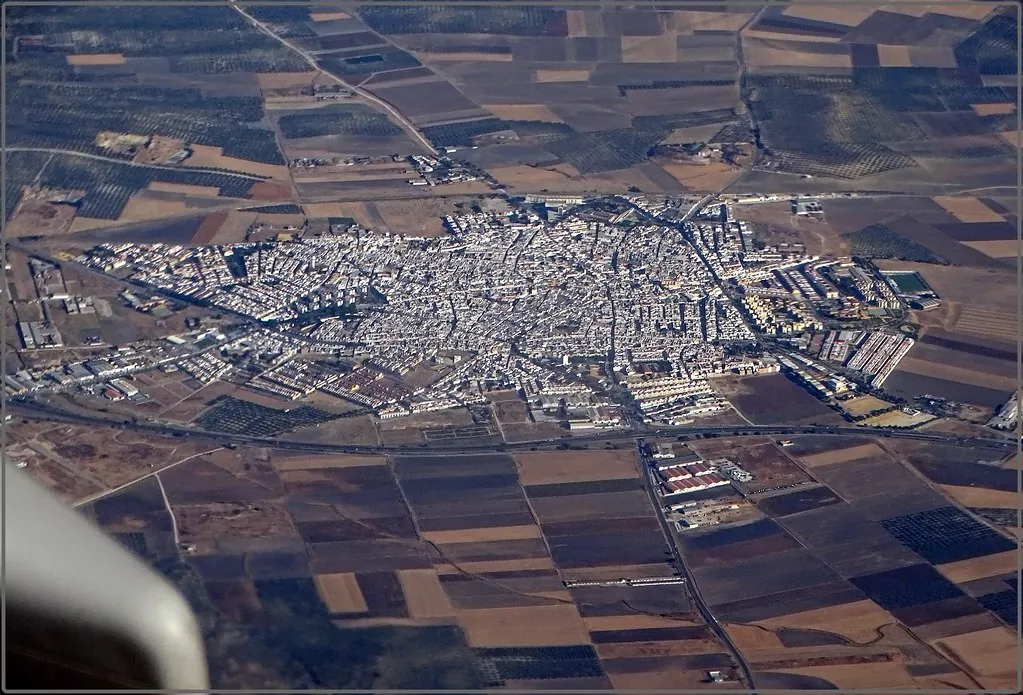
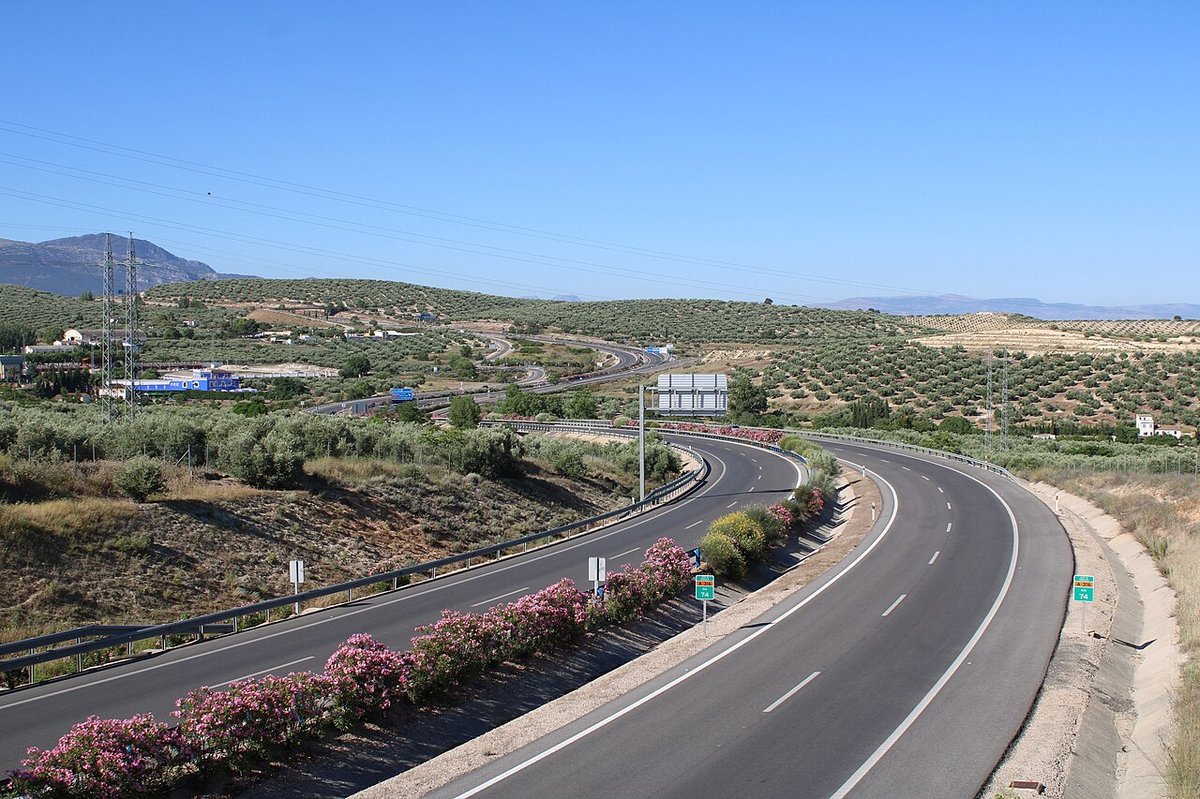
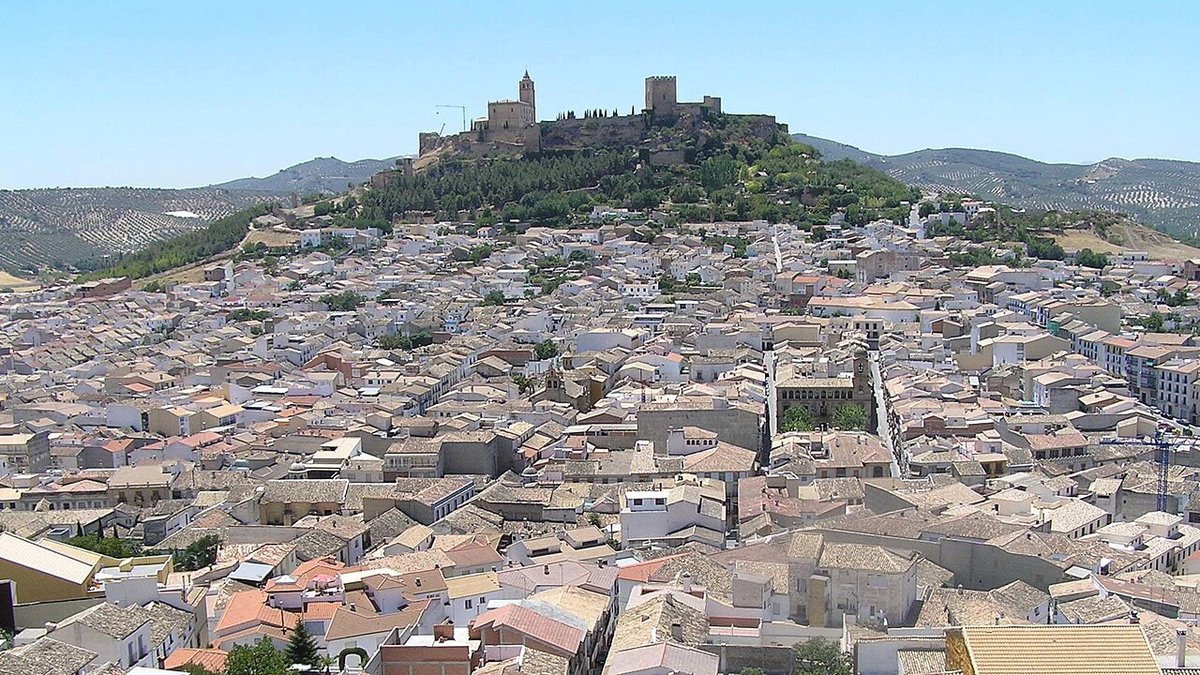
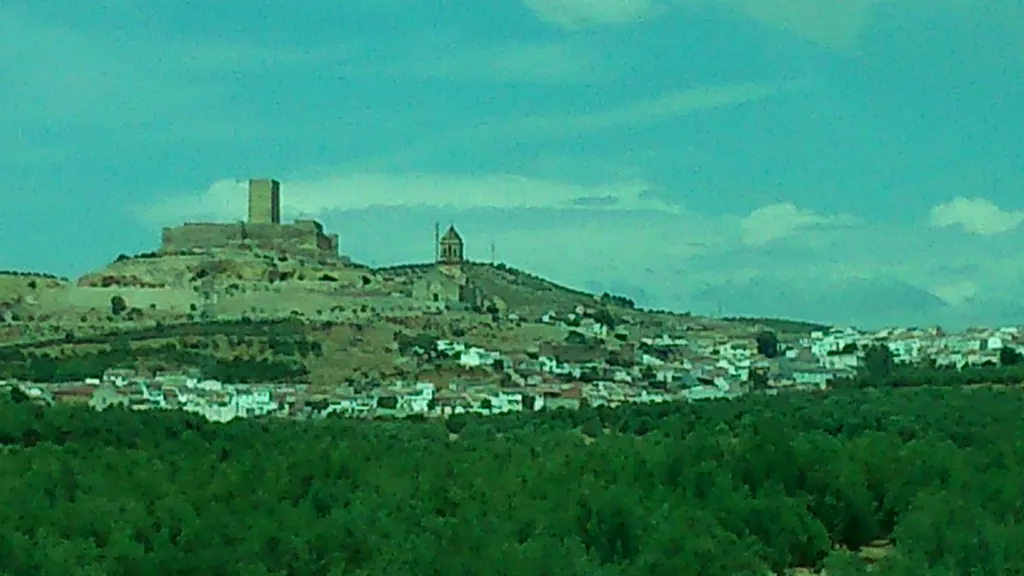
Está en la Sierra Sur de Sevilla. Es un pueblo blanco pegado a una loma, rodeado por un mar de olivos que llega hasta donde se pierde la vista. La carretera para subir tiene curvas, pero nada del otro mundo. Se nota que esto es tierra de ir y venir a lo práctico.
Un carnaval sin guion
El Carnaval aquí tiene el ambiente de una fiesta en el patio de un vecino. Se nota que no hay un presupuesto enorme detrás. Los disfraces son a veces lo que había por casa. Pero esa falta de pretensión es justo lo que le da gracia.
Es en febrero, y el aire huele a mosto. Ese vino joven que sabe a uva recién pisada. Parece suave, pero tiene truco. Si pruebas un par de vasos, las cuestas del pueblo luego se notan más.
Verlo te da una primera pista de Pedrera. Aquí las cosas pasan porque sí, no para impresionar a nadie.
Las calles tienen pendiente
Olvídate del plano. El pueblo se recorre con las piernas y un poco de paciencia para las cuestas. Las calles suben hacia la iglesia de San Sebastián, que hace de faro entre los tejados.
Desde arriba, la vista se abre sobre las casas blancas y los olivares. No es un paisaje espectacular, pero tiene su verdad. Es el tipo de vista que gana cuando te paras un minuto en silencio.
La iglesia es vieja y dentro se respira ese aire de siglos. No es un museo. Se nota que aquí la gente sigue celebrando bautizos y bodas. La vida pasa por dentro.
Bajando, las calles se enredan otra vez. Algunas son tan estrechas que casi puedes tocar las dos paredes a la vez.
Una Semana Santa distinta
En Semana Santa todo cambia el ritmo. No verás procesiones gigantes como en Sevilla o Málaga. Aquí son más pequeñas, casi familiares.
Lo impactante es ver pasar los pasos por callejones donde apenas caben. La gente se aplasta contra las paredes para dejar espacio. Se huele el incienso mezclado con el olor a limpio de las casas.
Entre paso y paso, el pueblo parece haberse detenido. No hay prisa por hacer nada más. Es uno de esos momentos en los que todo gira alrededor de una sola cosa.
El Cristo con leyenda propia
En la ermita del Santo Cristo de la Sangre está "el Señor de Pedrera". Así le llama mucha gente aquí.
Hay una historia local que dice que la imagen llegó hace siglos desde América. Algunos incluso susurran que dentro traía ídolos indígenas escondidos. Nunca se ha confirmado, claro. Por eso la leyenda sigue viva.
La ermita es pequeña y recogida. Dentro hay silencio y exvotos colgados en las paredes ofrendas sencillas dejadas por promesas cumplidas. Es la fe del día a día, sin grandes aspavientos.
Salir al campo entre olivos
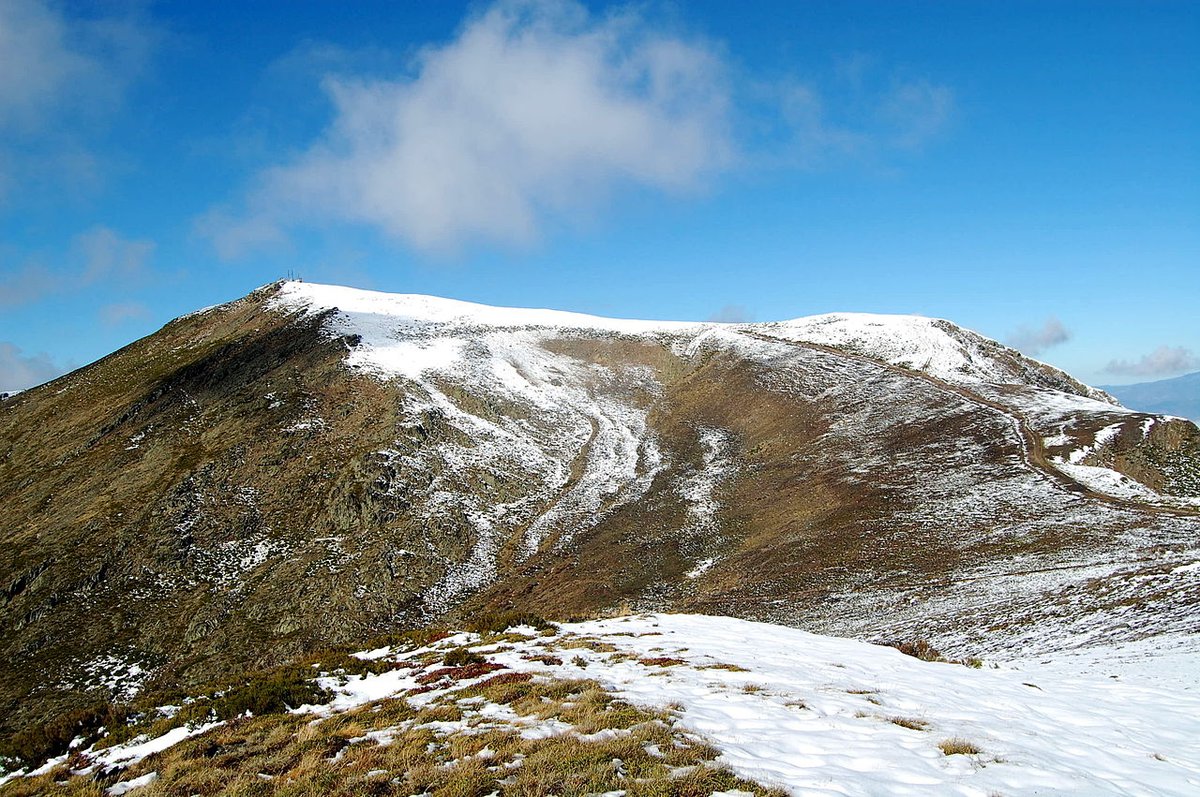
Si quieres estirar las piernas, el campo está ahí mismo. La Sierra de la Cruz es donde va la gente local a caminar o ir en bici. No busques senderos perfectamente señalizados. Son caminos de tierra, veredas entre olivos o pistas agrícolas. El paisaje es así: útil. Encontrarás alguna fuente junto al camino o un cortijo medio abandonado. La recompensa suele ser una panorámica amplia sobre ese mar verde infinito. Si preguntas por dónde ir, cada persona te dará una indicación distinta. Eso también forma parte del lugar.
Comida contundente y mosto con cuidado
La comida va acorde al territorio platos de cuchara, fritos y guisos caseros. Es cocina para trabajar en el campo. El mosto es la bebida local cuando hay temporada. Se sirve en vasitos bajos y sabe a uva recién exprimida. Parece inofensivo pero tiene doble fondo. Ya te he dado el aviso antes con las cuestas.
Cómo moverte por aquí
Necesitas coche para llegar desde Sevilla o desde Antequera. Una vez allí, todo se hace andando. Con una mañana tranquila has visto lo esencial el centro, la subida a la iglesia, un paseo por las calles altas y bajas. No es un sitio para llenar un fin entero. Pedrera no compite por ser el pueblo más bonito ni el más famoso. Simplemente existe, con sus rutinas, sus tradiciones y sus olivares. A veces eso ya es suficiente