Full Article
about Valdepeñas de Jaén
Mountain town ringed by sierras; known for the Las Chorreras gorge.
Hide article Read full article
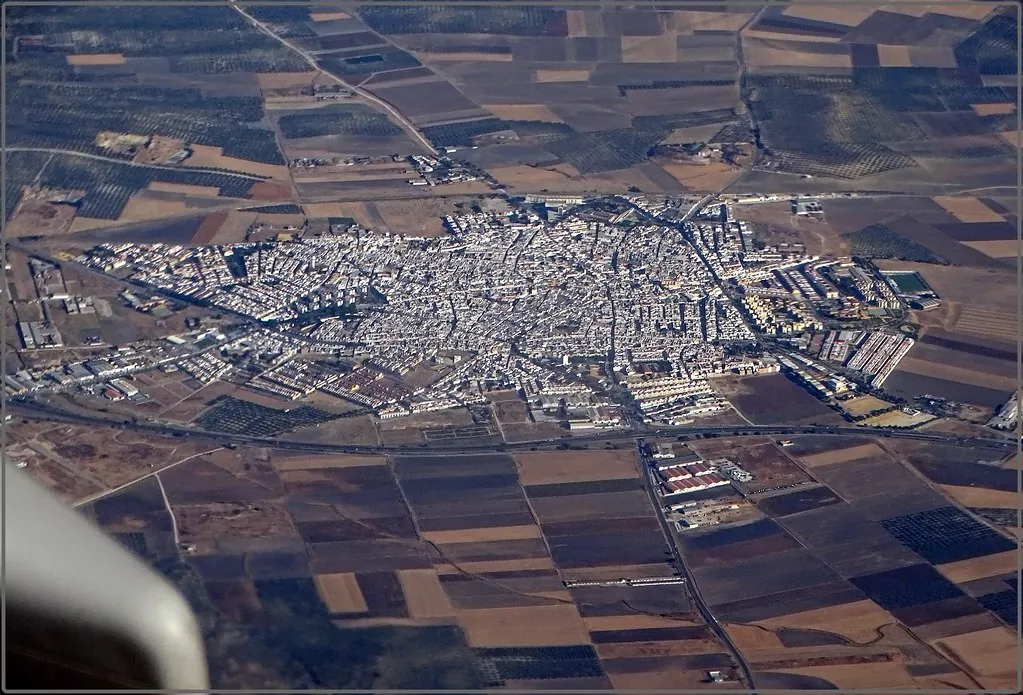
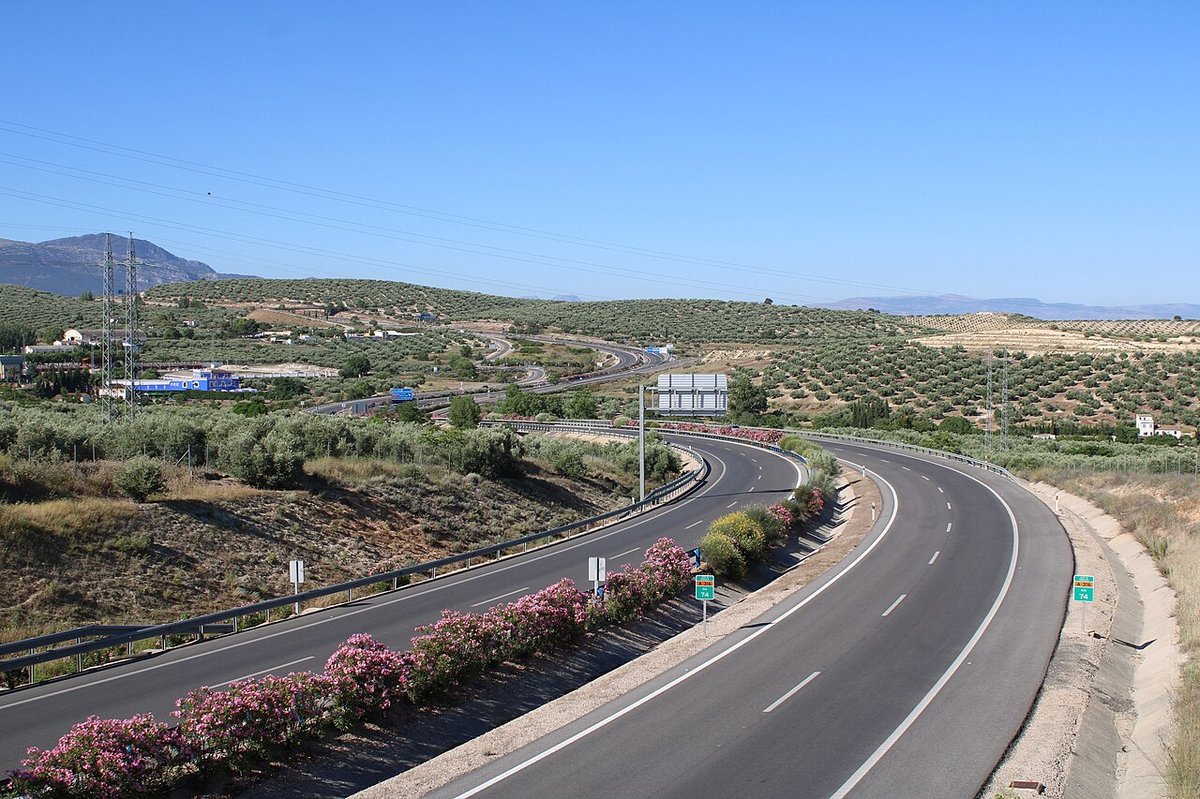
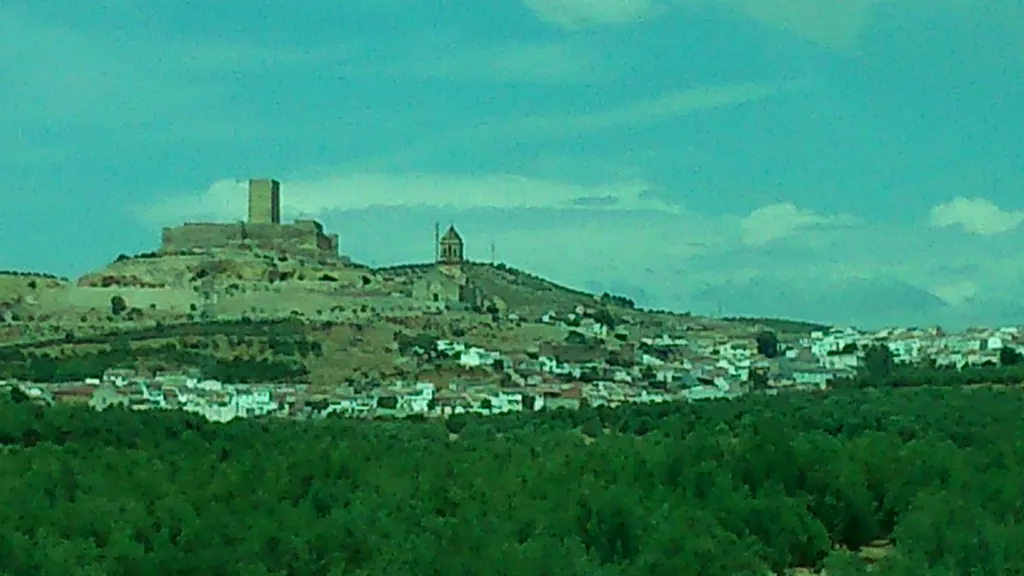
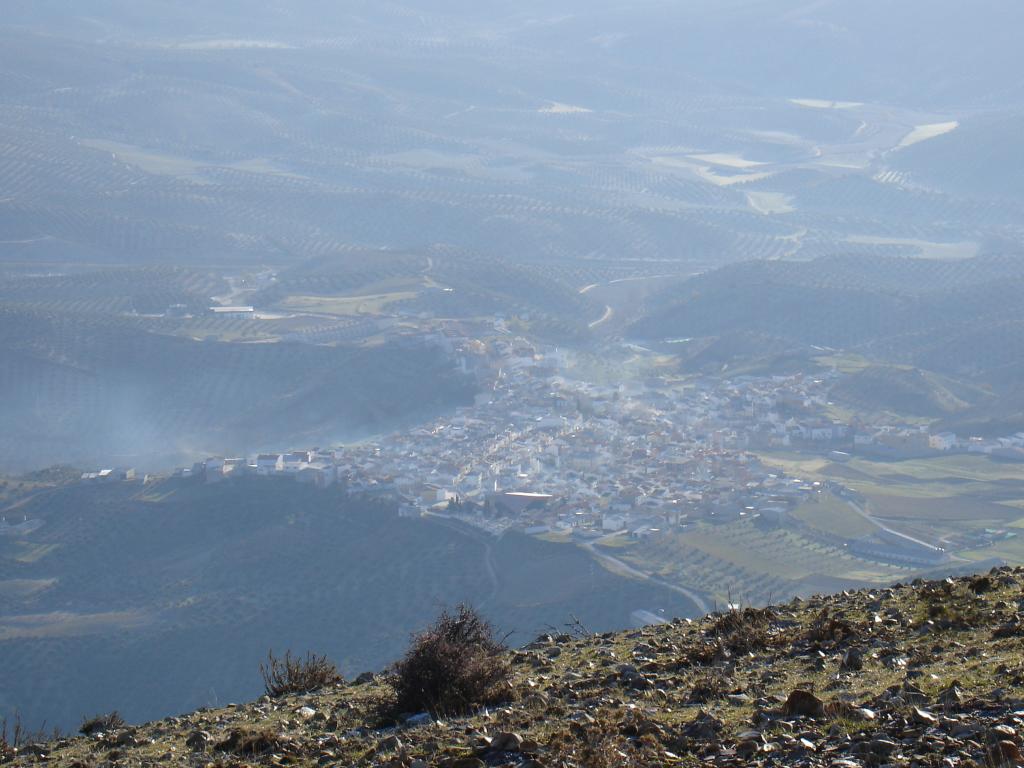
You’re driving through the Sierra Sur, following a road that seems to fold into itself, and then it just stops. Or rather, it turns into Valdepeñas de Jaén. There’s no grand reveal. One minute it’s hills and olive trees, the next you’re in a plaza wondering where everyone is. About 3,500 people live here. On a Tuesday afternoon, you’d swear it was closer to three hundred.
It has that specific quiet of a place that works with its hands. In winter, you smell chimneys before you see them. When the almazara is running, the air gets this grassy, peppery note. You quickly realize the clock here is set by the sun and the harvest, not by the hour.
A Town That Started With a Royal Decree
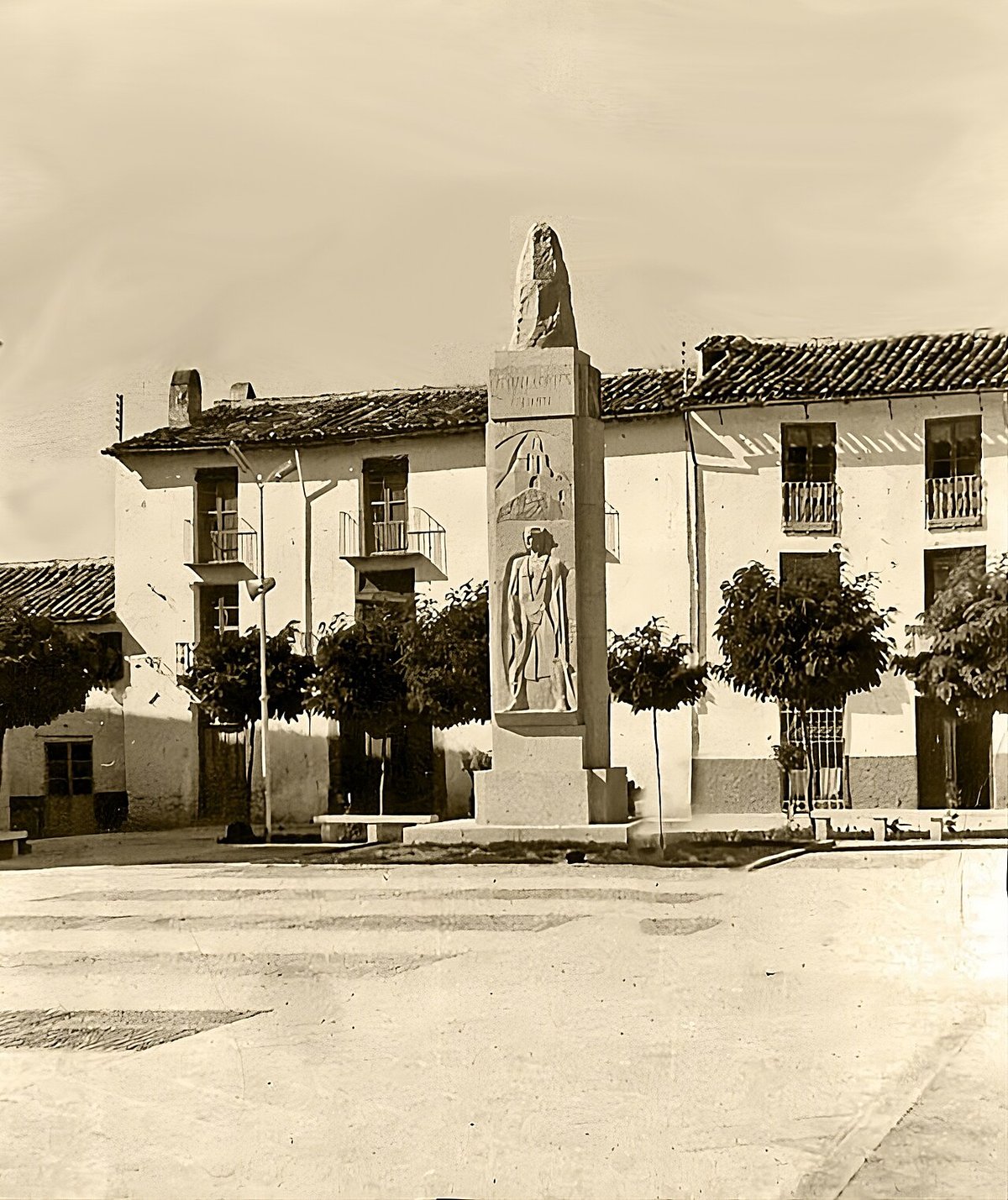
Most pueblos around here just sort of happened. Valdepeñas de Jaén, on the other hand, was an idea first. They built it by order of Carlos V in the 1500s to secure the road between Castile and Granada. You can feel that planned-but-not-too-planned layout. The streets climb and drop wherever the rock let them put a house. It feels organic, not designed for postcards.
And everywhere you look, there are olives. They surround the town completely, like a green-grey sea that laps at the last streetlights. The economy here has always been about oil. Come during the cosecha and you’ll see it in action: tractors buzzing up tracks, piles of nets by the roadside, old guys in bars debating the yield over a cortado.
The Climb Everyone Talks About
If you follow cycling, you’ve heard of El Muro de Valdepeñas. It’s a three-kilometre stretch of road that kicks up to gradients around 12%. I saw it on a profile once and thought “that doesn’t look so bad.” Then I drove it.
La Vuelta has come through here for a reason. Standing at the bottom looking up gives you a new respect for anyone who races up it on two wheels. Walking it is more my speed. It’s a proper leg-burner, but halfway up I passed an abuela carrying groceries without breaking a sweat. Puts you in your place.
The reward is at the top. The view opens up all at once over a valley that’s just olives, as far as you can see. On a windy day, they move like water.
A Sanctuary in the Scrubland
A short drive from town is the Santuario del Cristo de Chircales. It sits out in the scrubby hills, surrounded by walking paths and dry ravines. Next to it are these tiny hermitages carved right into the rock face. They’re easy to miss—simple hollows in stone that feel ancient and quietly stubborn.
This is where they hold the romería in May. It’s one of those local events that hasn’t been packaged for outsiders yet. Families drive or walk up from town with food, spend the day together near the sanctuary, and just hang out. It feels like what it is: a community tradition.
Nights That Actually Get Dark
This might sound obvious, but after living in a city you forget what real darkness is like. Here, if you walk five minutes out of town, it finds you fast.
The sky gets seriously clear on moonless nights. I saw the Milky Way from beside my car without any special effort—just pulled over on a track and looked up. The silence is what gets you though; no distant traffic hum, just maybe some crickets or a dog barking way off in the valley.
Eating What Works
The food here is straightforward fuel from another time. Think migas on cold mornings, or stews made with lamb or kid goat that simmer for hours. Olive oil isn't an ingredient; it's the base note of everything. It's all hearty stuff made for people who spent daylight hours outdoors. In summer during San Juan things liven up. They drag long tables into the streets and everyone shares what they've brought. It feels less like a festival and more like your whole neighbourhood decided to have dinner outside at once.
So Is It Worth Your Time?
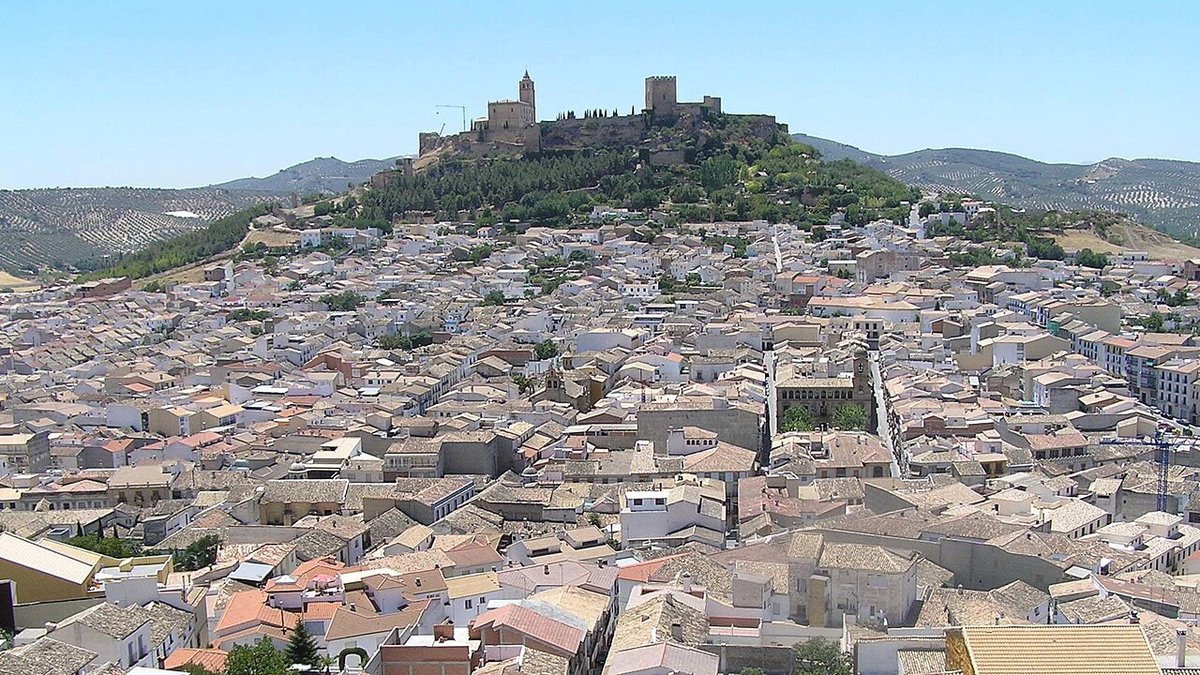
Look, Valdepeñas isn't going to wow you with a cathedral or a castle. If your travel style involves ticking boxes, you might leave wondering what you missed. But if you slow down for half a day—walk its streets, eat something cooked in oil from trees right over there, drive up to Chircales or even walk part of El Muro—the place starts to make sense. It shows you a version of Andalucía that's still firmly tied to its land, where life moves with seasons, not algorithms. And sometimes, that's exactly what you need