Full Article
about Benamejí
Gateway to the Subbética on the Genil River, known for its bandit history and active tourism amid striking scenery.
Ocultar artículo Leer artículo completo
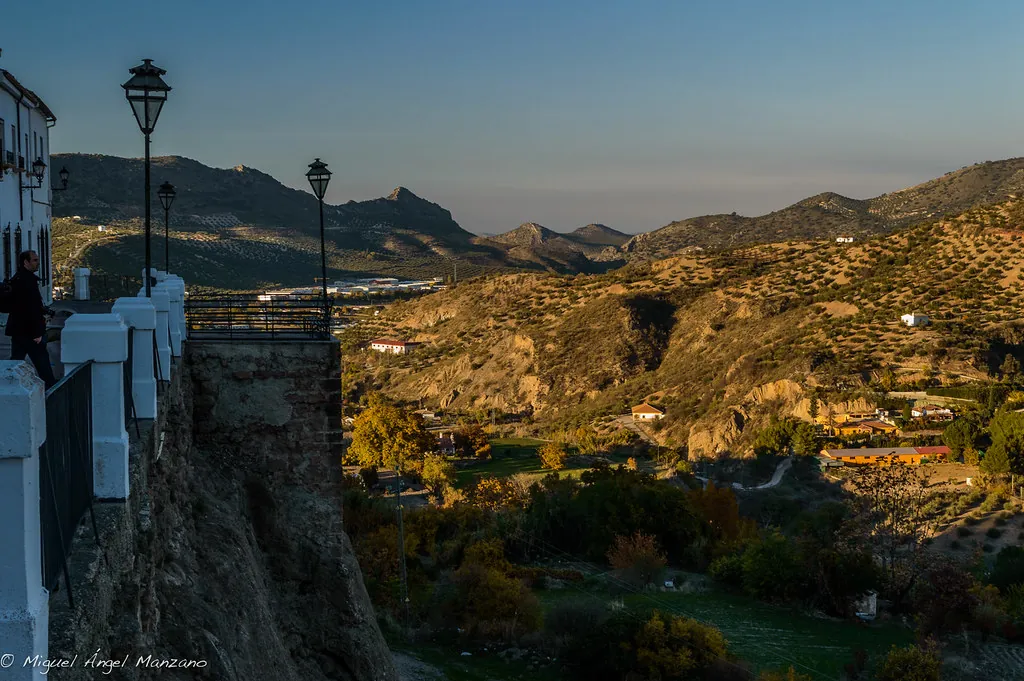
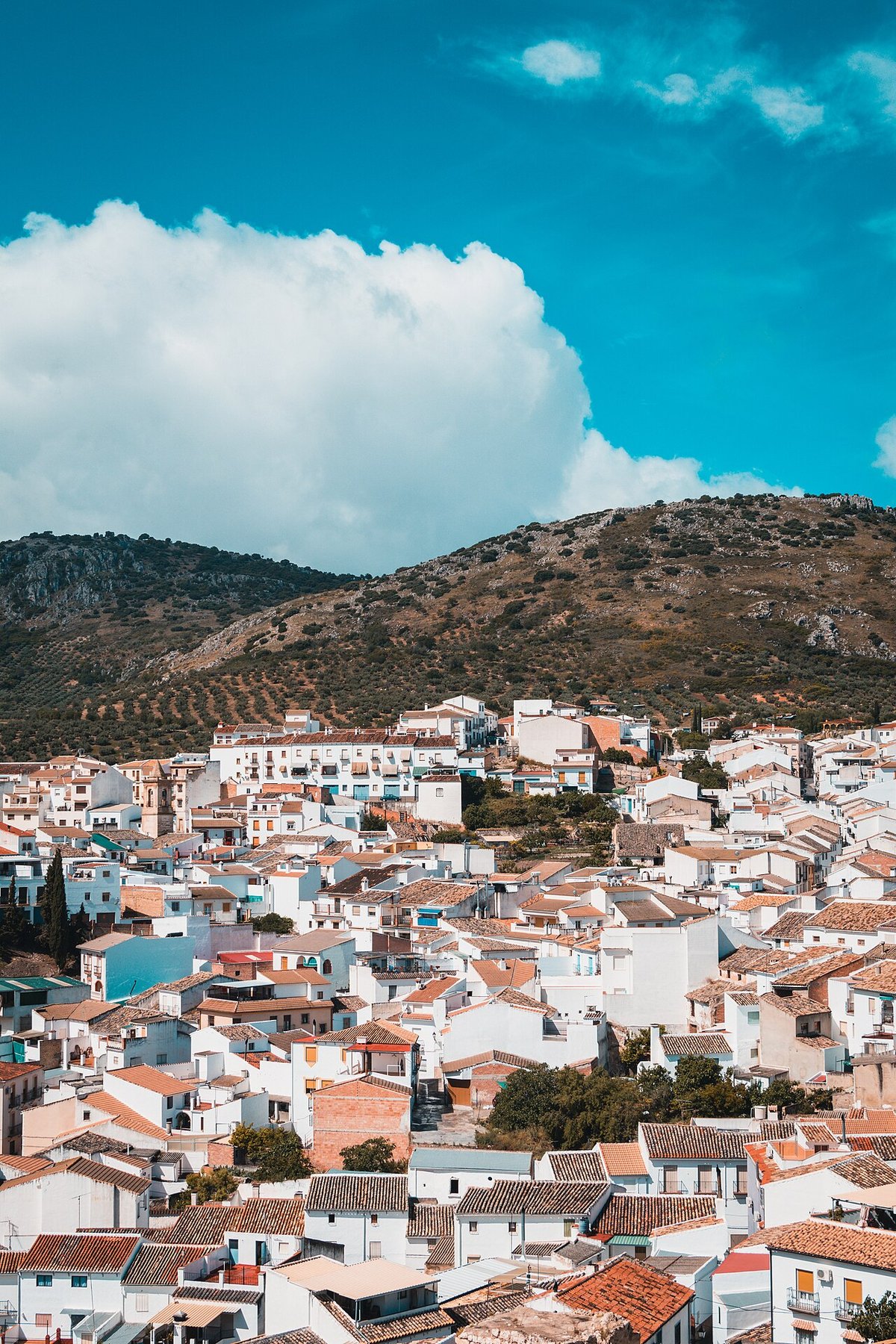
The morning mist hangs over 30,000 hectares of olive groves like smoke from an invisible fire. From the Mirador de Benamejí, perched above the A-45 motorway, the village appears as a modest cluster of terracotta roofs floating in this silver-green ocean. It's a view that stops motorists mid-journey, yet most return to their cars after five minutes, unaware they've missed the real story.
Benamejí doesn't do grand gestures. This agricultural town of 5,000 souls, strung along a ridge in Córdoba's Subbética region, operates on agricultural time. The daily rhythm follows the olive harvest, the church bells, and the siesta hours that shut everything between 2 pm and 5 pm. For travellers seeking an authentic slice of interior Andalucía—minus the tour coaches and souvenir tat—this presents both opportunity and challenge.
The Church That Commands Respect
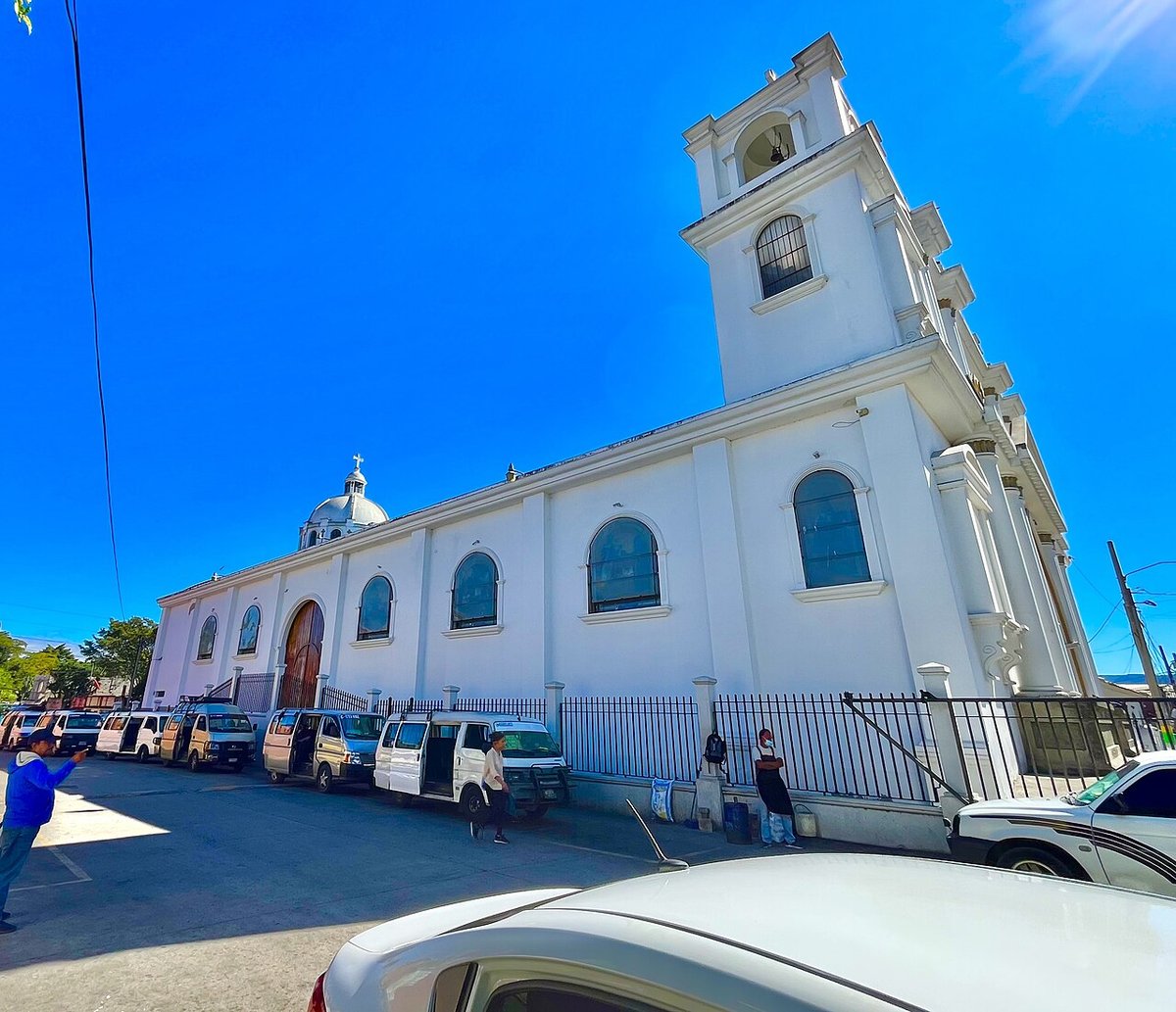
Towering above the compact centre, the Iglesia de la Inmaculada Concepción demands attention without trying. Its 16th-century bell tower, built from local limestone weathered to honey-gold, serves as the town's compass point. Inside, the sober exterior gives way to baroque excess: gilded altarpieces flicker in candlelight, their carved apostles and saints watching over elderly women who murmur rosaries in the cool gloom.
The church isn't staged for visitors. When the doors are open, you're welcome to enter; when they're not, there's no gift shop to soften the disappointment. This sets the tone for Benamejí's attractions—they exist for locals first, curious travellers second. The 18th-century town hall occupies a former manor house on Plaza de España, its wrought-iron balconies and stone coat of arms suggesting stories of landed gentry long departed. Peer through the ground-floor arches during office hours and you'll spot modern desks piled with paperwork, the mundane business of municipal life continuing beneath frescoed ceilings.
Wandering the streets reveals glimpses of traditional patios through ornate gates—geraniums in terracotta pots, washing strung between balconies, the occasional ancient pomegranate tree dropping fruit onto cobblestones. These aren't show gardens maintained for tourist euros; they're working courtyards where families gather on summer evenings, the clatter of cutlery and murmur of television drifting into the lanes.
Walking Through the Olive Ocean
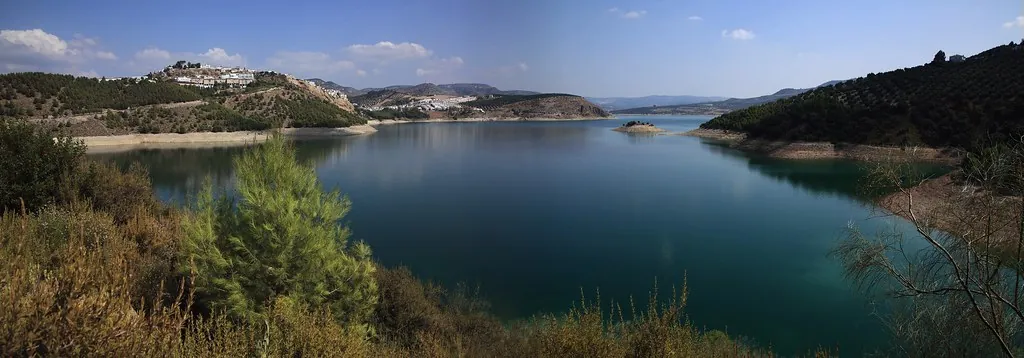
The real Benamejí exists beyond the urban core. A network of footpaths radiates into the surrounding groves, following ancient tracks between stone terraces and dry riverbeds. The Cerros de la Camorra, low hills to the north, offer 360-degree views across this agricultural empire. On clear days you can trace the A-45 motorway slicing north toward Córdoba, while southward the land rises toward the Subbética's proper mountains.
These aren't wilderness hikes. You'll share paths with farmers on battered mopeds, their trailers loaded with pruning tools and chain saws. The smell of freshly-cut olive wood mingles with wild thyme and rosemary crushed underfoot. Spring brings carpets of yellow daisies and purple lupins between the gnarled tree trunks; autumn paints everything in shades of ochre and rust. Summer walking requires early starts—by 11 am the heat becomes oppressive, and shade is limited to the occasional stand of pines or abandoned cortijo.
The groves support more than agriculture. Booted eagles circle overhead, their distinctive mewing calls echoing across the valley. Stone martins nest in old quarry faces, while wild boar leave their distinctive tusk-marks on olive trunks. Night walks reveal a different world: glow-worms in damp gullies, the eerie calls of stone curlews, and skies dark enough to make out the Milky Way—something impossible from the costas.
Food Without the Fanfare
Benamejí's cuisine reflects its farming heritage: substantial, olive oil-heavy, designed to fuel workers through long days. At Restaurante Puerta del Sol, the €12 menú del día might start with salmorejo—a thicker, more intense cousin of gazpacho—followed by migas, breadcrumbs fried with garlic and chorizo, finished with a splash of the local Priego de Córdoba extra virgin oil. Portions challenge solitary diners; sharing is common and encouraged.
The town's bakeries produce mantecados, crumbly shortbread made with pork lard and olive oil, their recipe guarded with the seriousness of state secrets. These appear in force during September's Virgen de los Remedios fiesta, when locals exchange boxes of sweets like edible calling cards. The convent on Calle San Roque, now closed, once supplied the town with biscuits and preserves; its recipes survive in family kitchens, passed down through generations of women who measure ingredients by sight and instinct.
Evening dining follows Spanish schedules: kitchens open at 8.30 pm earliest, with locals arriving from 9.30 onward. Mesón Puerta del Convento's themed nights, held monthly, package traditional dishes with explanations of their origins—useful for non-Spanish speakers navigating unfamiliar ingredients like tagarninas (thistle stalks) or collejas (a wild green similar to sorrel).
When the Village Lets Its Hair Down
August's San Roque fiesta transforms Benamejí from quiet agricultural centre to exuberant party town. For five days, Plaza de España hosts nightly concerts ranging from flamenco fusion to chart covers played by local bands. Pop-up bars serve tinto de verano (red wine with lemonade) and ice-cold beer to crowds that include grandparents, teenagers, and toddlers running between tables long past midnight.
The daytime programme features egg-and-spoon races, paella competitions, and the chaotic "encierro"—not the famous Pamplona bull-run but a gentler affair involving young cattle herded through fenced streets by whooping teenagers. British visitors often find the 3 am firework displays challenging; earplugs and a room facing away from the plaza become essential kit.
February's carnival provides gentler entertainment. Comparsas—satirical singing groups—parade through streets decorated with tissue-paper figures poking fun at local politicians and national celebrities. The humour translates poorly if your Spanish is limited, but the atmosphere needs no translation: families in homemade costumes, children clutching bags of sweets thrown from floats, the whole town participating rather than watching from sidelines.
The Practical Reality
Benamejí's isolation defines both its charm and its limitations. No train station serves the village; buses from Málaga or Córdoba run twice daily if you're lucky. Hiring a car isn't optional—it's essential. The 70-minute drive from Málaga airport, all on well-maintained motorways, delivers you to a place where Google Maps occasionally lies about opening hours and cash remains king.
Accommodation options number precisely four small hotels, none with more than 15 rooms. During fiesta periods and Easter weekend, these fill with returning families—book months ahead or base yourself in nearby Iznájar or Archidona, accepting a 45-minute drive for dinner. The village's single ATM runs out of money during festivals; the nearest alternative requires a 20-minute drive to Lucena.
Winter visits reward those seeking genuine solitude. January daytime temperatures hover around 15°C—perfect for walking if you pack layers and waterproofs for occasional Atlantic storms. Bars remain open but operate reduced hours; some restaurants close entirely. The olive harvest continues regardless, with mechanical shakers transforming peaceful groves into industrial zones of diesel engines and shouted instructions.
Spring brings the landscape alive. From March through May, wildflowers transform the understory while migrant birds pause to refuel before crossing the Mediterranean. Temperatures reach comfortable mid-20s without summer's intensity; local bars extend terraces into sunny corners of the plaza. This is Benamejí at its most photogenic, before the intense heat and tourist influx of proper Andalucían destinations.
The village won't suit everyone. Those requiring boutique hotels, craft beer bars, or organised entertainment should continue to Granada or Seville. But for travellers content to observe daily Spanish life unfolding against a backdrop of 500-year-old olive trees, Benamejí offers something increasingly rare: a place that existed long before tourism and will continue long after the last visitor departs.