Full Article
about Cabra
Monumental town at the geographic heart of Andalucía, gateway to the Sierras Subbéticas Natural Park, rich in geology and springs.
Hide article Read full article
Morning in the old quarter
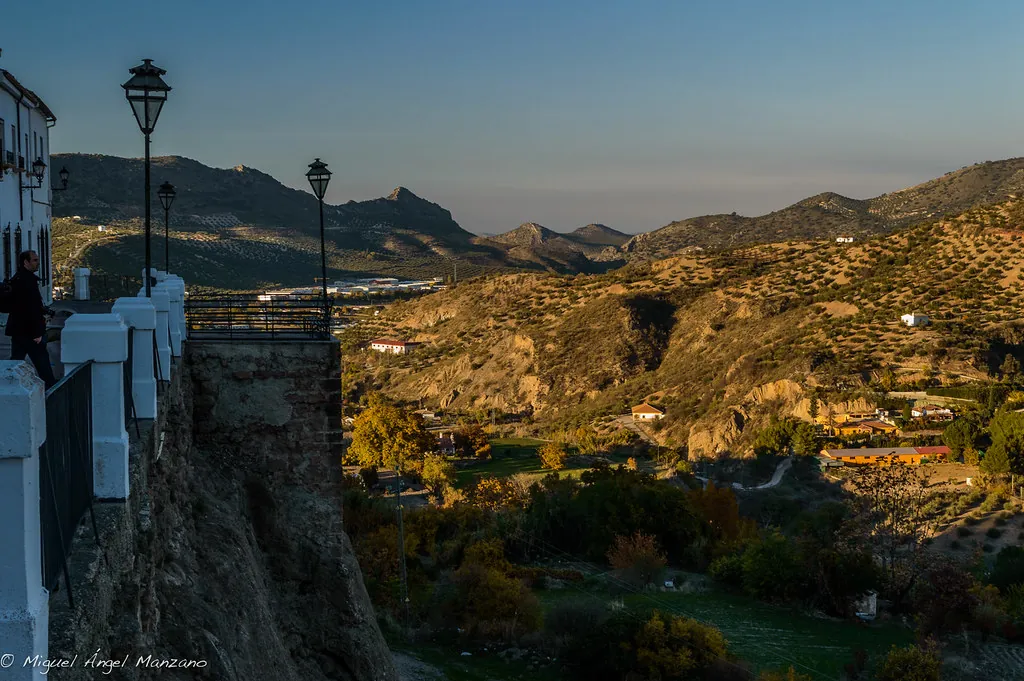
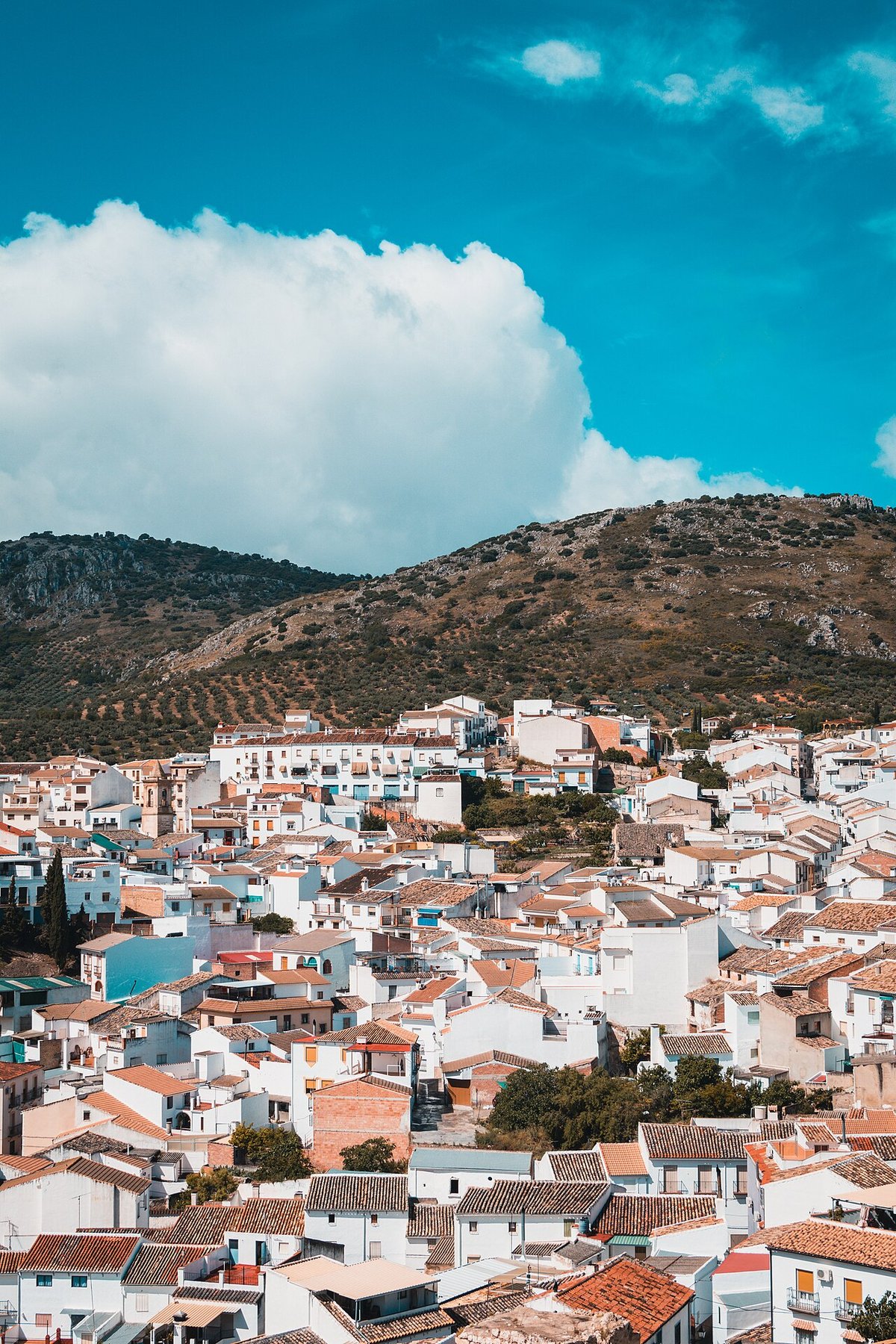
At eight in the morning, when the sun has not yet finished drying the dew from the olive groves, Cabra carries the smell of fresh bread and damp earth. From the upper part of the old town, rows of terracotta roof tiles run into one another until they dissolve into the plain. Beyond them, the first ridges of the Subbética begin to rise, their dark outline set against a sky that still holds a trace of night blue.
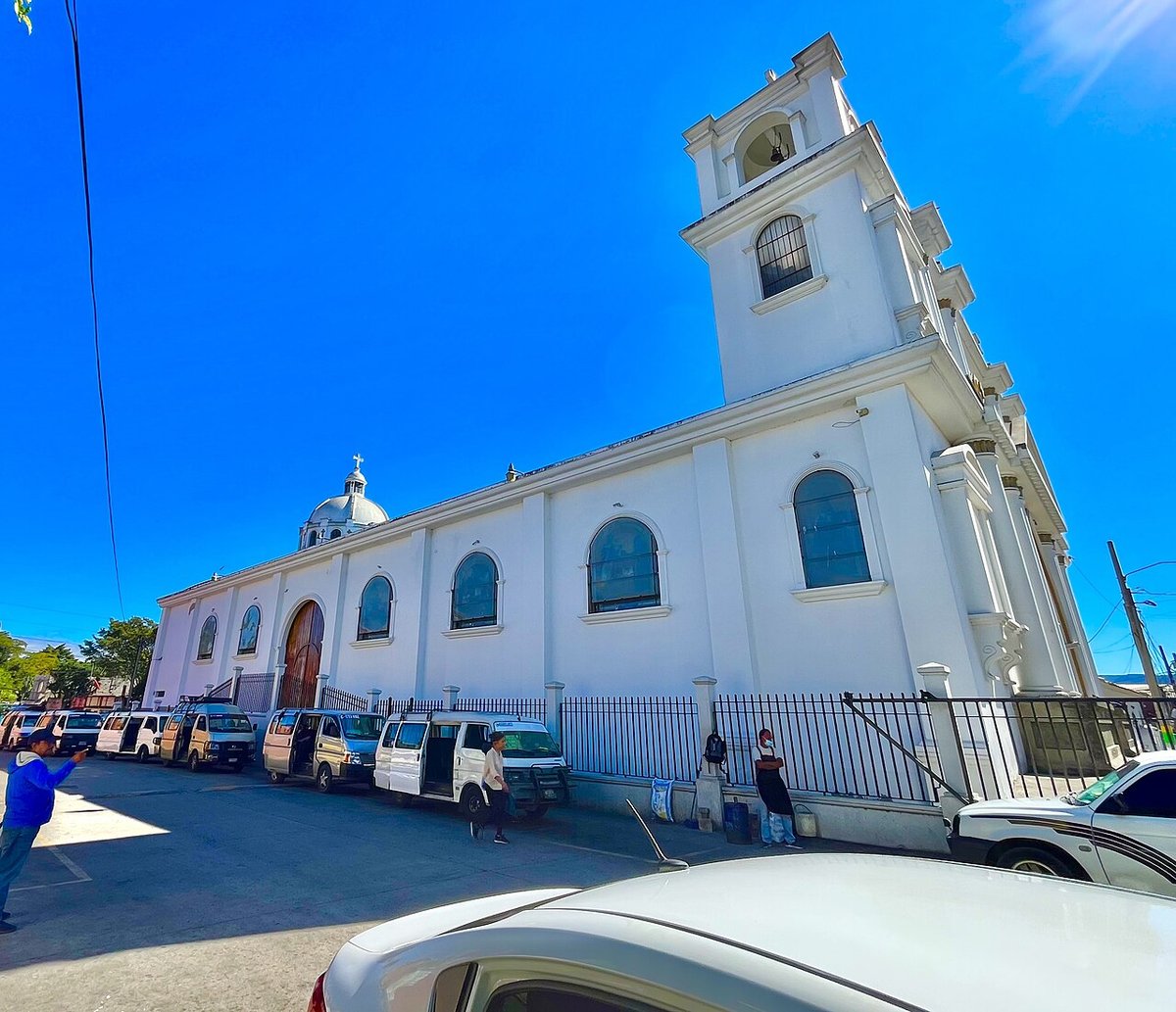
The neighbourhood known as the Villa wakes slowly. Cobbled streets keep the coolness of early hours, and footsteps echo between whitewashed façades that reflect the light with an almost stark brightness as the sun climbs. Along the slope of the Castillo, neighbours appear with cloth bags or small baskets. Bread is still warm at that time of day, and the pace of the town feels different, quieter. A car passes now and then, climbing gently, while church bells mark the morning from different points in the centre.
Fragments of the old wall remain, along with corners where the streets narrow so much that two people have to step aside to pass. The limestone still holds the night’s chill. Run a hand along it and the surface feels rough, worn smooth in places by centuries of use.
Where water emerges
The path known as the Sendero del Nacimiento begins at the edge of the town, just where the last houses give way to olive groves. It is an easy route, often used by local people out for a walk. The ground is firm, and in some stretches the sound of cicadas can be heard even before summer arrives.
As the path continues, the air changes. There is less dust, more moisture. Almond trees appear, along with brambles and the occasional old fig tree. Water rises from a crack in the limestone and gathers into a small, clear pool where stones are coated in a dark green layer, almost velvety in texture.
This spot has been known for centuries and is often mentioned in connection with Juan Valera, the writer born here who set part of his work in these landscapes. Even without knowing his writing, the place has a calm quality. The steady sound of water and the shade offer relief, even when the heat of the day begins to build.
Up towards the sanctuary
Above Cabra rises the Subbética massif. From the town, the outline of El Picacho is clearly visible, and near its summit stands the Santuario de la Virgen de la Sierra.
The most common way up is by road, though there are also paths used by walkers and local residents. The landscape shifts quickly along the ascent. Olive groves give way to scattered pine trees, then to stretches of limestone where the ground appears almost white.
At the top, there is often wind, even when the air in the town below is still. From the surroundings of the sanctuary, wide views open out across the countryside of Córdoba and the nearby sierras. On clear days, the light becomes especially crisp towards late afternoon, as the sun lowers and the olive groves begin to reflect their characteristic silvery tone.
In summer, the climb is best done early or towards evening. At midday the sun is strong, and there is little shade along parts of the route.
Food that stays close to home
In Cabra, porra still appears on many tables when the heat sets in. It is thicker than gazpacho and more rustic than salmorejo, made with tomato, stale bread and olive oil, then served with whatever is on hand such as hard-boiled egg, pepper or tuna.
Winter brings traditional sweets into bakeries and homes. Borrachuelos begin to appear as Christmas approaches. The dough includes sweet wine and lard, is fried, then filled with cabello de ángel, a sweet preserve made from gourd and flavoured with cinnamon. Icing sugar rarely stays neatly on the plate.
When to go, and what to expect
Spring is probably the most pleasant time to explore Cabra and its surroundings on foot. Between March and May, the fields around the town fill with wildflowers, and temperatures still allow for walking uphill without the intense heat that arrives later in summer.
At the beginning of September, the atmosphere changes with festivities linked to the Virgen de la Sierra. There is more movement, more traffic, and parking near the centre becomes difficult.
For a quieter visit, weekdays tend to be calmer. The wider avenues in the newer part of town make it easier to leave the car and continue on foot into the old quarter.
One detail often underestimated is the strength of the sun in July and August. It falls almost vertically, and the stones of the castle and the upper streets hold heat for hours. Carrying water and wearing a hat is sensible, even for short walks. In winter, by contrast, the wind from the sierra can feel dry and cold, particularly towards evening.
As the day ends, the light turns orange and shadows stretch along the sloping streets. Cabra settles back into a slower rhythm. Televisions can be heard behind closed windows, conversations drift from balconies, and sometimes the sound of a guitar slips out into the street.