Full Article
about Doña Mencía
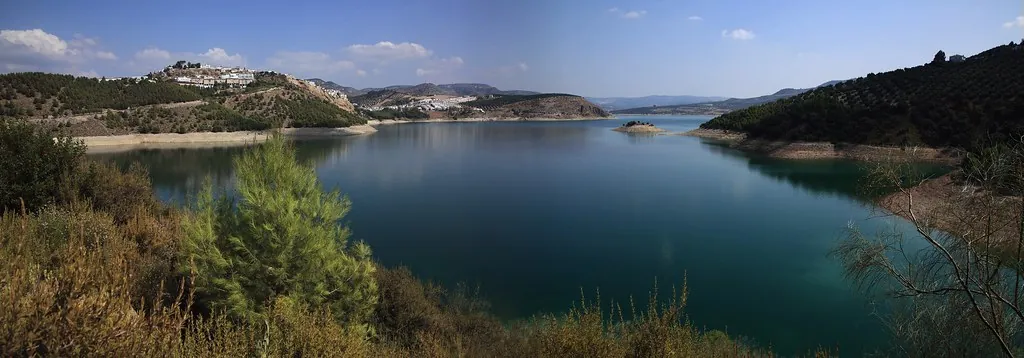
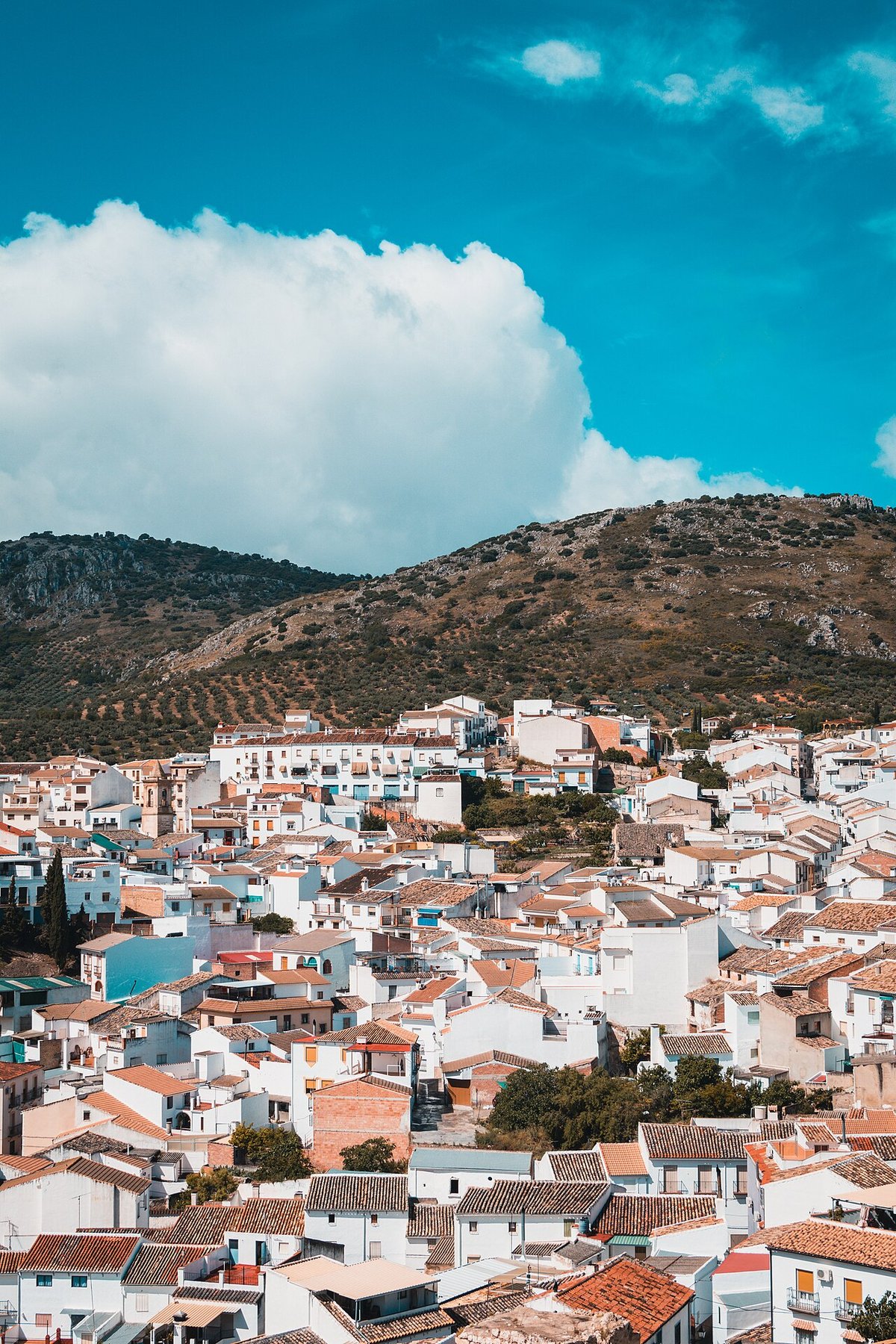
White village at the foot of the Sierra Subbética, known for its wines and ruined castle with sweeping views over the Vía Verde.
Hide article Read full article
Where Work Sets the Pace
Freshly pressed olive oil smells of grass and toasted almond. By mid-morning at the village cooperative, lorries arrive loaded with crates of olives still carrying the night’s dew. In October, tourism in Doña Mencía shares space with something older: the steady tempo of the harvest. Hoppers rumble, the ground is stained with alpechín, the dark liquid left from pressing. The village smells of work rather than display.
This is part of everyday life here. The olive groves around Doña Mencía shape both the landscape and the calendar, and even a short stay tends to fall into that rhythm without much effort.
The Light Juan Valera Noticed
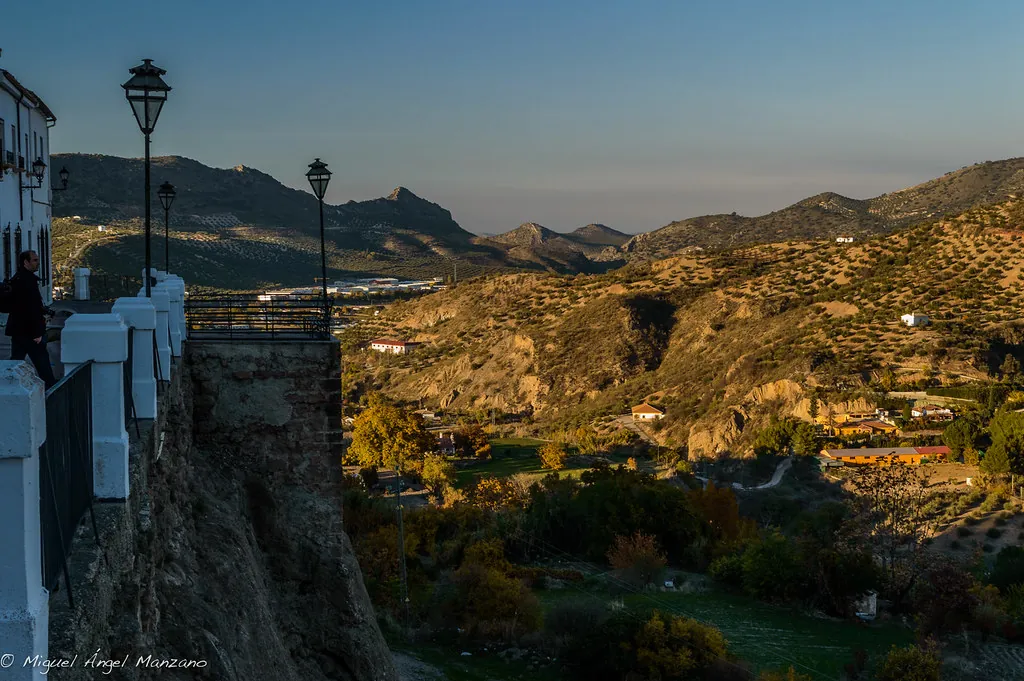
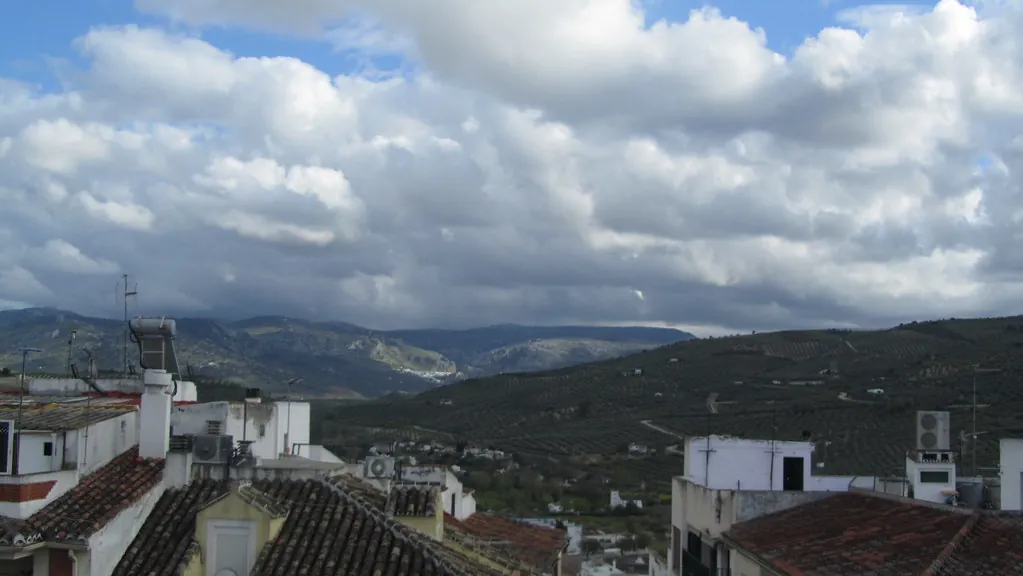
From the Mirador de las Cruces, the village spreads out in a fan of reddish rooftops along the hillside. From this height, the Sierras Subbéticas appear in full: a succession of low hills covered in olive trees that catch the light like scales when the sun grazes them.
Juan Valera, the 19th-century writer, spent time here as a child and described the light of Doña Mencía as “matte and golden”, similar to that of Arabic miniatures. The description makes particular sense in winter. The air becomes so clear that distant olive trees seem finely sketched rather than fully solid.
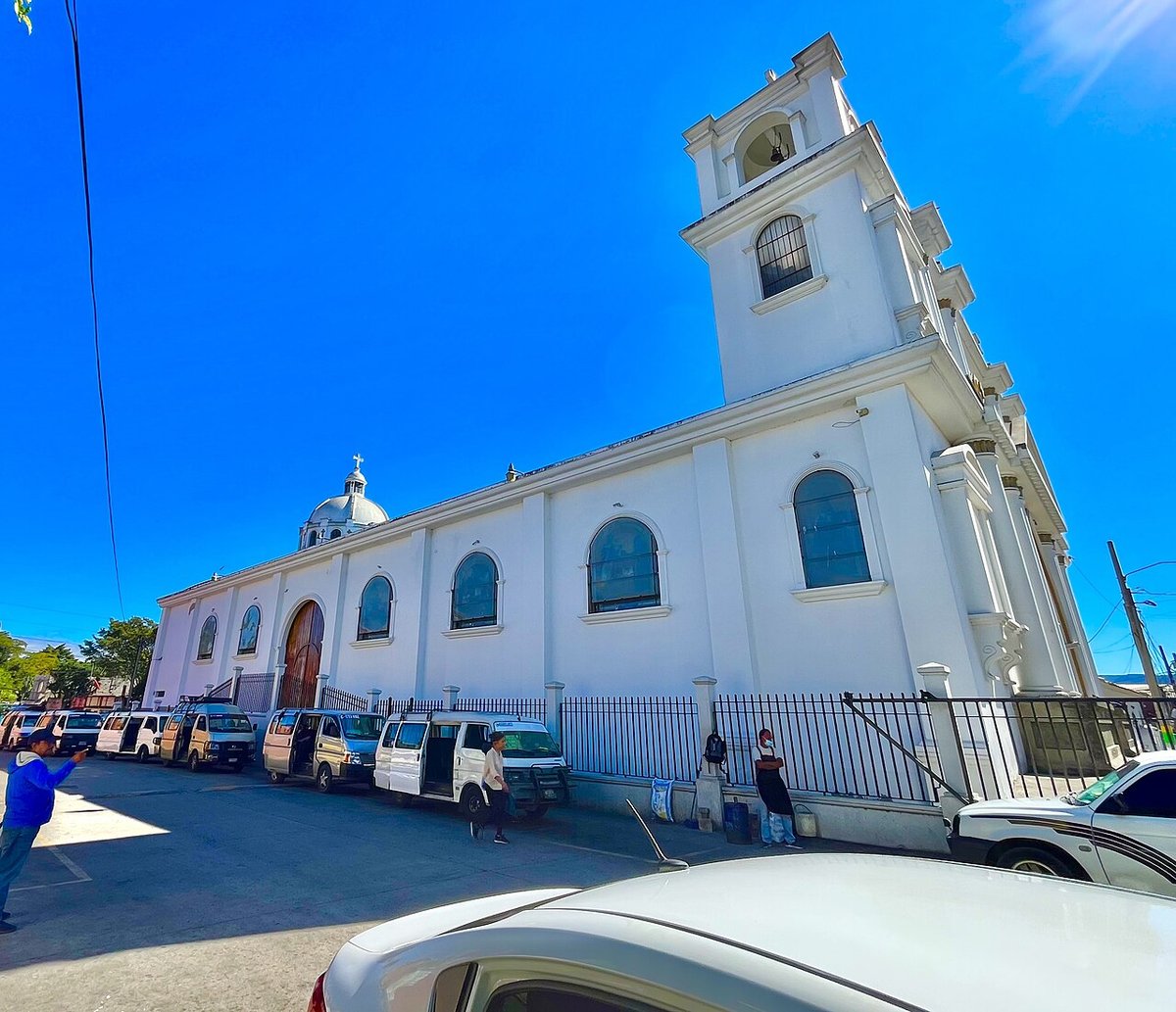
Another place that holds attention is the Iglesia Vieja. After a fire in 1932, it was left without a roof and later adapted into an open-air auditorium. Its stone walls remain darkened by the fire. Benches face the bell tower, and as the sun lowers, the shadows of the arches stretch across the ground like the marks of a clock. In summer, performances and cultural events take place here. When the village falls quiet, any sound carries with surprising clarity.
Winter Smells and Home Cooking
January brings a different set of scents. The air carries damp firewood, and another smell settles into the streets: morcones, chorizos and morcillas curing in courtyards and on rooftops. The matanza, the traditional pig slaughter, still takes place in many homes, now more as a family gathering than a necessity.
In local bars, dishes reflect that same domestic tradition. One of the most distinctive is adobillo de patatas, a hearty stew where potatoes are combined with pig’s blood and spices. It has a dark, earthy flavour that calls to mind wet soil after rain.
Another regular is tomates guisaos con apagaíllo. The tomatoes are cooked down until very soft, almost collapsing, with a final note of cumin that appears at the end. It is usually eaten with village bread, dense in crumb and with a firm crust that cracks when broken.
Paths Through Olive Country
The Vía Verde de la Subbética, a former railway line turned into a walking and cycling route, passes through Doña Mencía. Many cyclists focus on the stretch between Cabra and Luque, but the section near the village is quieter. The path runs between olive trees planted almost to the edge of the tarmac. At times, the only sounds are bicycle wheels and the occasional dog barking from a cortijo, a rural farmhouse.
A few kilometres along the route lies the Fuente de las Pilas. Water trickles slowly into a stone basin where, according to older residents, laundry was washed well into the 20th century. Even in summer, the water runs very cold. Nearby, a flat rock offers a place to stop, take a drink or finish a sandwich before continuing.
Another simple route climbs towards the Ermita del Calvario and circles the hill. The paths are uneven, with loose stones and short inclines. In higher areas, wild goats can sometimes be seen, though not always. At the top are the remains of an old castle. The walls are barely distinguishable now, but the view opens northwards, and on clear days it stretches far beyond the olive groves.
Processions at Dawn and Nights of Fair
On Good Friday, before dawn, the sound of trumpets breaks the silence of the cobbled streets. Religious brotherhoods, known as cofradías, move slowly through the village. Beneath the robes, only the steady movement of feet striking stone is visible. To counter the chill of those early hours, small glasses of rosolio are passed around, a homemade liqueur usually flavoured with anise and herbs from the surrounding hills.
In August, the feria arrives and the central square shifts in mood. Market stalls fill the space, and the air becomes a mix of fried dough, sardines over coals and hot sugar sticking to fingers. By Sunday morning, everything settles again. The streets smell of freshly thrown water and soap, and chairs reappear outside doorways as cushions are aired.
Finding the Village Rhythm
May often offers a clear sense of local life. The Romería del Calvario, a traditional pilgrimage, fills the paths with people and decorated carts, and the surrounding hills come alive from early in the day.
During the week, the pace is different. By mid-morning there is movement in the shops, and around two in the afternoon the smell of cooking drifts out of windows. Then comes the siesta, a long quiet stretch broken only by bees in the orange trees or a tractor climbing the road.
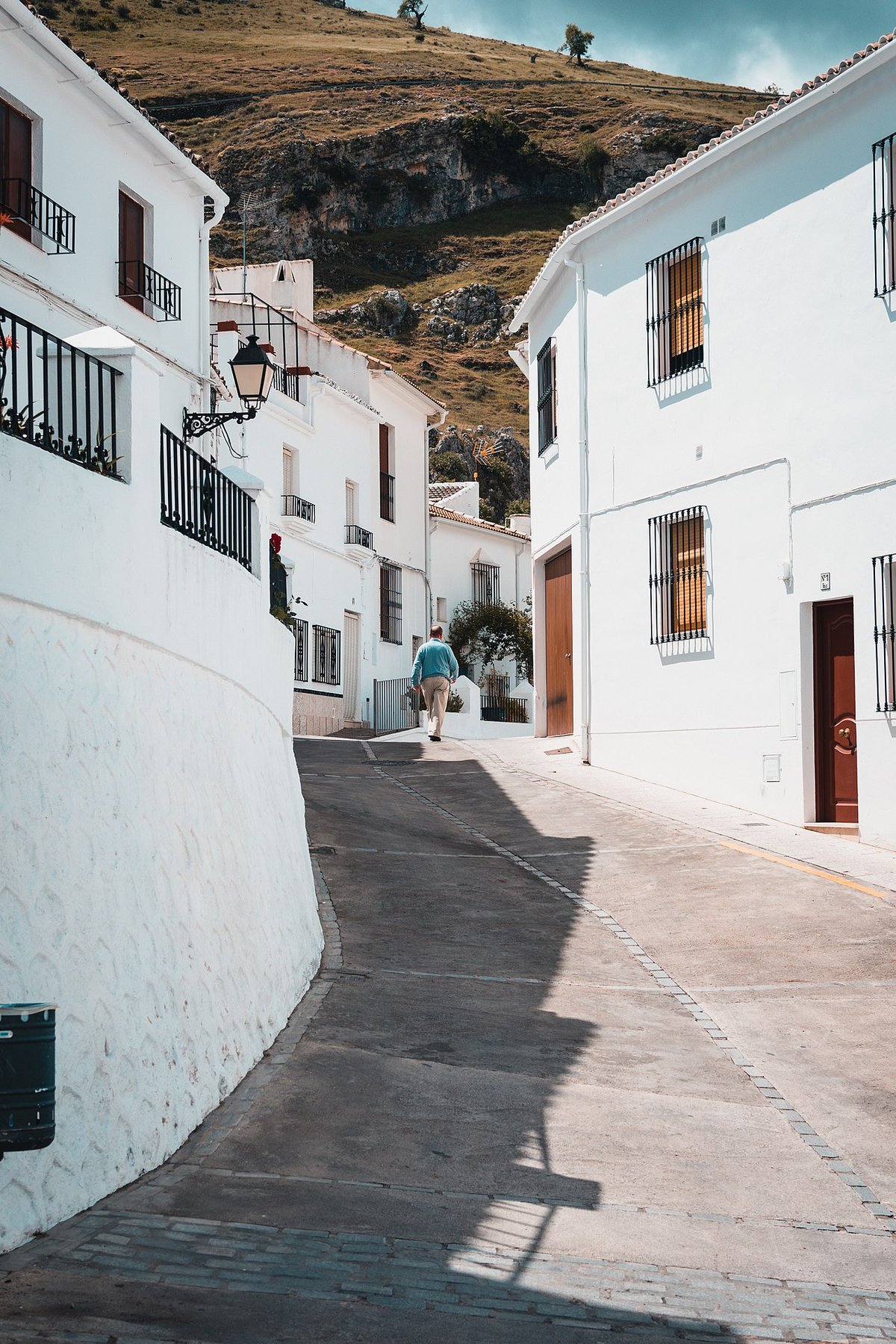
Arriving by car, it is easiest to leave it in the more open areas in the lower part of the village and continue on foot. Distances are short, though some streets slope upwards. If someone mentions pollo asado menciano, there is little need for ceremony. It is often eaten with the hands, pulling the meat apart while it is still hot, flavoured with thyme and something close to a Sunday kitchen.