Full Article
about Encinas Reales
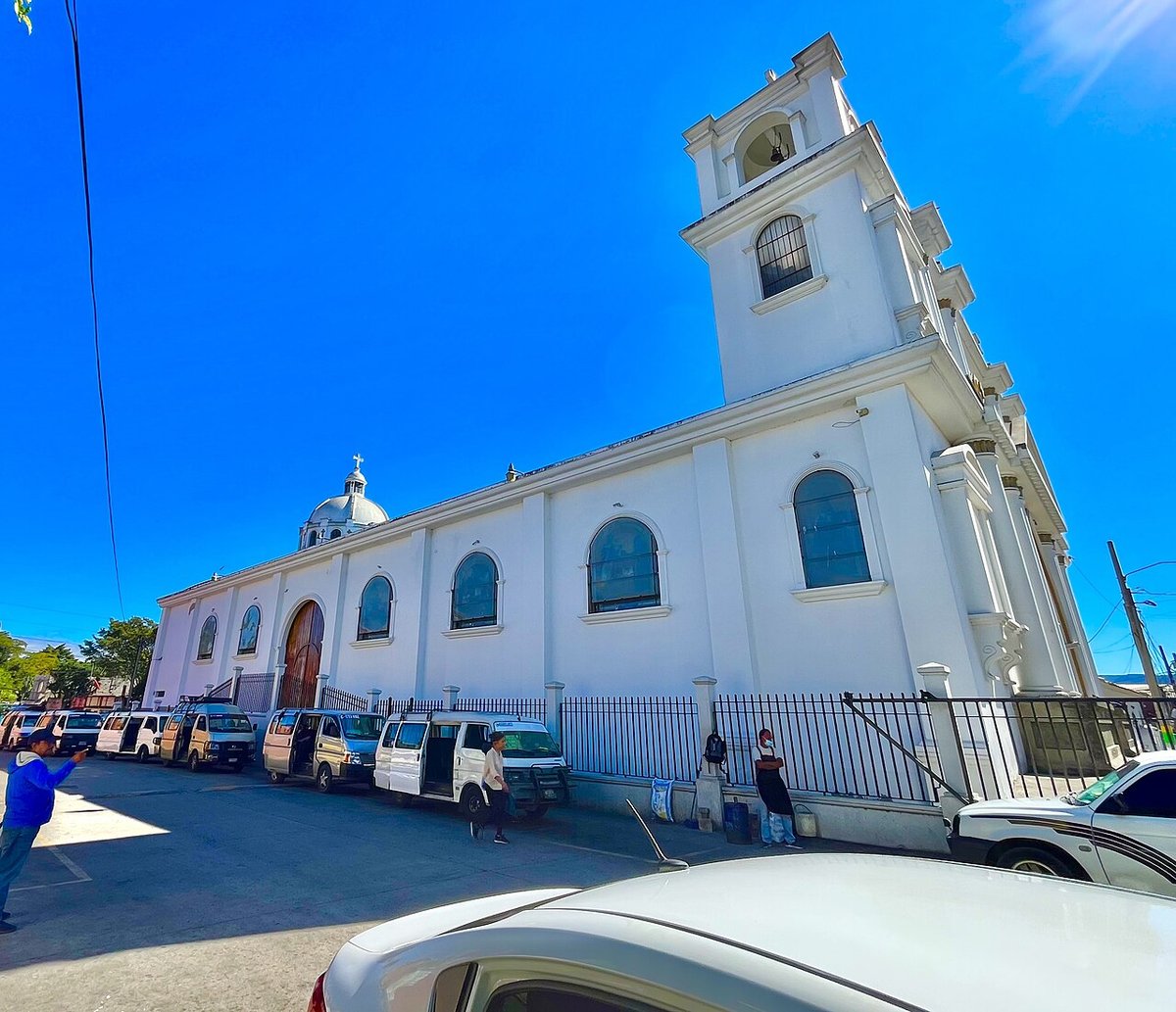
A transitional municipality between the countryside and the mountains, featuring a much-venerated Baroque chapel and the quiet atmosphere typical of southern Córdoba villages.
Hide article Read full article
A Place That Grows on You
Encinas Reales is a bit like that relative you only see at big family gatherings. It may not draw the most attention at first, but once it starts talking you find yourself listening. Tourism in Encinas Reales works in much the same way. This is not the sort of place that appears on glossy calendars or dominates guidebook covers. Yet once you understand how life unfolds here, it begins to look different.
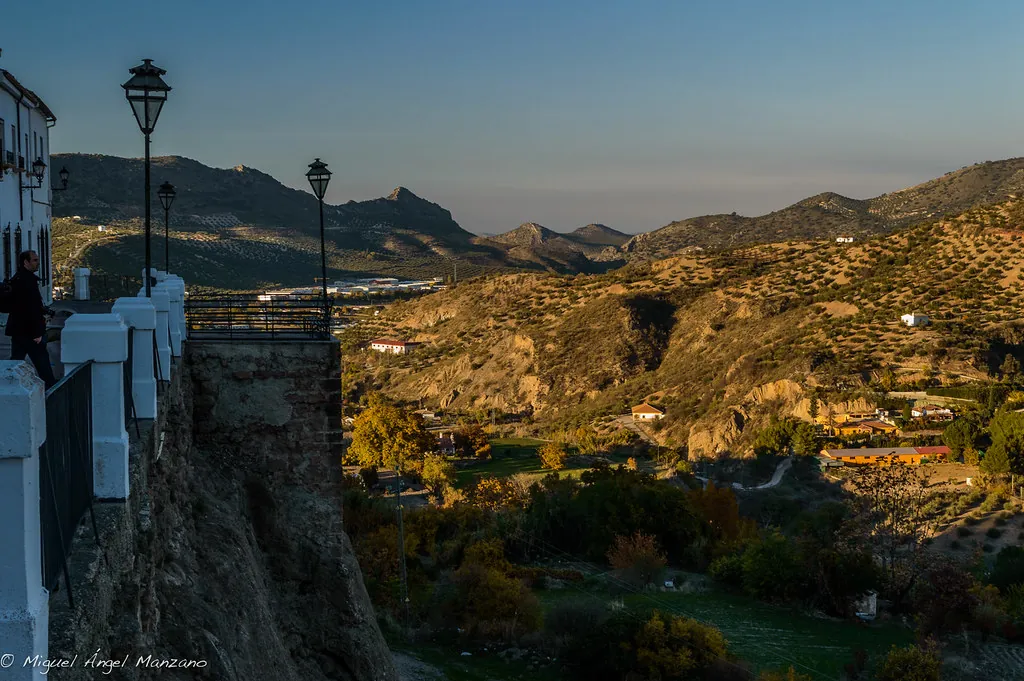
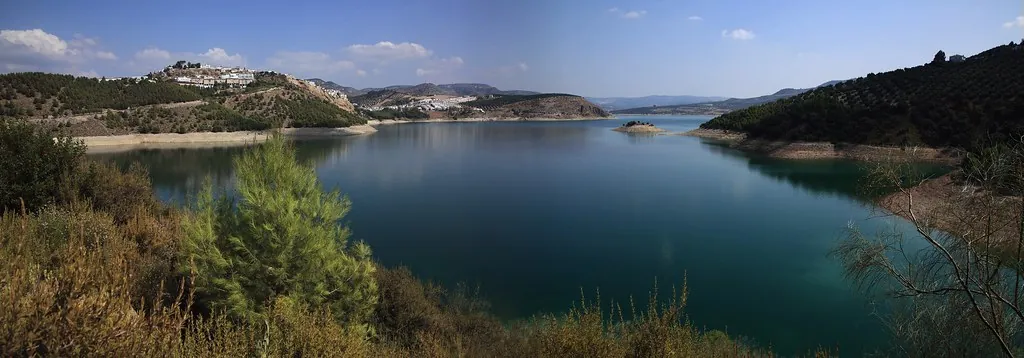
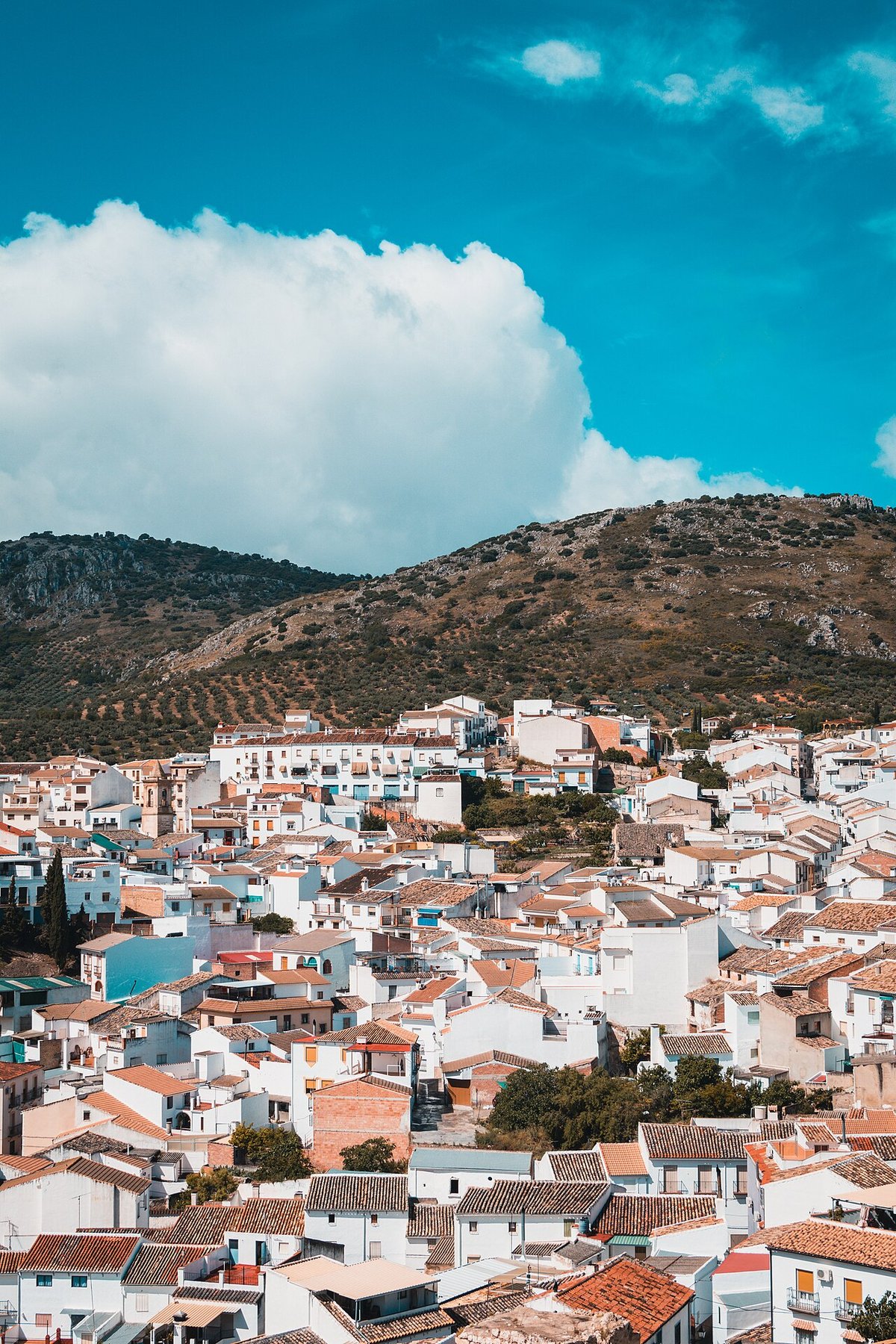
The village lies in the Subbética area of the province of Córdoba, surrounded by open countryside and noticeably quieter than other nearby towns that attract most of the visitors. There are no grand gestures, no headline sights competing for attention. Instead, Encinas Reales moves at its own pace.
Born from Sparse Oaks
Picture a farmer from Lucena in the 17th century deciding to settle on a hill where there was little more than a scattering of holm oaks. That, more or less, is how Encinas Reales began. The Dukes of Medinaceli encouraged the repopulation of the area, and families gradually arrived, building the first houses and shaping what would become the village.
Today just over two thousand people live here. The place still feels as though it has grown slowly, step by step, without dramatic turning points.
According to local tradition, the original name was Encinas Ralas, referring to the sparse oaks that remained in the area. Over time the name shifted to Encinas Reales. Another story, often retold, claims that Queen Isabella I of Castile stopped to rest beneath an oak tree here while travelling through the region. There is little firm evidence behind the tale, but it continues to circulate and residents are fond of repeating it.
These fragments of history do not come packaged as major attractions. They linger in conversation, in the way people refer to places, and in the names that have survived.
Cooking from the Fields
Food in Encinas Reales is rooted in what the land provides. The local porra de Encinas Reales is taken seriously. If salmorejo is familiar, think of something thicker and more rustic. Tomato, bread, olive oil and pepper are blended into a dense cream that feels substantial. It is practical cooking, born from the need to make the most of whatever was available in the cupboard.
Another seasonal staple is gazpacho de ajos tiernos, prepared when young garlic is at its best. There are also omelettes made with wild herbs such as collejas or wild asparagus, still common in many homes. These are not recipes devised by chefs or pulled from glossy cookbooks. They come from heading out into the countryside with a bag and returning with something that can become supper.
The link between kitchen and field remains visible. Olive groves dominate the landscape around the village, and the rhythm of agricultural work shapes daily life more than visitor schedules ever could.
Walking the Surroundings
Several signposted paths run around Encinas Reales, crossing olive groves and small patches of woodland. Do not expect towering peaks or dramatic viewpoints from the outset. The landscape works differently here. It reveals itself gradually, in open fields and long horizons.
One of the routes is usually known as the Sendero de las Encinas Ralas. At around six kilometres, it is a straightforward walk that recalls the origin of the village’s old name. The terrain is open, with the occasional old holm oak still standing in quiet resistance.
In the area of Las Mersillas there are archaeological remains attributed to a Roman settlement. At first glance they may appear to be little more than scattered stones. With some context, however, it becomes easier to imagine what once stood there and how the area fitted into older networks of habitation.
Then there is the setting of Vadofresno, near the River Genil. This is not a viewpoint with queues of people waiting for photographs. It is simply a calm spot where you can sit for a while and watch the river move through the vegetation.
These surroundings do not shout for attention. They invite unhurried exploration, the sort that leaves space for conversation or silence.
Festivals That Bring Everyone Together
In Encinas Reales, festivals feel close to everyday life. Semana Santa, or Holy Week, is marked by processions in which religious images are carried from their churches through the streets. Participation tends to come from neighbours rather than spectators. Spend a little time watching and familiar faces begin to emerge: the person from the local shop, the woman who pointed out a street earlier, the teenager who rides past each day on a motorbike.
The August fair, usually held towards the end of the month, is when the village becomes livelier. Many residents who live elsewhere return during those days, and the atmosphere shifts as streets fill and reunions take place.
In December, the Belén viviente, or living nativity scene, involves a large part of the community. It is not an enormous production, but it is highly participatory. Neighbours take on the roles of shepherds, Romans and other biblical figures, transforming familiar corners of the village into scenes from the Nativity story.
These events are not staged primarily for outsiders. They are part of the social fabric, moments when the population gathers and shared routines become visible.
A Different Kind of Stop in the Subbética
Encinas Reales does not offer a postcard-perfect historic centre or a single monument that dominates the skyline. It does not function in that way.
What stands out lies in smaller details: the stillness of a summer afternoon when shutters are half lowered against the heat, the early morning movement in the main square, the long conversations that stretch across a bench as night falls.
For those travelling through the Subbética, it can serve as a calm pause. A walk through the streets, a taste of local cooking and a short route through the surrounding countryside may be enough to grasp how the village fits together. Sometimes that is all it takes to understand a place that prefers to speak quietly rather than compete for attention.