Full Article
about Fuente-Tójar
Small archaeological municipality known for its ancestral dancers and the Ibero-Roman site that shows how long it has been settled, set among olive groves.
Hide article Read full article
A Small Village Among Olive Groves
If you drive to Fuente Tójar, expect secondary roads towards the end of the journey. Nothing dramatic, but there are bends and stretches running through olive groves. Once in the village, parking is usually easier in the upper part, without too much circling. In the centre, streets are narrow and some are steep, so it makes sense to leave the car higher up and explore on foot.
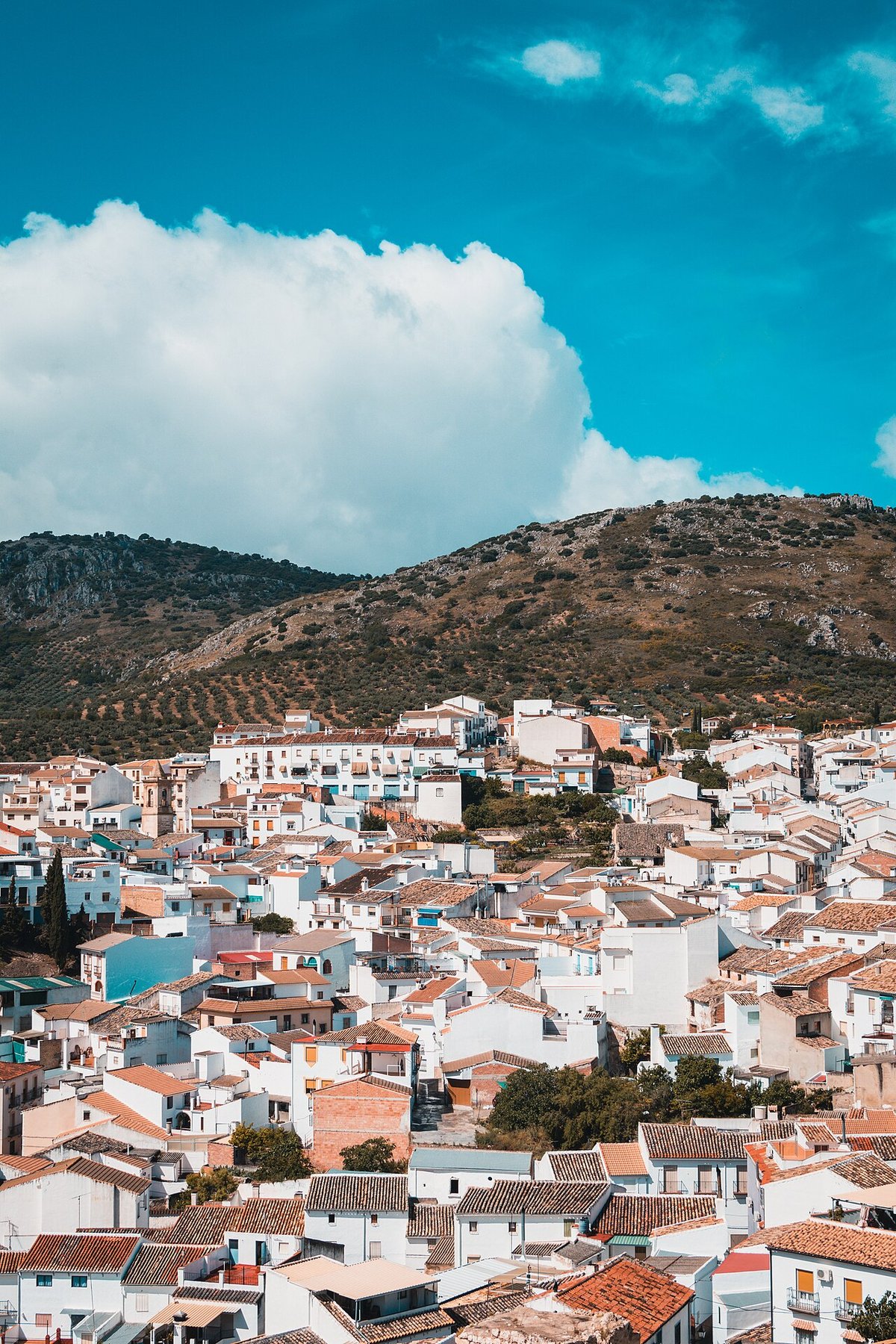
Fuente Tójar has fewer than 700 inhabitants, and it shows. There is no infrastructure aimed at mass tourism and no large monuments drawing crowds. This is a small village in the Subbética area of Córdoba province: whitewashed houses, streets that climb and dip, and noticeable quiet during the week. Anyone looking for constant activity will not find it here. Anyone wanting to see a rural Andalusian village much as it is will.
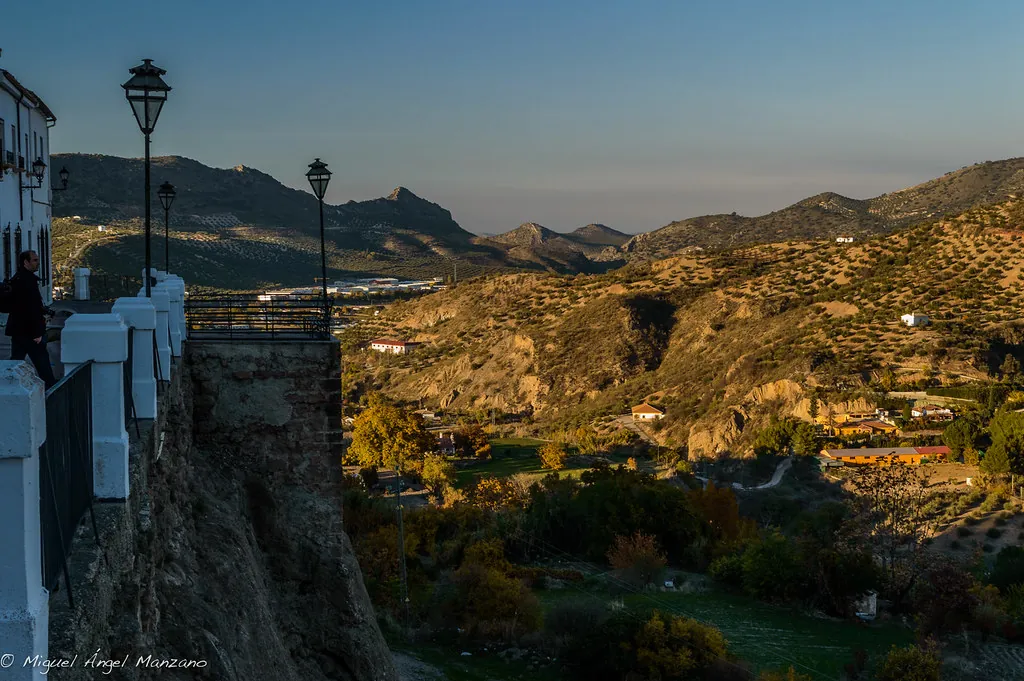
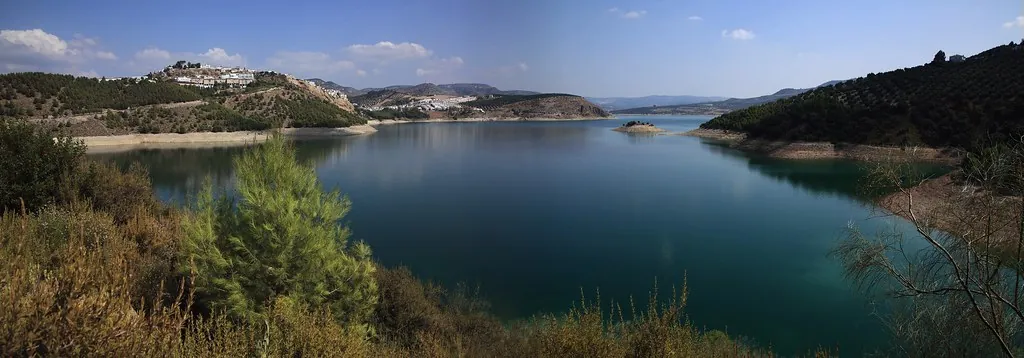
All around lies olive country. From any slightly elevated point you can see rolling hills covered with trees and the occasional cortijo, the traditional rural farmhouse typical of southern Spain, scattered across the landscape.
Walking the Village
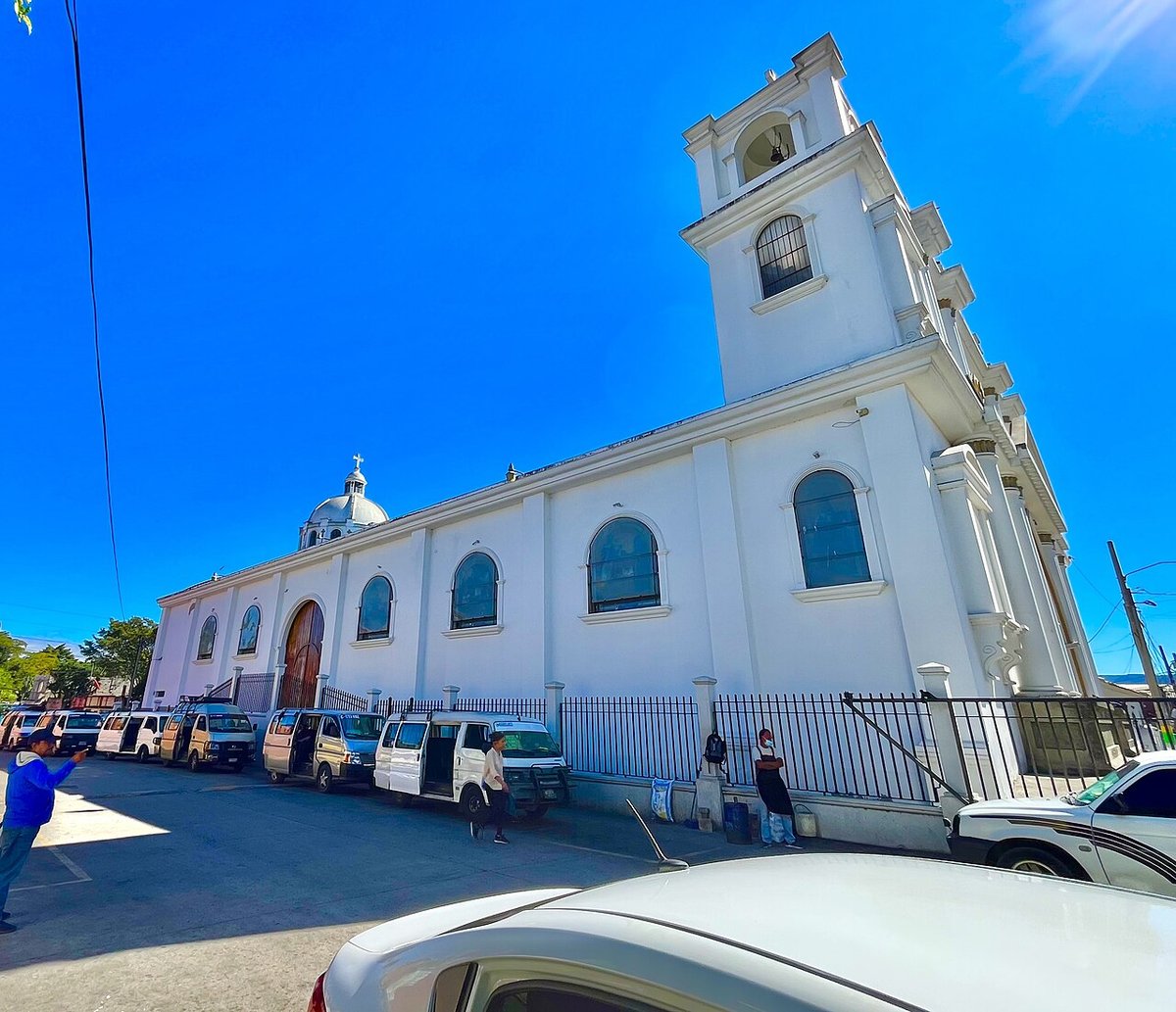
The parish church of San Miguel Arcángel stands in the centre. It is simple and fulfils its role as the village church. There is nothing monumental about it, yet it forms part of the daily rhythm of the place.
The urban area can be covered quickly. Short streets, white façades, wooden doors worn by time. The slopes slow your pace. Fuente Tójar is not arranged for perfect postcard shots, but it does make clear how many villages in this part of Andalucía were built: adapted to the hillside rather than imposed upon it.
On the edges of the village there are several spots from which the wider comarca can be seen clearly. They are not formal viewpoints with railings or panels. They are paths and outskirts where the land simply opens up. From there, olive trees stretch as far as the eye can see.
Paths Through the Subbética Landscape
The municipal area borders the Sierras Subbéticas, a protected mountain range known for its limestone formations and agricultural landscapes. Around Fuente Tójar, rural tracks have been used for decades to work the land or move between farms. Some of these routes can be followed on foot or by bike.
Signposting is not always clear. It is worth checking beforehand or setting out with a planned route. Do not expect carefully maintained trails every few metres. These are working paths first and leisure routes second.
The landscape remains the constant presence. Olive groves dominate almost every view, shaping both the economy and the rhythm of life. The terrain rises and falls gently, and beyond the cultivated land the outline of the Subbética hills frames the horizon.
Olive Oil and Traditional Cooking
Olive oil is the base here. Fuente Tójar sits firmly within the Subbética, an area closely tied to olive cultivation, and almost everything revolves around the groves.
In the village you will typically find straightforward local products: olives, cured meats, homemade sweets and olive oil produced in the area. The cooking follows traditional Andalusian lines without complication. Expect hearty spoon dishes, migas when the season calls for it, and home-style recipes passed down over time.
Migas, for those unfamiliar, is a rustic dish made primarily from breadcrumbs, usually cooked with garlic and olive oil and accompanied by whatever ingredients are available. It is closely associated with rural communities and agricultural life.
There is no elaborate gastronomic scene and no attempt to reinvent local food. The appeal lies in its simplicity and its connection to the surrounding land.
Local Festivities
The main festivities are usually held around the Virgen de los Dolores in September. During those days, people who live elsewhere return, and the village becomes noticeably livelier than usual. The scale remains local, but the atmosphere shifts as families gather and the streets fill.
Semana Santa, Holy Week in the lead-up to Easter, is also observed on a local scale. Short processions pass through narrow streets with the participation of residents. In small villages like this, these events are less about spectacle and more about community involvement.
In summer, when the heat lingers into the night, there are often open-air dances in the square. Music plays, chairs are brought outside and the setting feels unmistakably village-like. These gatherings are simple and seasonal, shaped by the climate as much as by tradition.
Practical Notes Before You Go
The simplest way to reach Fuente Tójar is by car from nearby towns in the Subbética or from Córdoba. Public transport does exist, but it generally involves transfers in larger towns in the area and services are not especially frequent.
A straightforward approach works best here: arrive without rushing, take a walk through the streets and step beyond the built-up area to look out over the olive groves. In about an hour you will have seen the essentials. And that is perfectly fine. Villages like this function at their own pace, without trying to be more than they are.
Fuente Tójar does not compete with Andalucía’s better-known destinations. It does not offer a checklist of landmarks or a packed schedule of activities. What it provides is a clear example of everyday rural life in the Subbética, shaped by hillsides, olive trees and a small population that keeps things moving quietly.
For some travellers, that will be reason enough to stop.