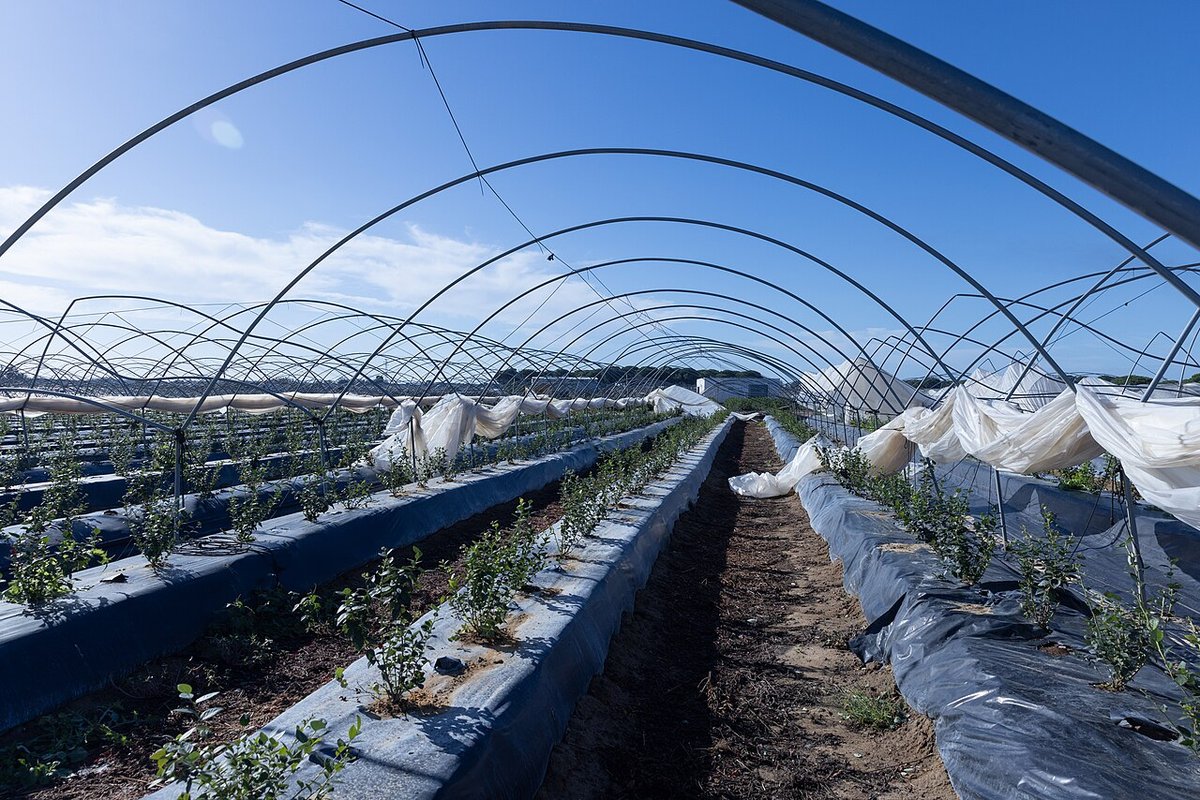
Invernaderos dañados - Lucena del Puerto.jpg
VOX Parlamento de Andalucía · CC0
Andalucía · Passion & Soul

Lucena

Stand beneath the eighteenth-century tower of San Mateo at five past eleven on a Tuesday morning and you will hear two things. First, the baroque c...

43,408 inhabitants · INE 2025
485m Altitude

Why Visit

Sanctuary of the Virgin of Araceli Pearl of Sefarad Route

Best Time to Visit

year-round

Valle Fair (September) mayo

Things to See & Do
in Lucena

Heritage

  • Sanctuary of the Virgin of Araceli
  • Moral Castle
  • Church of San Mateo

Activities

  • Pearl of Sefarad Route
  • Visit to the Sanctuary
  • Furniture and bronze shopping

Festivals
& & Traditions

Fecha mayo

Feria del Valle (septiembre), Fiestas Aracelitanas (mayo)

Las fiestas locales son el momento perfecto para vivir la autenticidad de Lucena.

Full Article
about Lucena

The Pearl of Sepharad is an industrial and commercial city with a notable Jewish and Baroque past, highlighted by its sanctuary and Hebrew necropolis.

Ocultar artículo Leer artículo completo

A Bell Tower Without the Selfie Queue

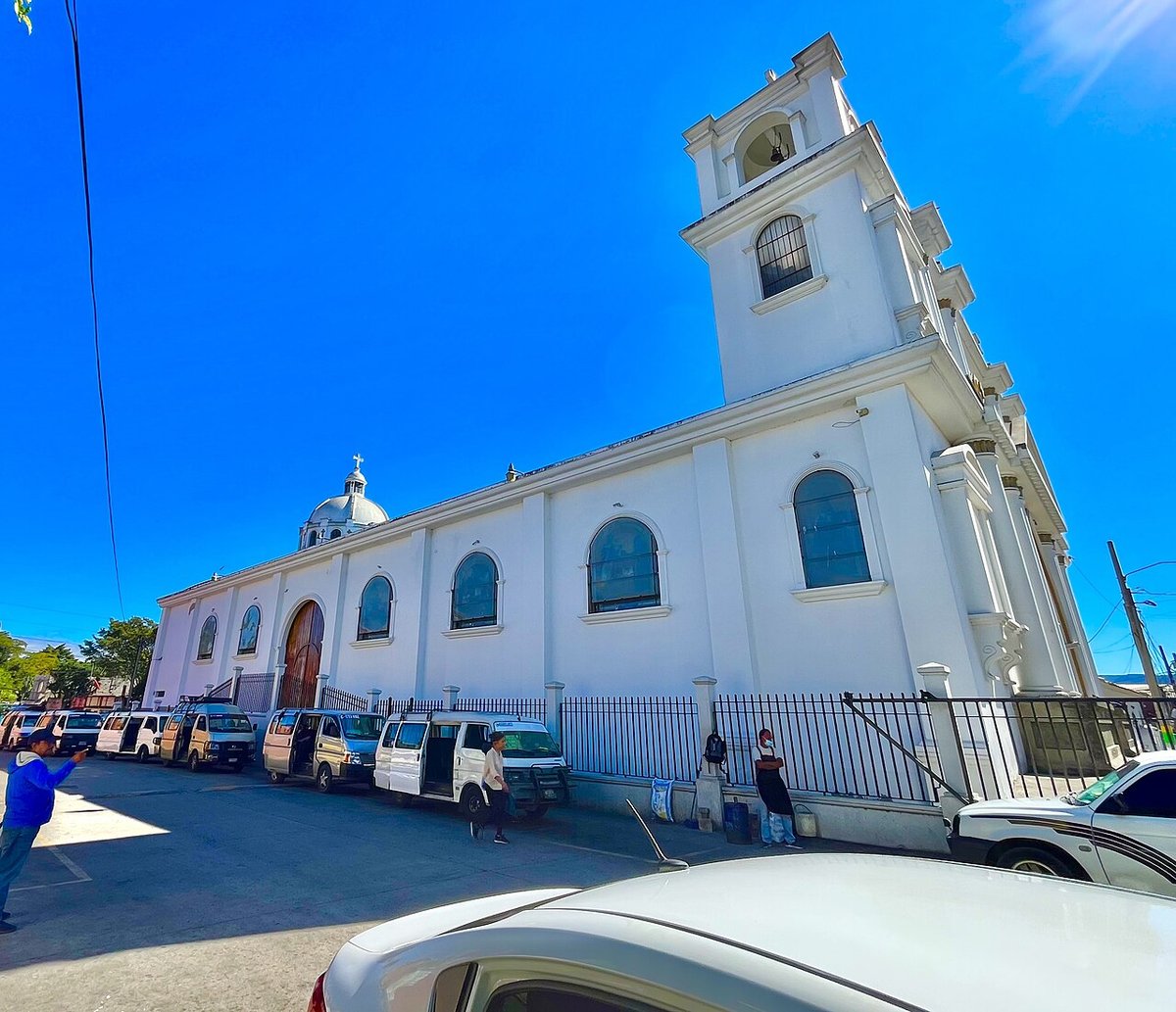
Stand beneath the eighteenth-century tower of San Mateo at five past eleven on a Tuesday morning and you will hear two things. First, the baroque carillon strikes an uneven rhythm that makes pigeons scatter from the roofline. Second, a burst of applause from inside the church: the daily mass has ended, and the congregation—mostly widows in black lace and one teenage altar boy—files out past the carved choir stalls without giving the tower a second glance. No one queues for the rooftop view; no one sells fridge magnets. That is Lucena in miniature: magnificent, matter-of-fact, and almost entirely ignored by the coach-tour circuit.

The city—42,000 people, 485 m above sea-level—sits half an hour south of Córdoba on the A-45, close enough to be convenient, far enough to escape the day-trippers. British visitors usually flash past on the way to Granada, then kick themselves later. Those who do peel off find a place that has been polishing its own identity since the tenth century, when it was the second-largest Jewish community in al-Andalus. The synagogue is gone—replaced by San Mateo itself—but the nickname “La Perla de Sefarad” lingers, kept alive by local historians rather than marketing departments.

Streets That Still Work for a Living

Start at the Plaza Nueva, a rectangle of grey stone warmed by orange trees and the smell of toasted coffee from Bar Central. Market traders set up here every Wednesday: rails of €12 shirts, buckets of green olives, and a stall that will re-heel your boots while you wait. By eleven the square is a tangle of wheeled shopping bags and shouted greetings; by two everyone has vanished, shutters rattling down until the siesta ends. Saturday afternoons are the same—Lucena still obeys the old rhythm, so plan castle visits for the morning and accept that lunch will not appear before half-past two.

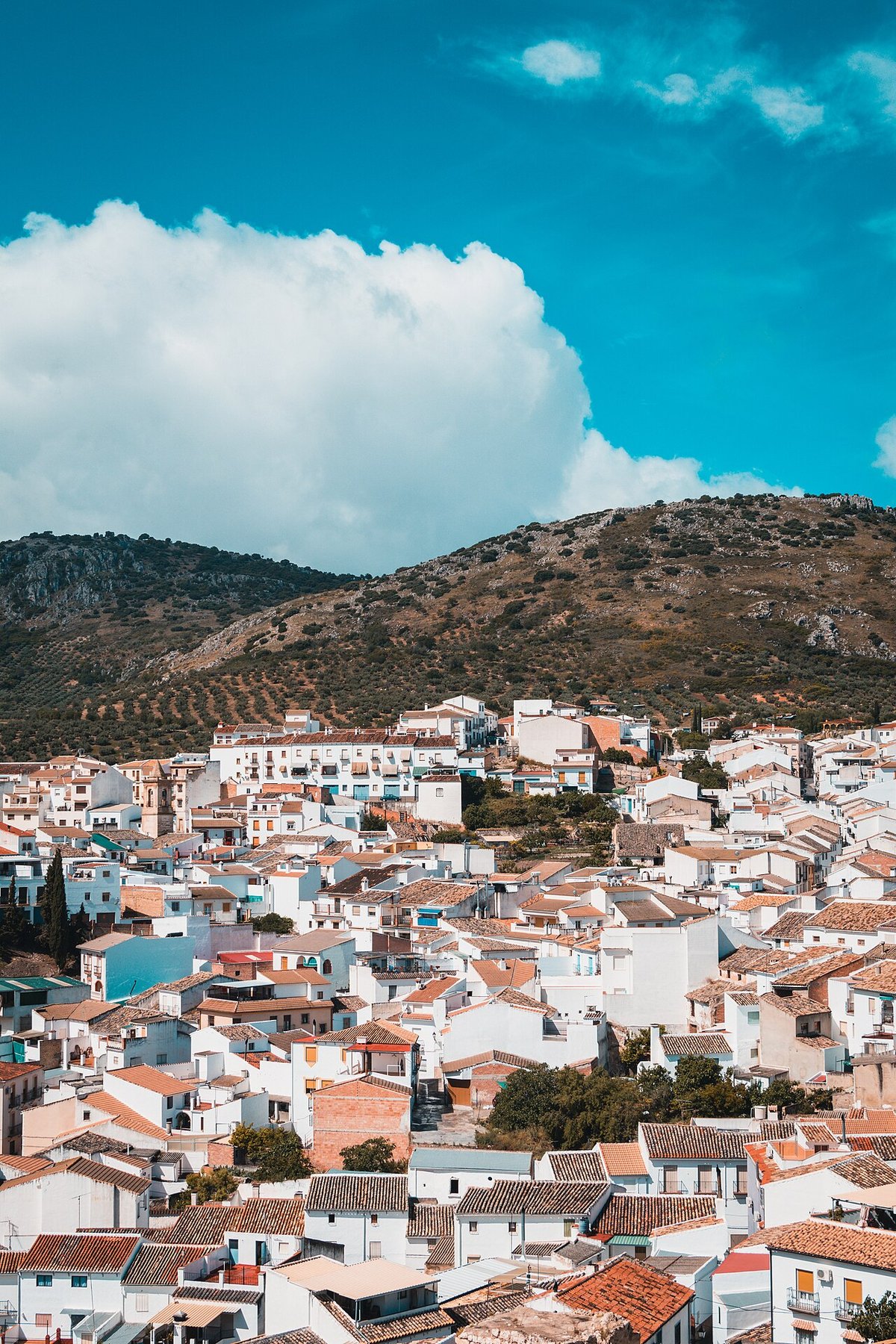
From the plaza Calle San Pedro climbs gently between shoe shops and pastelerías. Halfway up, the Castillo del Moral looms suddenly, its crenellations wedged between a gift shop and a branch of CaixaBank. The eleventh-century fort was once the prison of Boabdil, the last Nasrid king of Granada; today it houses an archaeological museum that is unexpectedly thorough. Entrance is €4, or €7 if you add the Roman pottery works and the Jewish necropolis on the edge of town. Ask at the desk and they will dig out an English leaflet, though the curator prefers to practise his fluent French. Climb the keep for a 360-degree view: a chessboard of terracotta roofs ringed by a moat of silvery olive groves that stretches to the horizon.

Back at street level, duck into the Casa de los Mora, a sixteenth-century palace built by converso merchants who had grown rich on silk and olives. The courtyard is a hush of marble columns and trickling water; upstairs, a temporary exhibition displays nineteenth-century bronze castings from local foundries. Lucena’s metal-workers still export church bells as far as Peru, and if you pass a workshop with the door ajar you will hear the clank of hammer on anvil long after closing time.

Heat, Height and the Occasional Mistake

July and August are brutal. The Subbética range traps the air, pushing daytime temperatures past 40 °C and leaving the stone walls radiating warmth long after midnight. Easter can be golden, but rooms fill with Spanish families doing the Semana Santa circuit. The sweet spot is late September: the light softens, the olive harvest begins, and the Feria de San Mateo turns the fair-ground into a neon arc of bumper cars and fino stalls. In winter the city sits just high enough for morning fog; frost is rare, but bring a jacket if you plan to walk the olive groves.

British drivers sometimes mis-type “Lucena” into the sat-nav and end up in Lucena del Puerto, 200 km away in Huelva. Make sure the route mentions Córdoba, not Seville. Once you arrive, park for free on the Recinto Ferial and walk; the old centre is compact and cobblestones are kinder to shoes than to wheels.

Oil, Doughnuts and a Glass of Something Dry

Lucena does not do twee tapas trails. What it does do is feed you properly. Order a caña in Bar Plaza and it arrives with a plate of salmorejo thick enough to hold your spoon vertical; ask for “con huevo” and they crown it with diced hard-boiled egg and jamón. The local fino comes from Montilla-Moriles, eight kilometres north—palomino grapes fermented without fortification, so the result is lighter than Jerez sherry and perfect with a bowl of berenjenas con miel: aubergine chips sticky with orange-blossom honey.

Follow the locals to Confitería Cañadas on Calle El Peso for bolas de Lucena, pumpkin-filled doughnuts that appear only between October and January. The queue spills onto the pavement on Sunday mornings; by the time you reach the counter the buns are still warm, sugar drifting onto the cardboard like first frost. If you are self-catering, the Wednesday market sells extra-virgin oil with Subbética D.O.P. for €5 a litre—half the price of the souvenir shops on the coast.

For a blow-out lunch, Mesón El Polígrafo in the old convent serves partridge stew and a glass of Crianza for €14. Portions are large enough to split; the waiters will happily wrap leftovers in foil shaped like a swan if you ask.

An Evening Stroll to the Hermita

When the bars close at four, the city exhales. By six the light has turned amber and the stones of San Mateo glow the colour of toasted bread. Walk east along Calle Nueva, past the iron balconies and the hardware shop that still sells brass door-knockers cast up the road, until the street narrows into a path that zig-zags up to the Ermita de la Aurora. The baroque chapel is locked, but the terrace in front gives the best view in town: a tide of olive green broken only by the twin towers of Santiago, a mudéjar church whose brickwork looks almost Tuscan in the fading sun. Swallows stitch the sky, and somewhere below a foundry bell tests its pitch—one clear note that rolls across the groves like a warning and a welcome.

Leave Before You’re Ready

Stay two nights and you will begin to recognise faces: the woman who sells garlic on the corner, the teenager who served your coffee now pushing a pram. Stay three and you start planning a September return to catch the new-oil fiestas, when bakeries pour just-pressed arbequina onto crusty bread and the town hall hands out tasting glasses at noon. Lucena has not mastered the hard sell because it never needed to; its treasures are priced for residents, not for tourists. That is the pleasure—and the risk. Miss the turning, drive on to Granada, and the memory dissolves into motorway signs and souvenir swords. Take the exit, and you will spend the rest of the journey explaining to fellow travellers why no one else has heard of the place.

Key Facts

Region
Andalucía
District
Subbética
INE Code
14038
Coast
No
Mountain
No
Season
year-round

Livability & Services

Key data for living or remote work

2024
ConnectivityFiber + 5G
HealthcareHealth center
EducationHigh school & elementary
Housing~5€/m² rent · Affordable
January Climate9°C avg
Sources: INE, CNMC, Ministry of Health, AEMET

Official Data

Institutional records and open data (when available).

  • Fuente del Coso
    bic Monumento ~0.2 km
  • Castillo del Moral
    bic Castillo/Fortaleza ~0.3 km
  • Ermita de Dios Padre
    bic Monumento ~0.2 km
  • Iglesia de San Mateo Apóstol
    bic Edificio Religioso ~0.2 km
  • Antiguo Hospital de San Juan de Dios
    bic Monumento ~0.4 km
  • Iglesia Parroquial de Santo Domingo
    bic Edificio Religioso ~0.1 km
Ver más (4)
  • Iglesia Nuestra Señora del Carmen
    bic Edificio Religioso
  • Iglesia y Convento de San Francisco de Asis
    bic Edificio Religioso
  • Santuario de Nuestra Señora de Araceli
    bic Monumento
  • Cementerio de Nuestra Señora de Araceli
    bic Monumento

Planning Your Visit?

Discover more villages in the Subbética.

View full region →

More villages in Subbética

Traveler Reviews