Full Article
about Luque
Watchtower of La Subbética crowned by an impregnable castle and ringed by a sea of olive trees with prehistoric caves and a steep-streeted old town.
Hide article Read full article
The castle that watches your arrival
Some places stick in the mind because of a photo seen years ago. Luque works differently. It tends to catch people off guard when they arrive and spot the castle above, fixed to the rock as if someone chose the most awkward possible spot and built a fortress there anyway. The reaction is fairly predictable: you park, look up, and start walking.
The Castillo de Venceaire dominates the view from the first moment. It has Andalusí origins and, as often happened in this part of Spain, it was later altered after the Christian conquest. What remains today is a ruin with presence, fragments of wall cutting across the rock and enough structure left to suggest its former scale.
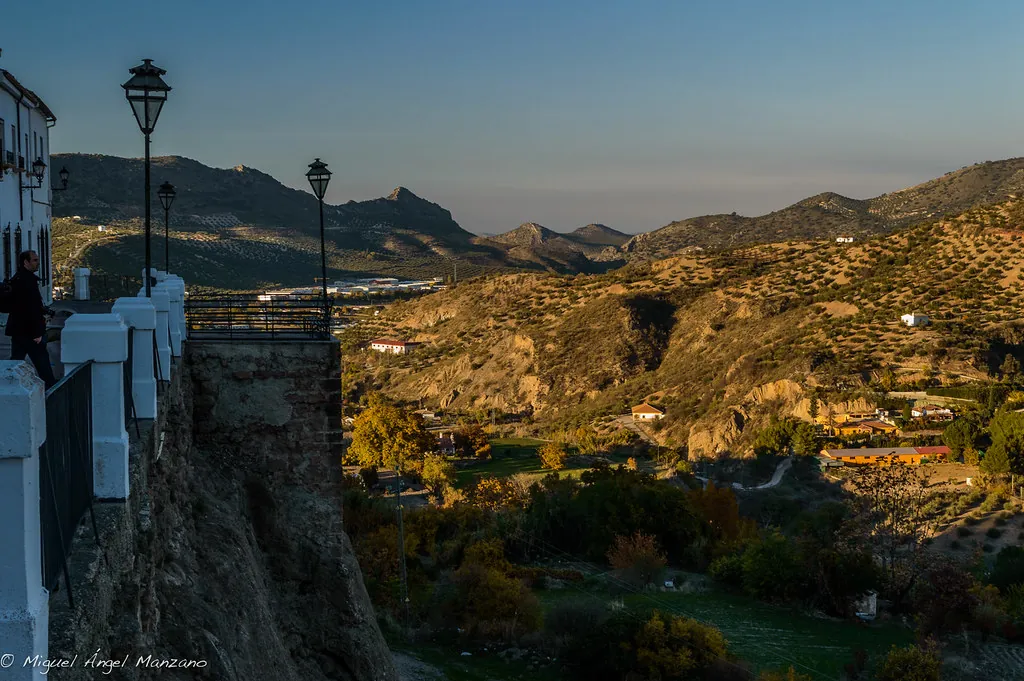
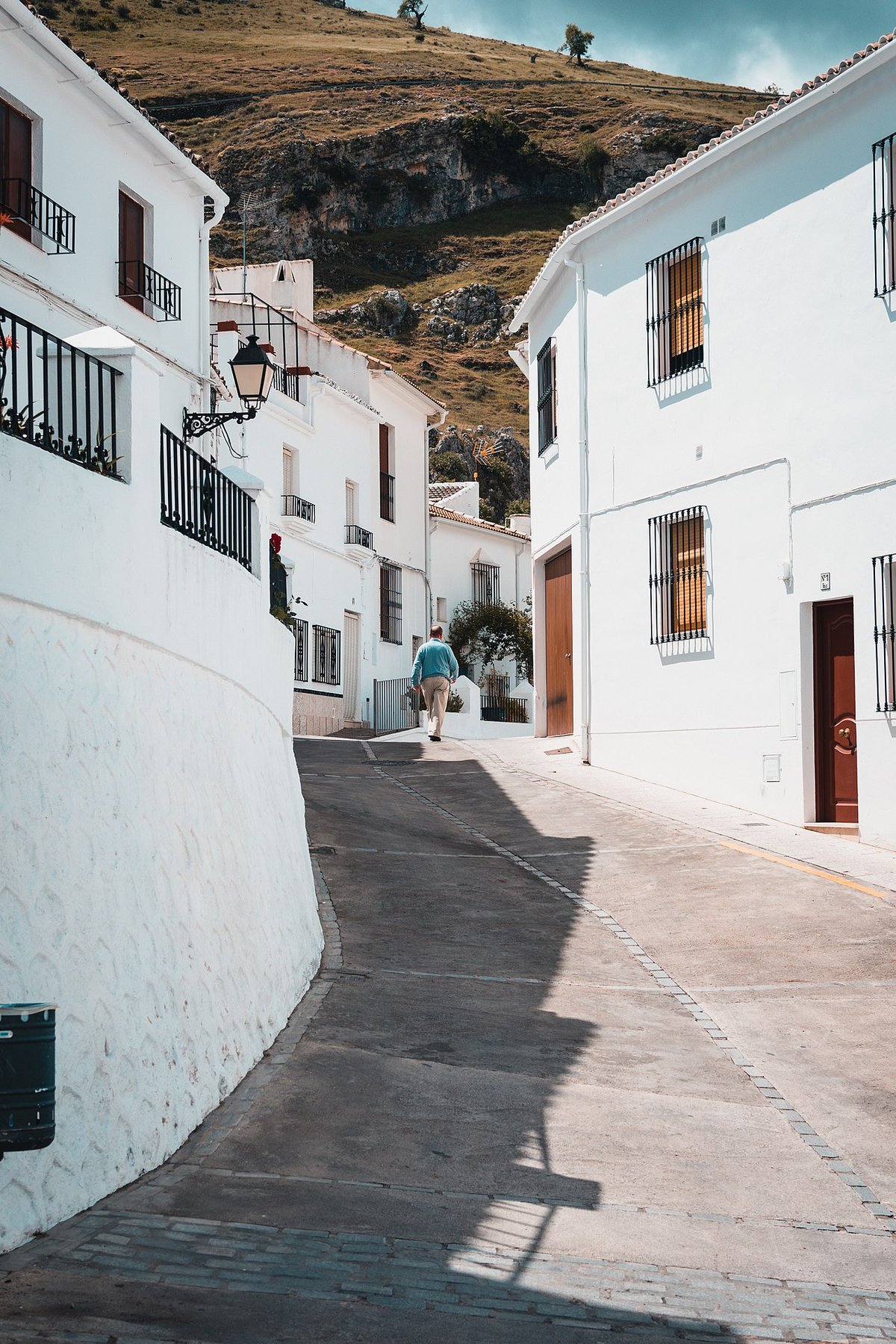
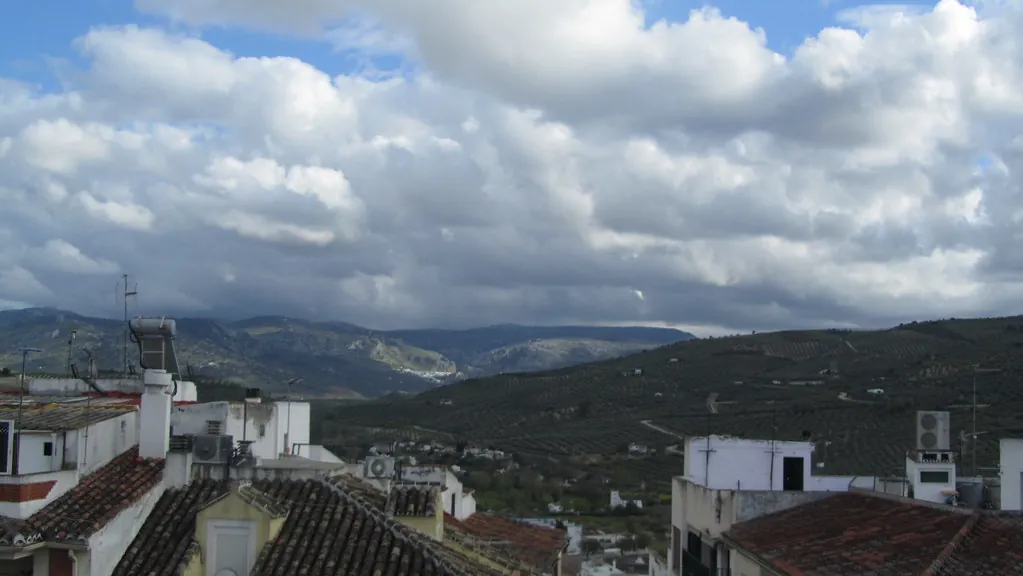
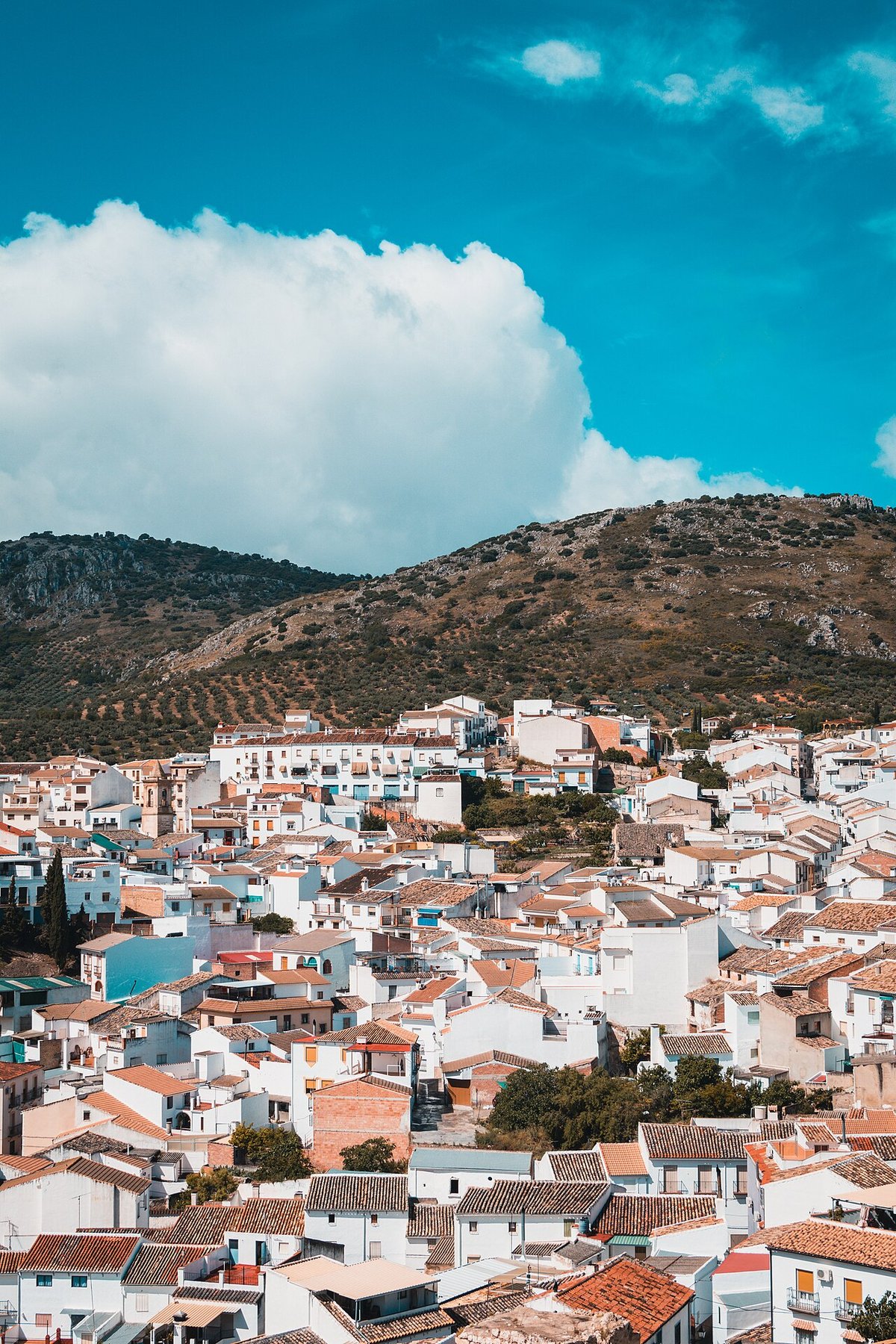
The walk up is short, though it has a slope that feels steeper halfway through than it did from below. It is still worth the effort. From the top, Luque spreads out as a fan of white houses clinging to the hillside, with the surrounding sierra closing in around the view.
It is the kind of place where time stretches without much effort. First comes the photo, then another, then a pause that lasts longer than planned while looking out over the valley.
Food that follows its own rules
Luque does not revolve around modern culinary ideas or elaborate presentation. The focus is simpler and more direct: home-style cooking that fills the table and leaves little room for anything else.
Morcilla de calabaza is one of the dishes that catches people off guard. It has a slightly sweet flavour, often includes nuts, and sits somewhere between savoury and something close to a dessert. It is unusual enough to make you pause and think about what you are eating.
Salmorejo appears here too, thicker than in other parts of Andalucía. It is more substantial, closer to a meal than a light starter.
Then there is olla subbética, which matches the idea of traditional rural cooking: slow preparation, local ingredients, and a spoon as the only tool you really need.
The honey from this part of the Subbética has a strong reputation. It is the sort that explains why so many homes keep a jar in the cupboard once you have tried it.
A quiet lagoon just outside
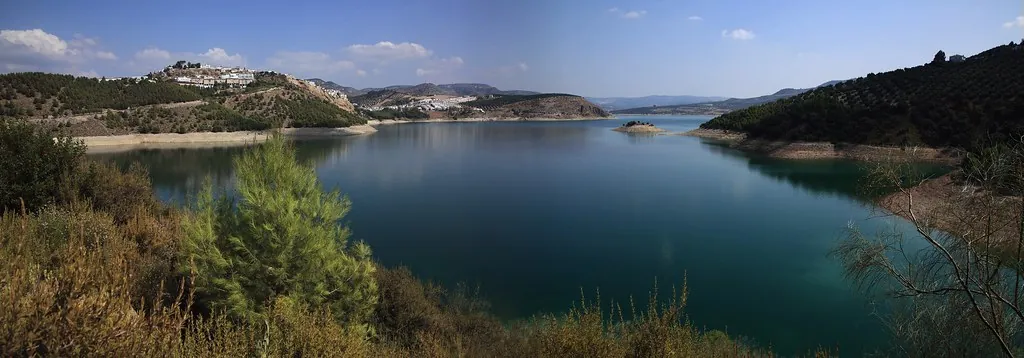
Around three kilometres from the village sits the Laguna del Conde. The name has a slightly literary feel, though the reality is a calm wetland with easy paths and spots where people stop to watch birds.
The terrain is gentle, suited to walking without much effort or planning. It is the kind of place where distance passes almost unnoticed during a conversation. At certain times of year, migratory birds arrive, and it is common to see people with binoculars and long camera lenses focused on the water.
Spring is often a particularly good moment to visit. There tends to be more bird activity, and the surrounding countryside feels more alive.
A place that has changed hands over time
Luque has a long history behind it. There was Roman presence in the area, followed by its role during the Andalusí period, when the fortress overlooking the town was built.
After the Christian conquest in the 13th century, control of the town passed through different hands and noble families. Their presence still lingers in documents, in street names, and in local stories that continue to circulate.
This is not a town filled with large monuments. Instead, history appears in smaller fragments: a tower here, a section of wall there, a street that suddenly becomes steeper than expected.
Visiting without overthinking it
Spring is often a good time to come. The surrounding sierra turns green, the air carries the scent of low vegetation, and walking through the town is more comfortable than in the height of summer.
In August, Luque celebrates the fiestas of San Bartolomé. They bring a lively atmosphere, along with higher temperatures and more people than usual.
If arriving by car, it is easiest to leave it at the edge of the old centre. The streets inside are narrow and require slow driving, often with the sense that another vehicle might appear at any moment.
The castle is best tackled in the morning if possible. By midday, the Subbética sun can be intense, and the uphill walk loses some of its appeal.
Luque is not a place designed for days of rushing between sights. It fits comfortably into a single day, or two if there is time to walk in the sierra or visit nearby towns such as Zuheros, which lies a short distance away.
As a stop along a wider journey, it works especially well. The kind of place you expect to pass through quickly, only to find it stays in your memory longer than planned.