Full Article
about Priego de Córdoba
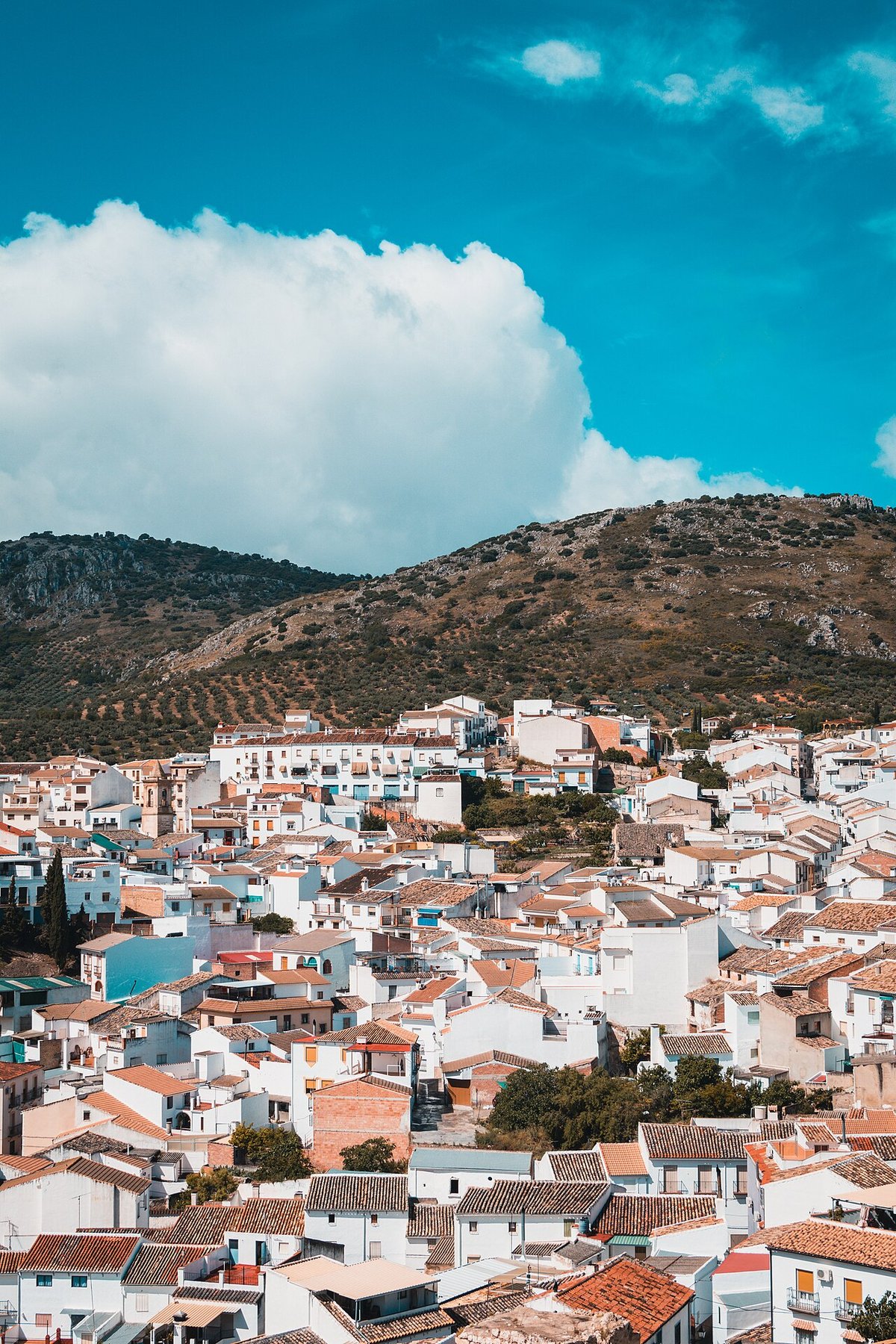
Jewel of Córdoba baroque with many churches and the monumental Fuente del Rey in a striking landscape at the foot of the sierra.
Hide article Read full article
A morning that begins before the sun
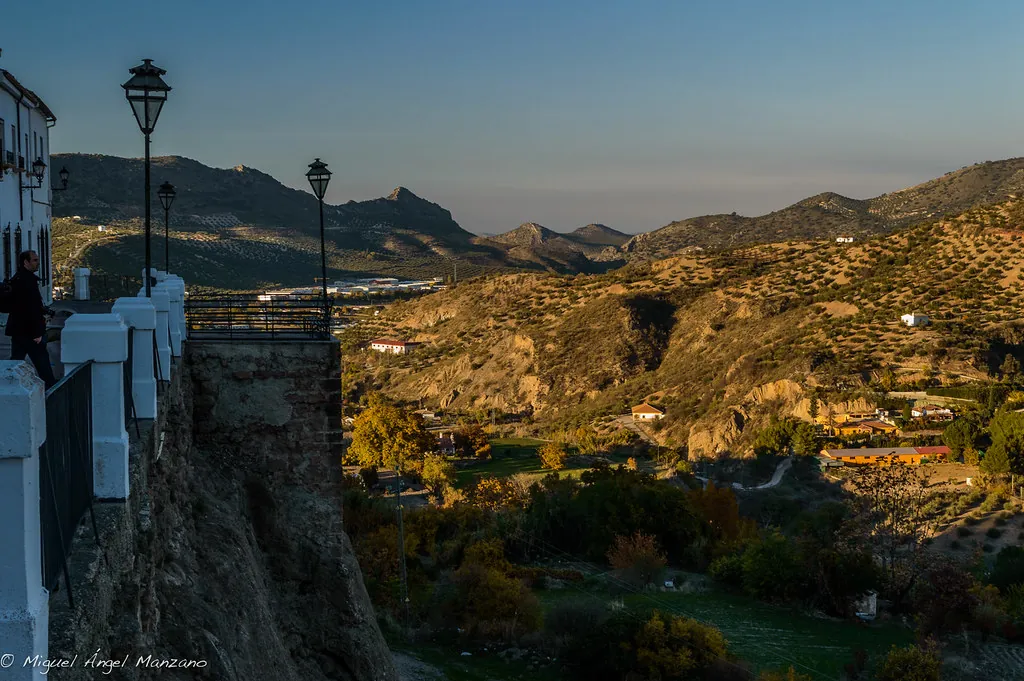
The bells of the Asunción strike eight while the sun is still edging its way over the vega of the Adarve. From the stone balcony comes the scent of new olive oil, mixed with the cool air from the river Salado and something softer: bougainvillea spilling down the whitewashed walls of the Barrio de la Villa. Down on Calle Río, a woman lifts the shutter of the house where Alcalá‑Zamora was born and lets washing water run along a narrow stone channel. Tourism in Priego de Córdoba often begins like this, with the town only half awake and the streets close to silent.
It is a place that reveals itself slowly. The first sounds are small ones, a door opening, a broom against the ground, water moving where it always has. The light takes its time too, sliding across the facades and catching on balconies and corners before settling fully into the day.
The scent of olive oil in the air
Walking through Priego means breathing in olives, not as an image but as work. In winter, when the harvest is under way, the air around the town carries the smell of crushed leaves and damp olive stones. This area produces one of the best-known oils in the Subbética, protected by a denomination of origin, and it is tasted in the simplest way: bread, freshly opened oil, little else.
In many homes, dipping straight into a deep plate is still common, or a small glass is served to try it on its own. In the bars around the centre, especially near Calle del Peso, salmorejo often arrives with a generous pour of extra virgin oil on top. It is part of the everyday rhythm rather than a special occasion.
Come in spring and conversations about olive varieties are easy to overhear, spoken with the same ease as the weather. The countryside begins to shift in colour then, the green turning lighter, almost brighter, as the season changes. The link between town and land is constant and visible, never far from daily life.
Streets that fold in on themselves
The layout of the Barrio de la Villa still follows the old medina. Streets twist, narrow and climb without warning. At times, two people have to press themselves against the wall to pass each other. The cobbles are worn smooth by centuries of footsteps, and in places the whitewash on the walls gives way to older brick beneath.
Early in the morning, the smell of freshly baked bread drifts from several corners of the neighbourhood. Activity begins early and lasts as long as that day’s dough. The pace feels set by routines that have not changed much.
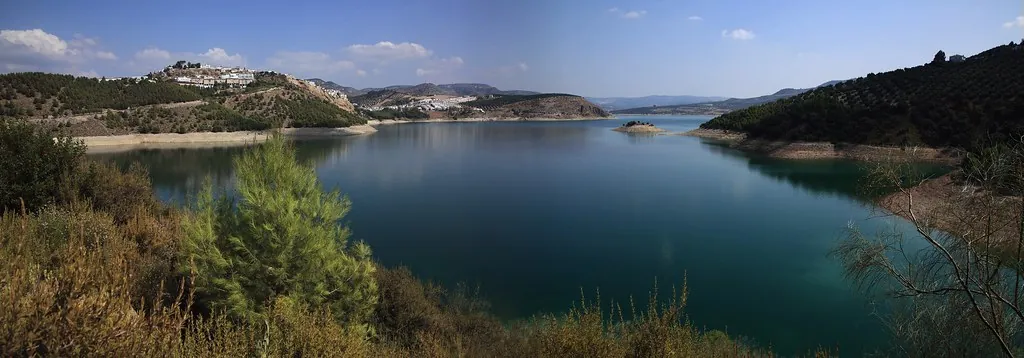
Keep heading uphill and you reach the area of the castle. Not much remains standing, but the position explains everything about where Priego sits: a vast expanse of olive groves stretching out towards Cabra and other towns in the Subbética. The land rolls gently, almost like waves, until it disappears into the distance.
Later in the day, when the sun drops lower, the silver undersides of the olive leaves catch the light. The whole valley seems to shift slowly with the wind, as if moving in unison. It is a quiet kind of movement, easy to watch without feeling the need to move on.
Baroque interiors and shifting seasons
Stepping into the Sagrario changes the scale completely. Outside, the town is all white walls and stone; inside, baroque decoration takes over. The ceiling is filled with paintings, reliefs and gold details that keep your head tilted upwards for a while. Angels, painted columns and garlands cover nearly every surface, leaving little space for the eye to rest.
There is a faint smell of wax and old incense. Underfoot, worn marble slabs creak slightly as people walk across them, shaped by generations of use.
If your visit coincides with Corpus, the atmosphere in town shifts. Some streets are covered with temporary decorations and aromatic plants, and the scent of rosemary mixes with that of fried sweets prepared for those days. The change is noticeable without needing to look for it.
Summer in Priego can be intense. In August, the heat presses down hard and by midday the streets are almost empty. Spring and early autumn are easier to enjoy, with longer evenings and a different tone to the surrounding countryside.
In September, the songs of the Auroros can sometimes be heard at night as they walk through certain streets, a very old tradition that continues. In December, around the feast of San Nicasio, the town’s ovens fill the air with the smell of piñonate, a dense sweet made with honey and pine nuts, cut by hand rather than sliced neatly.
Winter visits call for good footwear. The slopes around the Adarve and the cobbled streets can become slippery when temperatures drop.
Before leaving, it is worth heading to the Fuente del Rey at sunset. Water flows from dozens of spouts, filling the square with a constant murmur. As swallows begin to circle among the trees and the stone cools after the day’s heat, the pace of Priego softens for a while. It is something you notice in the air itself. Time here does not rush. It filters through, like the water of the fountain.