Full Article
about Rute
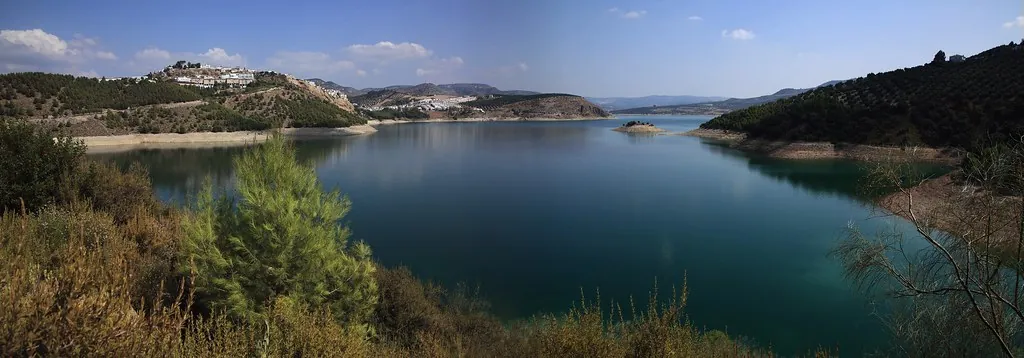
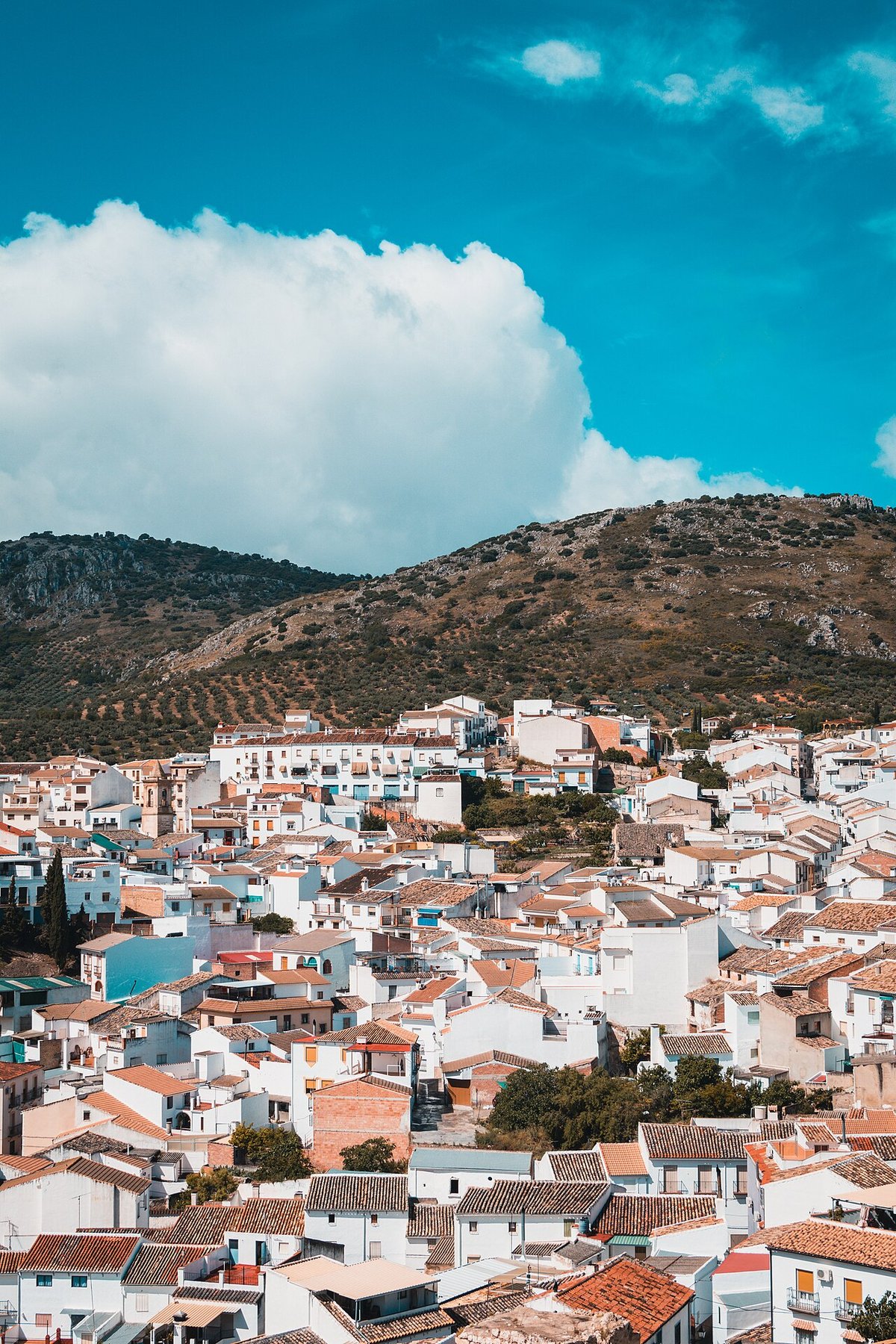
Town famous for its Christmas anise sweets and gastronomic theme museums, set beneath the sierra that bears its name and overlooking the reservoir.
Hide article Read full article
The Road to Rute Smells Like Christmas
You know you're getting close when the air changes. It's not the dry, olive-scented breeze of the Subbética. It's sweeter, heavier. It smells like someone left the lid off a tin of aniseed sweets and a bar of dark chocolate in a warm car. That's your welcome to Rute.
This isn't a town that hides what it does. The first thing you'll likely see, after the white houses stacked on the hill, is a billboard for a chocolate nativity scene. It sounds like a gimmick, but it sets the tone.
A Morning in a Town of Sugar and Firewater
Start at that chocolate belén. It’s bigger than you think, and standing in a cool room staring at an entire village made of edible gloss does something to you. You’ll catch yourself wondering about the melting point. The person at the door has seen that look a thousand times.
From there, just follow your nose to a distillery. They're as common here as banks are elsewhere. Stepping inside is like walking into a warm, fragrant cloud of anise. The process hasn't changed much in centuries, and they'll tell you about it while casually offering a tiny glass at 11am. You say yes. It tastes like liquid fire with a sugar coating, and it’s better than any coffee.
Rute’s museums are basically product showcases, but done with serious craft. There’s one for ham, one for anise, one for sugar work. You’ll see figures sculpted from marzipan with more detail than some marble statues. It’s impressive and slightly absurd in the best way.
Walking Off the Anise
You’ll need some air after all that sweetness. The climb up to El Hacho is the local reset button.
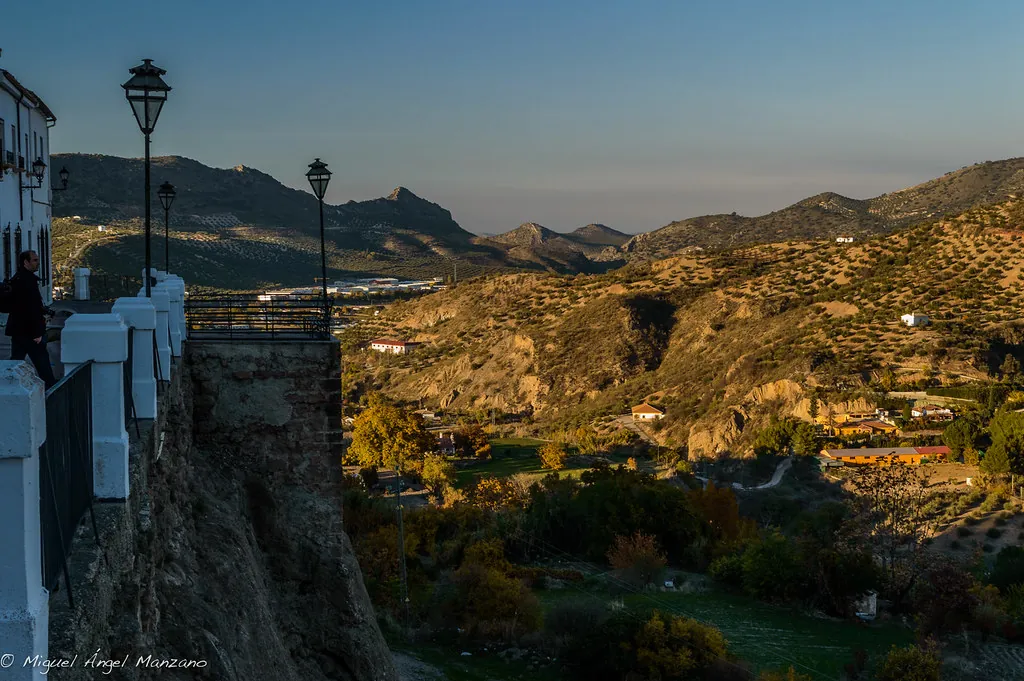
It’s not a tough hike, but it’s steady. The paved path zigzags up, and with every turn Rute shrinks below you until it looks like a toy town dumped from a bag of sugar cubes. At the top is an old watchtower called El Canuto. The tower is fine, but you're here for the view.
From here, you see what Rute really sits in: an endless, rolling sea of olive trees that goes right to the horizon. On a clear day, you can spot the glint of the Iznájar reservoir tucked between distant hills. On your way down, you'll pass people carrying shopping bags from the confiterías. Nobody leaves empty-handed.
How Rute Actually Lives
Locals talk about their ham with a quiet pride that borders on reverence. They'll mention Cervantes wrote about it. Whether he did or not isn't really the point; they believe he did, and that conviction is part of the recipe.
December is when the town hums. People come for turrón and anise, and the streets fill with spontaneous groups singing villancicos with guitars and zambombas. They'll wave you over for a drink without knowing your name.
But come summer, they do their own thing again. For the romería del Carmen, half the town packs up their cars with cool boxes and chairs and heads up to the sanctuary on the hill. It's less of a spectacle for outsiders and more just where everyone decides to have lunch that day.
So What's Left?
Rute won't give you postcard-perfect plazas or Moorish castles like other Andalusian pueblos. What it gives you is more direct.
You come here to taste things straight from the workshop floor, to walk up a hill for a view over olive country, and to be in a place that makes its living from flavour alone. Your job is just to show up with an appetite and some space in your boot.
It's like visiting that friend whose house always has something interesting on the kitchen counter. You might not plan your whole trip around it, but you're always glad you stopped by