Full Article
about Zuheros
One of Spain’s prettiest villages, perched on rock, with an Arab castle, the famous Cueva de los Murciélagos, and artisan cheeses.
Hide article Read full article
A village that looks almost unreal
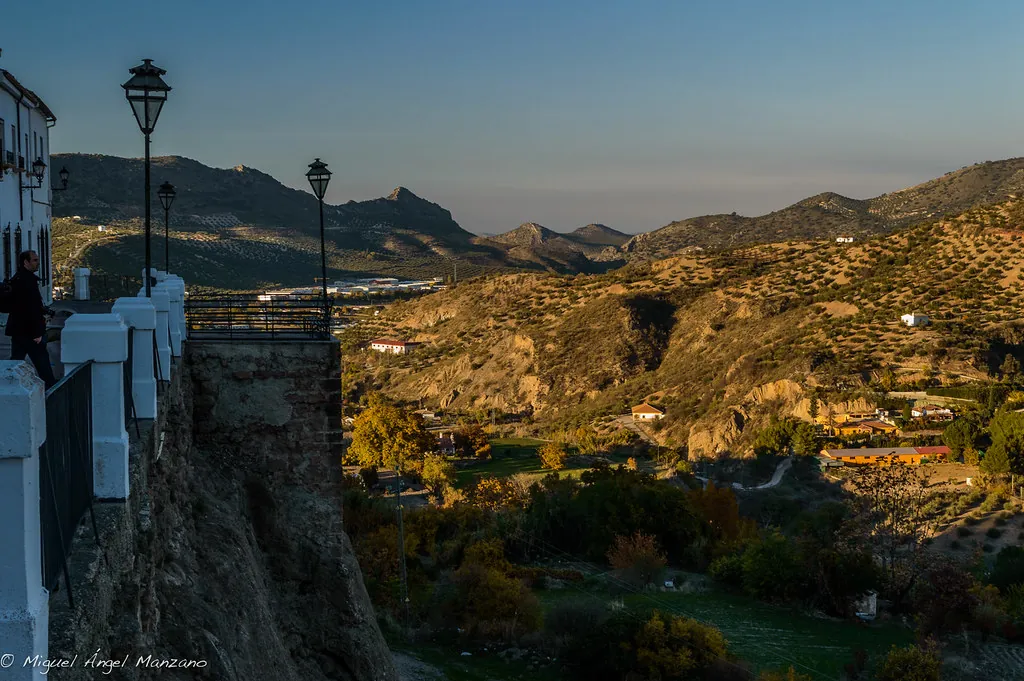
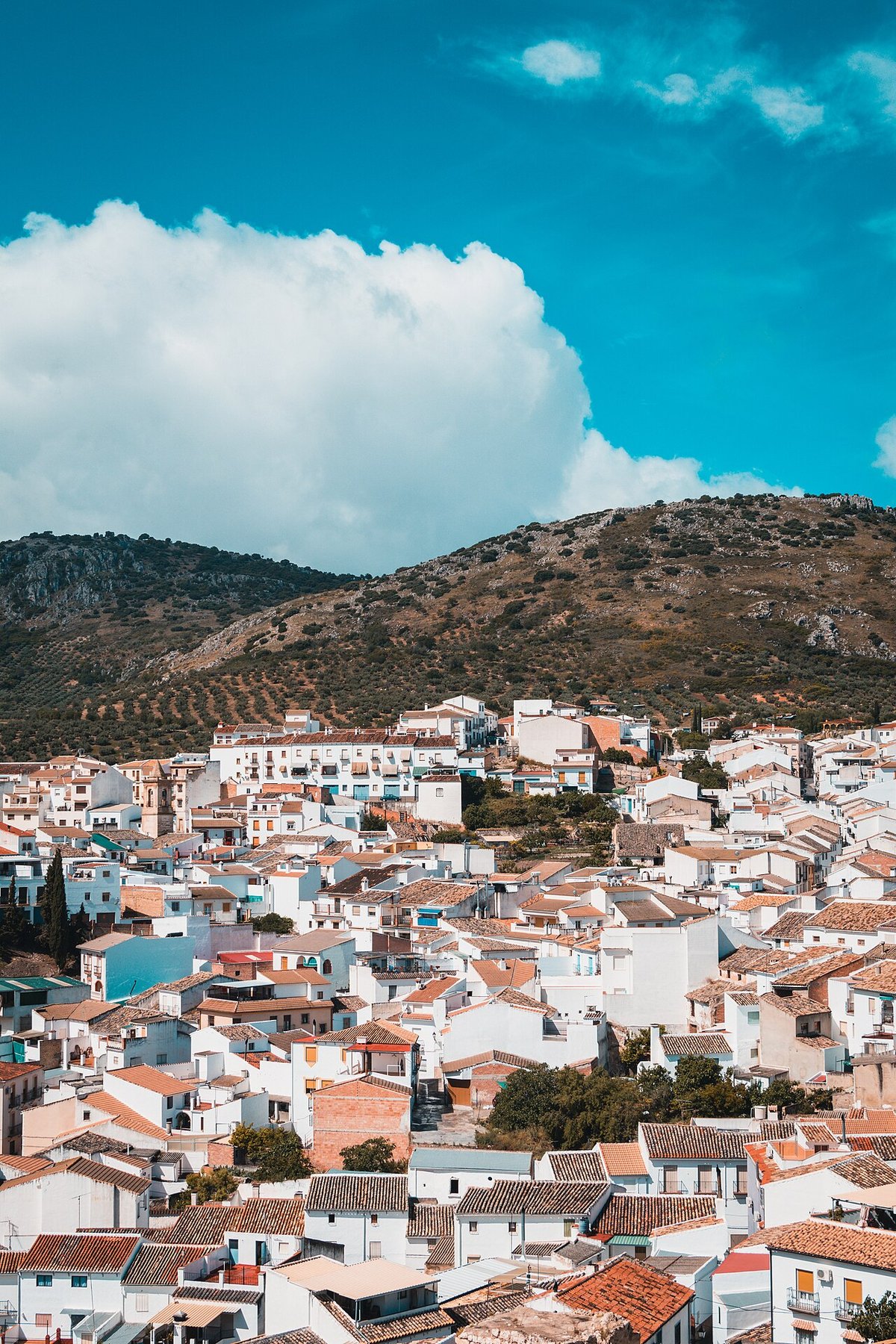
Some places look better in photos than they do in real life. Zuheros tends to work the other way round. You arrive along the road, spot the rocky outcrop and the white houses clinging to it, and the whole scene feels slightly improbable, as if it shouldn’t quite exist in that form.
This is one of the smaller municipalities in the Subbética area, with roughly six hundred residents. The pace becomes clear almost immediately. Streets are quiet, traffic is scarce, and there’s that particular kind of silence where conversations carry across a square without effort.
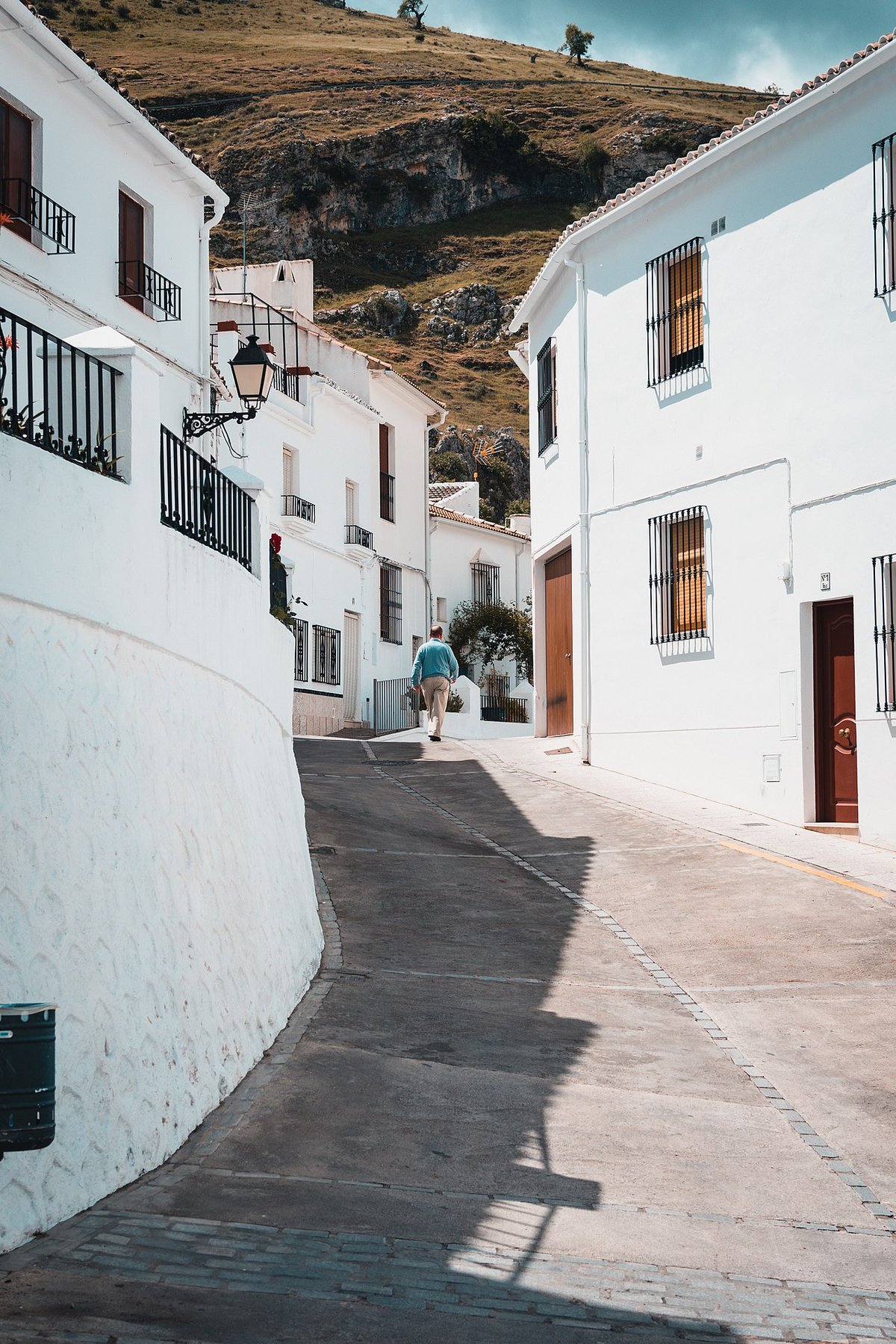
The name Zuheros is often linked to an Arabic word meaning something like “small rock”, which makes perfect sense when seen from below. The houses press tightly against the limestone, as though placed there one by one with patience. The old quarter is protected, and it shows: narrow streets that rise and fall, bends that shift your perspective every few steps, and the occasional viewpoint appearing when least expected.
Human presence here stretches back a long way. Important prehistoric remains were found in the Cueva de los Murciélagos, evidence that these hills provided shelter thousands of years before the village took shape. Later, during the Andalusi period, the fortress was built on the rock. It still dominates the skyline and explains why the settlement developed exactly here.
Walking through Zuheros
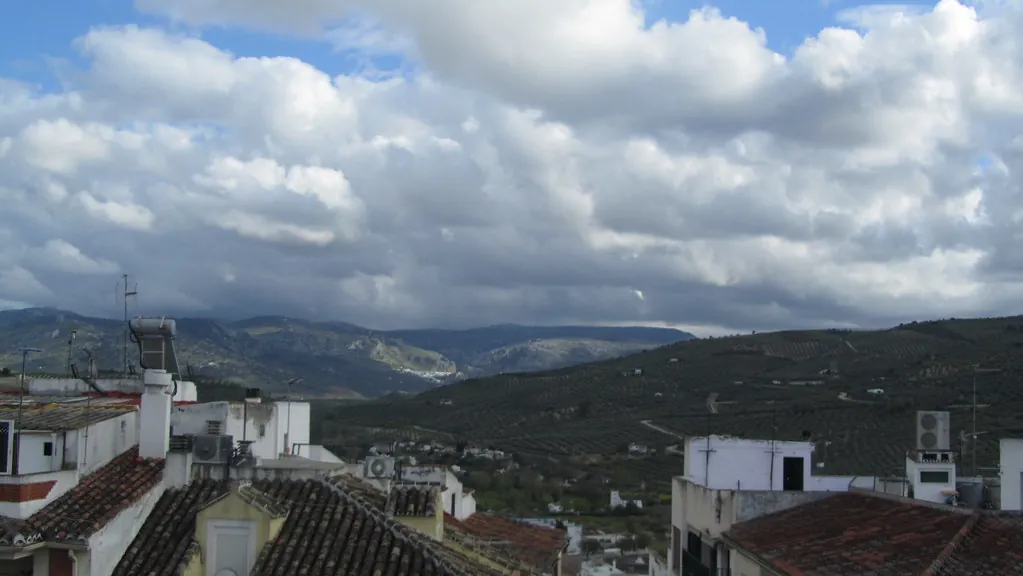
The castle of Zuheros defines the village’s outline. It isn’t especially large or imposing, but it does what it needs to do: remind you that this was once a defensive site and offer wide views over the Subbética landscape. From the top, the view stretches across what looks like a sea of olive trees, broken up by limestone ridges that rise sharply from the الأرض.
Inside the castle there is usually a small interpretative space about the landscape and local history. It helps put things into context, though much of it becomes clear simply by looking around.
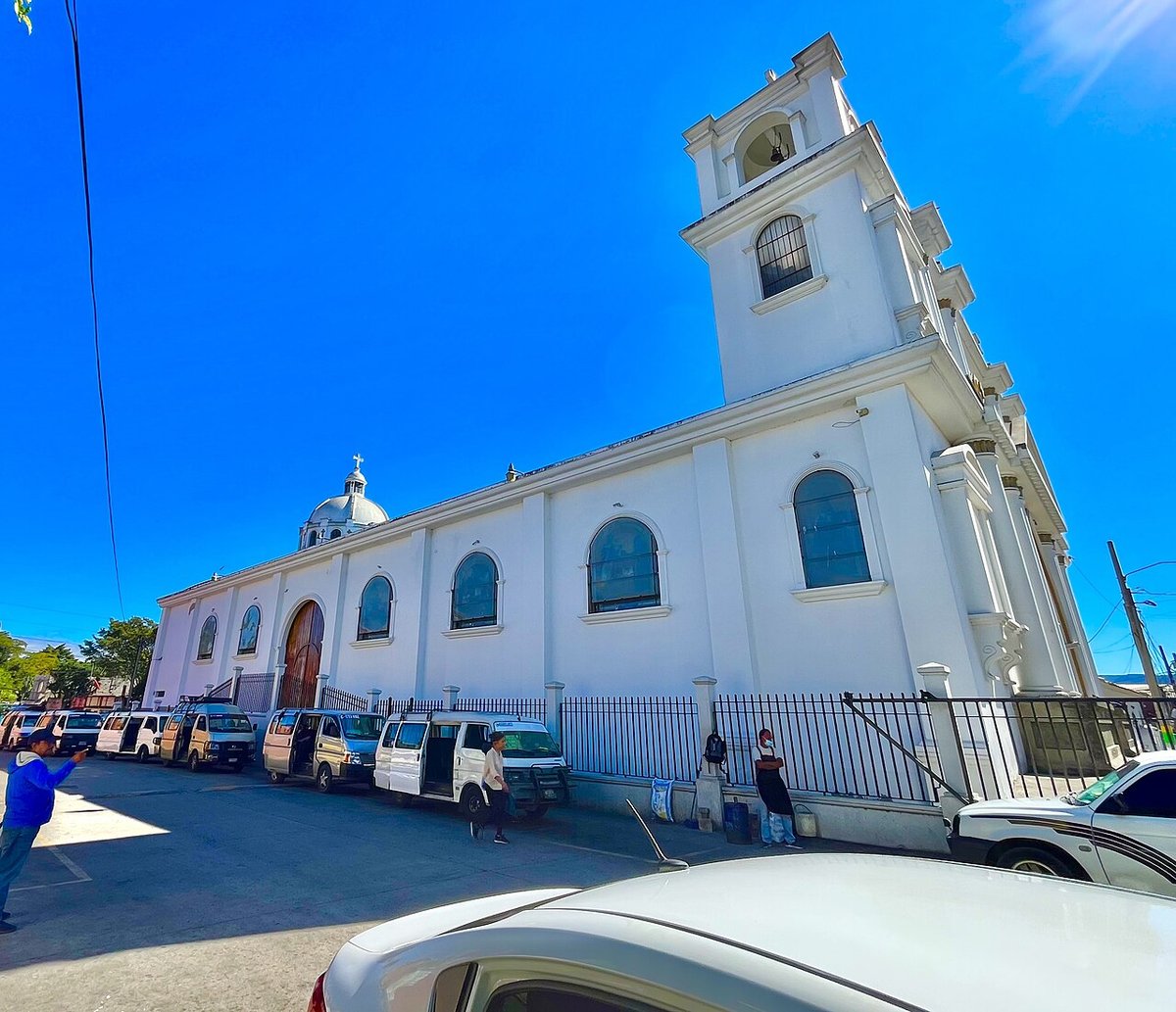
A short walk away stands the Iglesia de los Remedios, built on the site of a former mosque. It’s a simple church, in keeping with the scale of the village. The bell tower appears above the rooftops and works as a reference point when moving through the streets.
The Museo Arqueológico is modest and quick to visit, but it makes sense if you’re planning to head to the cave afterwards. It gathers pieces found in the area, including prehistoric tools and ceramics, and gives some background to what was happening here long before the current streets existed.
Then there is the Cueva de los Murciélagos, probably the best-known site in Zuheros. Visits are guided and involve some physical effort: stairs, humidity, and a route underground that is far from flat. In return, you see striking formations of stalactites and stalagmites, along with one of the most important prehistoric sites in the area.
The old quarter doesn’t take long to cover, but rushing misses the point. It’s better to wander without a fixed plan, take a street that looks steeper than expected, and see where it leads. Often, it ends at a small viewpoint or a square where the village opens out towards the valley.
A practical note: if arriving by car, it’s usually easier to leave it in the lower part and continue on foot. The central streets are narrow and not designed for circling around in search of a space.
Stepping out into the Subbética
Zuheros sits within the Parque Natural de las Sierras Subbéticas, so heading out for a walk is almost the most natural thing to do here.
One of the best-known routes is Los Tajos y Lapiaces. It crosses a karst landscape with unusual shapes, where the rock is marked by cracks and grooves, as though it had been scratched over centuries.
There are also paths that follow the río Bailón through a narrow valley with Mediterranean vegetation. It’s the kind of route that encourages you to keep going just a little further, curious about what lies beyond the next bend. In summer, starting early or taking it slowly makes a difference because of the heat. After heavy rain, some sections can change quite a bit.
The rocky cliffs around the village attract climbers as well. Even without practising the sport, the walls make it clear why people come here for that purpose.
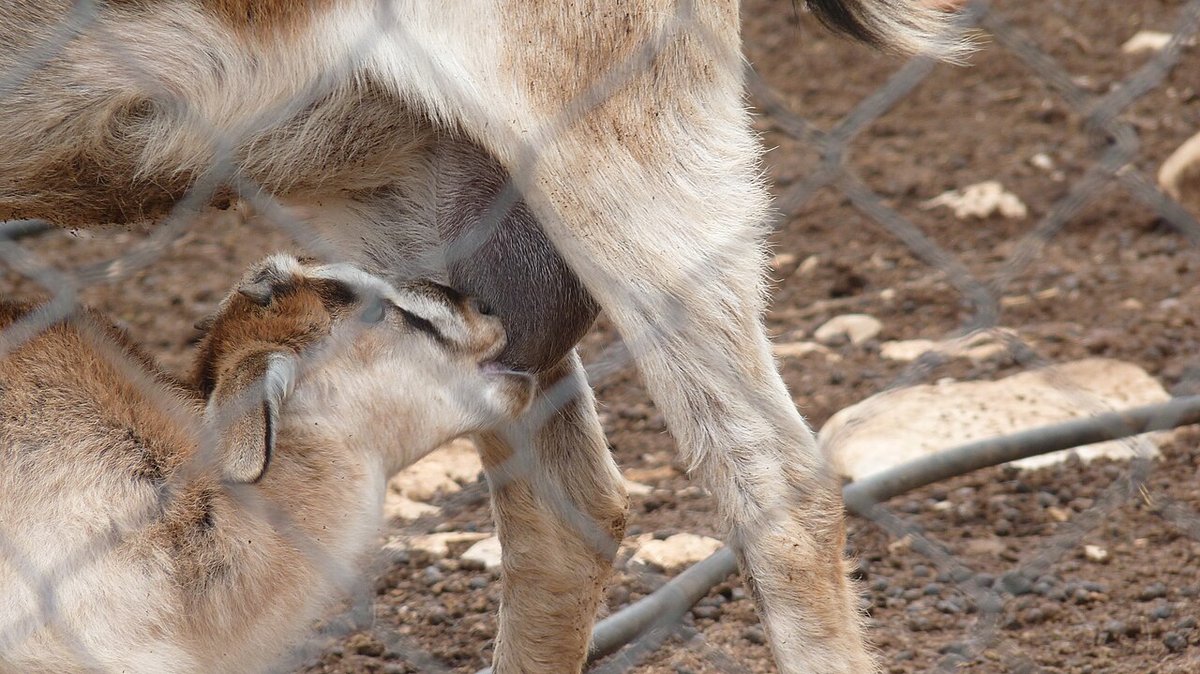
And then there’s the part that rarely disappoints in Córdoba: the food. In many places around the village, you’ll find hearty dishes typical of the sierra. Chivo al horno appears frequently, as do migas or gazpacho when the heat sets in. All of it is accompanied by extra virgin olive oil from the area, used generously rather than sparingly.
Traditions that still feel local
Festivities in Zuheros keep a distinctly local character, more in line with community celebrations than large-scale events aimed at visitors.
The article cuts off here, but even from what is clear, the tone of these occasions remains rooted in everyday village life rather than something staged.