Full Article
about El Pinar
Municipality made up of Pinos del Valle and Ízbor; known for its views over the Béznar reservoir and citrus production.
Hide article Read full article
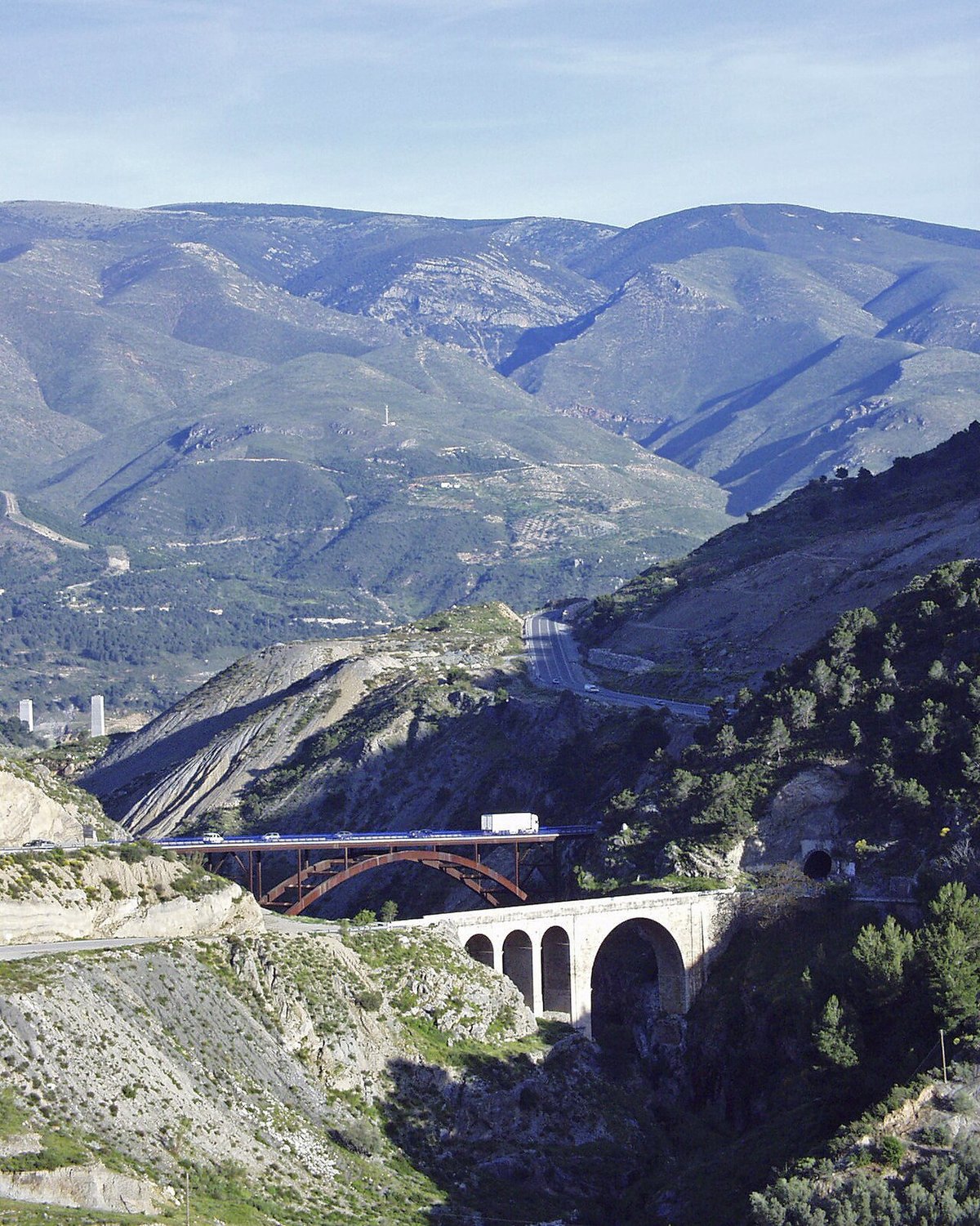
You know that feeling when you’re driving somewhere and the road just tells you to relax? The road into the Valle de Lecrín does that. By the time you see the white blocks of El Pinar tucked in the orchards, you’ve already downshifted. Roll down the window—if it’s morning, it smells like wet soil and orange blossom. From Granada, it’s a straight shot, less than an hour if you don’t get stuck behind a tractor on the last stretch.
This isn't a big place. A thousand people or so, the kind of size where a new face gets a glance. Nothing feels staged here. The rhythm is its own. The parish church of Nuestra Señora de la Candelaria sits in the middle like a town clock: functional, unpretentious, and where you'd meet someone if you had to.
Calles sin pretensiones
The streets are narrow and to the point. Whitewashed walls, rejas on the windows, patios spilling over with geraniums in plastic pots. You’ve seen this before in Andalucía, but here it doesn’t feel like a postcard set—it just feels like someone’s house.
The main square has its moments. It’s not buzzing non-stop; it breathes. In the late morning you might find a couple of neighbours having a chat that lasts an hour, or someone stopping on their way back from the panadería. The best bits are the ones no tour would point out: an abuela cleaning greens on her doorstep, an old man with his newspaper while his dog naps in a square of sun.
It's all very normal. And that's precisely why it works.
Paseos entre naranjos
El Pinar is wrapped in citrus groves. When those trees flower, the whole village smells like azahar. If you walk up any of the tracks towards the surrounding lomas, the valley opens up below—a patchwork of terraced fields stitched together by ancient acequias.
There are senderos linking El Pinar to other villages in the valley. Locals use them for their paseo or to check on their land. Don't expect signposted hiking trails; these are farm tracks. They're gentle, made for ambling, not for breaking a sweat. In summer, go early or late: the sun is serious and shade can be scarce.
You don't need to be a birdwatcher to enjoy it either. Just notice the chatter from the hedgerows, or the way water trickles through those stone channels. It's background music.
Comida de la tierra
In a village like this, what's on the table comes from what's outside the door. Huerta vegetables, olive oil that has character, and dishes built for cooler evenings.
A lot of homes still cook like their grandparents did: pucheros de habas verdes, potajes de invierno, pan de hogaza. The torta de almendra is a fixture here—the kind of dense almond cake that appears for Sunday lunch and doesn't last long.
Then there are the olives. Come autumn, everyone seems to have a crate or two on their patio for curing. Every family has their own aliño.
El año tiene su compás
The big fiesta is for la Virgen de la Candelaria in summer—when half the village seems to return home from wherever they live now. There's a procession, music in the plaza, and that specific buzz of people catching up.
Spring is when everything wakes up visibly: green shoots everywhere and more movement in the fields again. These aren't events put on for you; they're just how this place marks time for itself.
Llegar y parar
From Granada take motorway towards Motril/coast (A-44), exit at Vélez de Benaudalla/Lecrín (Salida 164). From there follow local roads through Padul and Dúrcal into Valle de Lecrín. El Pinar won't give you a checklist. It's more one of those places where you park your car near church (there's usually space), walk around 20 minutes until your shoulders drop completely then find bench watch life happen at its own speed. Sometimes that's exactly what needed