Full Article
about El Valle
Municipality that includes Melegís
Ocultar artículo Leer artículo completo
The irrigation channel outside María's courtyard runs at exactly 8 centimetres deep. She's measured it every morning for forty-three years, ever since her father taught her how the Moorish water rights system works. In El Valle, these measurements matter more than clock time—when water flows to your plot, you irrigate. When it doesn't, you wait.
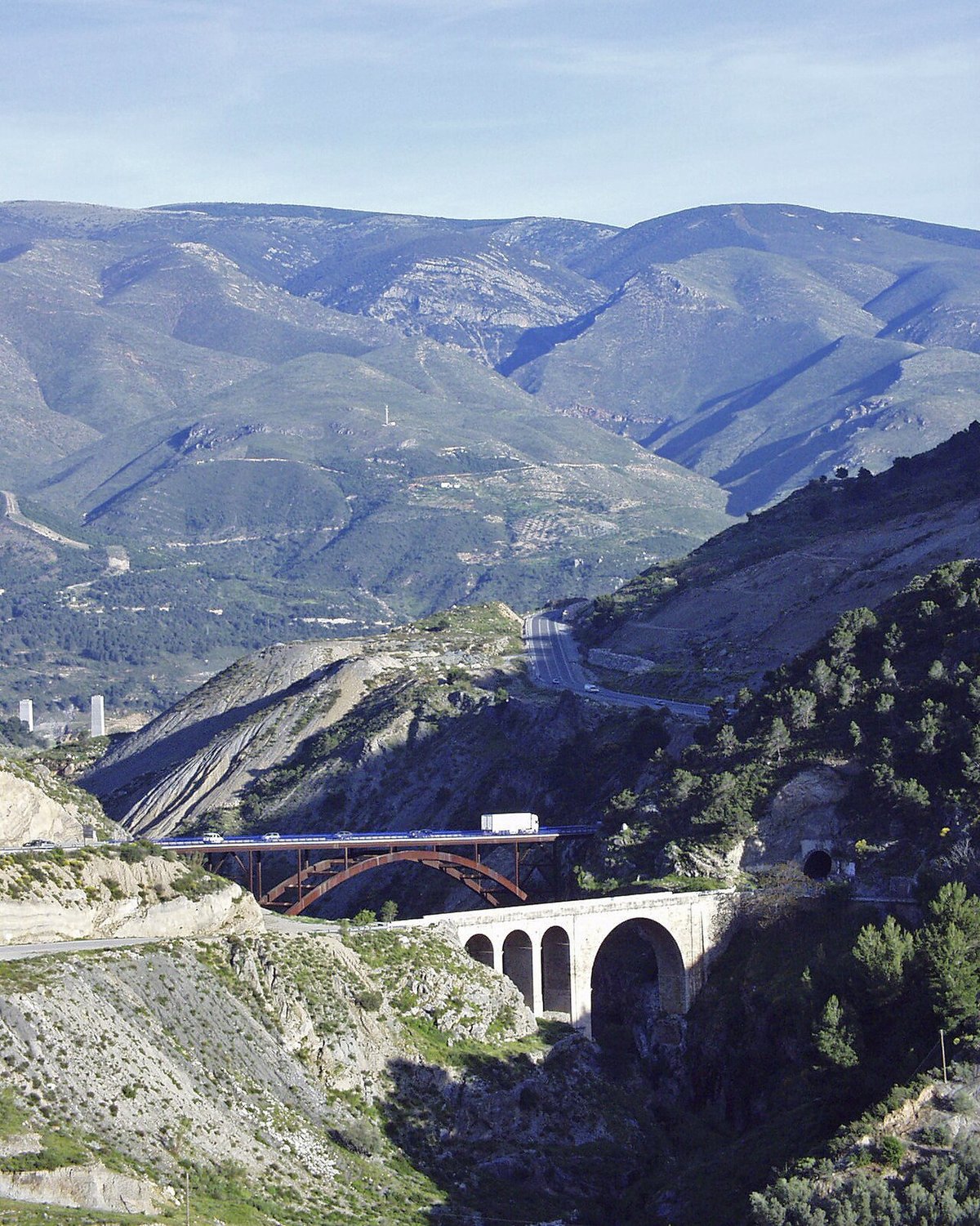
This village of 923 souls sits 550 metres above the Lecrín Valley, forty minutes inland from Granada's coast. The Mediterranean's influence creeps up through the valley floor, creating a microclimate that shouldn't exist at this altitude. Lemon trees heavy with fruit brush against almond blossoms in February, while the Sierra Nevada glints white beyond the ridge.
The Arithmetic of Agriculture
Water channels divide the village into geometric segments, each serving specific plots marked by centuries-old stone boundaries. You'll notice brass plaques beside many doorways—family names etched alongside the dates their irrigation rights were granted. Some read 1492, others 1563. The system persists because it works: water flows downhill through gravity-fed channels, timed by sluice gates that open and close according to complex rotations worked out during Muslim rule.
Walk uphill from the church at dawn and you'll understand the village's layout. Houses cluster around water sources, with newer builds spreading along the ridge. The agricultural terraces step down like amphitheatre seating, each stone wall built by hand to create flat growing space. These bancales aren't picturesque features—they're functional infrastructure that prevents soil erosion during flash floods. January's almond blossom season transforms them into a geometric white mosaic visible from the motorway below.
The village centre measures exactly twelve minutes to cross on foot. Start at the fuente by the primary school, walk past the single pharmacy, the bakery that opens at 6:30 am, and the bar where farmers gather for coffee before heading to their plots. You'll end at the church square, where elderly men play dominoes under the cedar tree. This isn't a tourist circuit—it's simply how locals move through their daily routine.
Walking Through Working Landscape
The Sendero de los Molinos starts behind the cemetery, following an irrigation channel past ruined watermills that once ground local wheat. The path climbs steadily for 45 minutes through olive groves before reaching an abandoned mill complete with intact grinding stones. British hikers often miss the turn-off—look for a stone bridge painted with faded yellow arrows, then count three terraces uphill. The route continues to neighbouring Restábal, where the bus back to El Valle leaves at 2:30 pm on weekdays only.
Summer walking requires military-style planning. Start by 7:30 am or don't bother—by 9:00 am the temperature hits 28°C, and the cicadas create a sound wall that makes conversation impossible. Bring 1.5 litres of water minimum; the only reliable refill point is at the village fountain. Sandwich fillings melt into unidentifiable goo by 10 am—pack nuts, dried fruit, or the local hard cheese that survives heat.
Winter brings the valley's best hiking weather. January mornings start crisp, with mist pooling in the valley below while you walk through almond blossom at eye level. The Ermita trail, a three-hour loop via an abandoned hermitage, offers views across to Sierra Nevada's snow line. You'll share the path with wild boar tracks and the occasional farmer on a mule—tourists are rare outside Easter and August.
Seasonal Rhythms and Village Life
August transforms the village entirely. The population triples as descendants return for fiestas, creating traffic jams on roads designed for donkeys. Fireworks explode at 7 am daily, teenagers occupy the plaza until dawn, and the bakery sells out of bread by 9 am. Accommodation prices double, and restaurant reservations become essential. Many British visitors prefer September instead—temperatures drop to manageable levels, the almond harvest creates activity without chaos, and hotel owners knock 30% off summer rates.
January's San Antón festival involves blessing animals in the church square. Farmers bring mules, dogs, and the occasional pet rabbit for sprinkling with holy water. It's not staged for visitors—it happens because locals believe it matters. Photography is welcome, but ask permission before photographing people with their animals. Many farmers interpret blessings as insurance against veterinary bills.
October's almond festival showcases the crop that defines local agriculture. Stalls sell everything from raw nuts to almond liqueur, while demonstrations show traditional cracking techniques using stone mortars. The tourist office (open 10 am-2 pm weekdays) arranges visits to working farms, but book two days ahead—groups are limited to eight people because tractors take up space in narrow orchards.
Practical Realities Beyond the Brochures
The village has one cash machine, located inside the pharmacy. It charges €2 per withdrawal and runs out of money during festivals. The bakery accepts cards, but most bars don't—carry cash for coffee and meals. Mobile signal drops entirely in the valley's lower terraces; download offline maps before walking.
Accommodation ranges from Casa Rural Los Naranjos (three rooms, €65-85 nightly) to self-catering apartments in restored village houses. Book directly—owners often waive cleaning fees for stays longer than three nights. Breakfast isn't included; buy pastries at the bakery and eat in the plaza like locals do.
The nearest supermarket sits 12 kilometres away in Padul—stock up before arriving. Village shops sell basics: bread, milk, tinned goods, and surprisingly good local wine at €3 per bottle. Restaurant options are limited to three bars serving similar menus: migas (fried breadcrumbs with grapes), goat stew, and salads heavy with local oranges. Portions are enormous—order one dish to share.
El Valle works because it refuses to become something it's not. There's no artisan ice cream shop, no boutique hotels, no sunset yoga on the terraces. Instead, you get a functioning agricultural village where water allocation meetings generate more passion than football results, where farmers discuss rainfall statistics like stockbrokers quote prices, and where the rhythm of life follows crops, not tourist seasons. Come prepared to fit into existing patterns rather than expecting the village to adapt to yours.