Full Article
about Lecrín
Municipality made up of several villages (Talará
Hide article Read full article
A fertile strip between mountains and sea
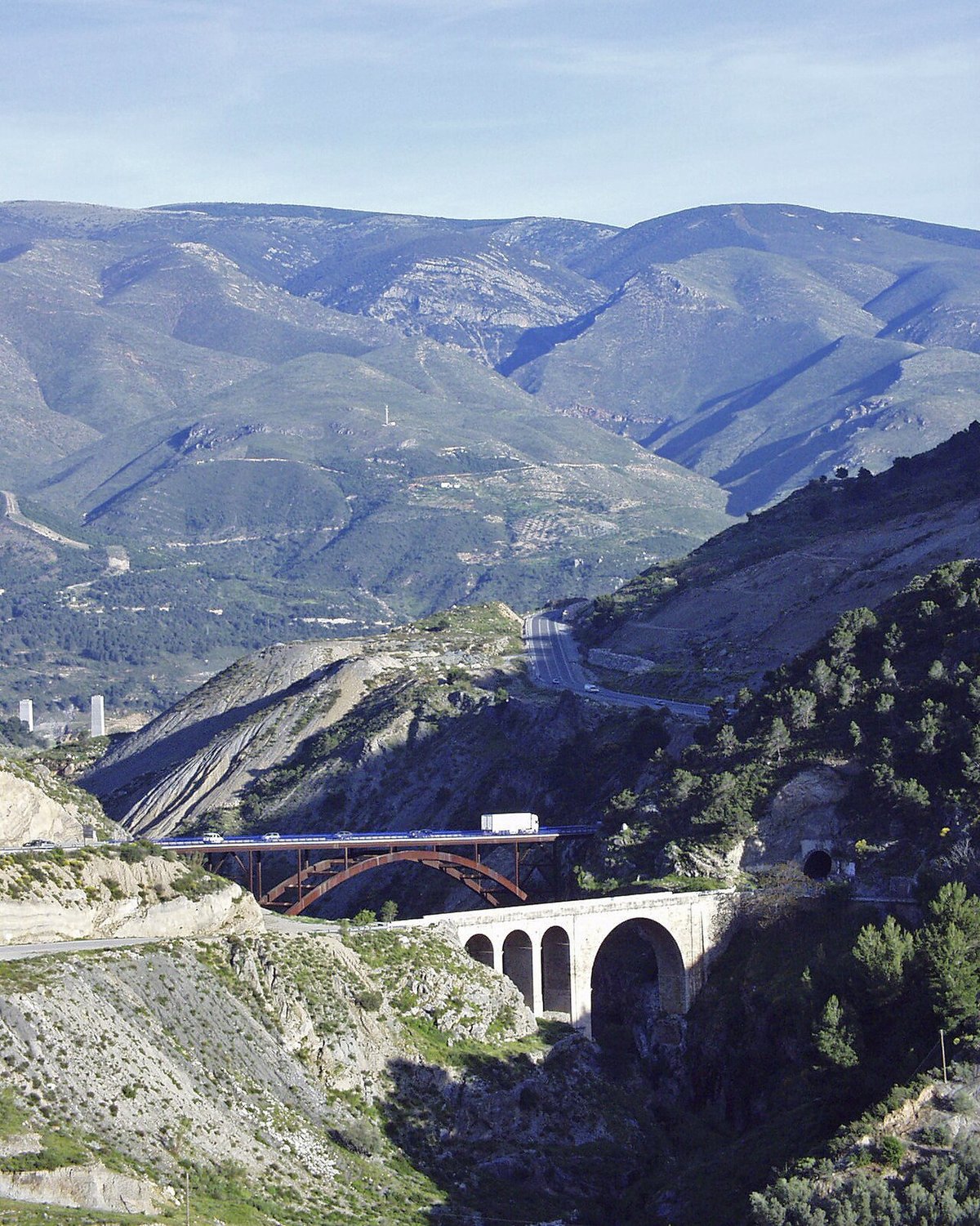
Lecrín sits within the Valle de Lecrín, a fertile stretch of land between Granada and the Mediterranean coast, enclosed by Sierra Nevada and the sierras of Almijara and El Temple. The name comes from the Arabic al‑Iqlim, meaning “the region”, which fits the character of the place. Rather than a single compact town, it is a patchwork of orchards, irrigation channels and small settlements spread across the valley.
In spring, the air carries the scent of orange blossom. It is noticeable as soon as the motorway gives way to local roads and the route dips towards places like Béznar or Talará. Orange and lemon trees dominate the cultivated land, part of an agricultural landscape with medieval roots that still relies on traditional systems for sharing water.
A municipality made up of villages
Lecrín was not originally one unified town. The present-day municipality brings together several historic settlements: Acequias, Mondújar, Talará, Chite, Béznar and Murchas. For centuries, these functioned as small farming communities. The administrative union is relatively recent, although cooperation between them goes back much further. They shared irrigation channels, farmland and the paths that linked one place to another.
That origin shapes how the area feels today. It comes across less as a single town and more as an inhabited valley. Houses sit alongside cultivated plots, and irrigation channels run just a few metres from front doors. The landscape is strongly defined by irrigated agriculture inherited from the Andalusi period, still visible in the network of channels and the stepped layout of terraces.
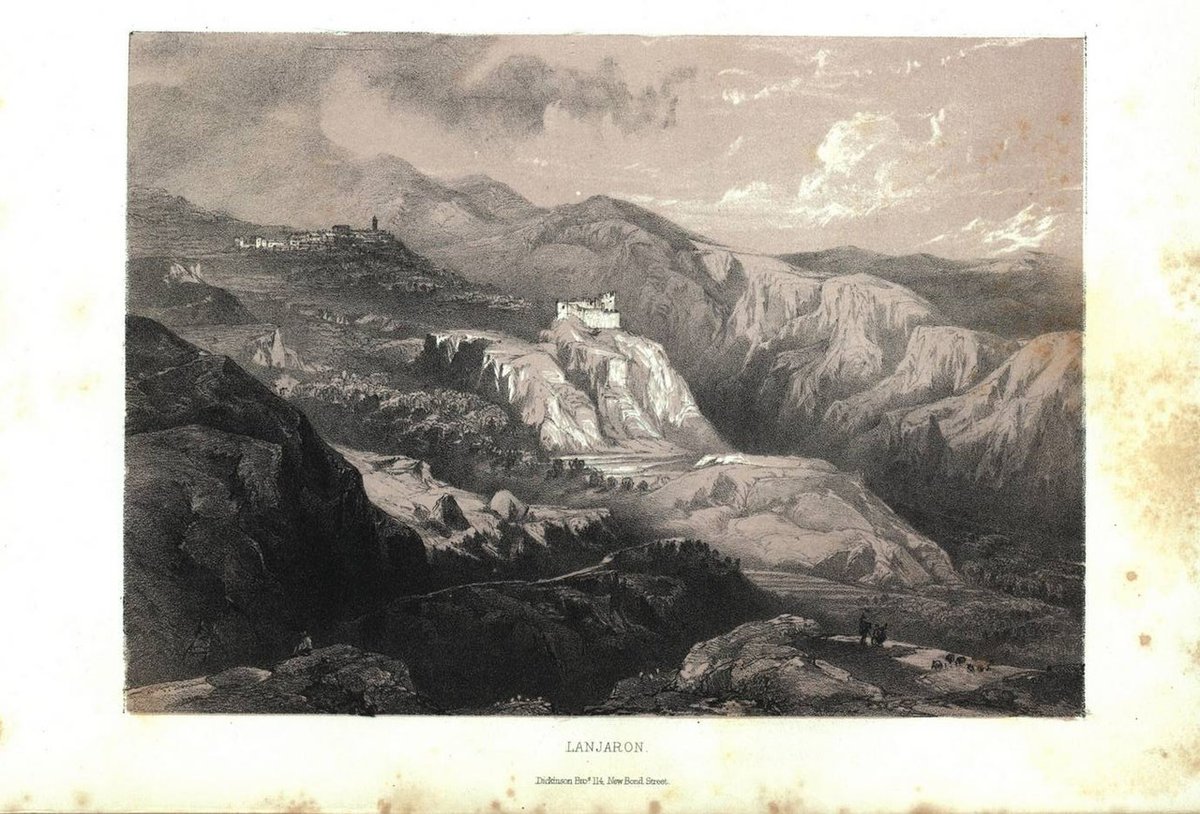
In Mondújar, the remains of a castle stand on a reddish outcrop overlooking the valley. The fortification appears to have had a strategic role in the final years of the Nasrid kingdom, when this area served as a route between Granada and the coast. Local tradition links the site with episodes involving the Granadan court in the late 15th century, although many of the details lie somewhere between documented history and oral storytelling.
Mondújar’s church and the 16th century
The church of San Juan Bautista in Mondújar belongs to the period of reorganisation that followed the Castilian conquest. Its design is often associated with the circle of Diego de Siloé, who was active in Granada during the 16th century, although construction also involved local craftsmen.
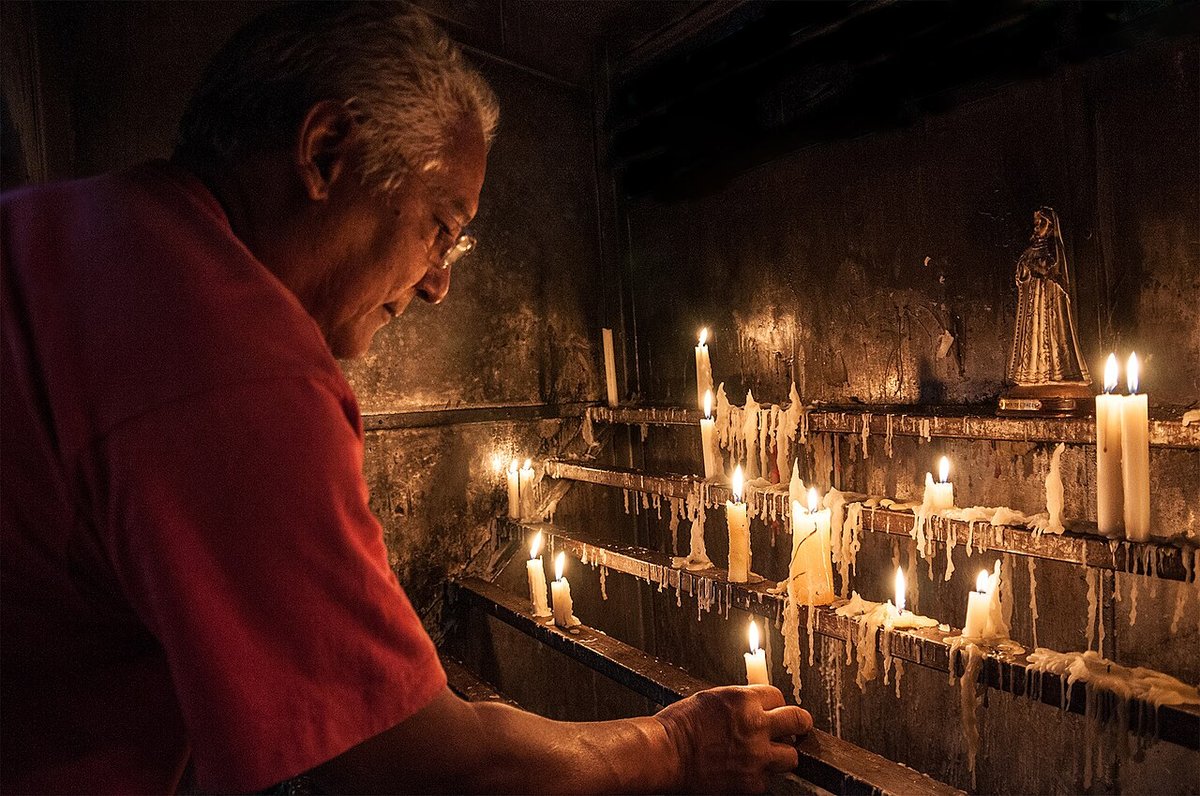
The building has a restrained appearance. Thick masonry walls, low proportions and a tower that feels closer to a defensive structure than a slender bell tower give it a solid presence. Inside, there is a reclining Christ figure that residents carry in procession during Semana Santa, the Holy Week celebrations leading up to Easter. The sculpture has been affected by time and repaired more than once. That combination of devotion and practical restoration reflects how many pieces of religious art have been preserved in small towns.
Walking alongside the irrigation channels
One of the simplest ways to understand the valley is to follow its acequias, the traditional irrigation channels. Between Chite and Béznar, several agricultural paths run alongside the water. The terrain is almost flat, crossing citrus groves, small plots and scattered houses.
Many of these acequias date back to the Andalusi period and are still in use. They are not decorative features but working systems that irrigate active farmland. Water distribution continues to be managed through scheduled turns. Walking these paths reveals small gates, dividing points and secondary channels that guide water across different plots.
This network is central to the valley’s identity. It explains both the layout of the land and the rhythms of daily life, which have long been tied to cultivation and irrigation.
Getting a sense of the place
Lecrín lies a short distance from Granada, reached by the motorway that heads towards the coast. From the valley exit, a local road links the different settlements within minutes.
The villages themselves can be explored quickly. What tends to hold attention is the space between them: the orchard paths, the irrigation channels and the agricultural landscape. Spring and autumn are usually the most comfortable seasons for walking in the area.
Local cooking often features migas de pan, a dish made from breadcrumbs, as well as combinations where orange appears alongside savoury ingredients. This pairing is common across what was once the Kingdom of Granada, and it reflects the valley’s long connection to citrus cultivation.