Full Article
about Villamena
Municipality made up of Cozvíjar and Cónchar; known for the Cueva de los Ojos and the Arroyo del Alcázar.
Ocultar artículo Leer artículo completo
The morning mist lifts from the Valle de Lecrín to reveal Villamena's white houses scattered across hillsides that climb from 500 to 750 metres above sea level. This isn't one of those carefully preserved show villages where time supposedly stands still. Rather, it's a working municipality where the clatter of agricultural machinery mixes with church bells, and where farmers still judge the day by the angle of sunlight on the mountains rather than the time on their phones.
Valley Life, Mountain Air
Villamena sits forty minutes south of Granada, close enough for city amenities yet far enough to maintain its own rhythm. The village proper houses fewer than a thousand souls, though the wider municipality includes scattered cortijos and hamlets that bring the total closer to five thousand. At this altitude, the climate surprises many visitors expecting typical Andalusian heat. Summer temperatures peak around 30°C rather than the 40°C plus found in the capital, while winter mornings can dip below freezing. The valley's orientation creates a natural amphitheatre that traps cool air, making spring mornings decidedly brisk until the sun clears the southern ridges.
The landscape reflects centuries of agricultural negotiation with the terrain. Terraced olive groves climb the lower slopes, their silver-green leaves rattling in the breeze that funnels through the valley. Between them lie small vegetable plots—huertas—that still supply local kitchens with seasonal produce. The irrigation channels, some dating from Moorish times, still carry water from the Sierra Nevada's melting snow to thirsty crops. These acequias require constant maintenance, and watching locals clear winter debris from the stone channels offers insight into the communal labour that underpins rural Spanish life.
What Passes for Sights
The Church of the Immaculate Conception dominates the village centre, though "dominates" might overstate its presence. This is rural Granada architecture at its most honest—thick stone walls pierced by modest windows, a bell tower that's more functional than decorative, and interior decorations that reflect centuries of piecemeal additions rather than grand design. The building's significance lies not in architectural brilliance but in its role as community anchor. Sunday morning mass still draws regular attendance, and the church square hosts the weekly gathering that passes for local news distribution.
Wandering the narrow streets reveals the architectural pragmatism that characterises valley villages. Houses present plain facades to the street, their thick walls and small windows designed for temperature regulation rather than curb appeal. The real life happens in interior patios, glimpsed occasionally through open doorways. Potted geraniums provide splashes of colour against whitewash that requires annual maintenance—look for the houses mid-renovation to appreciate the labour involved in keeping up appearances.
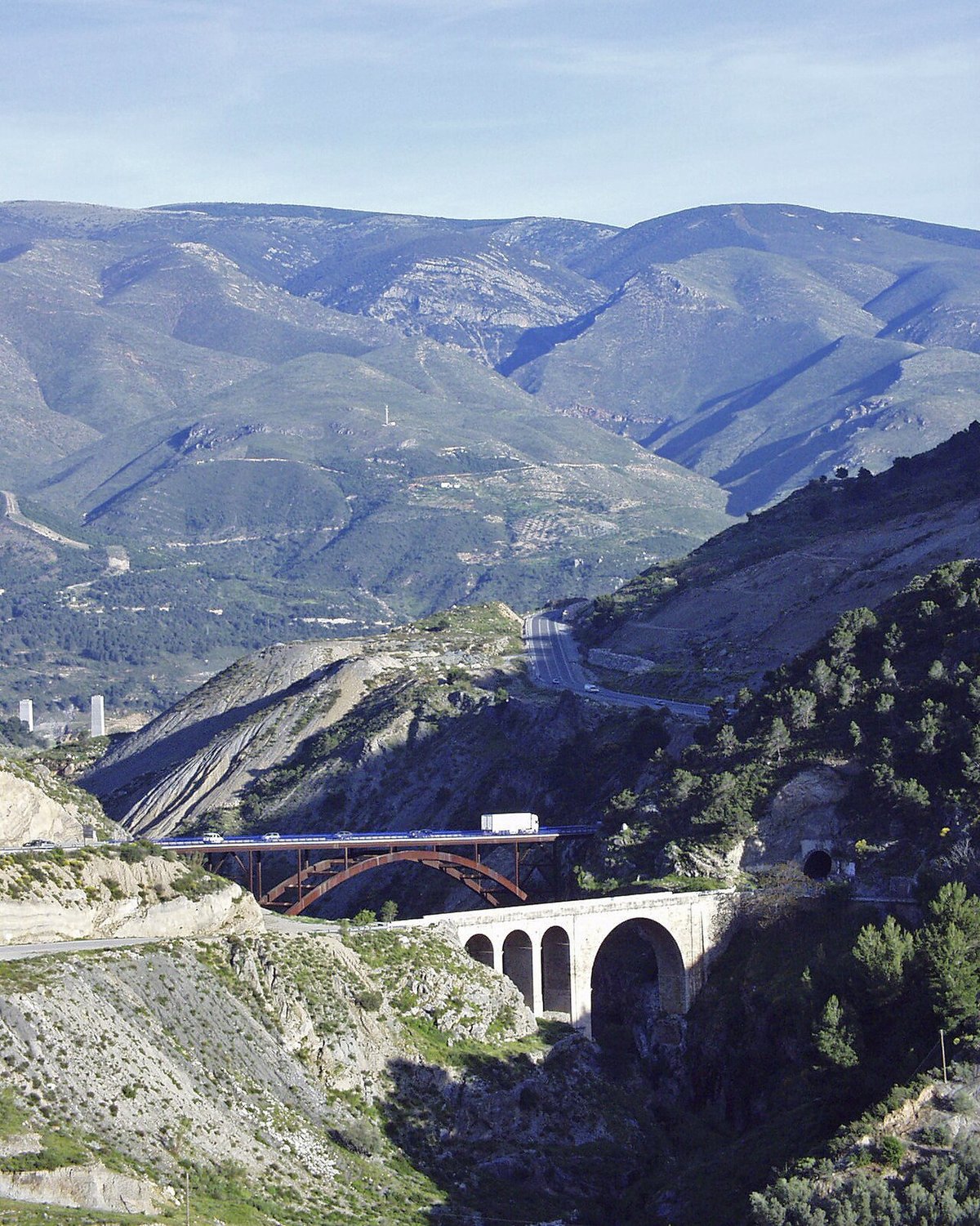
Several natural viewpoints offer valley vistas, though you'll need local directions rather than signposts. The best spots aren't commodified for tourism but simply places where paths converge on ridge lines. From these informal miradors, the valley spreads below like a wrinkled green carpet, with the white villages of Melegís and Restábal visible on clear days. Sierra Nevada's snow-capped peaks provide the backdrop when visibility allows, though summer haze often obscures the detail.
The Working Valley
This isn't a place for organised activities or scheduled entertainment. The rhythm follows agricultural cycles that visitors can observe but rarely participate in. Olive harvest begins in November, with mechanical harvesters shaking trees while families gather the remaining fruit by hand. The local cooperative presses oil that's sold throughout the province—ask at the agricultural suppliers on Calle Real about purchasing directly rather than paying tourist prices in gift shops.
Winter brings pruning, slow work that fills the valley with the sound of hand saws and occasional cursing when branches resist. Spring means preparing huertas for planting—watch for elderly locals using methods unchanged for generations alongside younger farmers who've embraced organic techniques. The valley's microclimate allows for crops impossible elsewhere in the province; citrus trees produce fruit year-round, while summer vegetables thrive in plots that would bake at lower altitudes.
The village bars serve food that reflects this agricultural base. Migas—fried breadcrumbs with garlic and whatever vegetables are available—appears regularly on menus. Potaje, a thick stew that varies by season, costs around €8 and provides enough calories for a day's labour. The local wine, produced from grapes grown on south-facing slopes, costs €2-3 per glass and tastes better than its price suggests. Don't expect innovative cuisine or Instagram presentation; this is food designed for sustenance rather than show.
Practical Realities
Reaching Villamena requires a car unless you're prepared for infrequent bus services. From Granada, take the A-44 south towards Motril, exiting at Dúrcal. The GR-3203 winds 15 kilometres up the valley—allow thirty minutes for the drive, longer if stuck behind agricultural traffic. Parking in the village centre is limited; the area around the sports court usually has spaces, though Saturday market days test even local patience.
Accommodation options remain limited. Two rural houses offer rooms from €60 nightly, booked directly with owners who speak varying levels of English. The nearest hotels lie in Dúrcal or wider valley villages—expect to drive for evening meals unless self-catering. Mobile phone coverage can be patchy between villages, though most bars offer WiFi that's adequate for checking weather forecasts rather than streaming entertainment.
Spring and autumn provide optimal visiting conditions, when temperatures hover around 20°C and valley colours shift dramatically. Summer brings reliable sunshine but also Spanish families escaping coastal heat—August crowds fill the village's forty-odd houses with returning relatives, creating a festive atmosphere that some visitors find overwhelming. Winter offers solitude and snow-capped mountain views, though many businesses close between January and March when agricultural work slows.
The Honest Assessment
Villamena rewards visitors seeking insight into contemporary rural Spain rather than historical reconstruction. The village faces the same challenges as rural communities everywhere—young people leave for Granada or the coast, returning only for family obligations. New residents, mainly northern Europeans attracted by property prices, bring different expectations about services and opening hours. These tensions play out subtly in bar conversations and village meetings, visible to those paying attention.
The valley's future remains uncertain. Water rights, increasingly contested as climate change reduces Sierra Nevada snowpack, could transform agriculture within decades. Property speculation threatens to convert agricultural land into holiday homes, though current economics make large-scale development unlikely. For now, Villamena exists in a balance between tradition and necessity, offering visitors a glimpse of rural life that continues evolving rather than preserved in amber.
Come for the mountain air and valley views, stay for the education in agricultural reality. Just don't expect anyone to make allowances for tourist expectations—here, the village functions for its residents first, visitors second. That authenticity, increasingly rare in southern Spain, makes Villamena worth the detour for those prepared to observe rather than consume.