Full Article
about Albox
Key commercial and service hub of the valley; known for its pottery and religious shrine
Ocultar artículo Leer artículo completo
The Tuesday morning traffic jam starts at 08:45 on the Avenida de los Ejidos. Spanish number plates, UK stickers, German campervans and the odd tractor queue for a car park that didn’t exist twenty years ago. By nine the ring-road morphs into Europe’s most improbable high street: forty-odd stalls selling Moroccan rugs, Dutch bulbs, knock-off Arsenal shirts and – if you believe the shouts – “the only real cheddar in Almería”. Welcome to market day in Albox, a town that has turned provincial practicality into its own low-key spectacle.
A working town, not a film set
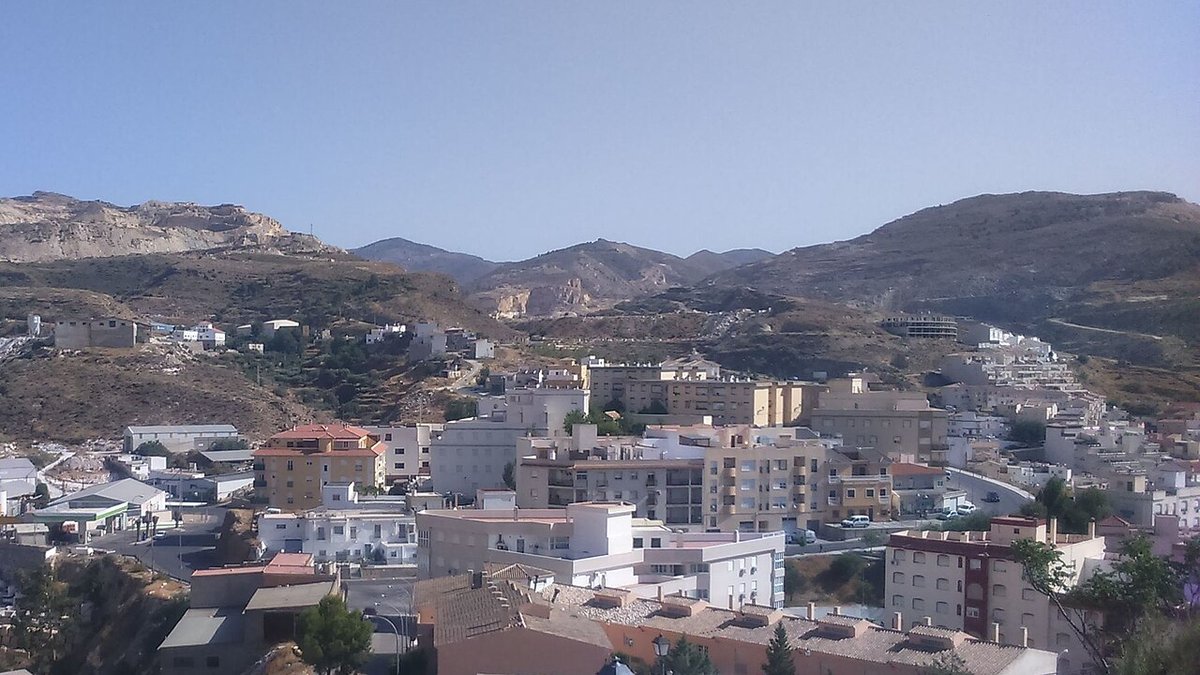
Albox sits 420 m above the Almanzora valley, 35 minutes’ drive from the nearest beach and light-years away from the Costa Blanca script of whitewashed alleys and geranium pots. Parts of the centre are scruffy; concrete balconies rise straight from 1970s plans and the riverbed is mostly stones. Yet the place functions. Banks, dentists, a courthouse, two ironmongers and a shop that will sell you a spare part for a 1998 Worcester boiler – all within four streets. British residents like to say you can live here without Spanish, which misses the point: Albox is where you learn it without noticing, queueing for ham at the counter or arguing over a market melon.
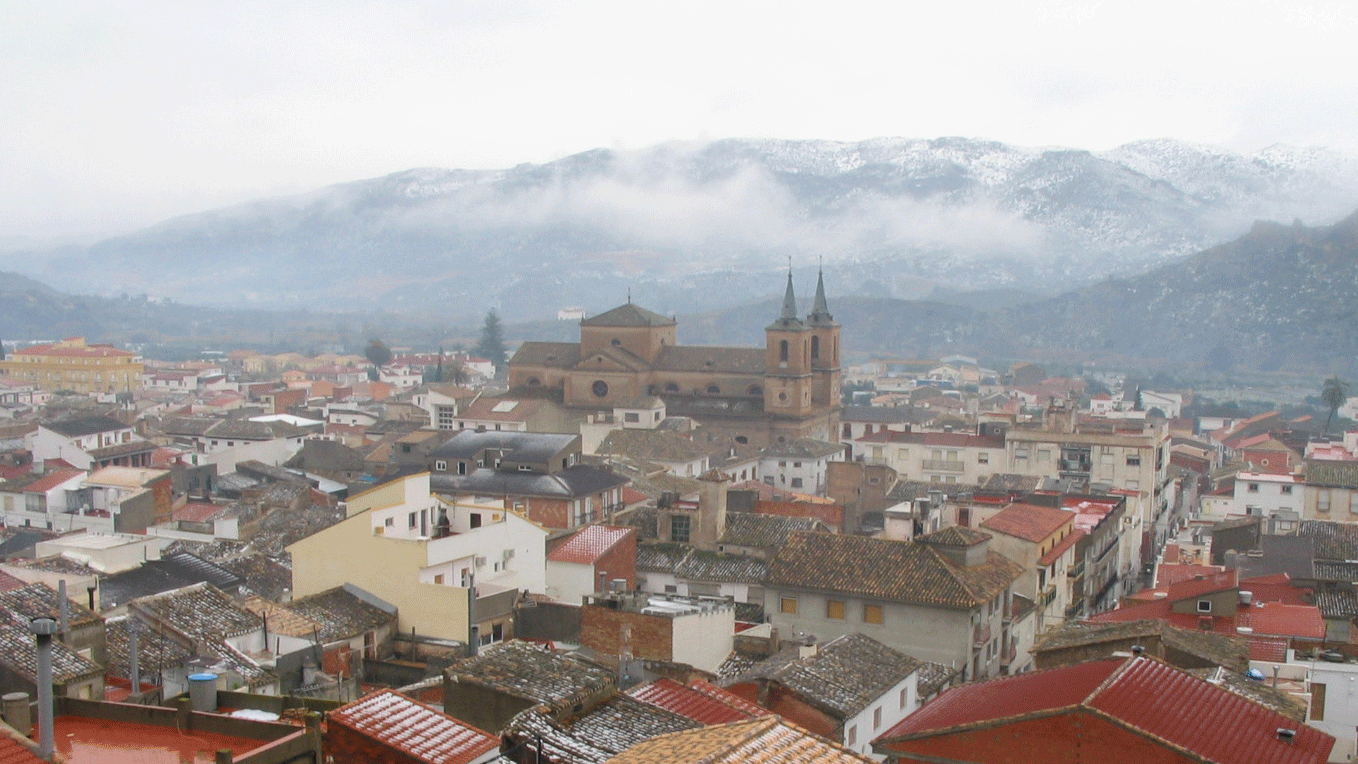
History lingers, but it doesn’t shout. The Iglesia de Nuestra Señora del Rosario anchors the main plaza, its eighteenth-century tower visible from every approach road. Step inside and the baroque façade gives way to a cool, spare nave that smells of candle wax and floor polish. Walk south-east and you’ll pass houses built with fortunes made from lead and silver further up the valley; their doorways still carry the family crests, though the paint flakes and the metalwork rusts. No admission charges, no audio guides – just a living town that happens to be old.
Almonds, asphalt and afternoon shutdown
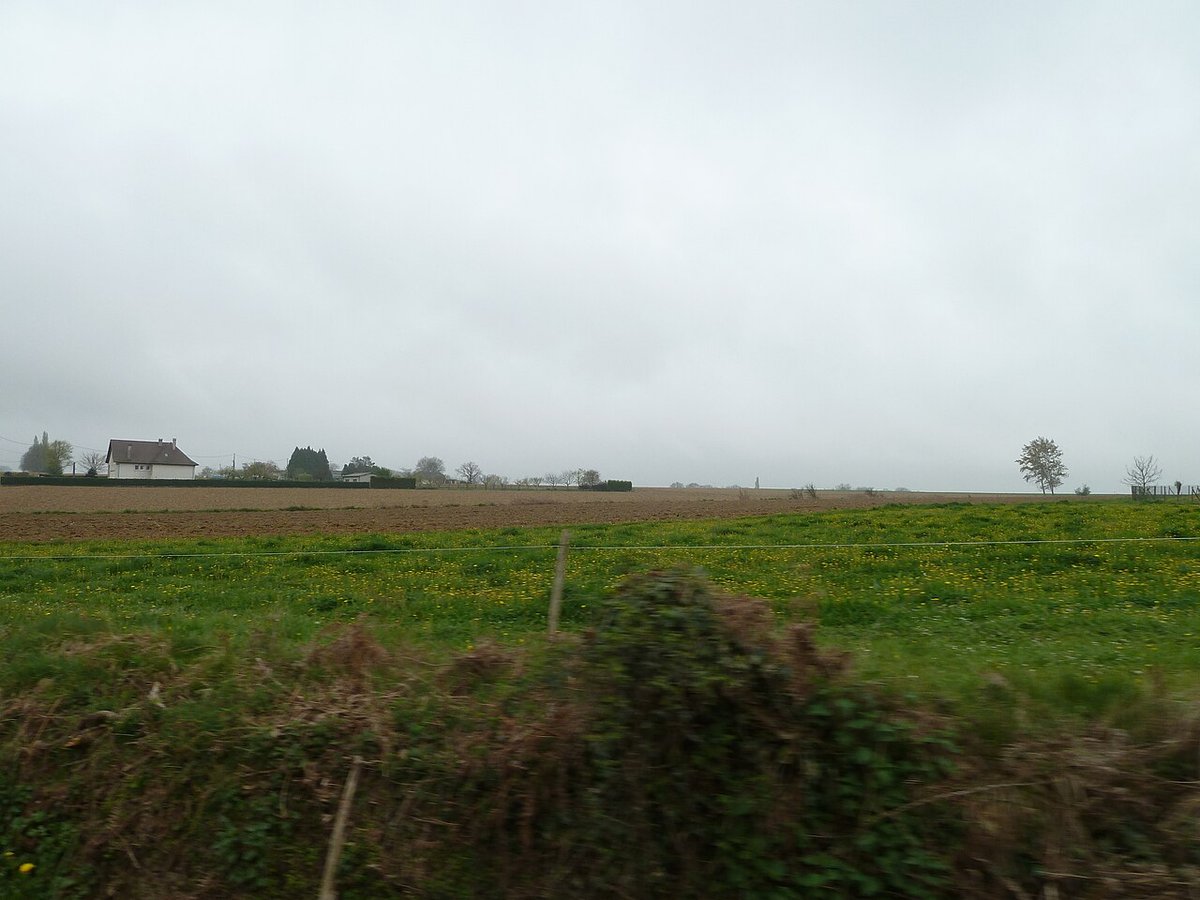
Come late January the surrounding hills turn briefly into an English water-colour: almond blossom foams against blue sky, and camera-toting expats line the OL-12 towards Cantoria. The display lasts ten days, maybe two weeks if the wind stays kind. After that the valley reverts to its default palette of stone-grey and olive-green, a landscape that looks inhospitable until you realise the ramblas are highways for cyclists and the ridges conceal old mule paths to neighbouring pueblos.
Hiking is straightforward rather than dramatic. A signed loop leaves the cemetery gate, climbs 200 m of limestone scrub and drops into the Rambla de Albox where bee-eaters nest in the sandy cliff. Allow ninety minutes, take more water than you think – the 420 m altitude does little to blunt summer heat that regularly tops 38 °C. Road cyclists rate the A-334 towards Vélez-Rubio: smooth tarmac, negligible traffic, views that open from valley floor to 2,000 m peaks in one glance. Mountain bikers prefer the farm tracks north to Arboleas; download the GPX first – signposts vanish at every fork.
Between 14:00 and 17:00 the town closes. Metal shutters slam, dogs stretch across doorways and the only sound is the generator on the ice-cream van doing its hopeless rounds. Plan accordingly. The municipal pool (€2, swimming cap compulsory) stays open July through August; shade is limited to two olive trees and the lifeguard’s umbrella, so bring a hat that ties on. If you need groceries mid-afternoon, the Chinese bazar on Calle Ramón y Cajal sells UHT milk, tinned beans and, mysteriously, PG Tips at Costa prices.
What arrives on a plate
Local cooking is built around whatever the huerta produces and whatever the hunter brings back. Gurullos con conejo looks like pasta but tastes like stew: hand-rolled dough stars simmered with wild rabbit, saffron and a single bay leaf. Order it at Bar Cristóbal on Plaza de Abastos; they’ll bring a basket of industrial white bread, but ignore that and mop the sauce with the gurullos themselves. Migas – fried breadcrumbs with grapes – appears at weekends; it began as field food and still feels like it, the sort of dish that makes a glass of cold lager non-negotiable. Vegetarians get aubergine fritters with cane-syrup drizzle, though you have to ask; menus don’t list meat-free options, they simply materialise if the cook feels like it.
Market day supplies are easier. One stall roasts chickens on spits until the skin turns bronze; another sells olives the size of walnuts stuffed with lemon zest. A third offers queso de cabra wrapped in dried thistle leaves – buy a quarter wheel, it keeps for a week in a hire-car boot if you park in the shade. Coffee is taken standing at the stainless-steel bar inside the indoor market: 80 cents, scalded milk, no pretence.
When the fireworks stop at eight in the morning
Albox parties with the same practicality it sells carrots. The Fiestas Patronales (first weekend of October) start with a procession that could fit in a parish hall and finish with a paella pan three metres across. The real date to know is 31 October, when Spain’s public holiday meets Halloween and the town decides neither is enough. From dusk till dawn the sky crackles with fireworks, teenagers in zombie costumes share beer bottles with farmers in berets and a brass band marches through the smoke playing Queen. At 07:30 the council hands out free breakfast rice to anyone still upright; the line includes toddlers, grandmothers and a Yorkshireman in a tutu who swears he only came for the culture.
Semana Santa is quieter: six pasos, no seats sold, no tickets needed. Stand outside the church at 23:00 on Maundy Thursday and you’ll watch the Virgin sway past to a drumbeat that sounds half funeral, half heartbeat. August brings neighbourhood verbenas – plastic tables on the basketball court, plastic chairs in the alley, children racing bikes until the music starts at midnight. If you want sleep, book a room on the north side of town; the plaza gets loud and the council refuses to turn the volume down before 05:00, citing tradition.
Getting here, getting out
Murcia-Corvera airport is 95 km up the AP-7, mostly motorway; allow 75 minutes unless the Tuesday lorry is overturned at Puerto Lumbricas. Alicante adds another 45 minutes but usually wins on flight price. Car hire is non-negotiable – the railway stops at Lorca and buses to Albox run twice daily, neither timed for British arrivals. Parking is free everywhere except market morning; ignore the touts waving you onto waste ground and head for the Lidl car park, five minutes’ walk from the stalls.
For a change of scene, the coast at Mojácar is 35 minutes south-east; the road twists enough to keep lunch down but not enough to cool the car. Go early – by 11:00 the beach bars are already stacking sunbeds like Jenga. Inland, the village of Oria perches 600 m higher and several degrees cooler; its bar does a fixed-menu lunch (€12) that finishes when the food runs out, usually about 14:30.
Leave time for the drive back at dusk. The valley turns gold, the sierras sharpen to cardboard cut-outs and Albox reappears as a scatter of lights on a dark ridge. There’s no cathedral floodlit for effect, no castle on a crag – just a place that works, welcomes and, every Tuesday, clogs its own high street with the cheerful chaos of people who’ve decided this stretch of inland Andalucía is quite enough excitement for one morning.