Full Article
about Arboleas
Town in the Almanzora valley with a large foreign population; blends tradition and modern housing.
Ocultar artículo Leer artículo completo
Tuesday mornings in the Almanzora valley
The loudspeaker van crawls through Arboleas at eight-thirty, announcing that market stalls will occupy the football-pitch car park until two. By nine, the first British accents drift across the dry riverbed: "Mind the step, Jean, it’s gravelly." Folding tables groan with £1 punnets of strawberries, second-hand Dick Francis paperbacks, and leather handbags that smell like the Alicante warehouse they came from. Spanish grandmothers still queue for olives and offal, but English is the dominant soundtrack, a reminder that perhaps four in ten villagers carry UK passports.
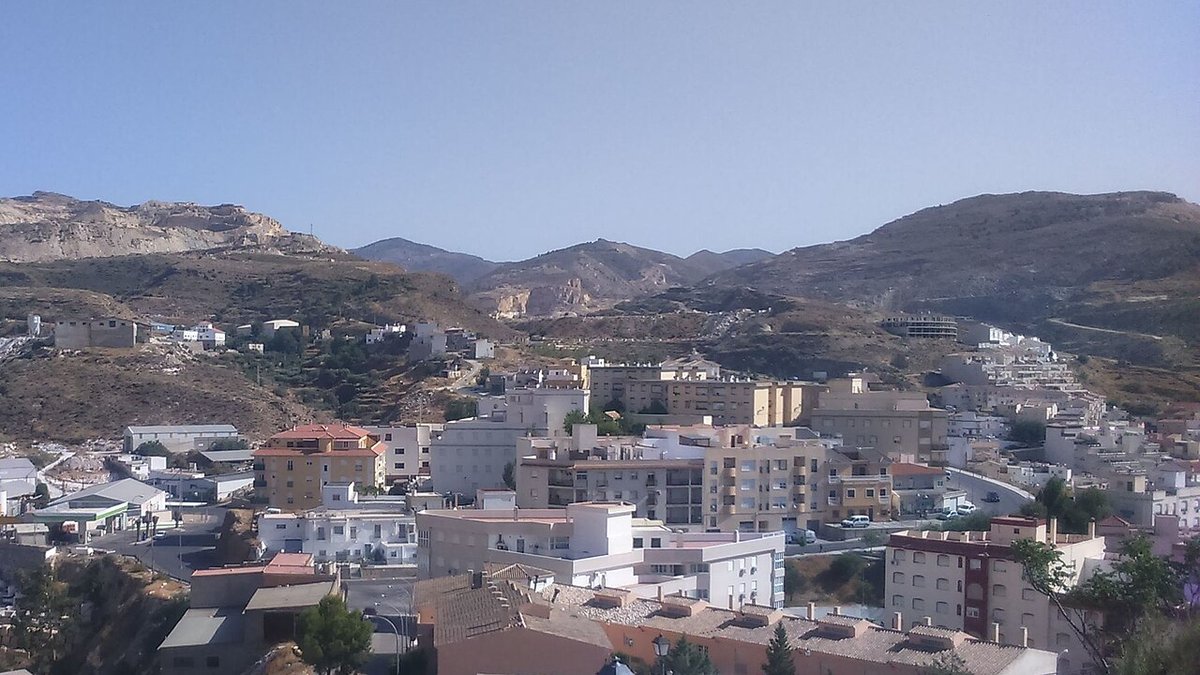
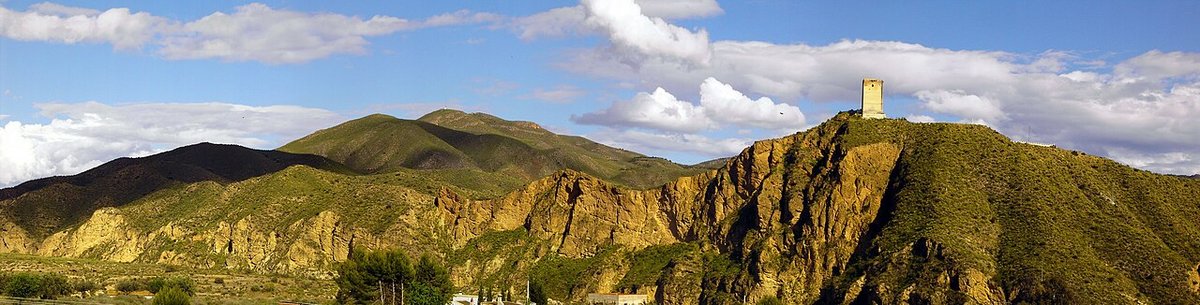
Arboleas sits 278 m above sea level on a plateau where the sierra eases into the valley. The setting is practical rather than theatrical: wide streets laid out after an earthquake levelled the old centre in 1505, low whitewashed houses with satellite dishes aimed at the Sky Atlantic slot, and a horizon bristling with almond groves. There is no mirador selfie point, no horseshoe of dramatic cliffs. Instead you get space, parking, and pavement cafés where a coffee costs €1.20 and the waiter remembers how you take it.
Clay, church bells and a very British butcher
The village’s remaining identity anchor is clay. Inside the single-room Pottery Museum, shelves display black-glazed jars once used for storing pig fat next to 1970s brown stoneware that looks suspiciously like the stuff shifting slowly in charity shops back home. A retired potter still runs occasional workshops in a shed behind the health centre; ring the bell labelled “Juanjo” and he’ll let you throw a wonky bowl for €10 while recounting how his grandfather freighted roof tiles to Almería by mule.
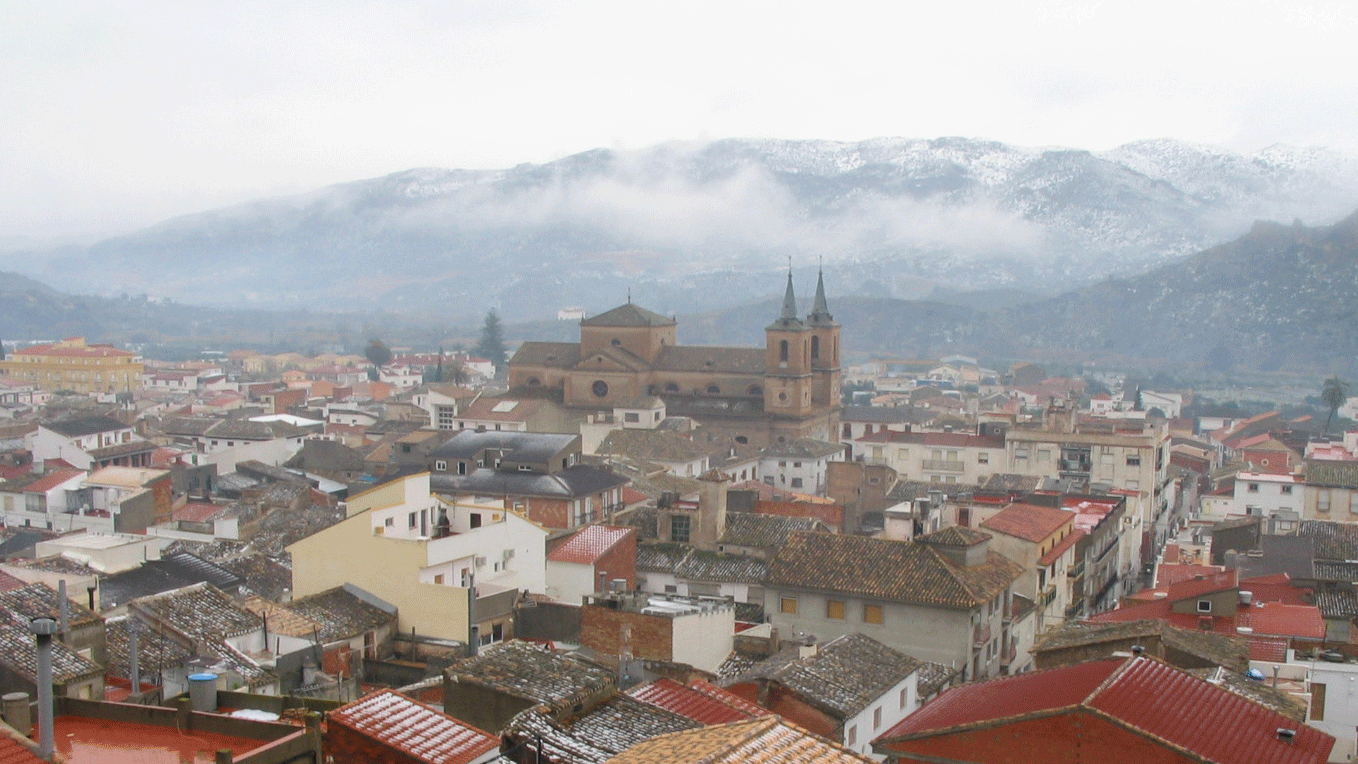
Opposite the museum stands the eighteenth-century Iglesia de Nuestra Señora del Rosario, its ochre stone tower visible from every approach road. Evening mass at seven is delivered in rapid Almerían Spanish, but the hymn sheets include phonetic translations courtesy of the expat choir. Outside, swifts stitch the sky and the smell of garlic frying somewhere nearby drifts through the open doors.
Follow the scent and you reach the plaza’s only red-brick shopfront: “Keith’s Quality Meats”. The noticeboard advertises Cumberland rings, pork pies and “proper back bacon”. Inside, Keith from Wigan will carve rashers while debating VAR decisions with a retired fireman from Hull. It is that sort of place.
Walking where the river pretends to be a road
Five minutes’ drive north, the Almanzora riverbed becomes a broad, stone-strewn boulevard that only impersonates a watercourse after cloudbursts. Park by the ruined sugar-mill chimney and you can pick up the Ruta de los Molinos, a 6 km loop that passes four dried-up irrigation mills and a thicket of centenary olives whose trunks resemble melted wax. The path is flat, way-marked with yellow arrows painted by the local hiking club, and offers zero shade: set off before ten or carry more water than you think necessary. January walkers may find the rambla briefly transformed into a fast, muddy torrent; wellies replace walking boots for a day, then the sun reverts to factory settings.
If you prefer asphalt, the Senda de los Olivos Centenarios heads south-east through orderly groves towards the hamlet of Los Cerricos. Farmers on quad bikes wave; dogs bark from the backs of pick-ups. The route finishes at a bar that opens randomly, so time your arrival for Sunday about one, when the owner fires up the grill for plates of chorizo cooked in fino sherry and hands out free churros to anyone who can pronounce “por favor” convincingly.
Seasons of blossom, quiz nights and muddy puddles
British estate agents push two optimum windows: almond-blossom season (late January to mid-February) and the long warm plateau of late March through May. They are right on both counts. For three weeks the valley glows white and candy-pink, a luminous crop against red soil that photographers chase at dawn before retreating to the Bar Central for tostadas dripping local olive oil. Spring daytime temperatures hover around 22 °C, cool enough to walk, warm enough to drink outside without a fleece.
Summer is fierce. The thermometer can top 40 °C; shutters close at noon and reopen at six. Many expats migrate to coastal rentals, leaving a quiet village where the swimming-pool bar still serves €2 cañas but you will need Spanish to order them. Autumn brings dramatic skies, occasional downpours that send torrents down the rambla for an hour, then evaporate as quickly as they arrived. October’s craft fair sets up stalls around the plaza; you can buy a hand-thrown tagine, listen to a guitarist from Valencia attempt “Wonderwall”, and still be in bed by eleven.
Winter is underrated. Daytime highs sit at 16-18 °C, night-time lows demand central heating that many village houses lack. Bars counter with log burners and hearty stews of wild boar, chickpeas and bay. The San Roque fiesta in mid-January features a fireworks display that feels illicitly close to terraced roofs; bring a torch because street lighting is decorative rather than functional.
Driving in, eating out, cashing up
Arboleas is an hour and fifteen minutes from Almería airport on mostly fast dual carriageway. Murcia adds ten minutes, Alicante two hours. Car hire is non-negotiable; the village bus service amounts to one school run at dawn. Roads are wide and forgiving—no white-knuckle cliff edges—so nervous drivers can practise Spanish roundabouts without vertigo.
Dining splits along linguistic lines. Spanish bars serve coffee, toast and the morning brandy chaser; British-run venues open at ten for full English, stay open through quiz night, and close when the last quizzer leaves. Restaurante Azabache does both: fry-ups for €4.50 at breakfast, then a respectable entrecôte with pepper sauce for €12 once locals have finished their menú del día. The bakery opposite the town hall bakes excellent almond cookies—buy them before eleven because retirees clear the tray by elevenses.
Cash still oils the smaller wheels. Market stalls, the fish van that visits Thursday, and most bars prefer notes. Only the pharmacy, the large Coviran supermarket and Keith the butcher reliably accept cards; the nearest free ATM is inside the CaixaBank lobby on the main street, shielded from the sun by a faded Brexit referendum poster someone forgot to take down.
So, should you bother?
Arboleas will never feature on a glossy “Top Ten Prettiest Pueblos” list. It lacks the cliff-hanging drama of Ronda or the flower-pot perfection of Frigiliana. What it offers instead is an easy first taste of inland Spain where you can order a pint without blushing, walk safe country lanes all morning, and still pay less for lunch than a London sandwich. Come for the almond blossom, stay for the flat geography and the gentle collision of two cultures trying to share the same sunny square. Manage those expectations, remember the torch for fireworks night, and the valley will greet you with a nod rather than a postcard—and that is rather the point.