Full Article
about Armuña de Almanzora
Small inland farming village; known for its olive oil and quiet.
Ocultar artículo Leer artículo completo
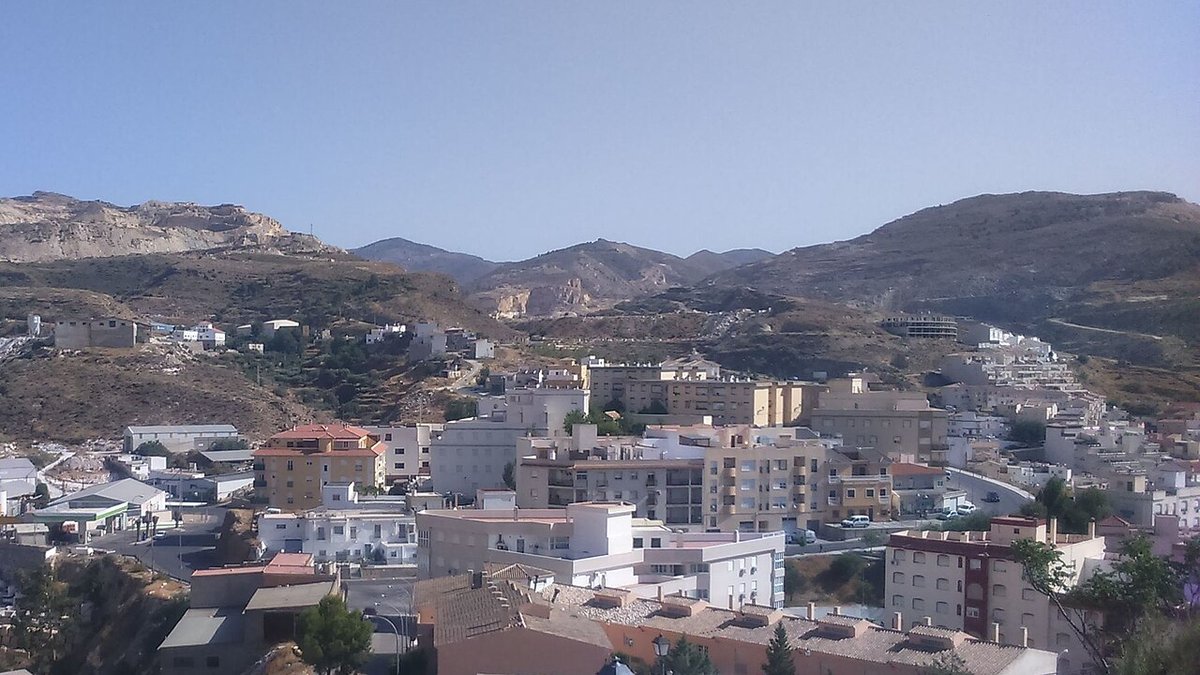
The thermometer reads 624 metres above sea level, and you feel it the moment you step out of the car. The air carries a dryness that makes British lungs gulp, and the Sierra de las Estancias looms close enough to touch. This is Armuna de Almanzora, a scatter of white cubes that clings to a fold in Almería's Almanzora Valley, 35 kilometres inland from the Costa de Almería's umbrella drinks and English breakfast signs.
Morning in the Almond Lanes
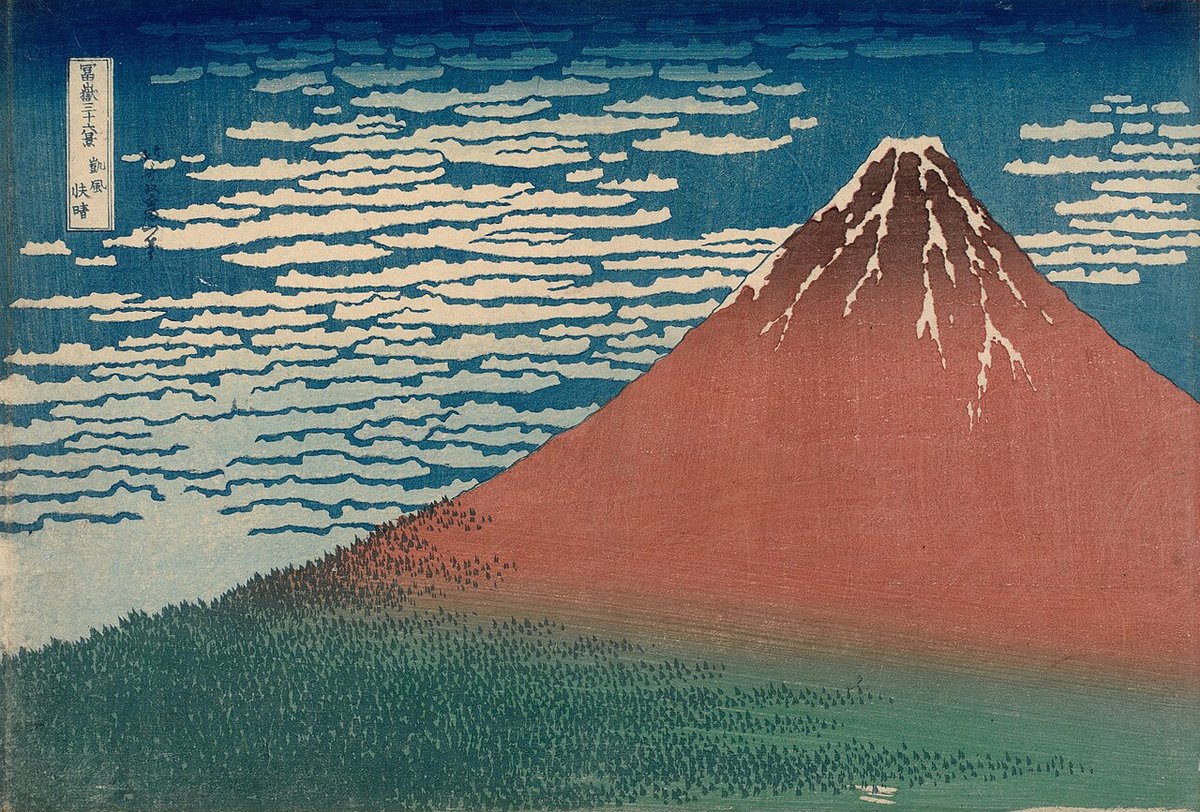
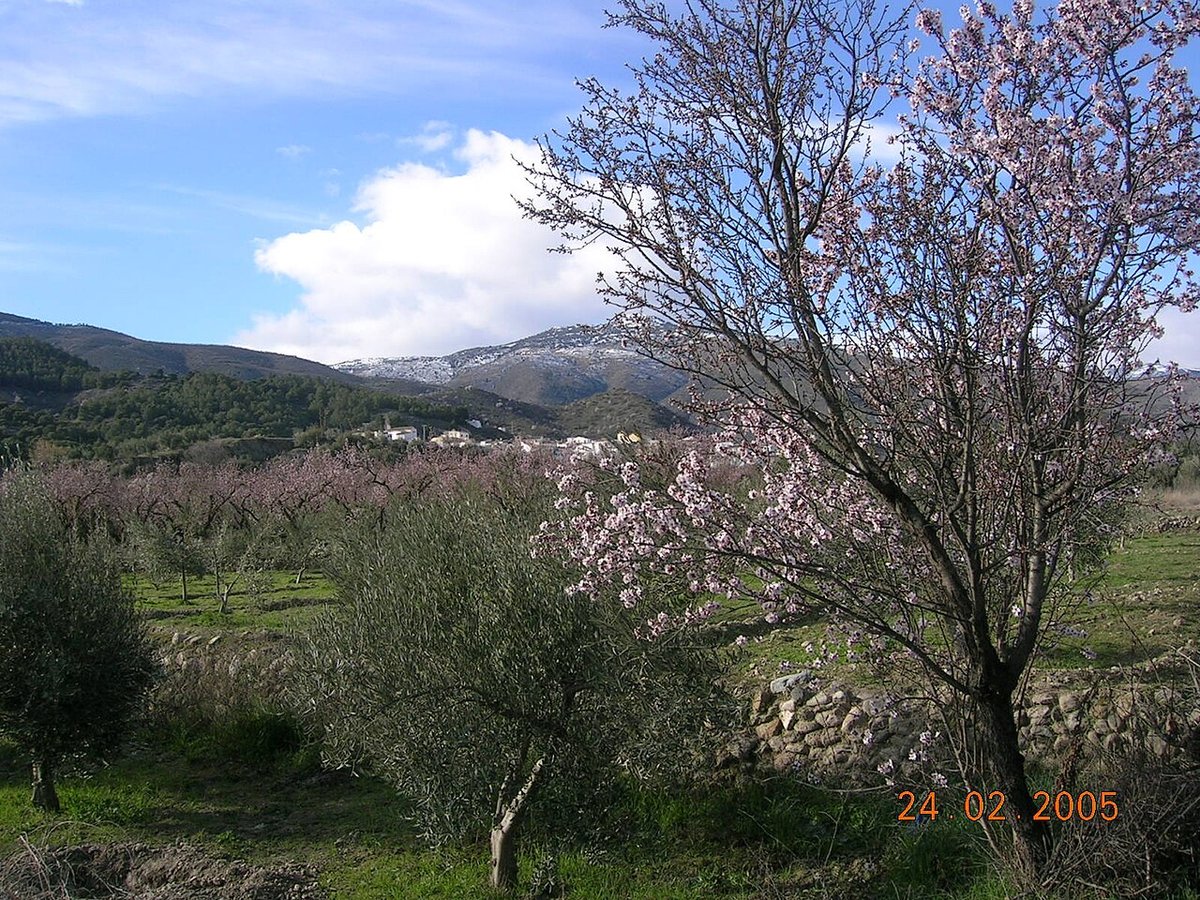
February brings the village's quiet spectacle. Overnight, thousands of almond trees shake out pale-pink blossom, turning the surrounding terraces into something that looks suspiciously like a Japanese watercolour. Photographers arrive with long lenses, then look slightly sheepish when they realise the show is free and there's no gift shop to justify the trip. The blossom lasts roughly three weeks, dictated by how hard the Levante wind blows down from the interior. Catch it right and you'll have the valley to yourself except for the occasional farmer on a battered Seat Terra, raising two fingers from the steering wheel in the countryman's salute.
The village itself takes twenty minutes to walk across, assuming you stop to read the ceramic street signs bolted to the walls. Streets narrow to shoulder-width, then widen into pocket plazas where the only seats are stone bollards designed to keep mules out. Houses wear their original timber doors, some wide enough only for a donkey and panniers. Peer through the iron grille of number 14 Calle Real and you'll see a cobbled corral now filled with potted geraniums and a washing machine that looks like it predates the EU.
Lunch at One, Siesta at Three
There are two places to eat, and both follow the same clock. At 13:30 the TV news flickers on, at 14:00 the widow two tables over starts her daily critique of village politics, and by 15:30 the metal shutters roll down with a rattle that says the day's work is done. Try the migas at Bar El Parque – breadcrumbs fried in olive oil with scraps of cured pork, served in a heap that looks like savoury granola. It costs €6 and arrives with a glass of local red that stains the teeth purple. If that's too rustic, the hotel restaurant up the hill will grill a chicken breast until it resembles something you'd find in Surrey, but you'll pay triple and eat alone.
Shopping requires forward planning. The Coviran mini-market stocks UHT milk, tinned tuna and a wall of cleaning products that smell like 1978. For anything fresh you wait for Thursday's fruit van, a white Renault that toots its horn at 11:00 and sells oranges still carrying the morning's dust. Serious provisioning means a 20-minute drive to Albox where the Mercadona has proper cheddar and British teabags hidden on the bottom shelf.
Tracks That Lead Nowhere in Particular
The surrounding hills are webbed with agricultural tracks originally cut for mules. These make perfect walking if you accept that signposts don't exist and the stated distance is whatever the last farmer felt like walking. A useful rule: follow the irrigation channel above the village westwards for thirty minutes and you'll reach an abandoned threshing circle with views across the valley to the village of Lucar. Take water – the 624-metre altitude and desert air dehydrate faster than you'd think.
Cyclists arrive with mountain bikes and GPS units, then discover the tracks are either baby-head rocks or powder-fine dust that clogs every moving part. Better to bring a gravel bike and accept that you'll push occasionally. The loop south-east towards Almanzora village is rideable, passes three ruined farmhouses, and ends at a bar that serves ice-cold Cruzcampo for €1.50. Mobile signal dies two kilometres out, so download the route before you leave.
When the Village Throws a Party
August turns the place inside out. The population quadruples as emigrant families return from Barcelona and Birmingham, the plaza fills with folding tables, and someone wheels out a sound system that could service Glastonbury. The programme is pinned to the church door: foam party for the kids Friday, outdoor paella Saturday, procession with the Virgin Sunday morning followed by a bull-running event that health-and-safety would have a field day with. Visitors are welcome but there's no tourist office to explain the rules; buy a raffle ticket from the woman with the plastic bucket and you'll be accepted instantly.
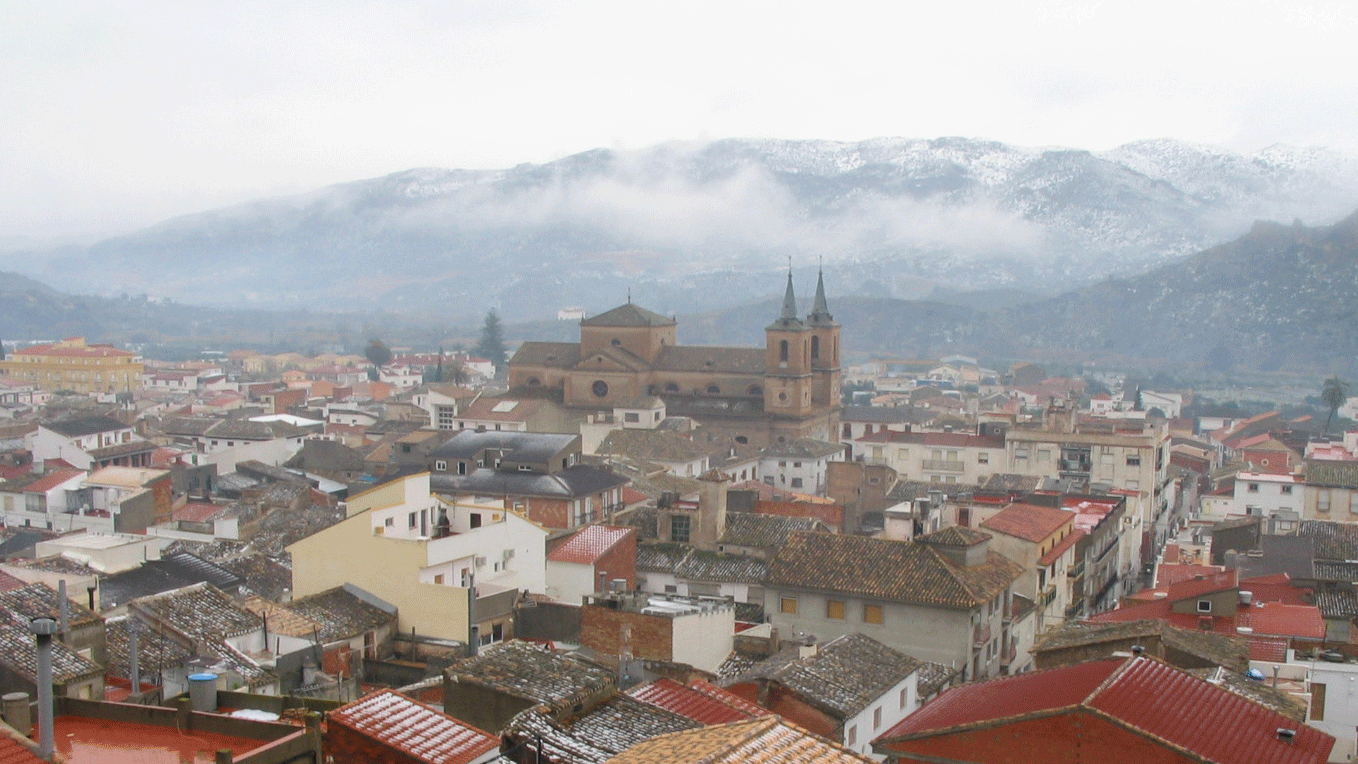
Winter is the mirror image. By November the returned families have gone, shutters bang shut in the breeze, and the village reverts to its core of 300 souls. Temperatures drop to 5 °C at night – houses are built for summer heat, so bring a jumper and expect to see your breath in the bedroom. On the plus side, the light turns sharp and golden, perfect for photographing those narrow lanes without a single parked car to spoil the 19th-century mood.
Getting Here, Staying Put
You need wheels. The Alsa bus from Almería arrives mid-afternoon, pauses just long enough for the driver to smoke a Ducados, then rumbles on towards Baza. Car hire from Almería airport takes 75 minutes on the A-92, last 12 kilometres on the AL-8402 where the tarmac narrows and goats have right of way. Accommodation is either the Hotel Almanzora – ten rooms above the riverbed, €55 a night including breakfast of rubbery toast and industrial jam – or one of three rural houses rented out by Dutch owners who discovered the valley before the Spanish did. Expect stone floors, beams blackened by centuries of cooking smoke, and Wi-Fi that works only in the kitchen.
Stay longer than two days and you'll fall into the rhythm: coffee at eight, almond walk at ten, beer at one, siesta till four, another walk at six, dinner at nine, stars so bright they make you blink. There's nothing to tick off a list, no ticketed attraction, no fridge magnet to prove you came. That's precisely why people who find Armuna de Almanzora tend to come back – not for what it offers, but for what it refuses to become.