Full Article
about Bacares
High-mountain village in the Filabres; known for its Cristo and dense forest setting.
Hide article Read full article
A village shaped by wind and hillside
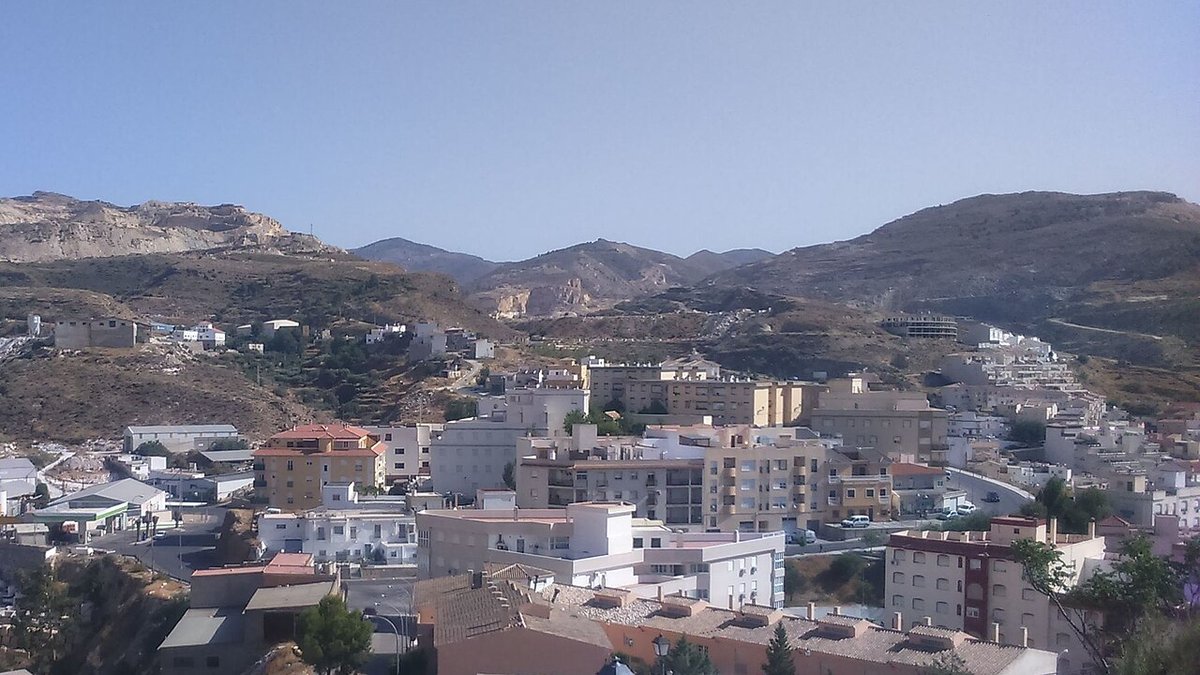
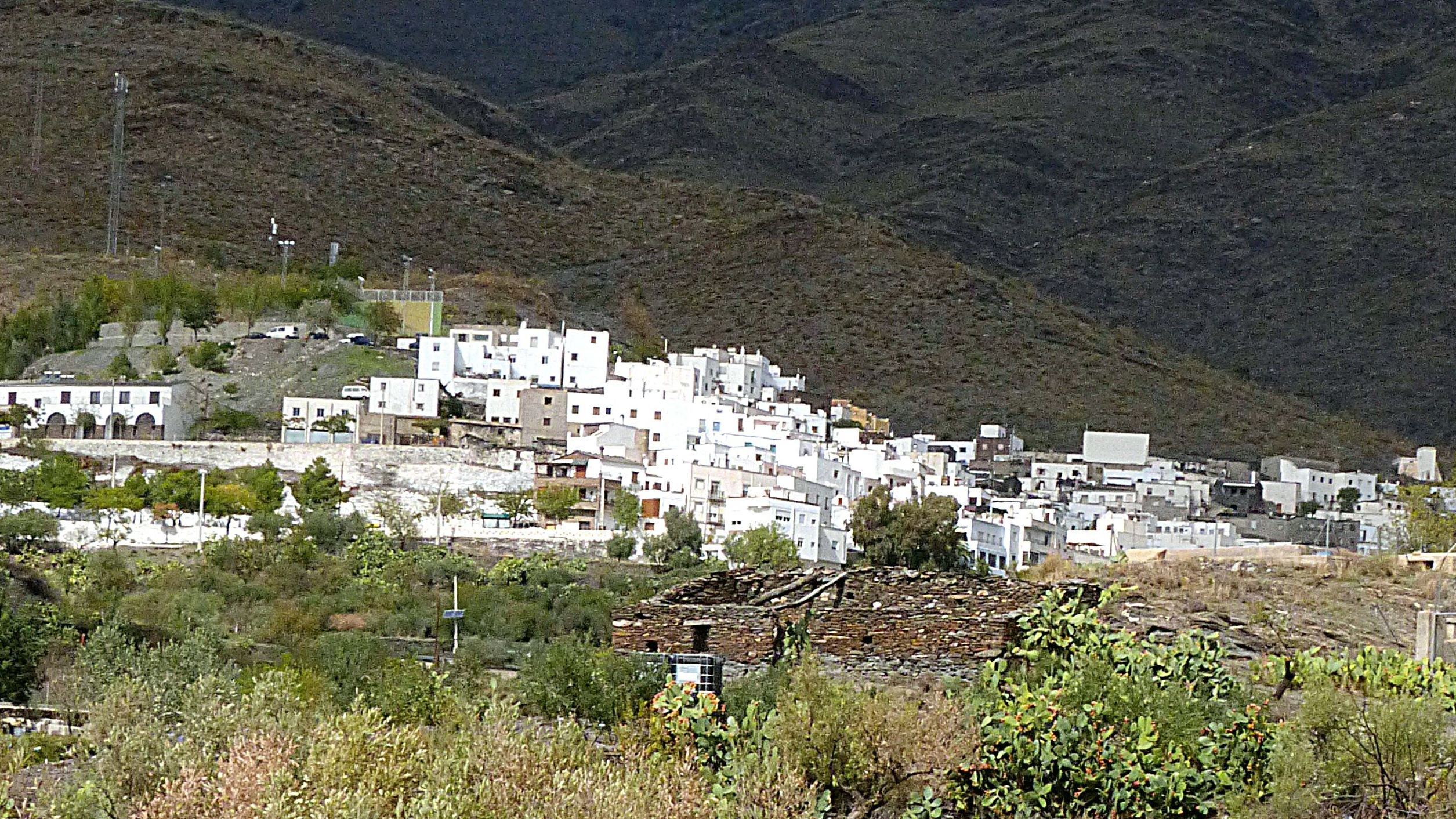
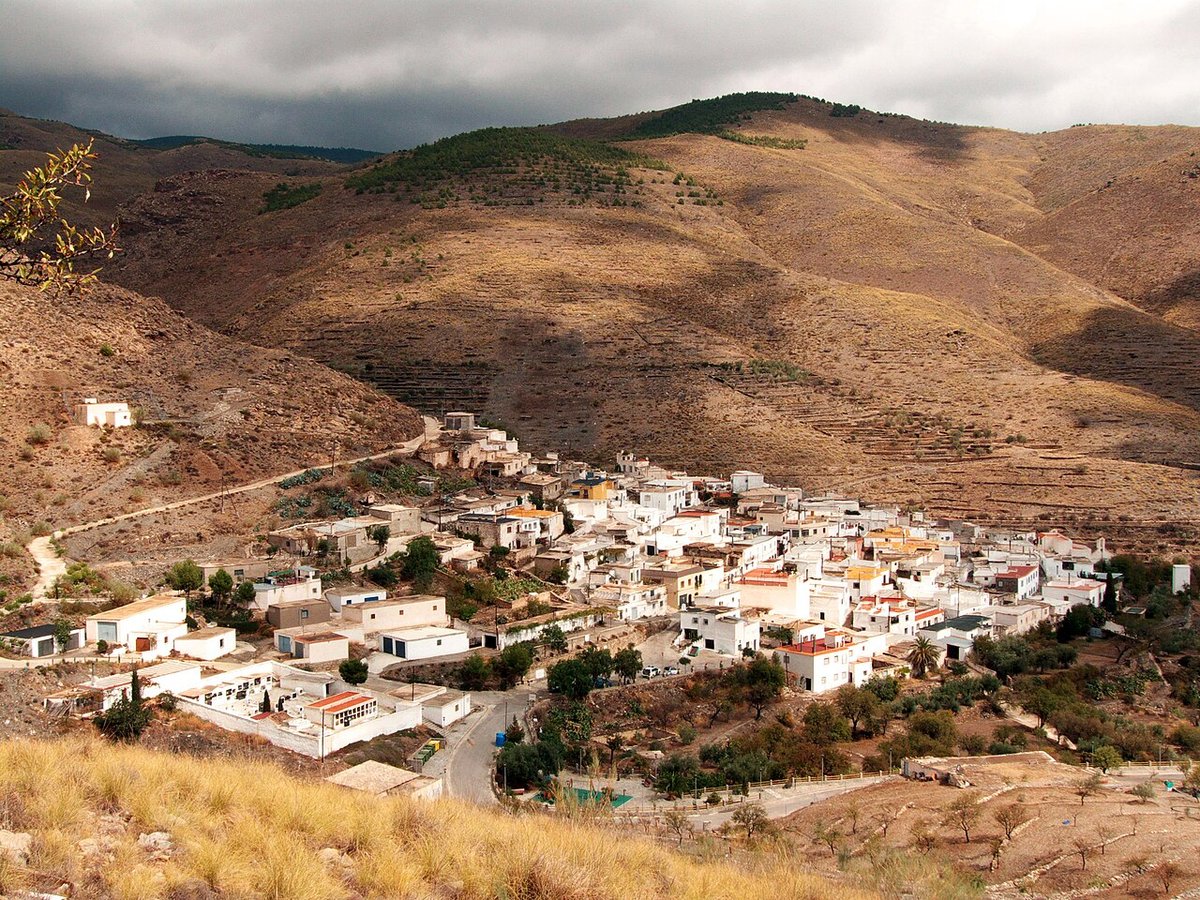
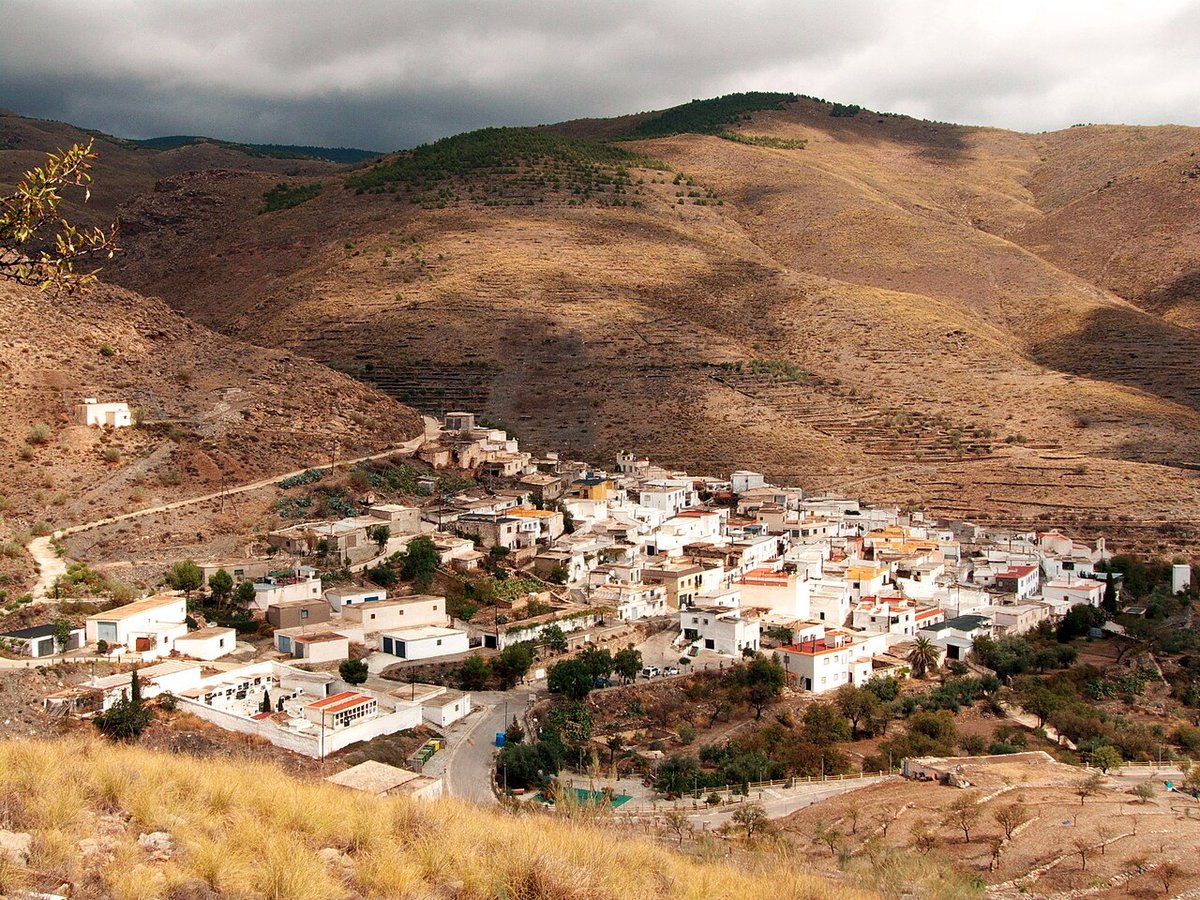
The wind tends to arrive first. It comes down the slopes of the Sierra de los Filabres and crosses the viewpoint of the Tetica de Bacares with a dry, steady sound, shifting the low grasses that grow between the rocks. From up there, the whole valley opens out: a small cluster of white houses clinging to the incline, surrounded by hills in shades of grey and green that shift as the light changes through the day.
Bacares, with around 226 residents, sits on a steep slope in the Valle del Almanzora. The old centre is arranged in narrow streets that climb and dip without any obvious pattern. In some stretches a car can barely pass, while in others walking is the only option. Many houses still keep older features: dark iron balconies, heavy wooden doors and inner courtyards where pots of rosemary, basil or a trailing vine provide shade when the heat builds.
San Blas and the shape of the town
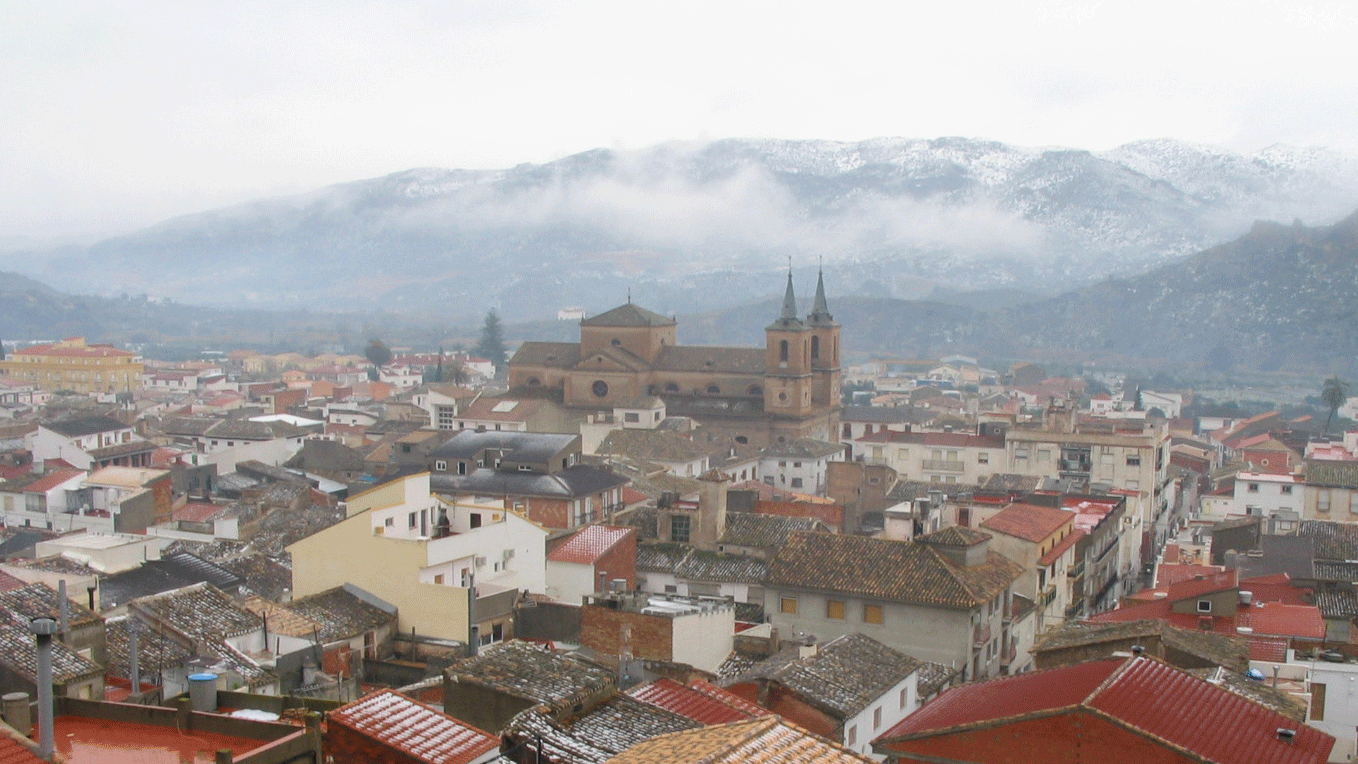
The tower of the Iglesia de San Blas appears before reaching the village itself. From the road, it rises above the rooftops and gives the first clear outline of Bacares. The current building dates from the 16th century, though later repairs and alterations are visible in its materials and interior details. It is not an elaborate church. The overall feel is restrained, in keeping with a small mountain settlement.
Around it lie some of the oldest streets. In the late afternoon, when the sun drops towards the west, light reflects off the whitewashed walls and creates sharp contrasts of brightness and shadow across the steep lanes.
Paths, slopes and the edge of the Sierra
The countryside begins almost at the last house. Scattered holm oaks stand among areas of exposed rock, while pines grow higher up the slopes. Narrow ravines cut through the terrain, and old terraces still mark the places where farming once covered more of the hillside.
Paths leave directly from the village, routes that have been used for generations to move between small orchards, water sources and cortijos, the rural buildings typical of this part of Spain. Some walkers head towards a spring known as the Fuente del Espino. It is a small source surrounded by vegetation, where water continues to flow even during dry periods, although the volume varies quite a bit from year to year.
On especially clear days, looking out towards the horizon, it is possible to make out the distant outline of Sierra Nevada.
Dark skies and quiet nights
After nightfall, Bacares becomes almost completely dark. There are few streetlights, and the surrounding mountains absorb much of the remaining glow. In summer, when the sky is clear, the Milky Way appears with notable clarity. No telescope is needed. It is enough to look up for a few minutes and let your eyes adjust.
The soundscape changes as well. During the day there may be the noise of a passing car or tools in a garage. At night, crickets take over, occasionally joined by the distant bark of a dog somewhere near a cortijo.
Food from the mountains
Cooking here remains closely tied to what is raised or grown nearby. Olive oil is a constant, along with cured meats prepared in the mountain air and goat’s cheeses typically made in small local operations. In winter, the dishes become more substantial. Migas, a traditional dish based on fried breadcrumbs or flour, are still common when the weather turns cold, especially during family gatherings or days spent outdoors.
Long-simmered stews also feature, combining meat and seasonal vegetables. These are meals designed to stay on the heat for hours while the wind presses against the walls outside.
Festive moments through the year
The best-known celebrations are dedicated to San Blas, usually in February. During these days the village becomes noticeably busier. Many residents who live elsewhere return, and the streets regain a level of movement not seen for the rest of the year.
A similar change happens in August. The heat can be intense, yet families with ties to Bacares come back for the summer period. At night there is music in the square, and conversations stretch on well into the evening.
Reaching Bacares and moving around
Bacares is not far from the city of Almería in terms of distance, but the final stretch of road crosses mountainous terrain with bends and changes in elevation. It is best approached with time to spare, and driving at night is best avoided if the area is unfamiliar.
Once in the village, the most practical option is to leave the car in the lower part and continue on foot. The slopes are demanding, yet walking is the only way to understand how this place is built into the hillside. Everything here, streets, houses and small cultivated plots, was shaped around the mountain long before cars were part of daily life.