Full Article
about Bayarque
A small green corner in the Sierra de los Filabres; perfect for unwinding and connecting with nature.
Hide article Read full article
A hillside village in Almería
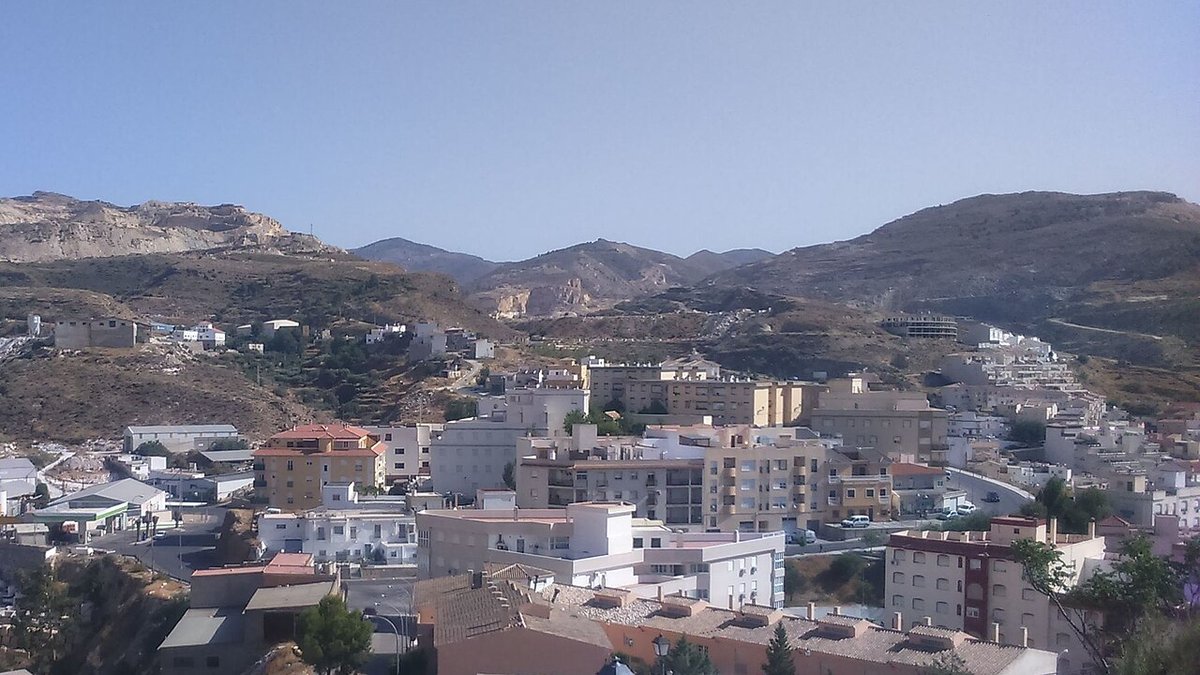
Bayarque sits on the slopes of the Sierra de los Filabres, around 800 metres above sea level, within the Almanzora Valley in Almería province. Just over 200 people live here. Reaching it means leaving main roads behind and taking quieter secondary routes, with the final stretch best driven slowly.
It makes sense to park near the top, close to the church. The centre is a tangle of narrow, steep streets where driving quickly becomes impractical. On foot, the whole village can be seen in about an hour. Daylight helps, and there is no need to rush.
A place shaped by its scale
Bayarque is small and very calm. Whitewashed houses line short streets that rise and fall constantly. There are no large monuments or a historic centre that demands a long visit.
Even so, it does not feel abandoned or purely decorative. This is still a lived-in place. Around the village, terraces hold olive and almond trees, and a short walk out leads straight into open countryside.
The church and the square
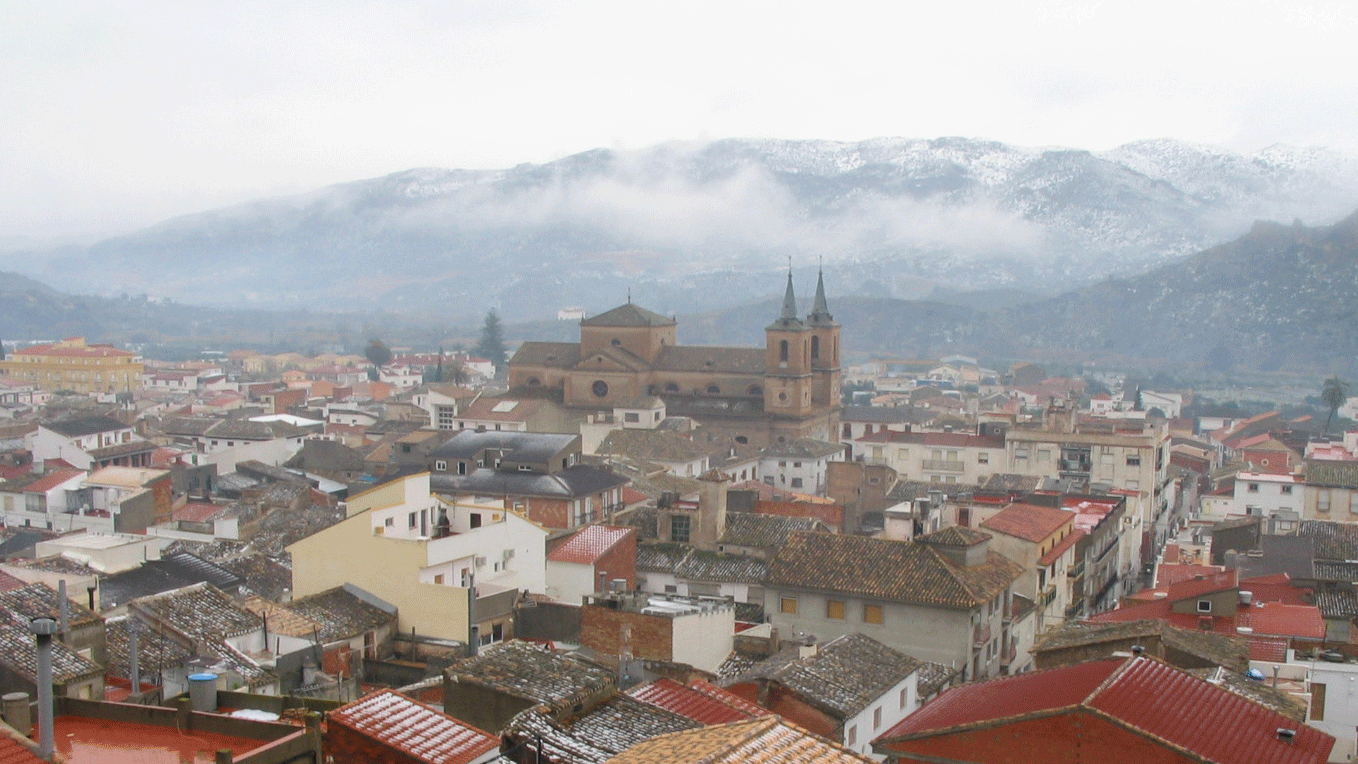
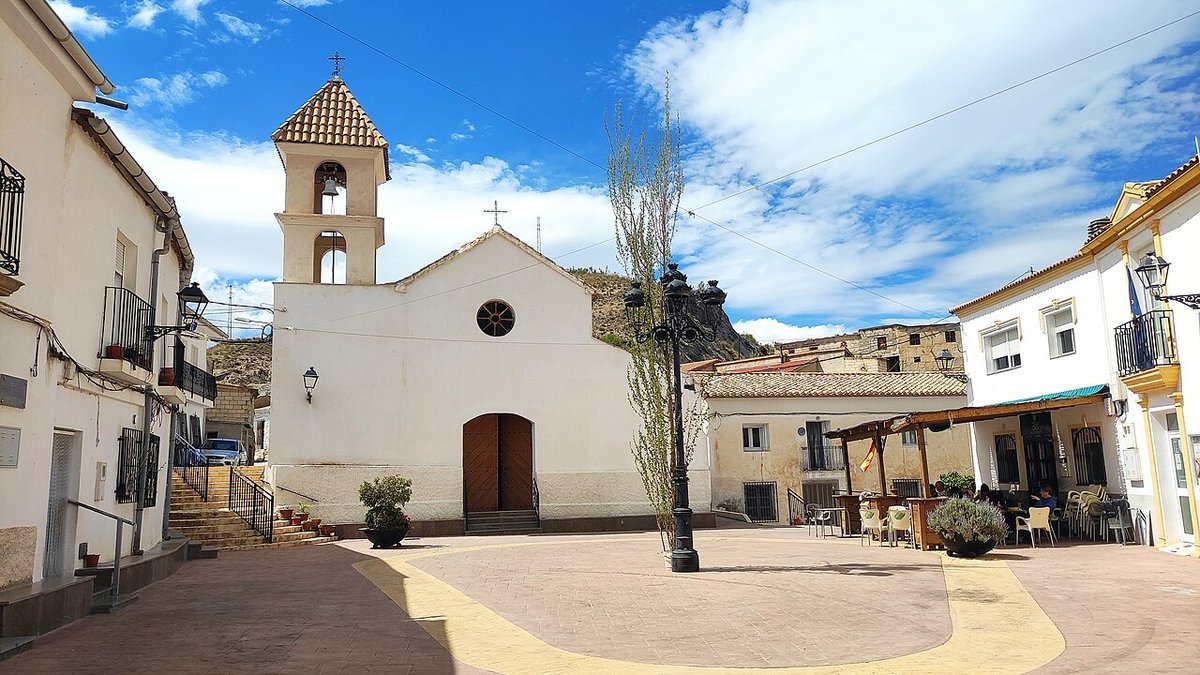
The Iglesia de San Sebastián stands at the centre of the main square. It dates back to the 16th century, though its current appearance is plain and functional rather than striking.
The square itself is modest in size. It acts as the village’s focal point, where what little activity there is tends to gather. Several streets slope downwards from here, quickly leading into quieter corners.
Streets and houses
The layout follows the pattern typical of mountain villages. Streets are narrow and uneven, climbing and dipping without much order. Some houses still have old wooden doors and small windows.
Many of these homes were directly tied to agricultural life. It is easy to spot spaces that once served as corrals, storage rooms or areas for keeping tools. That practical way of organising a house is still visible today.
Views over the Almanzora Valley
Once outside the built-up area, there are several spots where the land opens out towards the valley. The view takes in scattered olive groves and wide stretches of dry terrain between the surrounding sierras.
On clear days, looking south, the peaks of Sierra Nevada can sometimes be seen in the distance. It depends heavily on visibility, so it is not guaranteed.
The old washhouses
Near the Los Canasteros river, there are old washhouses that remain from earlier times. For decades, they were part of daily life in Bayarque.
They offer a simple way to understand how these communal spaces once worked, when water was shared for all kinds of uses. Today they stand as a reminder of that routine.
Paths into the surrounding landscape
From Bayarque, paths lead out towards small hamlets and into the surrounding hills. These are straightforward routes, passing through olive trees, low pines and open ground.
It is worth checking your route before setting out. The sun is strong for much of the year, and some stretches offer little shade. Carrying water and basic protection from the sun is essential.
Birds and terrain
In the nearby ravines, birds of prey can sometimes be seen if you look up. Eagles or falcons may appear circling above.
It is not a destination specifically geared towards birdwatching, but the landscape creates the right conditions for occasional sightings.
Food and everyday life
Services in Bayarque are very limited. The food associated with the area is traditional and simple, typical of this part of Andalucía: migas, winter stews, homemade cured meats, olive oil and almonds.
There is no wide range of places to eat. This remains a small village with a quiet daily rhythm.
Local celebrations
The main festivities take place in January, in honour of San Sebastián. They are simple celebrations, centred on the local community.
In summer, people with family ties to the village often return, and Bayarque becomes a little livelier for a time.
A brief, quiet stop
Bayarque suits a short visit while travelling through the Almanzora Valley. A slow walk, a look out over the landscape, and then moving on is enough.
The appeal lies in its simplicity.