Full Article
about Cantoria
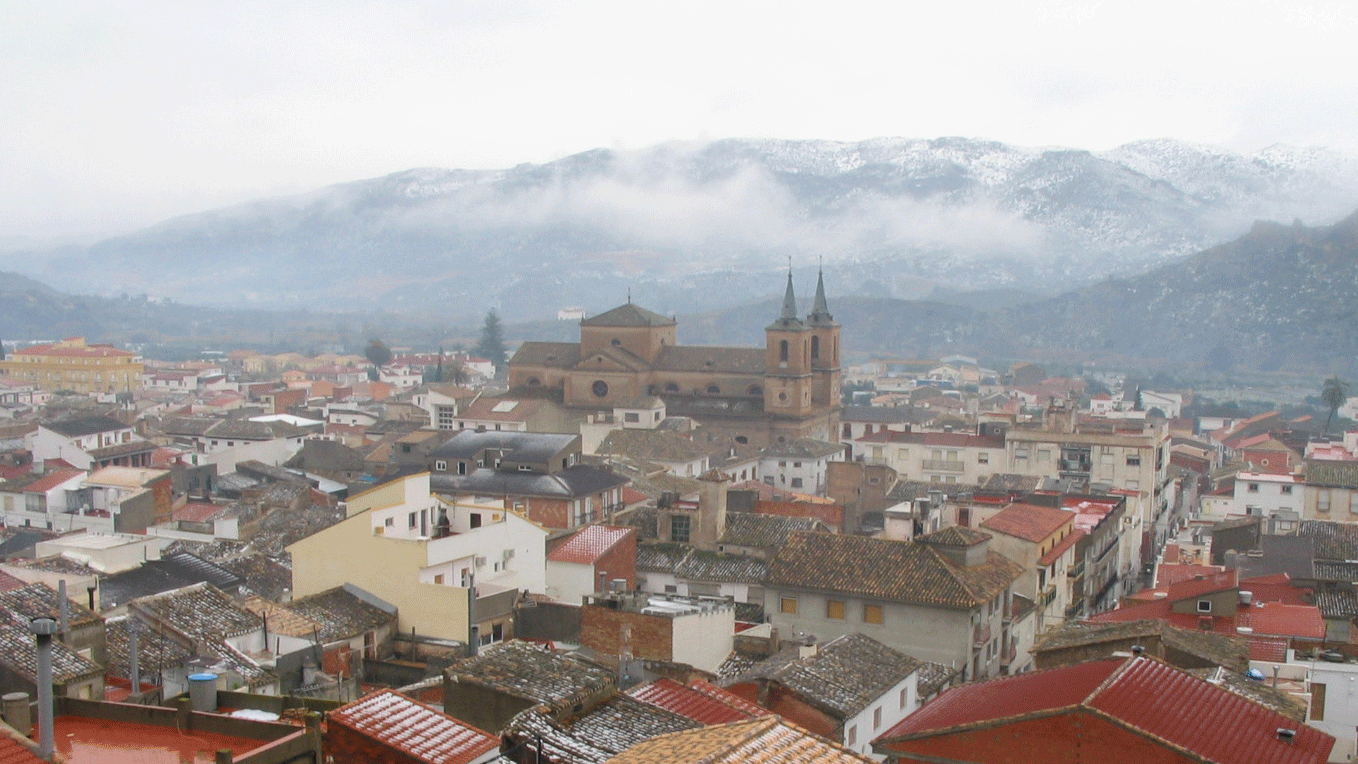
Manor town in the valley with a rich architectural heritage; former seat of the Marquisate of los Vélez
Hide article Read full article
Cantoria: A Town That Doesn't Need Your Postcard
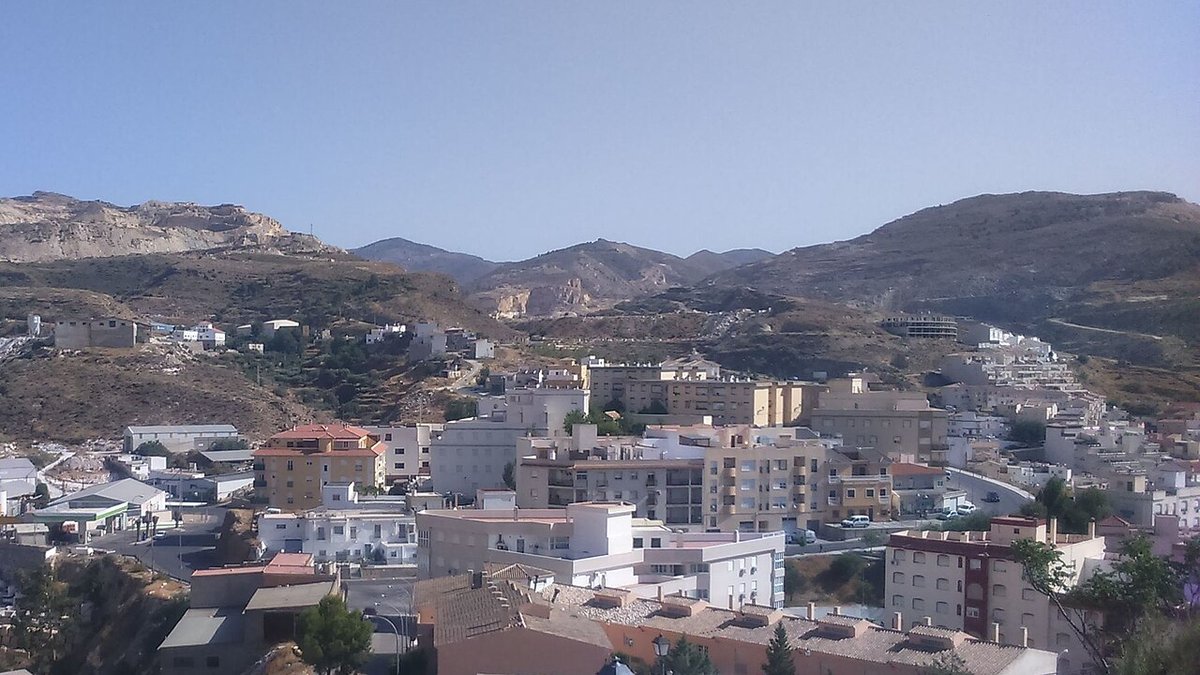
You know how some towns feel like a stage set? Cantoria isn’t one of them. Driving into the Almanzora Valley, you’ll see the giveaway first: lorries hauling huge blocks of marble. That’s the real soundtrack here, not flamenco. This is a working town of about 3,500 people where life has been quietly reshaped by two things: stone and, surprisingly, a steady British accent you’ll hear ordering a té con leche at the bar.
The change is recent. Twenty years ago, this was just another inland Almerían town. Now, there’s an international layer baked into the daily rhythm. But don’t get it twisted; the core is stubbornly local. Life still moves at the pace of work and family, framed by dry ramblas and almond groves.
A Church Built on Patience and Second-Hand Parts
The main church tells you a lot about how things get done around here. They started building it in the early 1800s and kept at it for decades, which was pretty standard for rural Spain. Money came and went, so work did too.
The best story isn’t about the architecture, though. It’s about the iron railings inside. Locals insist they were brought here from a church in Madrid. Can you imagine that logistics problem centuries ago? It feels like a massive house move across the country. They even reused bells and parts of the organ from elsewhere. Nothing was wasted; everything found a second life.
Eat Like Someone's Abuela is Cooking
Get ready for rabbit. It’s everywhere here, usually al ajillo or stewed until it falls apart. Every family has their own version, and debates over garlic levels or cooking time are serious business.
Then there’s gazpacho cantoriano. Forget everything you know about cold tomato soup. This is served hot, thick, and hearty enough to be a full meal. It’s peasant food designed to keep you going.
Come August for the fiestas, and the whole town shifts gear. The streets fill, music gets louder, and the smell of cooking spills out from the peñas. It’s also when you really see the mix of old residents and new neighbours in action, with conversations flipping between Spanish and English over shared plates.
Stretching Your Legs Without The Crowds
Cantoria won’t be on any top hiking lists, and that’s precisely why it works for a quiet walk.
You can head up towards the Piedra del Lugar Viejo, a short two-kilometre stroll where you might spot remnants of old settlements from Al-Andalus times. There are no signs or boardwalks here. You have to go slow and use your imagination.
For the view, climb up to the Torreta, an old watchtower on a hill. From there, the valley makes sense: those dry ramblas cutting through fields, little clusters of houses clinging to slopes.
Check out the Rambla de las Horcas too. After heavy rain it feels raw and sculpted by water. In spring, with almond trees in bloom against that stark backdrop, it's a different place entirely.
The Real Engine: Stone
Forget tourism brochures. Cantoria's heartbeat is marble. The Almanzora area has been defined by it for ages.
Those lorries you see are heading to workshops where blocks get turned into kitchen counters or floor tiles destined for places far from here. There's something about that contrast that sticks with you: raw material shipped globally while life in town remains firmly local, with chats that start in the plaza and finish around any corner.
So, Should You Go?
It depends what you're after.
If you want pristine white villages curated for photos, look elsewhere. Cantoria is grittier than that; a place shaped by agriculture first, then marble money, now an international community finding its feet.
The way to see it is without hurry. Walk the streets when everyone's at work around midday—they're almost empty then—pop into that church with its recycled railings (if it's open), drive up for that valley view from above.
A local once told me plainly: "Here we live off stone." Tourism happens alongside but doesn't drive anything yet. That sums up Cantoria pretty well—it works its own land while sending pieces of it out into the world