Full Article
about Chercos
Municipality split into Chercos Viejo and Nuevo; known for its prehistoric rock carvings.
Hide article Read full article
A detour above the Almanzora Valley
Some villages are planned stops. Others appear because someone says, “carry on a bit further up.” Chercos belongs to the second group. The road that climbs from Cantoria forces you to slow down whether you intend to or not. A few more bends, a steady ascent away from the Almanzora Valley, and the landscape begins to feel different. That is part of tourism in Chercos: leaving the valley floor behind, taking the curves at an easy pace and arriving somewhere that seems to run on a quieter clock.
Nothing here feels arranged for effect. The village has not been polished or repackaged. It simply carries on at its own rhythm, much as it has for decades. That steady pace shapes the first impression and lingers long after you leave.
Streets shaped by climate and work
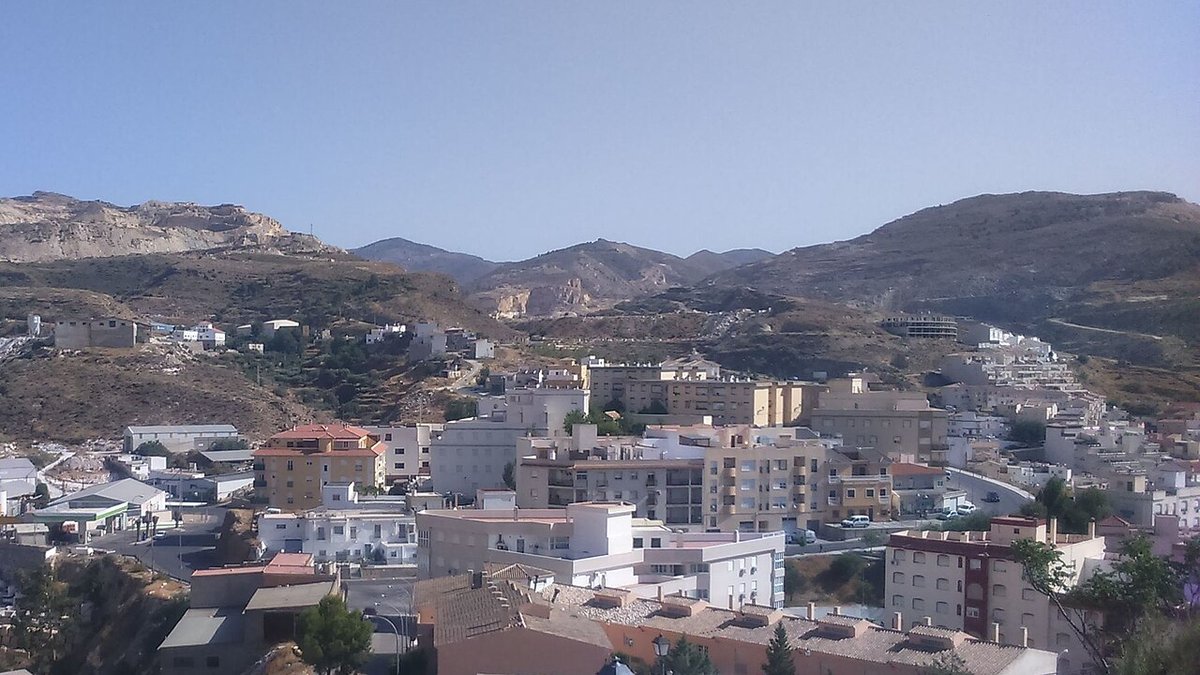
Chercos has around 300 inhabitants and sits at roughly 800 metres above sea level. The altitude makes itself known. In summer there is usually a little more breeze than down in the valley. In winter the temperature drops quickly once the sun disappears behind the slopes.
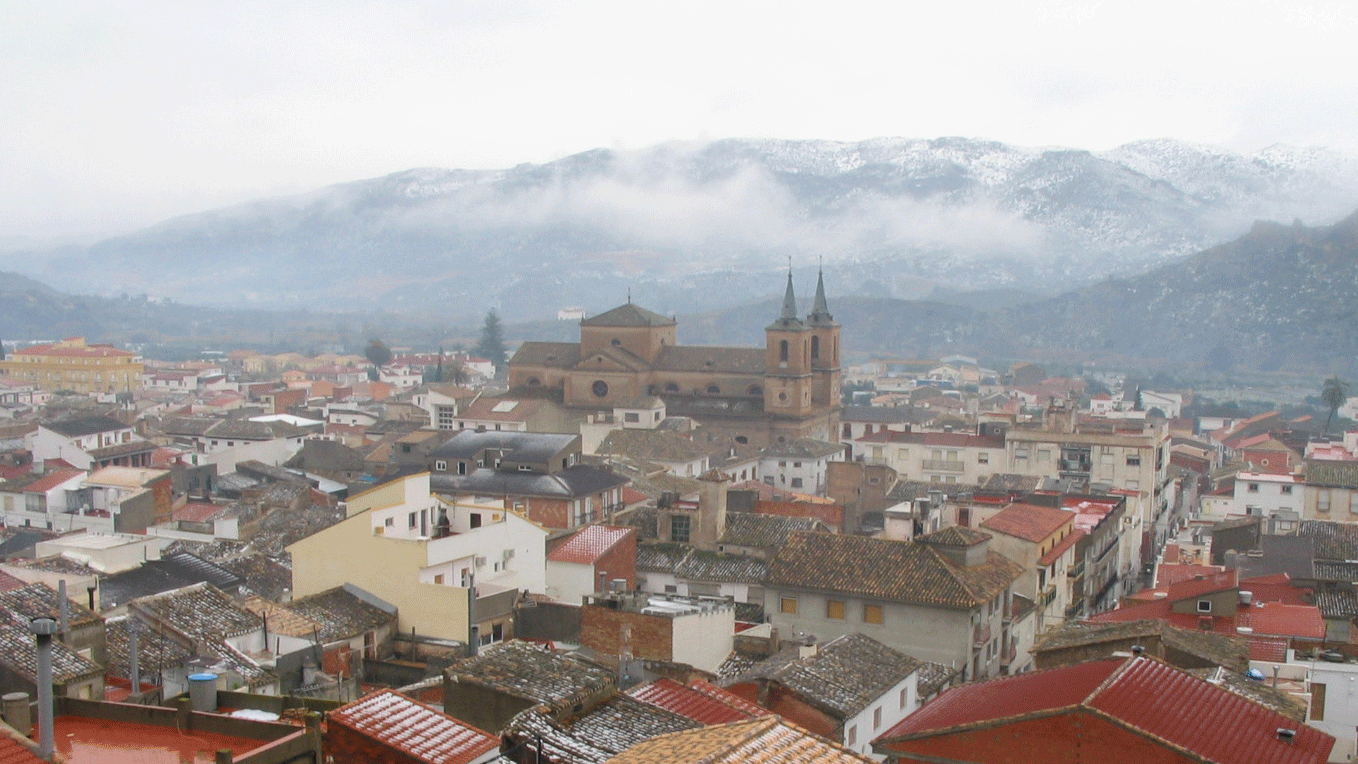
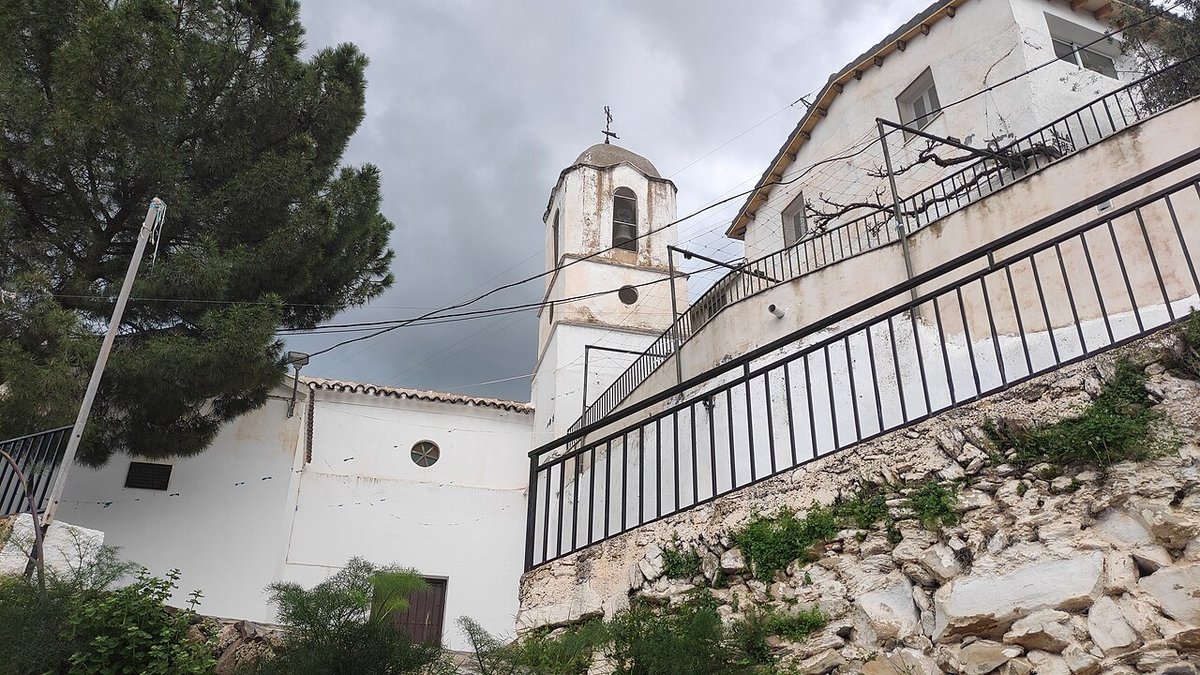
The houses follow the familiar pattern of this part of Almería: whitewashed walls, tiled roofs and buildings designed with practicality in mind. The details emerge when you look more closely. Cylindrical chimneys rise from some rooftops. Small wooden eaves project over doorways. Behind solid doors there are interior patios where tools are still stored or pots of plants are arranged against the walls.
The urban centre consists of only a handful of streets and can be covered in a short walk. There are no grand historic buildings or monumental squares. Instead, everyday traces stand out: a vegetable plot pressed up against a house, old animal pens, signs that agriculture and livestock once set the daily schedule. For a long time, they were not background activities but the core of local life.
Paths towards the Sierra de los Filabres
Chercos is surrounded by the slopes of the Sierra de los Filabres. Step out of the village on foot and you quickly reach dirt tracks that climb towards the higher ground or descend into ravines and agricultural terraces.
Between February and March the almond trees usually come into blossom. The change in the landscape is noticeable. White flowers spread across terrain that, for much of the rest of the year, leans towards ochre and grey. It is a brief shift in colour, but one that alters the mood of the hills.
Many of the paths have deep roots. They were once the routes linking Chercos with other villages in the Almanzora Valley, back when travelling meant walking or using pack animals. In some stretches, old cobbled sections remain. On certain hillsides, abandoned terraces are still visible, reminders of fields that were once cultivated by hand.
At night, a short walk away from the built-up area is enough to find very dark skies. Artificial light is limited. It is the kind of place where looking up becomes instinctive, and it is easy to understand why people who worked the land have always paid attention to the stars.
Sierra cooking that satisfies
Food in Chercos is closely tied to what the surrounding land has traditionally produced. The dishes are hearty, based on pulses and slow-cooked stews, with recipes passed down through families.
Gachas, a thick dish often made with flour and typically eaten in colder weather, appear on many tables when the temperature drops. Game stews are prepared when the season allows. Almonds, so present in the surrounding countryside, frequently find their way into sweets that are made for festivals or family gatherings.
There is no expectation of modern twists or culinary experiments. This is cooking centred on the pot and the spoon, bread on the table and second helpings if there is still some left. It reflects the same straightforward approach that shapes the houses and the fields.
The calendar of the village
Like many small Andalusian communities, Chercos follows the traditional religious calendar. The patron saint is the Virgen del Rosario, and her feast day is usually celebrated in autumn. The programme includes a procession and music, along with the atmosphere of reunion that defines small villages when families and former residents return.
Summer brings its own celebrations, especially when those who live elsewhere during the year come back. Open-air dances, gatherings in the square and a noticeable increase in activity transform a place that is normally quiet. For a few days, the streets feel fuller and the pace livelier.
Beyond the official festivities, rural routines still shape the year. The almond harvest, the care of olive trees and work in family vegetable gardens continue to mark time. These tasks may no longer dominate life as they once did, yet they remain part of the village’s identity.
The road up
Reaching Chercos usually means travelling by road from the Almanzora Valley. The final stretch is an uphill section with bends that encourage patience. It is a drive best taken without hurry, allowing the landscape to unfold as the altitude increases.
Chercos is not set up for large crowds or for a weekend packed with activities. That is part of its appeal. You arrive, wander through its few streets, look out towards the Sierra de los Filabres and quickly grasp how this kind of village works. In a short time, you have seen almost everything. Yet the impression tends to last longer than the visit itself.