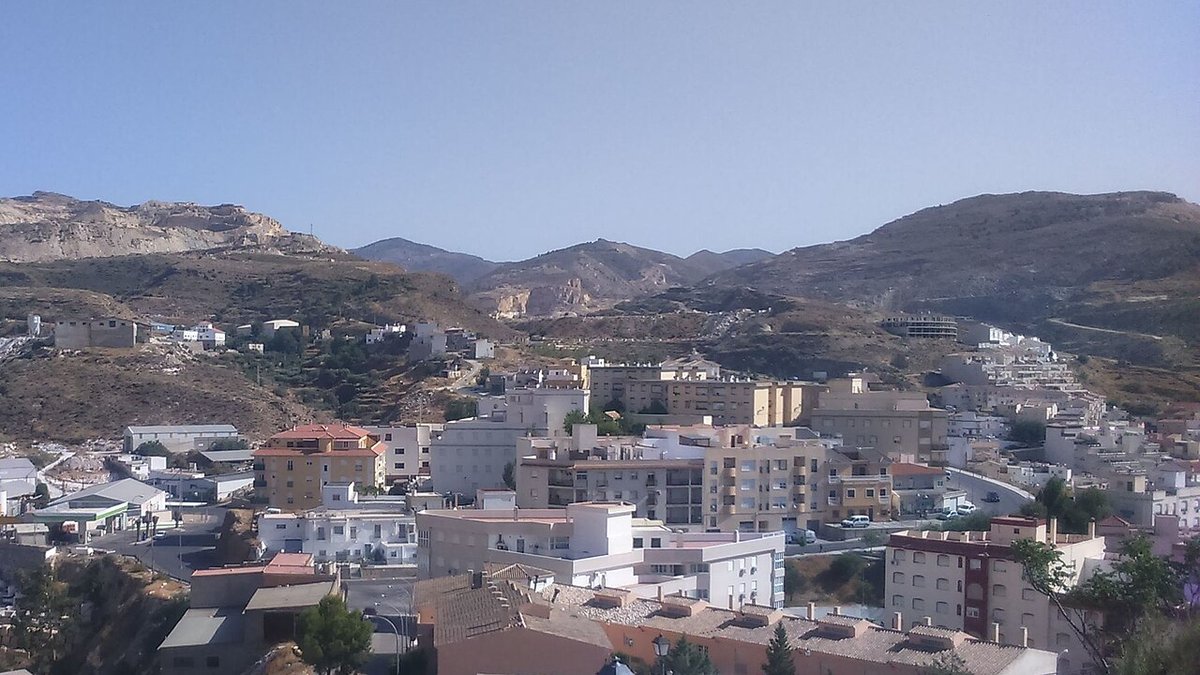
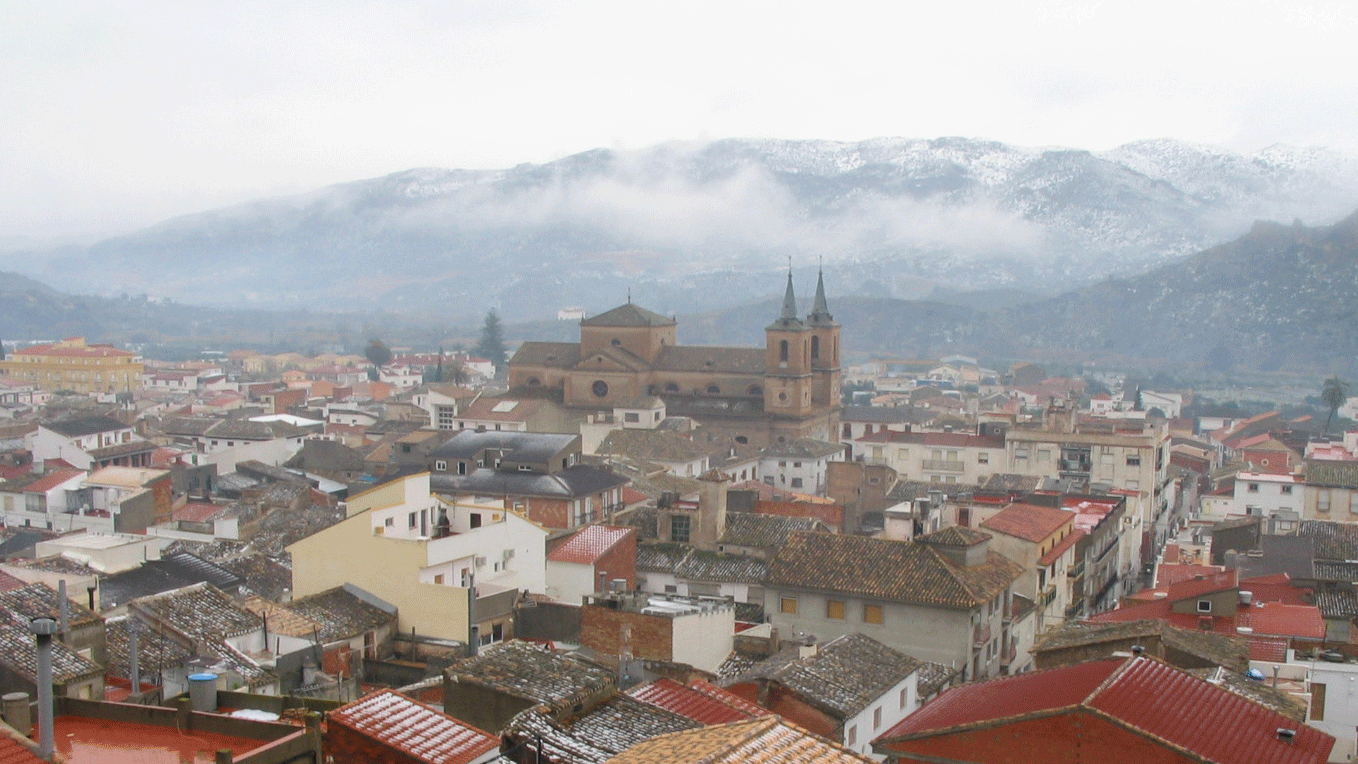
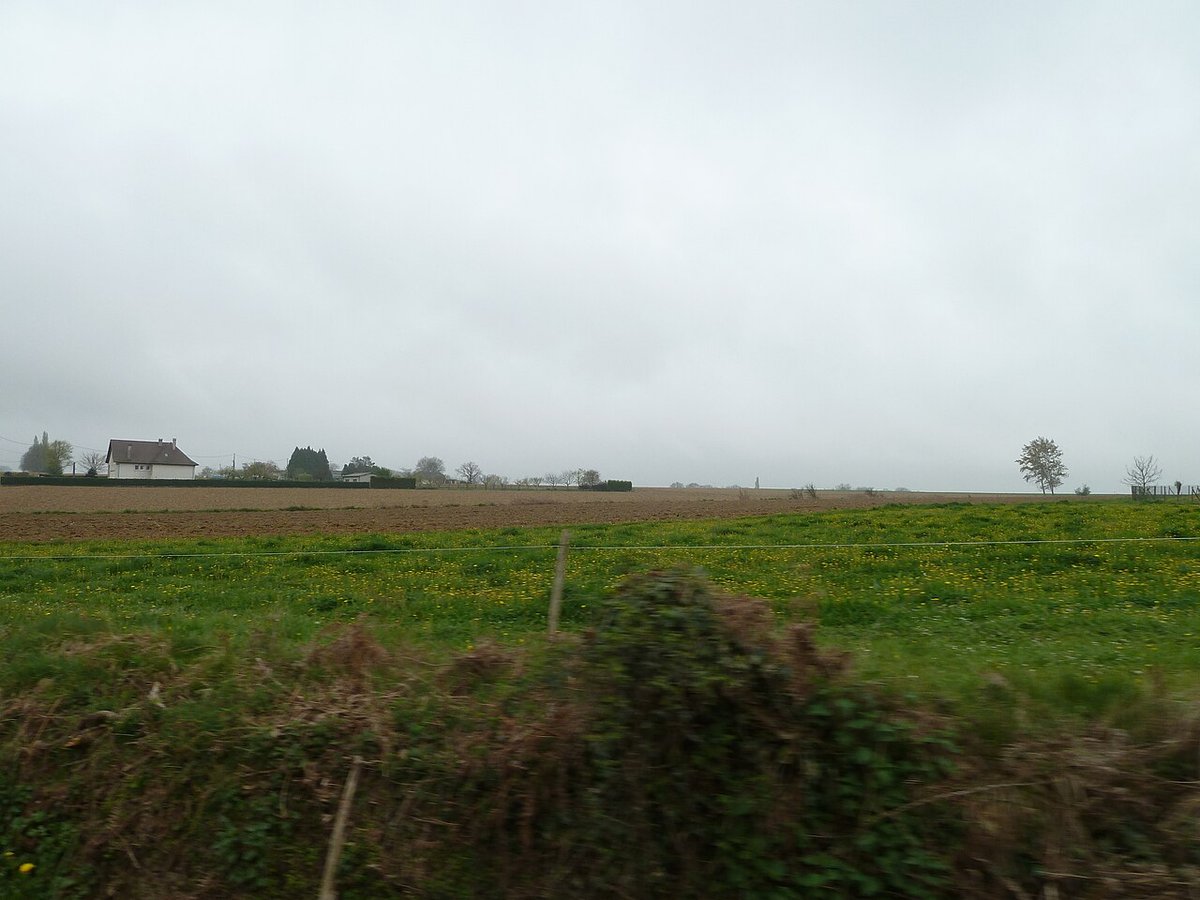
Vista aérea de Cóbdar
Instituto Geográfico Nacional · CC-BY 4.0 scne.es
Andalucía · Passion & Soul

Cóbdar

At 605 metres above sea level, Cóbdar is high enough for the air to feel thinner, but low enough for the Mediterranean sun to still bite. The villa...

169 inhabitants · INE 2025
605m Altitude

Why Visit

Cóbdar Rock Rock climbing at La Peña

Best Time to Visit

spring

Virgen de la Piedad fiestas (August) agosto

Things to See & Do
in Cóbdar

Heritage

  • Cóbdar Rock
  • Santa María Church
  • public washhouse

Activities

  • Rock climbing at La Peña
  • Hiking
  • Quarry tours

Festivals
& & Traditions

Fecha agosto

Fiestas de la Virgen de la Piedad (agosto), San Sebastián (enero)

Las fiestas locales son el momento perfecto para vivir la autenticidad de Cóbdar.

Full Article
about Cóbdar

Known as the village of white marble; set beneath a towering rock face

Ocultar artículo Leer artículo completo

At 605 metres above sea level, Cóbdar is high enough for the air to feel thinner, but low enough for the Mediterranean sun to still bite. The village clings to a limestone ridge in Almería's interior, its white houses stacked like sugar cubes against ochre earth. With barely 140 residents, the mountains here outnumber the people – and they make sure you know it. Dawn light picks out the Sierra de los Filabres to the north; by dusk, the valley below has turned a soft mauve that photographers chase but never quite bottle.

This is not postcard Spain. There are no souvenir shops, no flamenco Tablaos, no ice-cream parlours doing roaring trade. Instead, you'll find a single grocery that doubles as the bread counter, a bar where the television stays on even when nobody's watching, and streets so quiet at siesta time that footsteps echo. Visit mid-January and you'll see the same villagers who greeted you in the morning shouldering effigies of San Sebastián through those streets, the procession squeezing past parked 4x4s and the odd roaming dog. Temperatures can dip to 4 °C; bring a fleece.

Walking on Empty

The best map is still the one drawn by Juanjo, the mayor's cousin, after his third beer. He'll tell you the path to the old threshing circles starts "where the tarmac ends and the almonds begin". From there a stony track climbs gently east, giving views across the Almanzora valley that stretch clear to the marble quarries of Macael. The round trip takes two hours, requires no specialist kit, and you will meet more ibex than humans. Spring brings a brief flush of poppies and wild thyme; by June the same ground is dust and dried esparto grass that scratches ankles.

Summer walking demands an early start. By 11 a.m. the thermometer on the bank flashes 34 °C and the only shade is under your own hat. Carry two litres of water per person; the nearest fountain went dry in 2022. Autumn is kinder: the light softens, fig trees along the track throw out a second crop, and you can reach the abandoned farmstead of El Romeral before the church bell tolls noon. Winter has its own rewards – crisp air, snow on the higher peaks, and an almost guaranteed parking space – but check the weather before you set off. A sprinkle of snow that would barely trouble the Pennines can cut the access road for half a day.

What Passes for Gastronomy

Lunch options inside the village amount to one bar and whoever feels like cooking. If María is in the mood she'll serve migas – fried breadcrumbs laced with garlic and scraps of chorizo – in a portion large enough to floor a builder. Ask for a café sombra (more milk than coffee) if the full-strength Spanish espresso makes your heart race. There is no wine list; the red comes from a plastic jug and tastes better than it should.

For something more formal, drive 22 km south to Los Olivos in Albox, where a British-trained chef does slow-cooked lamb that falls apart at the sight of a fork. Vegetarians usually end up with salad and a resigned expression; veganism is still regarded as a puzzling affliction. Bring euros – many places look blank at contactless cards, and the nearest cash machine is down the mountain in Serón.

When the Village Swells

August turns Cóbdar into a different place. Children of emigrants fly back from Stuttgart and Manchester, cars squeeze through lanes designed for mules, and the nightly verbena pumps out 90s Europop until the small hours. Book accommodation early; even the neighbouring towns fill up. The fiesta programme is printed on a single sheet of A4 taped to the church door: foam parties, sack races, and a communal paella that feeds 400 using rabbits shot the previous week. If you prefer your Spain silent, come in February instead. You'll get grey skies, wild asparagus sprouting by the roadside, and a welcome that feels almost apologetic for the weather.

Winter has practical drawbacks beyond snow. Heating in village houses is erratic; many rely on wood stoves and a single electric radiator. Night-time temperatures hover around freezing, and the marble floors so pleasant in July become sheets of ice for bare feet. On the plus side, landlords drop prices by half and nobody minds if you keep your coat on indoors.

Getting Here, Getting Out

Fly to Almería from Gatwick or Manchester with easyJet; the drive north takes 75 minutes on the A-92 and then the ALP-716, a switchback that climbs 500 m in 12 km. Petrol stations are scarce after Purchena – fill up while you can. A sat-nav will try to send you up an old mule track: ignore the robot and stick to the signposted road that hairpins past a derelict cortijo. In rain, this final stretch turns into a slalom of fallen rocks and wandering goats; first gear is your friend.

There is no bus. Taxis from Almería airport will cost around €120 and the driver may ask for cash up front. Car hire is essential, and a small SUV pays dividends when the verges crumble. Mobile signal cuts out after the last roundabout; download offline maps before you leave the dual carriageway. If the hire firm offers a Fiat 500 convertible, laugh politely and take the diesel.

Leave time for the return journey. The check-in girl at ALM has heard every excuse about mountain roads and alarm clocks that failed to chime. She remains unmoved.

Worth It?

Cóbdar gives back what you put in. Turn up hunting for souvenir fridge magnets and you'll be gone within the hour. Stay a couple of days, learn the name of the dog that follows you to the mirador, and you'll start measuring time by church bells rather than smartphone notifications. The village won't charm you in the way tourism brochures promise; it will simply continue existing, indifferent but not unfriendly, confident that tomorrow the sun will rise over the same ridges and the same two swallows will nest above the bar. For some travellers, that continuity is worth the tank of petrol and the patchy Wi-Fi. For others, the coast is only 45 minutes away – and it has ice-cream.

Key Facts

Region
Andalucía
District
Valle del Almanzora
INE Code
04034
Coast
No
Mountain
No
Season
spring

Livability & Services

Key data for living or remote work

2024
Connectivity5G available
HealthcareHospital 28 km away
EducationElementary school
Housing~5€/m² rent · Affordable
Sources: INE, CNMC, Ministry of Health, AEMET

Planning Your Visit?

Discover more villages in the Valle del Almanzora.

View full region →

More villages in Valle del Almanzora

Traveler Reviews