Full Article
about Líjar
Town known for its historic declaration of war on France; located in the Sierra de los Filabres
Hide article Read full article
A village that moves at its own pace
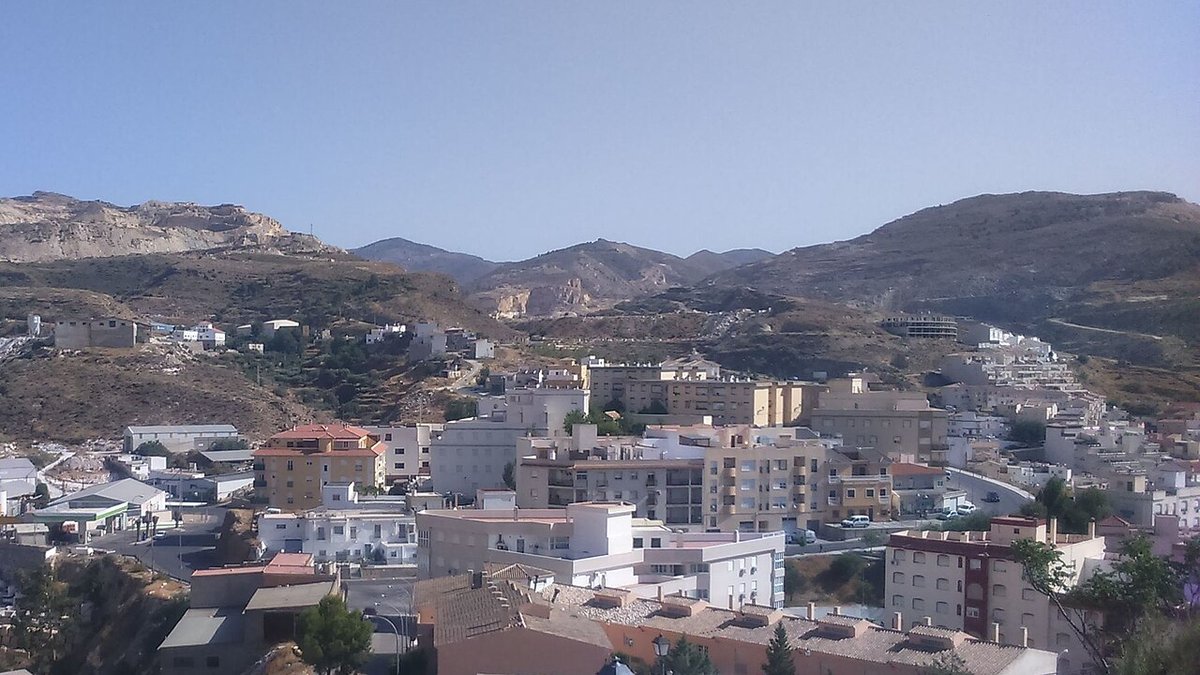
Early in the day, when sunlight still slips sideways into the Almanzora Valley, Líjar feels almost silent. A shutter lifts, someone sweeps the pavement with a palm broom, and water poured from a bucket runs slowly along the edge of the street. Tourism in Líjar does not revolve around grand landmarks or dramatic sights. What stands out instead is daily life, whitewashed houses pressed against the hillside, and a steady rural rhythm that has not disappeared.
Fewer than 400 people live here. The village spreads across a handful of streets that rise and fall with noticeable slopes. On many mornings, roosters make themselves heard before any cars do. Activity follows the needs of small vegetable plots, olive groves, and short walks between neighbours’ doorways. Murcia lies relatively close, and that proximity sometimes shows in the way people speak and in small shared customs on both sides of the mountains.
Traces of history on stone and plaster
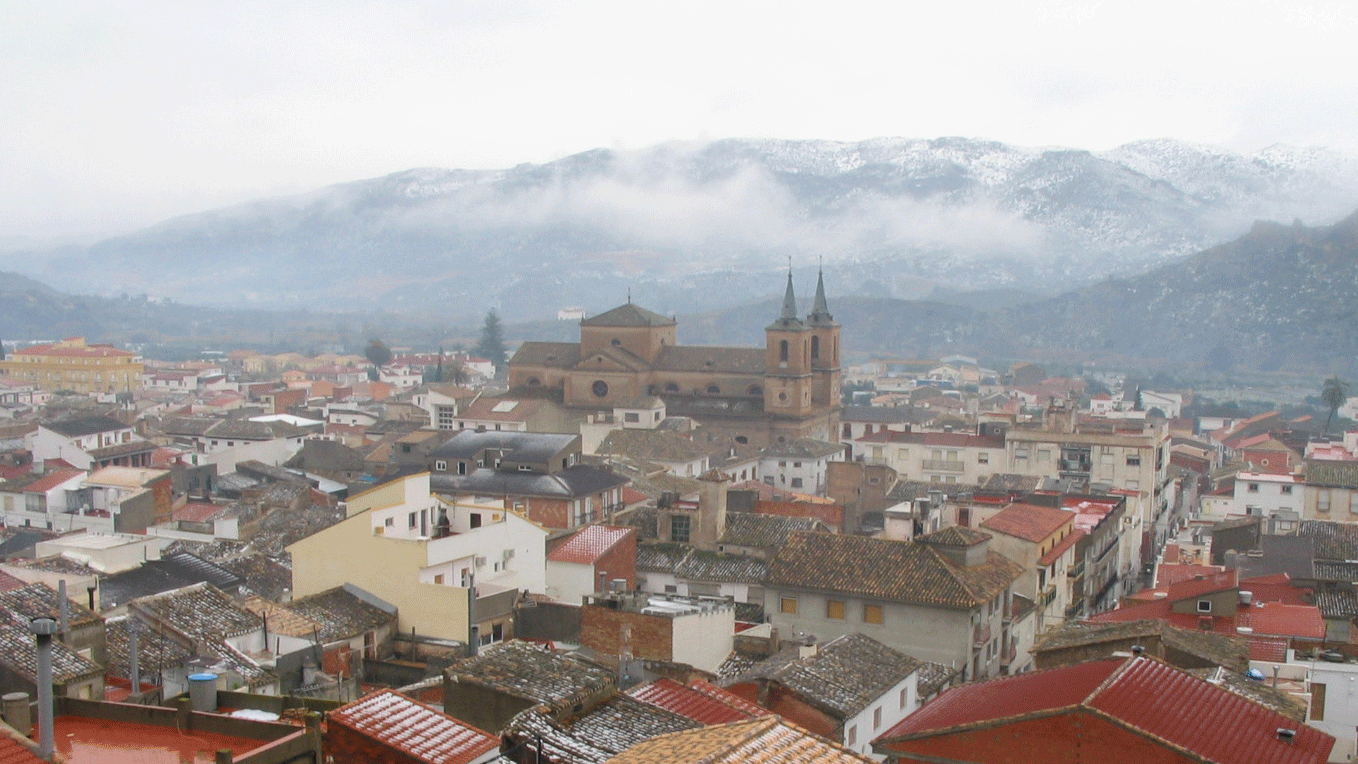
At the centre of Líjar stands the parish church of San José. The current building is usually dated to around the 16th century, although, as in many villages in the area, it has been altered over time. Its exterior is restrained: thick walls, a pale façade that reflects the midday light, and a small square where people stop for a chat.
Nearby streets preserve older layouts. Whitewashed façades carry small windows, dark iron grilles, and wooden doors worn by years of use. Walking here means slowing down. The slope demands careful steps, and each corner opens a gap towards the valley.
Higher up, the remains of an old fortification now act as a viewpoint. Very little of the original structure survives, yet the view justifies the climb. The Almanzora Valley stretches wide, with almond trees and olive groves forming irregular patterns across pale earth. In the evening, light settles over the hillsides in a clear golden tone.
Paths that lead out into the valley
The landscape around Líjar is best explored on foot. Agricultural tracks begin within the village and wind out through almond trees, terraced plots, and patches of low scrub. Many of these routes have been used for decades to work the land, so signposting is not always present.
It helps to carry a downloaded route on a phone or a simple map. The middle hours of summer are best avoided. The sun is strong here and shade is scarce once outside the village.
Spring brings a brief shift in colour when almond trees bloom across the valley. Autumn turns the surroundings drier and more ochre in tone, though the air is often clearer. Birds of prey can be seen gliding above rocky slopes. A quiet pause usually reveals the sound of blackbirds, the occasional kestrel, and wind moving through the higher branches.
Details in houses and streets
Part of Líjar’s appeal lies in small details. Geranium pots sit on window ledges. Whitewashed walls show patches where the lime has faded. Metal plates on doors bear the marks of long use.
Late afternoon changes the feel of the streets. As the sun drops behind the surrounding sierras, light enters at a low angle and picks out the texture of plaster and the stones underfoot. More neighbours step outside at that hour, and conversation returns to the village.
Food rooted in the surrounding land
Cooking in Líjar remains closely tied to what the nearby land provides. Winter brings more substantial stews made with pulses, seasonal vegetables, and meat. Summer shifts towards simpler dishes based on tomato, onion, olive oil, and bread.
Almonds appear frequently in traditional baking. Olive oil produced in the area is used widely, from savoury dishes to sweets.
Festivities and everyday life
The main celebrations tend to take place in summer, when many residents who live elsewhere return to the village. Streets become busier than usual, and gatherings continue late into the night in squares and courtyards.
Religious events still take place at different points during the year. These are not large-scale occasions. They usually involve short processions through the central streets, accompanied by neighbours and relatives.
Getting there and choosing the moment
Líjar sits in the Almanzora Valley, in the interior of Almería province. The journey from the provincial capital takes a little over an hour by car, following a mix of main roads and smaller routes that pass through other valley towns.
A car is almost essential for the area. Within the village itself, it is possible to park near the entrances and continue on foot.
Spring and autumn are often the most comfortable times to visit. Light feels softer, and walking in the surrounding countryside is easier without the intensity of summer heat.