Full Article
about Lúcar
Mountain municipality known for the Piedra Lobera Natural Monument; balcony over the Almanzora
Ocultar artículo Leer artículo completo
The church bell strikes noon and Lucar's single cafe empties within minutes. Men in work boots shuffle home for siesta while the village's elderly women claim the remaining chairs, their conversation carrying across the plaza where almond trees drop petals onto the warm stone. At 895 metres above sea level, the air carries a crispness that coastal Almería never achieves.
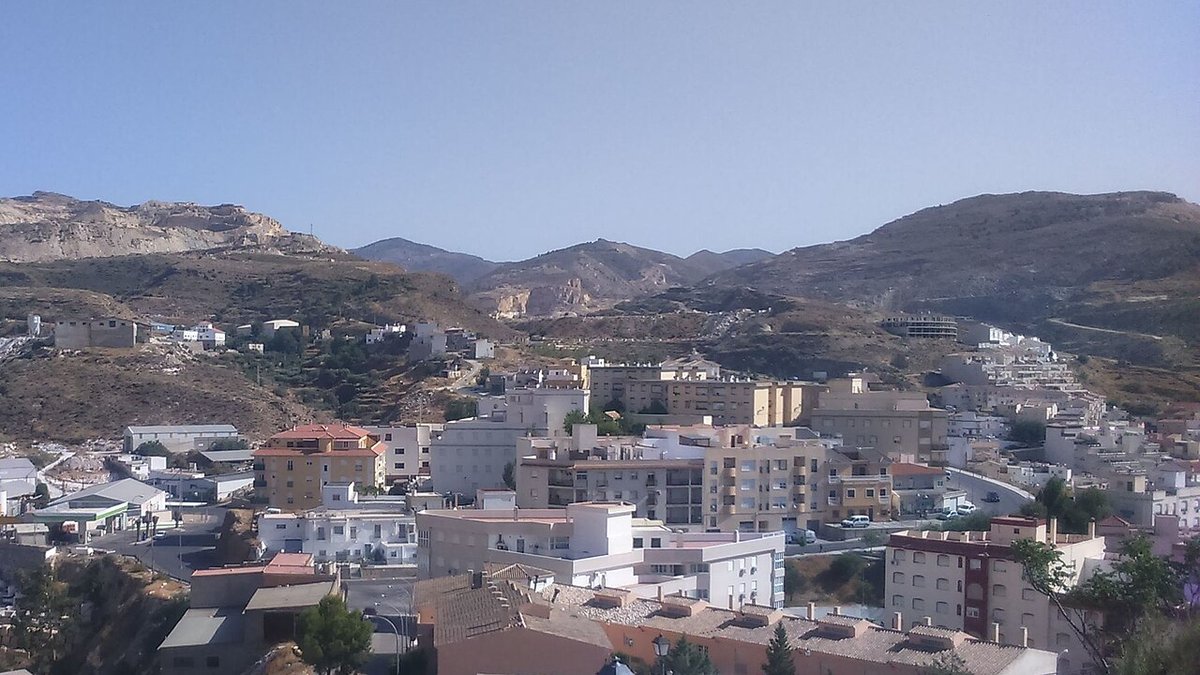
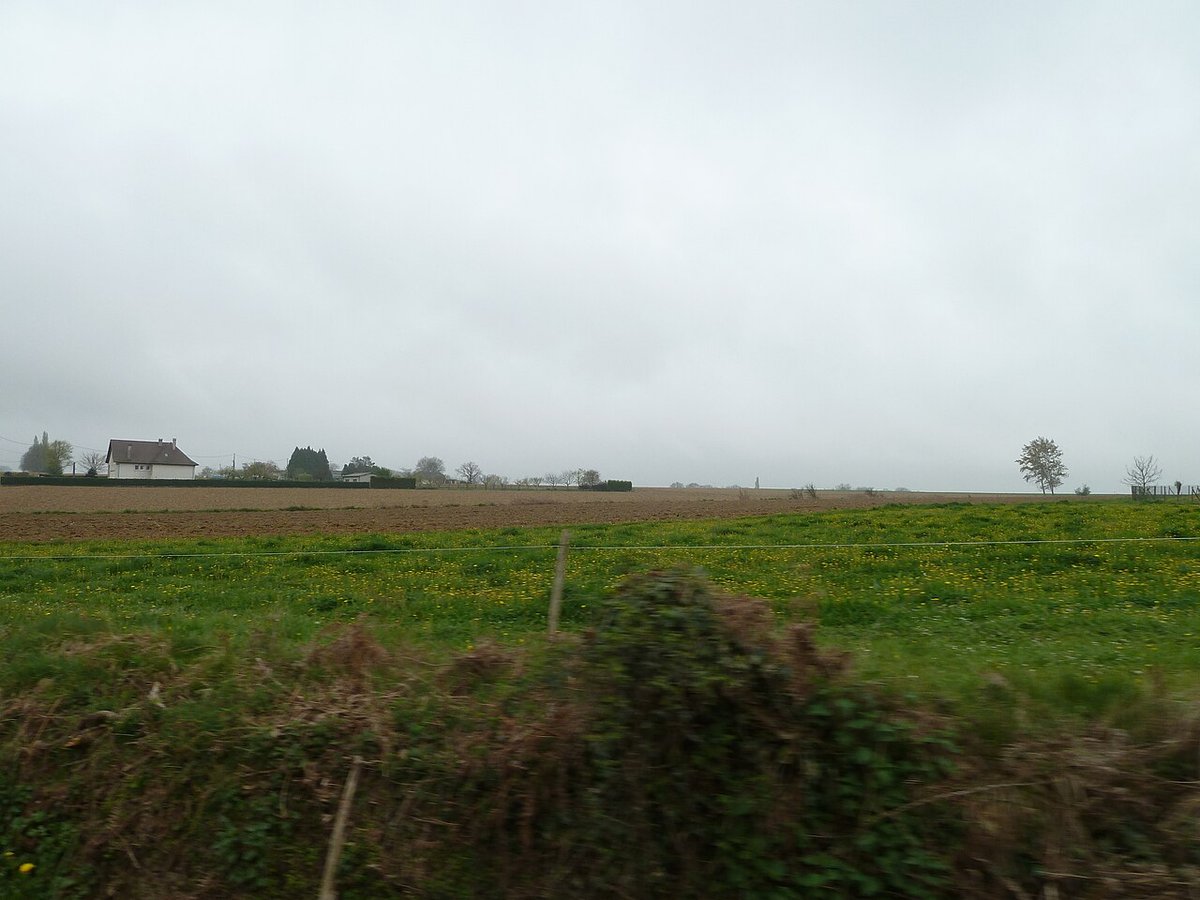
This mountain settlement of barely five hundred souls spreads across a sun-bleached ridge like spilled sugar cubes, its whitewashed houses connected by stepped lanes barely wide enough for a donkey cart. The Sierra de los Filabres rises behind in saw-tooth profile; below, the Almanzora Valley stretches towards the distant Mediterranean, forty kilometres away and a world apart.
The Rhythm of Altitude
Lucar's elevation shapes everything. Summer nights bring temperatures that actually invite sleep, a revelation for anyone who's tossed and turned through August in nearby coastal resorts. Winter mornings can see frost on the windscreens, and locals keep wool cardigans hanging by their front doors year-round. The altitude also means mobile phone reception remains pleasantly unreliable.
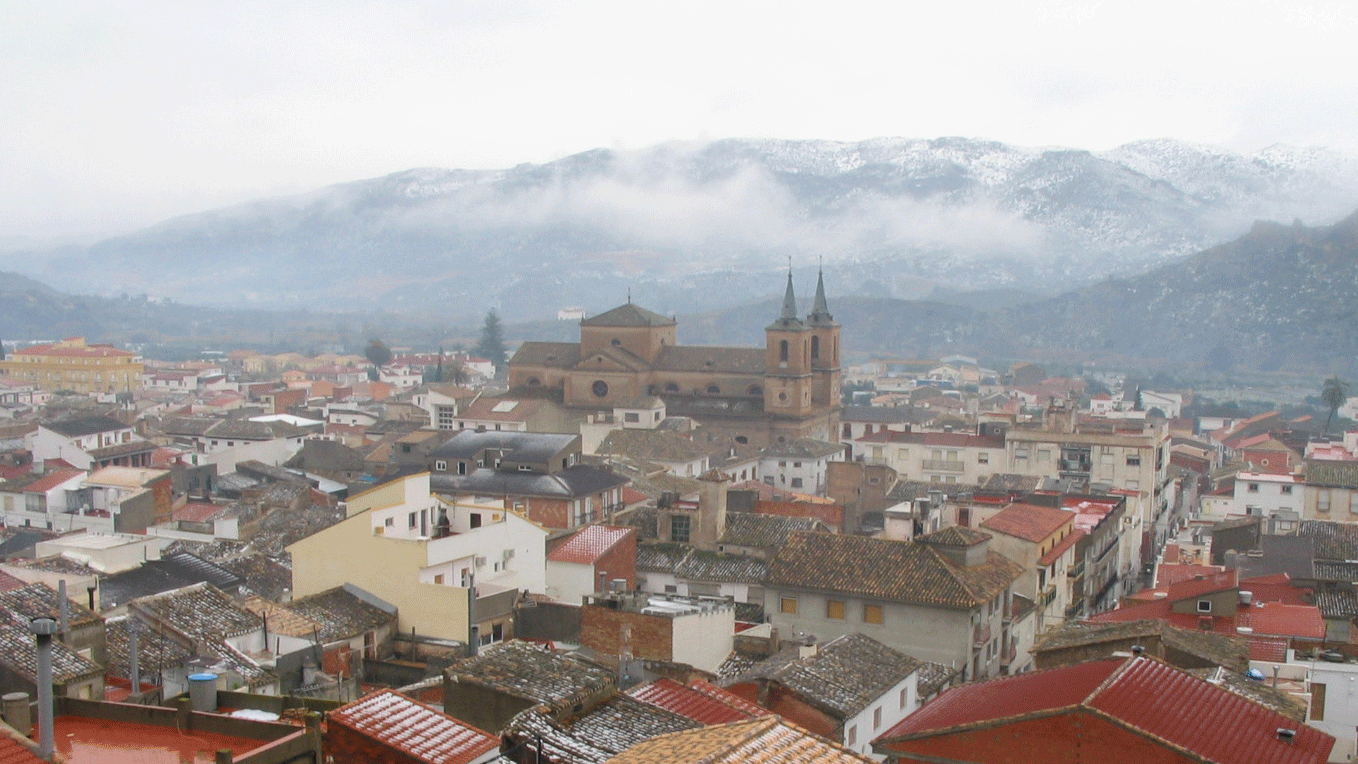
The village's compact historic quarter reveals itself gradually. The sixteenth-century Iglesia de Nuestra Señora del Rosario squats at the highest point, its rough-hewn stone tower visible from every approach. Inside, Baroque altarpieces gleam with centuries of polish while the patron saint watches over a congregation that fills perhaps a third of the pews on feast days. The building's real treasure sits outside: a plaza terrace offering views across almond terraces that bloom white each February, transforming the ochre landscape into something approaching an English spring.
Downhill, the streets narrow to shoulder-width passages where neighbours lean from balconies to exchange morning greetings. Many houses retain their original tinaos—covered walkways that create natural tunnels between buildings—while wrought-iron grilles protect windows painted the regulation Andalusian green. It's not picturesque in the postcard sense; paint peels, satellite dishes cluster on roofs, and the occasional abandoned dwelling reminds visitors that rural Spain faces the same demographic challenges as rural Britain.
Working the Land
The surrounding countryside tells Lucar's real story. Ancient flour mills crumble beside dry stone terraces that still support almonds, olives and hardy grape varieties. These aren't boutique vineyards producing artisanal wines for export; they're family plots worked by farmers whose grandparents hacked the terraces from mountainsides. The mills themselves—roofless and weather-scoured—speak of an agricultural economy that mechanised and moved away, leaving monuments to manual labour.
Pine and oak forests cloak the higher slopes, accessible via marked trails that begin at the village edge. The Ruta de los Molinos follows an old grain-milling route past several ruined mills, though recent storm damage means checking trail conditions at the ayuntamiento before setting out. More demanding paths climb towards the Sierra's 2,000-metre peaks, where clear days reveal the Cabo de Gata coastline shimmering in the distance.
Autumn brings mushroom hunters to these woods, their wicker baskets filled with níscalos after the first rains. Local knowledge matters here; the difference between edible and poisonous varieties isn't always obvious to casual foragers. Several village families maintain traditional rights to specific collecting areas, an unwritten system that visitors ignore at their social peril.
What Passes for Entertainment
Lucar's calendar revolves around agricultural and religious cycles that predate package tourism. The October fiesta for the Virgen del Rosario transforms quiet streets into something approaching bustle, with processions, brass bands and a temporary bar in the plaza that serves decent tapas until the small hours. August's summer fair draws returning emigrants from Barcelona and Madrid, their conversations mixing regional accents with stories of lives lived elsewhere.
The village maintains one proper restaurant, family-run and open only for lunch unless previous arrangements are made. Expect pottery bowls of migas—fried breadcrumbs with garlic and chorizo—followed by gazpacho serrano, a hearty cousin to the chilled summer soup familiar from coastal menus. Prices hover around €12 for a three-course menú del día, including wine that arrives in a plain glass bottle without label or pretension. Evening dining requires driving to larger neighbours; the nearest reliable option sits twelve kilometres away in Tíjola.
Practical Realities
Reaching Lucar demands either a hire car or considerable patience. From Almería airport, the A-334 inland road winds through increasingly arid landscapes for ninety minutes before the village access road peels off towards the mountains. Public transport exists in theory—a twice-daily bus service that connects with regional trains at Serón—but timetables favour locals over tourists. The final approach involves a series of hairpin bends that test clutch control and nerve in equal measure.
Accommodation within the village itself remains limited to a handful of self-catering casas rurales, booked through Spanish websites that may or may not respond to English enquiries. These restored village houses offer authentic experiences including church bells every quarter-hour and neighbours who start their motorbikes at dawn. Alternative options cluster in the valley below, where converted farmhouses provide pools and proper heating systems at the cost of a twenty-minute mountain drive.
Weather catches visitors out. Summer afternoons reach 35°C despite the altitude, while winter nights drop below freezing from December through February. Spring and autumn provide the sweet spot, though Easter week can see every Spanish relative within three generations returning to occupy the family home. Booking accommodation during these periods requires forward planning measured in months rather than days.
The village shop opens sporadically, stocking basics plus an improbable selection of tinned seafood. Fresh produce arrives via a mobile van that tours outlying villages on Tuesdays and Fridays; locals know the schedule and queue accordingly. The nearest supermarket sits fifteen kilometres away in Purchena, a journey that feels further given the mountain roads.
Lucar offers no souvenir shops, no evening entertainment beyond the occasional summer concert in the plaza, and no activities for children beyond exploring alleyways and ruined mills. What it does provide is an unfiltered glimpse of mountain Spain before EU development grants and British property buyers discovered the coast. The village rewards visitors who arrive without fixed itineraries or Instagram expectations, who can appreciate conversation with octogenarians who've never left the province and evenings where the loudest sound comes from swifts nesting under church eaves. Just remember to fill the petrol tank before arriving—and bring cash, because the cashpoint broke three years ago and nobody's quite got around to replacing it.