Full Article
about Macael
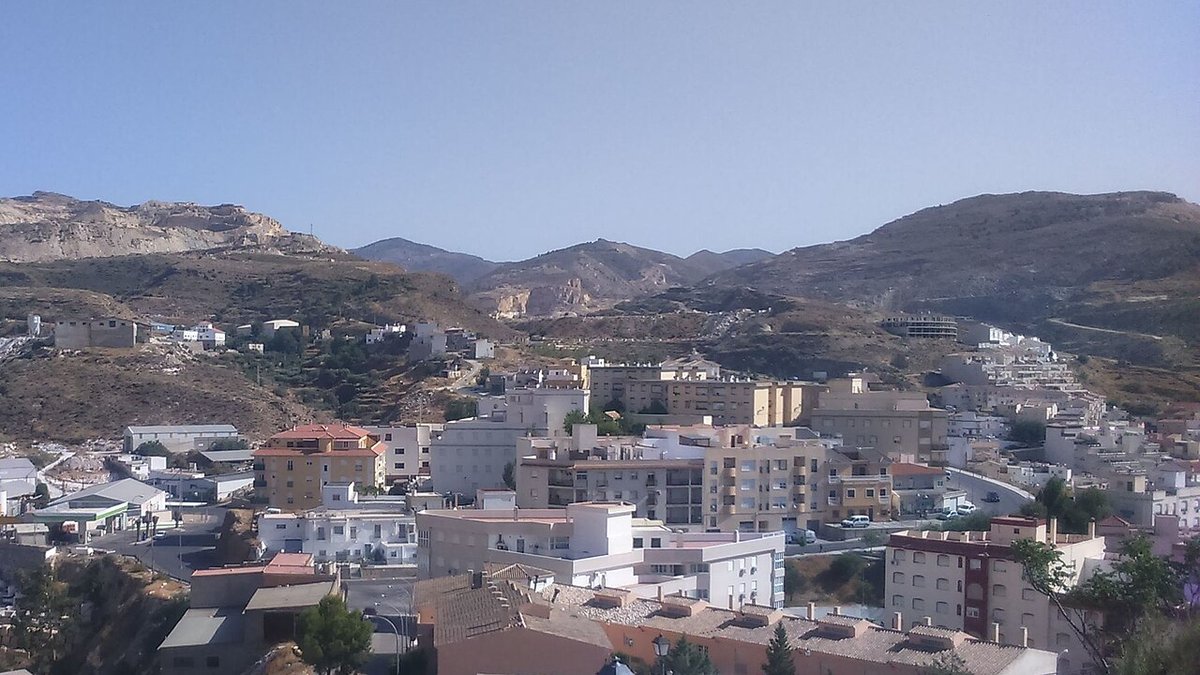
World capital of marble; everything in the town revolves around the white stone and its industry.
Ocultar artículo Leer artículo completo
The first clue is the kerbstones: blinding white with grey lightning veins, polished by 4×4 tyres until they shine like supermarket floors. Most visitors race past them on the AL-6107, bound for Granada or the Almerían coast, never realising the entire pavement is hewn from the same seam that winds up the hill behind the petrol station. That seam feeds half of Europe’s kitchen worktops—and it’s still being sliced out of the mountain above Macael at the rate of three articulated lorries an hour.
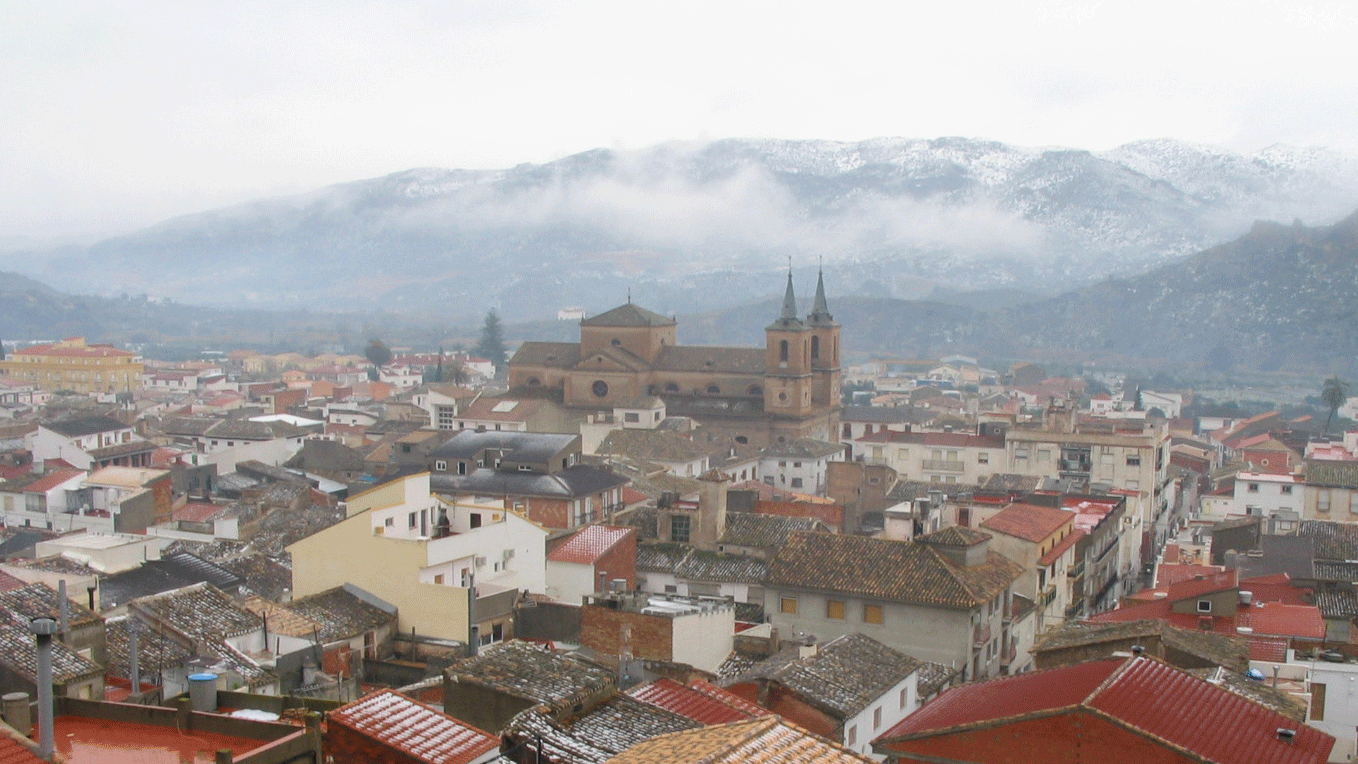
At 554 m above the Almanzora valley, the town sits high enough to catch a breeze that the coastal flats miss, but low enough for midsummer to feel like a fan oven. The sierras that cup Macael are not pine-scented or snow-dusted; they are bald, pale and geometric, terraced by quarry benches that glow almost neon at sunset. Stand on the Cosentino mirador at 11 a.m. on a weekday and you’ll watch loaders the size of terraced houses prise 30-tonne blocks from the rock face, then tip them with the delicacy of tea cups onto flat-bed trailers. The noise—a metallic shriek followed by thunder—carries down the valley for miles.
Streets Paved with Left-overs
Marble here is not a luxury; it’s rubble. Broken slabs prop open doors, form vegetable plots, even patch potholes. The town fountain runs over a carved shell that would grace a Rome piazza, yet children use it as a climbing frame. Every bank, school and bus shelter is fronted with the same white stone, so the centre feels like a showroom that forgot to close for the night. The only splash of colour comes from the geraniums that locals wedge into old olive-oil tins—everything else is monochrome, bright enough to make sunglasses essential in January.
Start at the Museo del Mármol, one room up a flight of stairs above the municipal library. Entry is free, donations welcome, and the curator will switch on an English-language slideshow if you ask nicely. Roman millstones, Mooric water channels and a 1950s diamond wire saw sit side-by-side, explaining how a craft that once needed ten men and a month now needs two and an afternoon. You’ll leave able to distinguish “Blanco Macael” from “Blanco Tranco” and, more usefully, with a map showing which quarries are active and safe to enter.
Cutting-edge Souvenirs
From the museum it’s a three-minute walk to the Paseo del Mármol, an outdoor gallery where contemporary sculptors were given off-cuts and free rein. Some pieces are elegant—an alabaster spiral that catches the sun—others look like failed geometry experiments. All are labelled with QR codes that open short videos of the sculptors at work; handy if you’ve ever wondered how a 12-tonne block becomes a two-metre cube with a hole in it.
Active quarries lie five minutes north by car. The road turns to marble chippings immediately after the last roundabout; hire cars will cope, but don’t attempt it in sandals. Park beside the chain-link fence and peer through: loaders scuttle like yellow insects, water jets suppress dust, and the cliff face changes colour from cream to sugar-white where the saw has just passed. Photography is tolerated, but stay outside the red painted line—security guards appear fast and have little English beyond “danger” and “insurance”.
If you prefer your marble in manageable pieces, follow the signs for “Artesanos” on the industrial estate south of town. These are working workshops, not gift shops; ear defenders hang by the door and the floor is ankle-deep in white grit. Juan Molina will let you operate a 1960s lathe for a few minutes, then sell you a cheese board he’s just polished for €18, postage to the UK another €25. Expect dust in every crevice of your rucksack for the rest of the trip.
What to Eat When the Dust Settles
Lunch options are limited but honest. La Marmita, opposite the church, serves migas—fried breadcrumbs laced with garlic, chorizo and grapes—on a chilled marble plate that keeps the fat from congealing. The dish is filling rather than fiery, closer to savoury bread-and-butter pudding than tapas. Follow it with cod-and-parsley meatballs in mild tomato sauce, then order a cortado and watch the proprietor polish the counter with the same abrasive powder used on gravestones.
Water comes from mountain springs and tastes faintly mineral; wine is from neighbouring Laujar and benefits from the altitude’s cool nights. Prices hover around €12 for a menú del día—expect to pay cash, cards are still greeted with suspicion.
A Dry Country Walk
Afternoons are best spent on the signed Ruta del Mármol, a 5 km loop that leaves from the upper quarry gate and follows an old mule track once used to drag blocks downhill by oxen. The path is stroller-friendly but shadeless; carry 1 litre of water per person between October and May, double in summer. Interpretation boards appear every 500 m, explaining how miners judged fault lines by tapping the rock and listening for pitch changes. Views open west across the valley to a horizon of plastic-greenhouse seas—Almería’s vegetable patch that keeps northern European supermarkets stocked with tomatoes in February.
Wildlife is sparse but specific: blue rock thrats perch on safety barriers, and the only green you’ll see is rosemary and spiky palmetto clinging to fissures. The walk ends at the 16th-century Iglesia de la Encarnación, itself partly built from reject blocks too veined for export. Step inside to cool down; the interior is a primer on what three centuries of marble off-cuts can achieve—columns, pulpits, even the font where every Macaelero has been christened since 1650.
When the Machines Stop
Weekends are eerily quiet. By 2 p.m. on Saturday the quarries shut, dust settles and the only sound is the church bell counting the heat. Sunday is virtually closed: the museum locks up, most artisans head for the coast, and the nearest open bar is a 15-minute drive. Visit between Tuesday and Friday if you want action; stay the weekend only if you crave silence bright enough to hurt your eyes.
The town fiestas in early October mark the end of the cutting season. Quarry workers parade a statue of the Virgen del Rosario carved from a single 800-kg block, balanced on shoulders calloused by years of pneumatic drills. Fireworks echo off the marble walls like gunshots; the effect is deafening, magnificent and slightly alarming.
Getting There, Getting Out
Macael sits 80 km north-east of Almería city. The A-334 is fast but dull; turn onto the AL-6107 and the landscape switches from irrigated citrus to bare sierra in minutes. Allow 75 minutes from the airport if you resist photo stops, longer if the almond trees are blooming. Public transport exists—a morning bus from Almería and an afternoon return—yet timetables seem designed to frustrate, so a hire car is sensible.
There is no boutique hotel. Hostal El Valle on the main strip offers spotless rooms with marble en-suites for €45, breakfast an extra €4. Wi-Fi is reliable, walls are thick enough to muffle the dawn quarry convoy, and the owner keeps a box of earplugs for light sleepers. Book ahead if your visit coincides with the spring stone fair; otherwise just turn up.
Come for half a day and you’ll tick a quirky box. Stay for two and you’ll start judging kitchen worktops by their grain pattern and asking waiting staff where their marble was born. Either way, Macael delivers a crash course in the journey from mountain to mantelpiece—no polish spared, no clichés required.