Full Article
about Olula del Río
Cultural and commercial hub of the valley; home to one of Andalucía’s most important art museums.
Ocultar artículo Leer artículo completo
The street signs are carved from marble. Not plastic, not metal—proper Carrara-quality stone lifted from local quarries. That's the first thing that stops visitors in their tracks, and it tells you everything about Olula del Río. This isn't a village that puts on airs for the Insta-crowd; it's a working town where even the signage doubles up as a monument to the local industry.
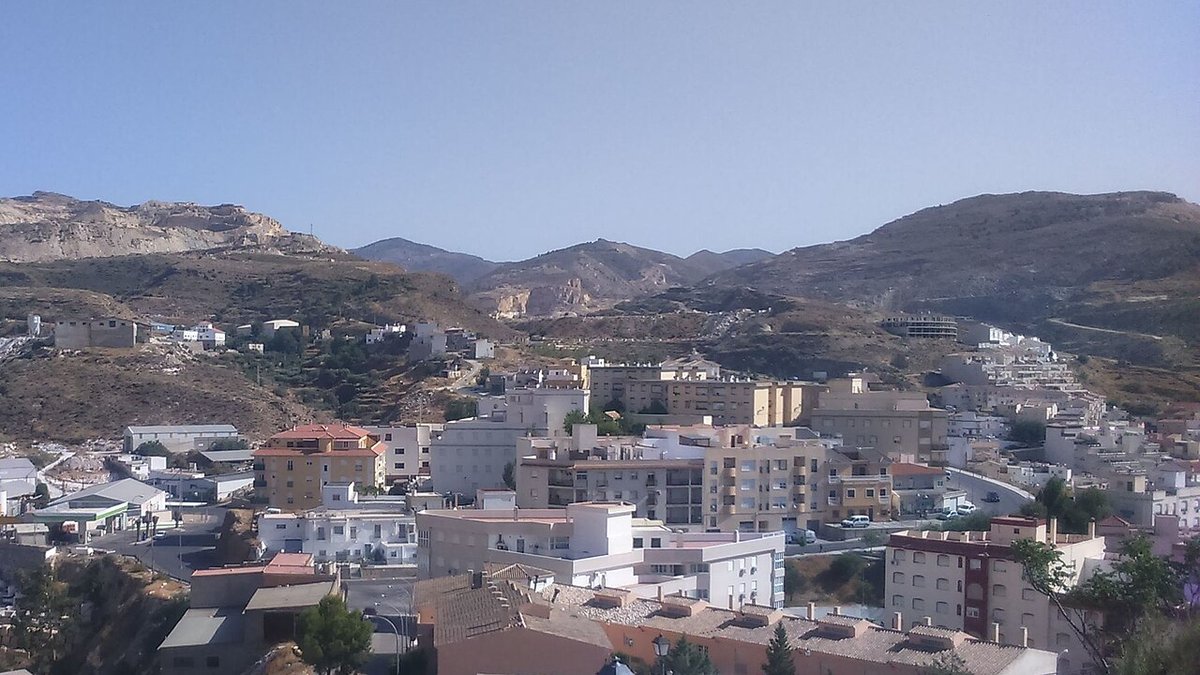
Six thousand souls live here, spread along the banks of the Almanzora River where irrigation channels turn what looks like desert into surprisingly fertile plots. The Moors worked this out centuries ago, and the system still works. Walk the agricultural lanes at dawn and you'll pass farmers trimming lettuces while the hills behind them glow apricot in the early light. By nine the sun is already fierce—this is Almería, after all—so sensible folk retreat indoors until the shadows lengthen.
What passes for a rush hour happens around 14:00, when the municipal school disgorges its pupils and the bars on Avenida de la Constitución fill with men drinking cañas faster than the barman can pull them. Then, promptly at 14:30, metal shutters slam down and the town slips into siesta. Nothing moves except the cats and the river, and neither is in a hurry.
A Church Built on a Mosque, a Castle That Refuses to be Pretty
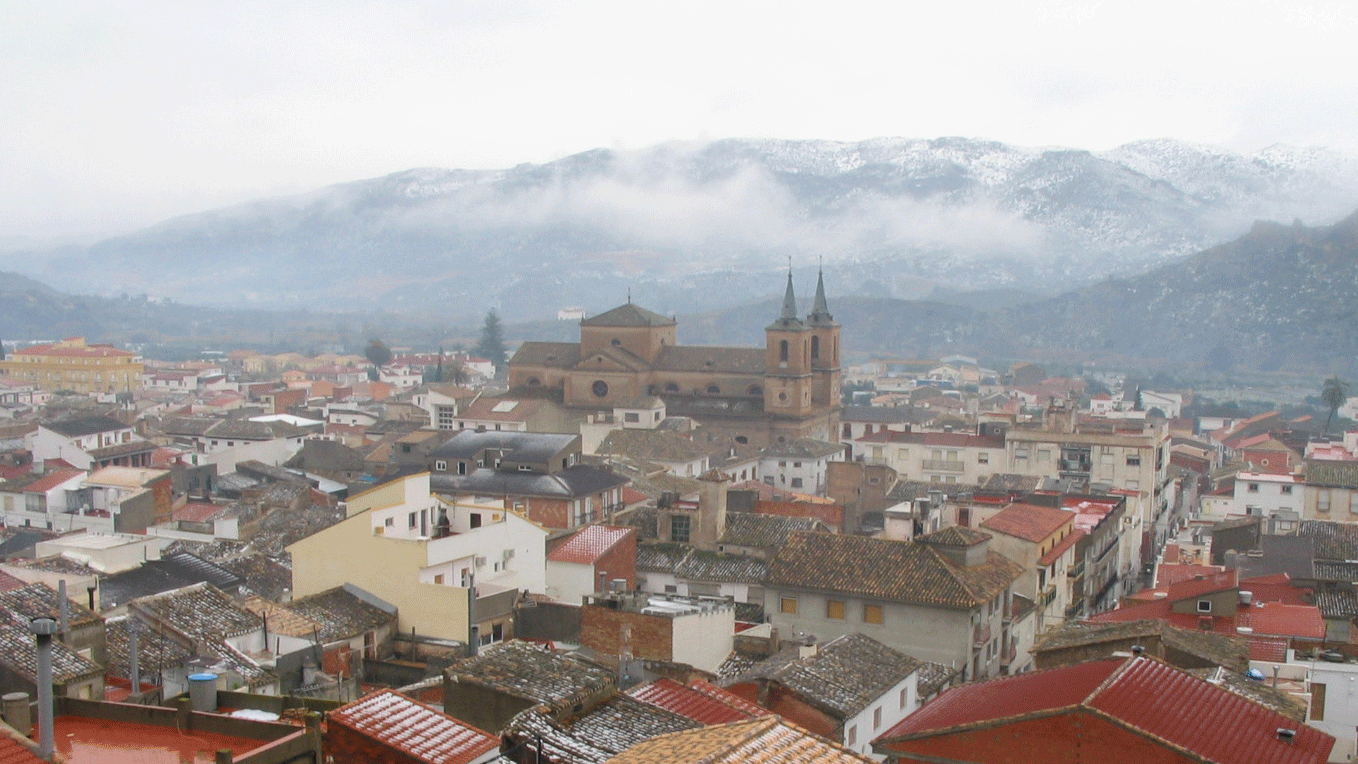
The Iglesia de la Encarnación squats at the top of the old quarter, its squat stone tower visible from every approach road. Built between the 16th and 17th centuries on the footprint of a mosque, it keeps some of the earlier structure's spatial tricks: an interior wider than it looks from outside, and brickwork patterns that hint at mudéjar craftsmen earning a living under Christian rule. Inside, the air smells of wax and the floor slopes gently downhill—centuries of subsidence rather than architectural bravado. The sacristan will unlock the door if you ask at the ayuntamiento opposite, but he expects a €1 donation and doesn't do rushed tours.
Below the church, fragments of the medieval castle cling to a rocky outcrop. There isn't enough left for Hollywood reconstruction, just base stones and one section of wall that catches the late-afternoon sun. Interpretation boards are absent, so bring imagination or, better, download the town's modest audio guide before you arrive. The view east across the valley repays the stiff five-minute climb: olive groves, almond terraces and, in the distance, the white scar of the working marble quarries that bankroll the local economy.
Back in the grid of residential streets, houses are rendered in pastel shades rather than the postcard white of tourist Andalucía. Bougainvillea drips from wrought-iron balconies; elderly women drag shopping trolleys over granite kerbs that were definitely cut from the same seam as the street plaques. If you crave the full pretty-pueblo experience, drive 12 km south to Tahal or north to Purchena. Olula has other virtues.
Where to Eat, What to Drink, and Why Lunch Starts Promptly
Calorically, the day pivots on lunch, served from 13:00 sharp because the kitchen staff want to be finished before their own meal at three. On Plaza de la Constitución, Casa Paco plates the local gazpacho in coupe glasses with three ice cubes—more savoury smoothie than soup. Follow it with choto al ajillo, kid goat flash-fried on a marble grill slab hotter than August asphalt. Portions are built for quarrymen: order a media ración unless you fancy waddling back to the car. The wine list runs to two reds and one white, all from Almería's emerging vineyards and poured into sturdy glasses that survive tiled floors.
A block away, Dulces Olula opens at 07:00 for workers needing caffeine and a rosquillo de vino, a sweet, anise-tinged biscuit that softens in coffee. Their roscos—ring-shaped pastries flavoured with lemon zest—sell out by late morning; phone the previous afternoon to reserve if you're determined. No card machine, so bring cash. The nearest ATM lurks outside the Supermercado Dia on the ring road, a ten-minute walk that feels longer when the thermometer nudges 38°C.
Saturday hosts a modest market on Calle Ejido: one stall sells local almonds folded into dark honey, another offers cheap Moroccan socks, a third displays plastic toys that fall apart faster than British seaside souvenirs. Serious produce shoppers arrive early; by 11:30 the traders are already folding tarpaulins.
Museums Without Crowds, Hills Without Tour Buses
Antonio Manuel Campoy's modernist paintings fill the Casa Ibáñez Museum on Calle Nueva, an elegant 19th-century mansion converted into a gallery so quiet you can hear canvases breathe. Entry is free, donations welcome, and the custodian will follow you from room to room switching lights on and off to save electricity. The collection celebrates local life—harvest scenes, quarry labourers, women laundering in the river—executed in colours bright enough to punch through Almería's relentless light. Allow 30 minutes, longer if you like your art served without selfie sticks.
Outside town, the Almanzora River threads between poplars and cane plantations, creating a slim corridor of shade. A 4-km path starts at the old railway station (trains stopped in 1985) and shadows the water as far as the next bridge. Kingfishers flash turquoise if you stand still; the only other sound is the crunch of your own boots. In summer, start at 07:30 and carry at least a litre of water per person—there's nowhere to refill and temperatures can exceed 40°C by ten o'clock. Spring brings wild roses and the smell of fennel; autumn colours the poplars gold against bone-dry hills.
For something steeper, the 8-km loop to the abandoned marble village of El Cantal climbs 350 m through almond terraces. The settlement supplied stonemasons until the 1960s; now roofless cottages merge into the rockface and the quarry road is slowly being reclaimed by thyme and sticky senecio. Wear proper shoes—marble scree is slippery—and avoid high-wind days when dust devils spin across the quarry floor.
When to Come, When to Stay Away
April and May perfume the air with orange blossom and daytime temperatures hover around 22°C—perfect for walking and generous enough for outdoor tapas. October and early November offer similar conditions plus the added theatre of almond harvest: trees beaten with long canes while nets catch the falling nuts. Accommodation within the town itself is limited to two small hostales—book ahead if your dates coincide with the Fiestas de la Virgen de la Encarnación (variable, late March/early April) or the summer feria (mid-August), when everyone who ever left Olula returns for three days of processions, fireworks and all-night music.
Winter is crisp rather than cold—daytime 15°C, nights just above freezing—but the sun still packs enough UV to burn exposed British skin in December. January brings the Fiesta de San Sebastián: drums, fireworks and street barbecues that terrify dogs and delight pyromaniacs. If loud bangs aren't your idea of culture, choose alternative dates.
June to September is fry-an-egg-on-the-bonnet hot. Sightseeing becomes a dawn or dusk activity; the middle of the day belongs to air-conditioning and cold soup. On the plus side, you'll have the castle to yourself and room to spread out beside the river. Bring a hat, SPF 50 and more water than you think necessary.
Getting There, Getting In, Getting Fed
Olula sits on the A-334, 50 minutes inland from the coastal hum of Mojácar and 90 minutes from Almería airport. A hire car is almost essential: buses from the city arrive twice daily, timing that suits retired locals but frustrates anyone trying to pack the region into a long weekend. Parking is free and usually within 200 m of wherever you want to be; the marble street plaques make navigation simple even after a third glass of garnacha.
Leave the Costa del Sol mindset behind. English is thin on the ground, menus are written in quarryman's Spanish, and the pace stubbornly refuses to accelerate for visitors. That's precisely the appeal. Come for the marble signs, stay for the quiet confidence of a place that knows exactly what it is—and sees no reason to change.