Full Article
about Oria
Large municipality with many hamlets; noted for its Baroque basilica and almond trees.
Hide article Read full article
A village that wakes with the smell of migas
Migas begin to smell around midnight. In a kitchen somewhere near the square, yesterday’s bread is crumbled across the table while outside the village sleeps at over a thousand metres above sea level. By six in the morning, when the cold settles deep in the bones, olive oil crackles in the pan and crushed garlic meets pieces of pork. That is when Oria smells like home.
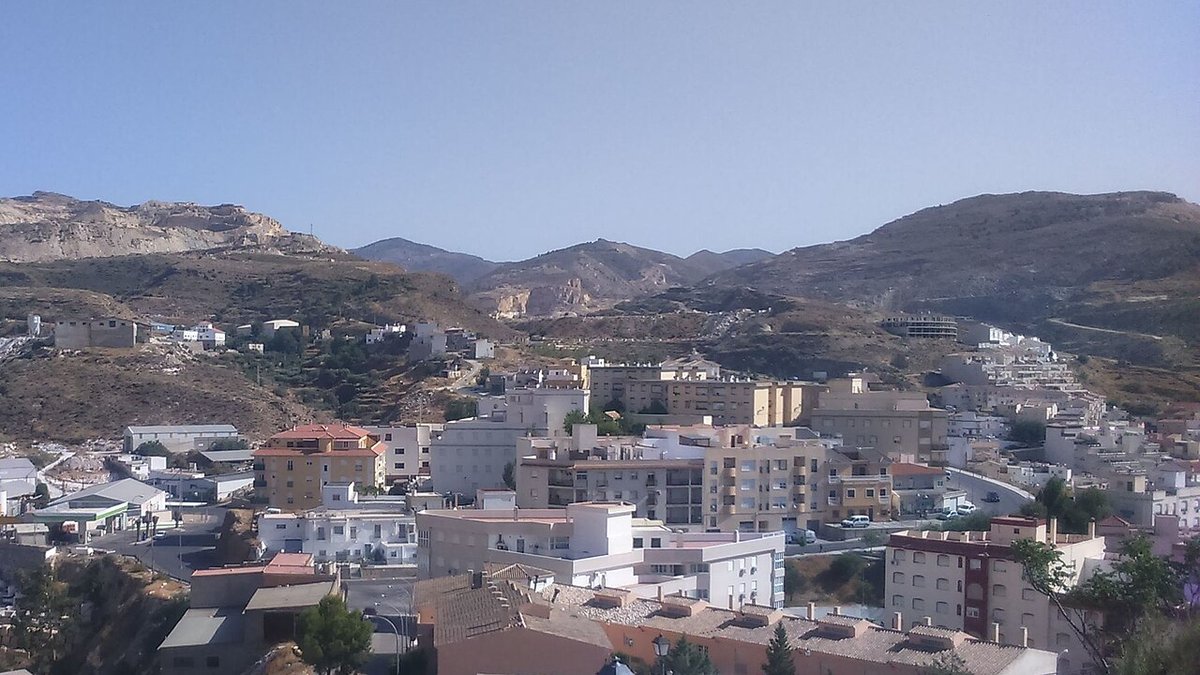
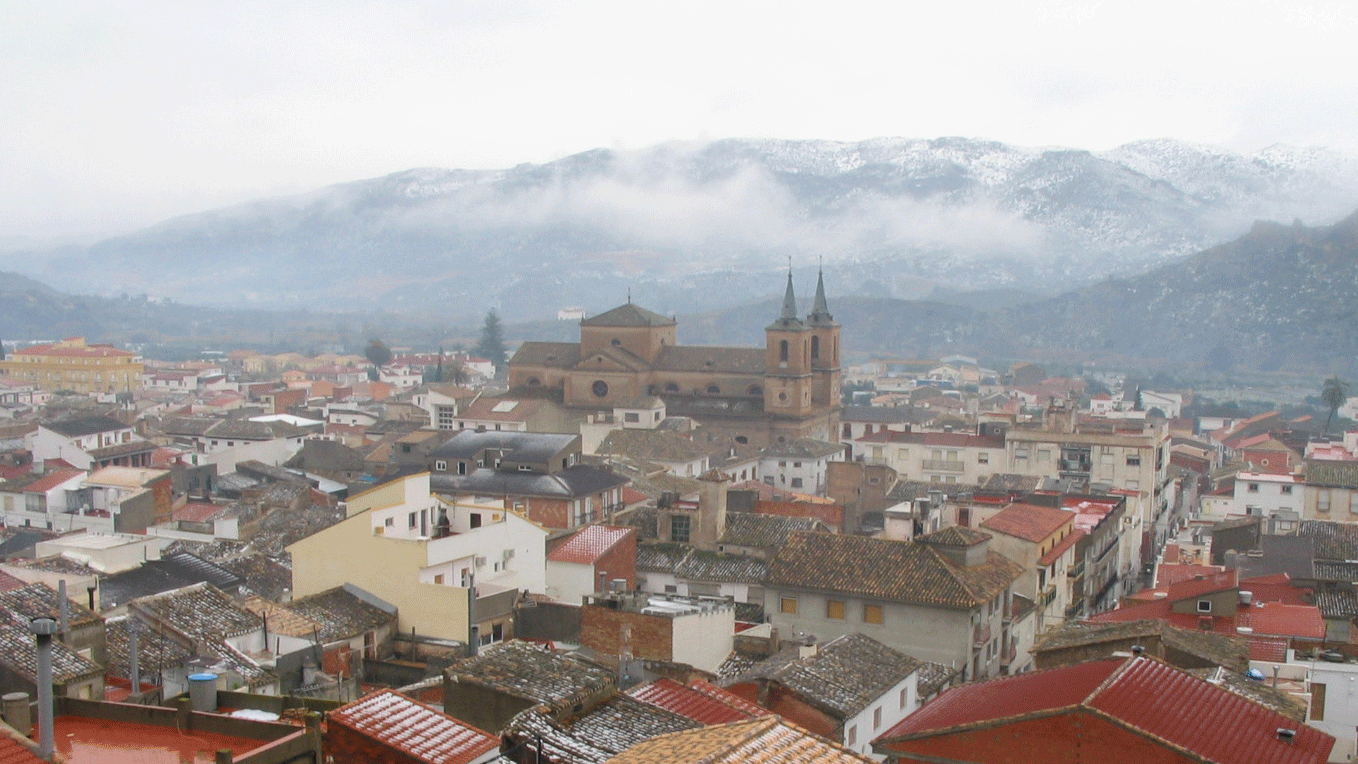
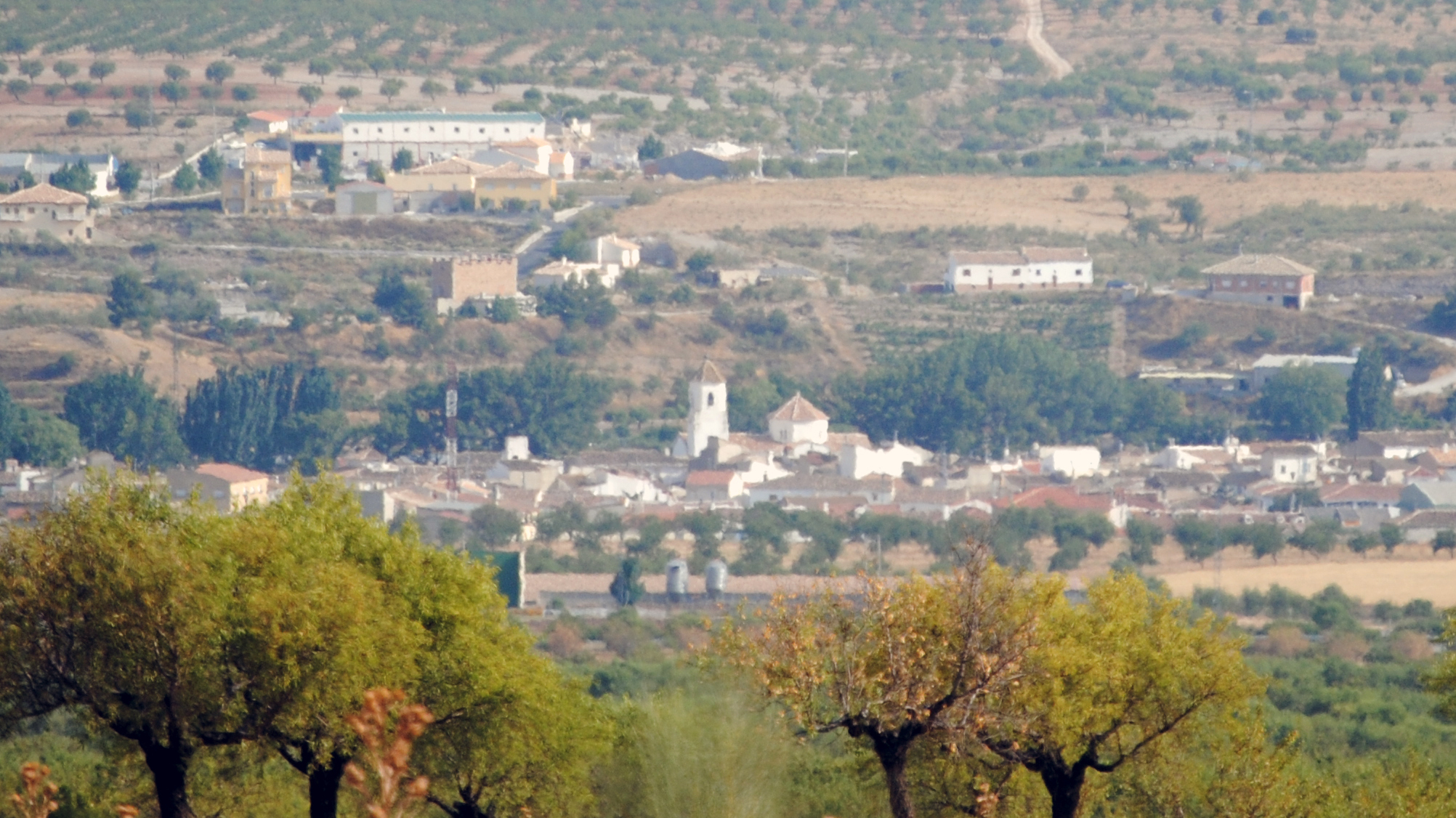
From a terrace by the square, with coffee still steaming in the cup, the Sierra de las Estancias cuts across a sky that has not quite decided between blue and grey. The white houses cling to the hillside as if they had been placed there one by one, carefully, among slopes and narrow streets. In February, almond trees bloom on terraced land that looks like the steps of a natural amphitheatre, and the air carries that faint, slightly bitter scent of fresh blossom.
Traces of history in stone and air
The walk up to the castle follows the smell of dry rosemary along the path. It takes about twenty minutes of steady climbing, enough to warm the body even in winter. At the top stand the remains of the old fortress. The pale, rough stones heat up quickly when the sun hits them directly.
From this high point, the landscape opens in every direction: soft hills, almond fields and mountain ranges stretching towards the east. On very clear days, some say they can make out a distant glint of the Mediterranean, though what truly dominates here is the mountain itself.
The Basílica de Nuestra Señora de las Mercedes stands where earlier temples once stood. The limestone has passed through different hands over the centuries, yet it remains firmly in place at the heart of the village. At midday, when the bells ring, pigeons lift into the air above the plaza de la Constitución. Beneath the large olive tree, which was already here before many of the benches in the square, there is always someone in the middle of a game.
When almond blossom takes over
Towards the end of winter, the landscape around Oria changes suddenly. Almond trees bloom across the hillsides, and for a few days the countryside turns white and pink, broken up by the dark green of pine trees. There is no need to seek out a particular viewpoint; simply walking along the paths around the village is enough.
During these weeks, quite a few cars arrive from other provinces. Even so, the pace during the week remains much the same. The bakery opens early, and the smell of freshly baked dough drifts out through the door while frost still clings to parked cars.
In the square, a table sometimes appears with homemade sweets: rosquillas de aguardiente, tortas fritas or suspiros, small meringue bites that disappear quickly once the day gets going.
Cooking at a thousand metres
The cooking in this part of the Valle del Almanzora leans towards winter food, dishes built around warmth and slow preparation. Choto, goat meat, appears often on tables in the village, frequently served with gurullos. These are small pieces of pasta made from flour that absorb the broth until they become thick, almost sticky.
Migas follow their own rules. The bread is usually from the day before, sometimes even older, and it is stirred slowly in a large pan while olive oil and garlic begin to scent the kitchen. When the cold outside is real, that smell clings to clothes long after stepping out into the street.
In September, during the romería of the Virgen de las Mercedes, the atmosphere shifts. A romería is a traditional pilgrimage and local celebration. Balconies are covered with light fabrics, many patios prepare cured meats for the occasion, and rosemary appears everywhere, scattered on the ground, tied to carts or fastened to railings.
Walking into the Sierra de las Estancias
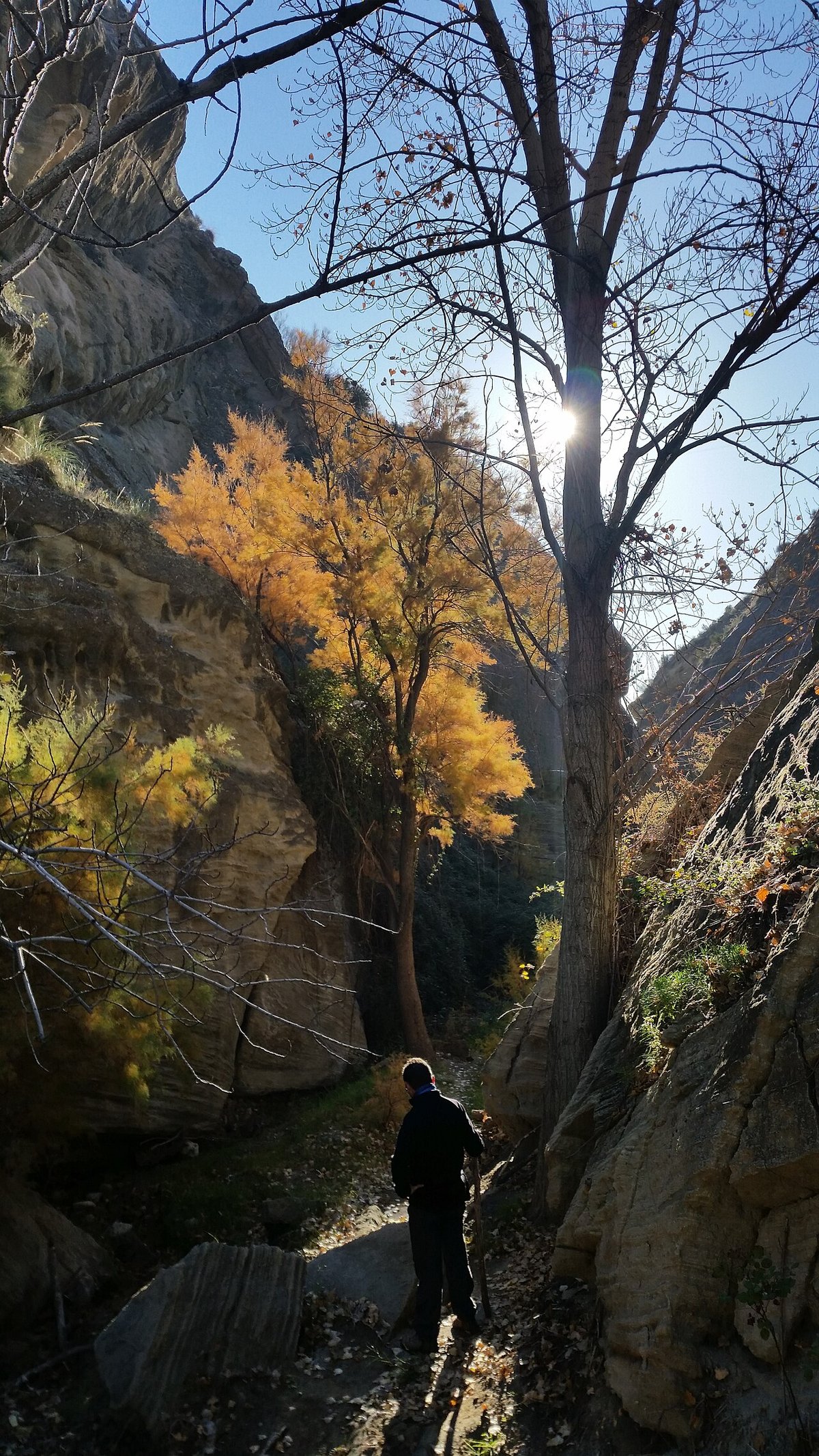
The path towards the Sierra de las Estancias begins almost where the last houses end. At first, the route passes through almond trees and open fields; higher up, pines appear and the ground becomes stonier.
The climb is noticeable in the legs, especially for those coming from the coast who are not used to this altitude. The air shifts as well, at times dry, at times cooler depending on the side of the range. From the higher points, several inland districts of Almería come into view, and on clear days, mountain ranges belonging to neighbouring provinces can be seen.
Coming back down at the end of the afternoon, the village begins to light up slowly. Windows glow one after another and the smell of firewood drifts from chimneys. From the path, Oria seems to pause in the middle of the mountains as night falls.
When to go
At the end of February, the countryside fills with almond blossom, though weekends tend to bring more visitors. Early autumn coincides with the romería and with long enough days for walking in the sierra. Winter calls for proper preparation for the cold: nights here easily drop below zero and the air has a sharp edge.