Full Article
about Partaloa
Known for its unique erosive landscapes called 'desplomes'; a distinctive geological setting
Hide article Read full article
Partaloa es el pueblo que te da la hora
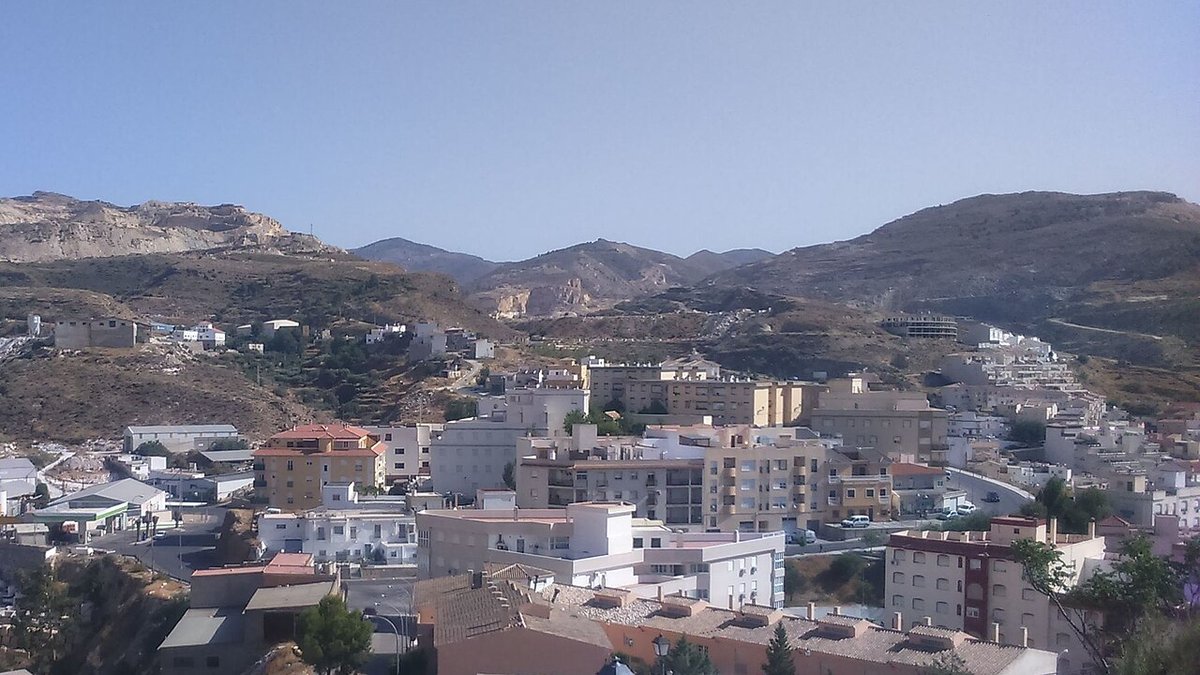
Hay pueblos que funcionan como un reloj de pared en una cocina antigua. No son lo más llamativo de la casa, pero marcan el ritmo con una precisión tranquila. Partaloa, en el Valle del Almanzora, es así. Con sus ochocientos y pico habitantes y a más de quinientos metros de altura, aquí el tiempo se mide por el sonido de las persianas subiendo por la mañana y las conversaciones lentas en la plaza al atardecer.
No vengas buscando monumentos espectaculares o calles preparadas para Instagram. Esto es otra cosa. Es el tipo de sitio donde aparcas el coche, das dos vueltas, y ya sabes cómo respira el lugar.
Un paseo sin sorpresas (y eso está bien)
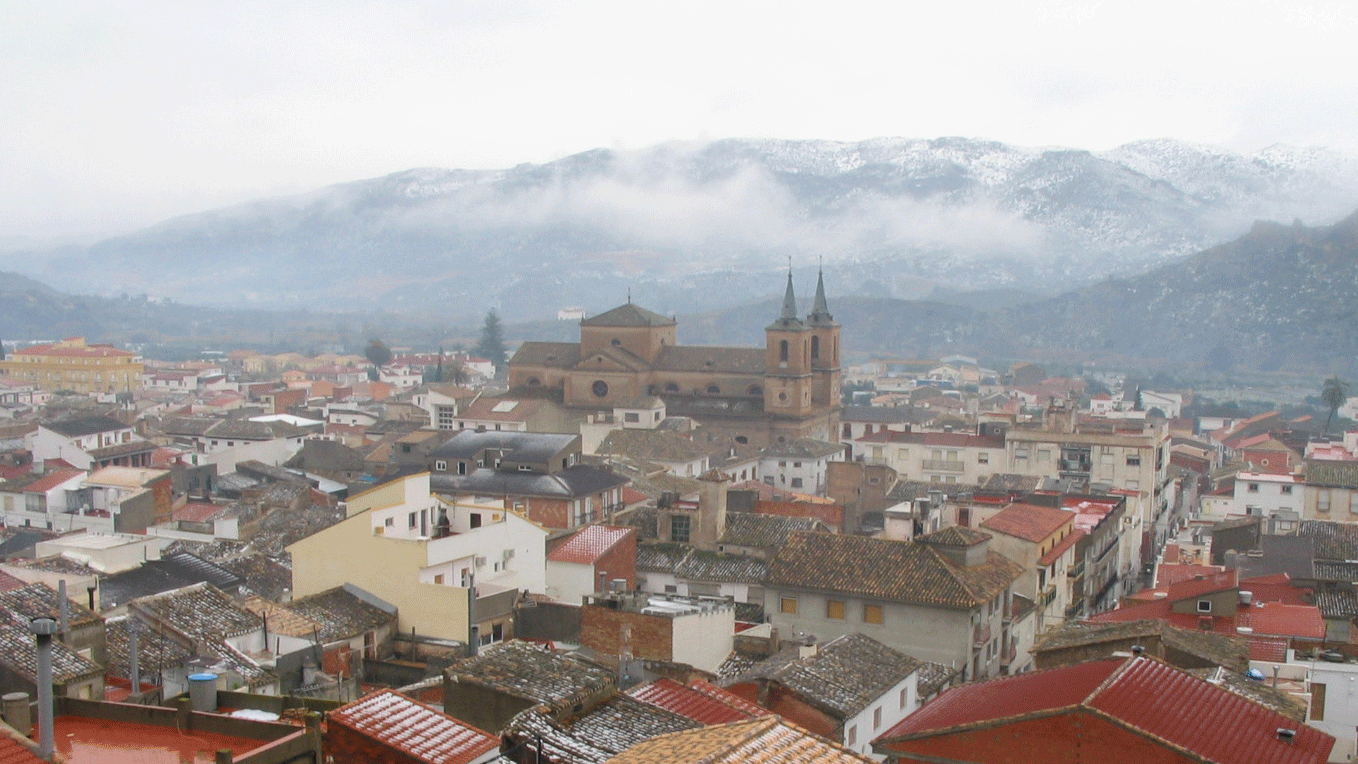
El centro lo define la iglesia de San Antón. Es ese punto de referencia sobrio y familiar que encuentras en tantos pueblos del interior, como la casa de un abuelo al que todo el mundo conoce. A su alrededor, las calles siguen la gramática visual de esta parte de Almería: blanco, rejas verdes o azules, macetas con geranios que son el único golpe de color consentido.
La Plaza del Ayuntamiento hace las veces de salón. A ciertas horas, sobre todo al final de la tarde, se llena de ese murmullo bajo típico de los sitios donde todos se conocen. Las conversaciones van y vienen sin prisa, como quien riega las plantas sin un plan fijo.
Si te alejas unas manzanas del casco urbano, aparece el valle. Olivos en bancales, tierra clara, colinas bajas. No es un paisaje para postal dramática; es más bien un taller al aire libre, serio y funcional. Tiene una belleza seca y honesta que no necesita venderse.
Cómo pasar una mañana (o una tarde)
Aquí no hay rutas señalizadas con nombres épicos. Hay caminos rurales que salen del pueblo y se meten entre los olivares. Son paseos llanos, del tipo que haces casi sin darte cuenta mientras piensas en otra cosa. El terreno es amable.
La comida va en la misma línea: directa y sin florituras. Aceite local, legumbres, almendras. Platos que recuerdan a lo que se hacía en las cocinas familiares hace décadas: para llenar, para aguantar el día.
Para fotos, lo tuyo son los detalles: una puerta vieja desconchada, la sombra dura de una reja sobre la cal blanca al mediodía, el contraste entre las casas brillantes y la tierra pajiza alrededor. La luz buena llega temprano o muy tarde; a las tres de la tarde en julio hasta las piedras buscan sombra.
Y si te aburres (cosa factible), Partaloa sirve bien como base tranquila para moverte por el valle. En media hora puedes estar en otro par de pueblos; las distancias son cortas y las carreteras locales vacías.
El calendario marca los días fuertes
Las fiestas giran alrededor de San Antón, en enero. Son días donde el pueblo recupera a gente que vive fuera y el ambiente se anima unos grados sobre lo habitual.
En agosto pasa algo parecido pero por calor: las calles se llenan de noche, hay más movimiento, parece esa casa familiar a la que llegan todos los primos en verano.
Navidad mantiene tradiciones que en otros sitios han desaparecido, como belenes vivientes hechos por los vecinos. Son momentos donde se nota eso que llaman comunidad.
Para llegar y no perderte
Desde Almería capital se tarda algo más de una hora en coche. El paisaje por la carretera es ese Almería interior que has visto en películas del oeste: árido, abierto, con una luz blanca que aplasta cualquier cosa a mediodía.
La primavera y el otoño son los mejores momentos para andar por aquí. En verano conviene madrugar o esperar a última hora; el sol cae como un mazo.
Lleva agua si sales a caminar fuera del pueblo y calzado cómodo: algunas calles tienen cuestas pronunciadas y los caminos rurales son tierra suelta con piedras. Nada del otro mundo, pero mejor ir preparado.
Partaloa no es un destino; es una pausa. Vienes si quieres escuchar cómo suena un pueblo cuando nadie está actuando para ti