Full Article
about Somontín
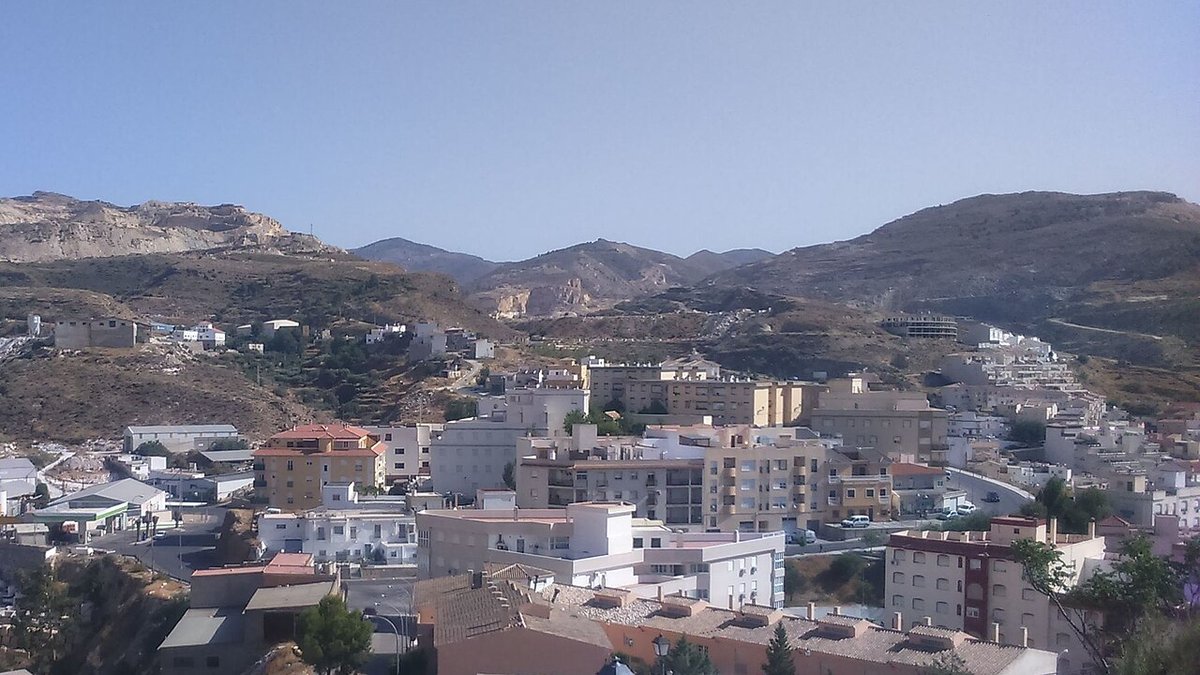
Known as the balcony of the Almanzora; white village with spectacular views over the valley
Hide article Read full article
First light over the valley
Early in the day, before the sun clears the hillsides, tourism in Somontín begins with a very specific view: the Almanzora valley still in shadow and, in the distance, on clear days, the white line of Sierra Nevada set against a deep blue sky. The air often carries the scent of dry earth and pine. For a few minutes, the only sounds are a distant car on the valley road and the sharp clap of a shutter being opened.
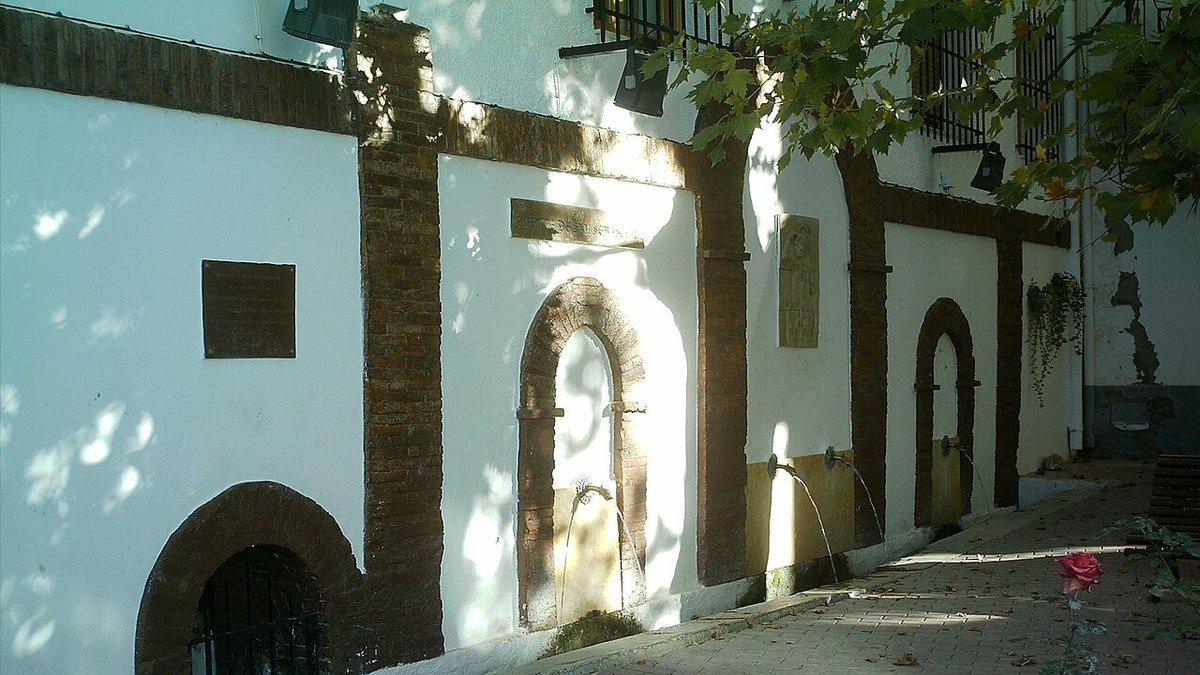
On an ordinary morning, light slips in narrow bands between whitewashed houses. The streets are tight and sometimes steep, with steps appearing unexpectedly between one façade and the next. Walking here slows everything down. Thick walls hold on to the cool even when the sun is already strong, and in some corners the sound of water still runs from small fountains when the heat arrives.
Somontín lies in the north of the province of Almería, at a point where the Sierra de los Filabres begins to rise above the valley. It is not a place of grand monuments or large formal squares. What you find instead is a network of streets shaped by the slope, with houses that seem to lean into one another as they hold their ground on the incline.
Sloping streets and the parish church
The town centre keeps an old, irregular layout, closely tied to the terrain. In some stretches the ground level shifts within just a few metres, while in others the street turns without warning. Doorways still hold worn wooden doors and heavy knockers that hint at earlier periods of the town’s life.
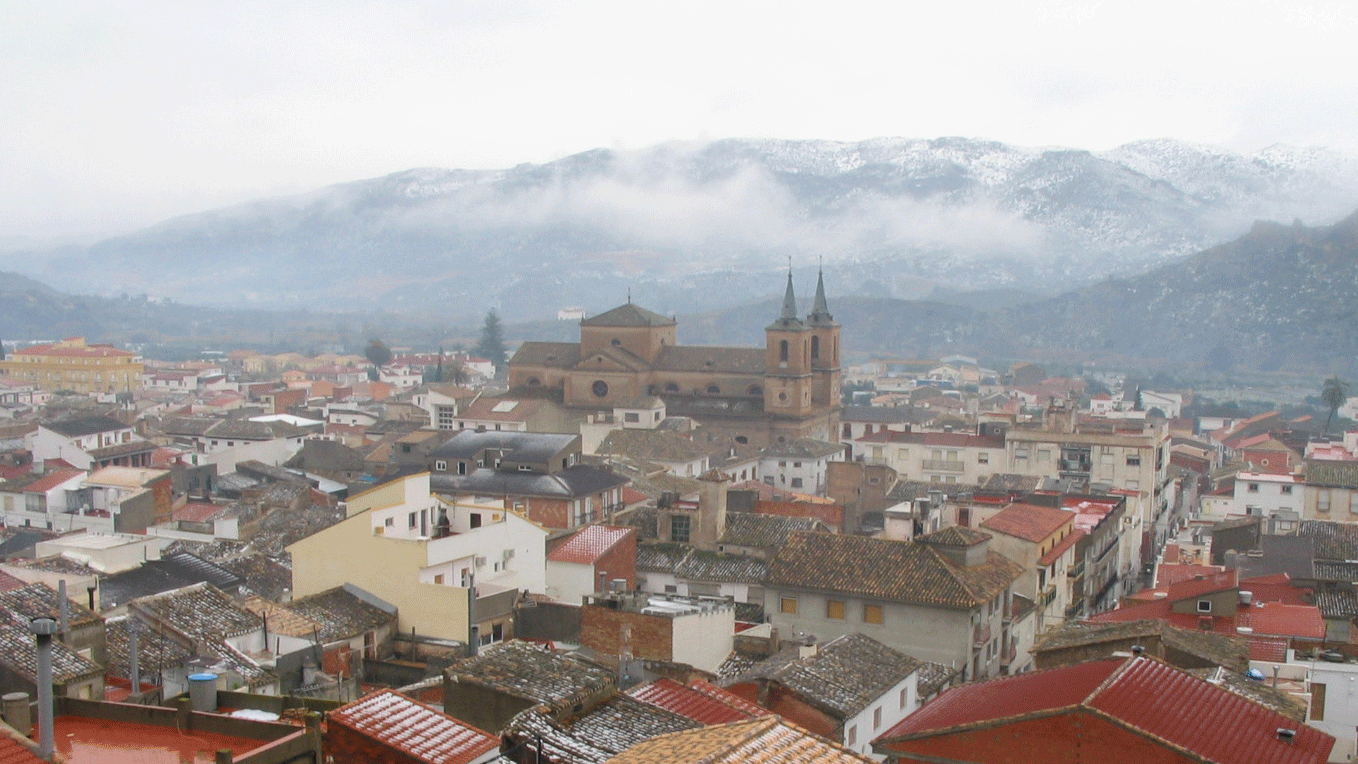
The main square is small and open to the sun for much of the day. Here stands the parish church of San Roque. The current building is usually placed in the late eighteenth century, although the site of worship is older. Its façade is simple. Inside, when open, the atmosphere is cool and quiet, with altarpieces and carvings that show the passing of time more than recent restoration.
In summer it makes sense to walk the streets early or towards evening. At midday the valley heat is felt, and the slopes seem longer than they first appear.
Paths towards the old mills
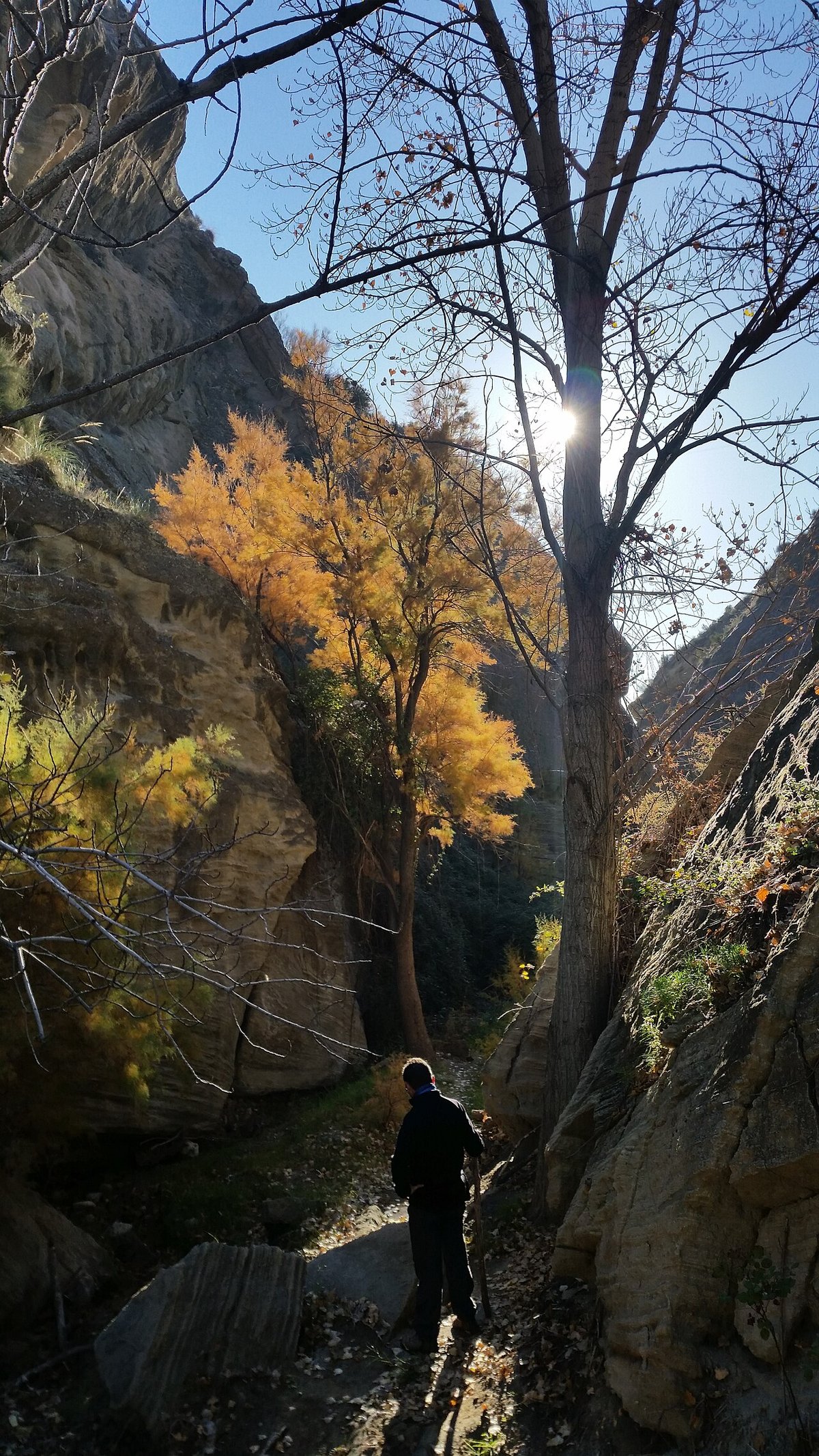
From the edge of the last houses, dirt tracks lead down towards ravines and old terraces. Some of these routes reach the remains of hydraulic mills that, for generations, ground cereal using water flowing through the ramblas. In several, channels, stone walls and parts of the machinery can still be made out.
This is not a curated or signposted route. What appears are often quiet ruins among pines and Mediterranean scrub. That is precisely where the organisation of rural life becomes clearer: every drop of water was used, and each terrace had its purpose.
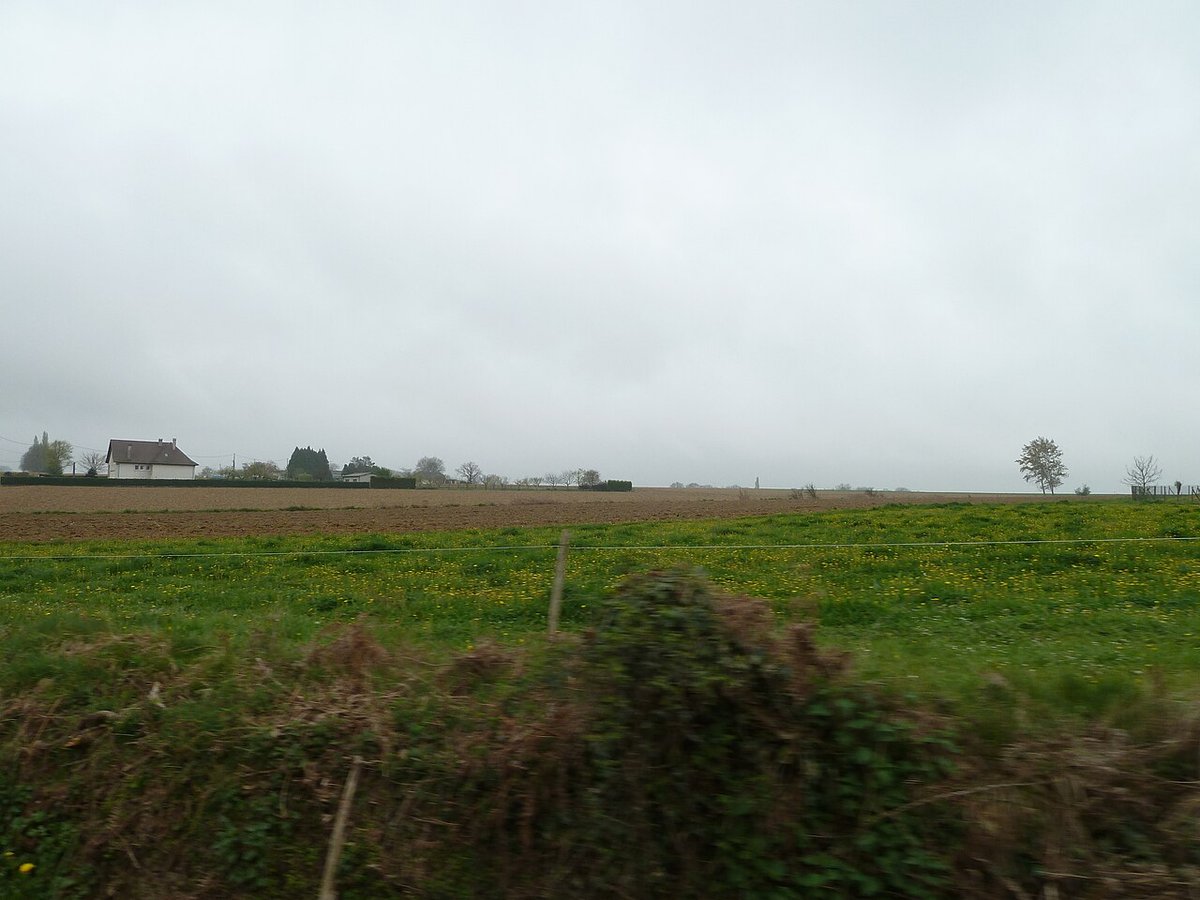
In spring the countryside changes noticeably. Low flowers appear between the stones, and the air carries more of thyme and rosemary. In autumn the landscape returns to drier tones, very typical of this part of Almería.
Trails between terraces and cortijos
Some footpaths link Somontín with other nearby villages in the valley. They are short routes, though the gradients mean they are best taken at an unhurried pace. On foot, gaining height takes time, but the reward is in the views over the Almanzora and the surrounding sierras.
There are also rural tracks often used by cyclists. A reasonable level of fitness helps, or an electric bike, as the climbs are not extreme but follow one after another. Along the way, old cortijos, abandoned terraces and irrigation channels still mark the landscape.
Looking up, it is common to see birds of prey circling on rising air currents. At certain times of year, small groups of migratory birds pass through. There are no dedicated observation points or facilities. It simply happens as you walk.
Food from the Almanzora valley
The cooking in this area reflects what has long been available locally. Migas, made with oil from the region, remain a familiar dish when the weather turns cold. Gurullos con conejo, a hearty stew with small pasta pieces and rabbit, is closely tied to the area.
In winter, kid goat and small game are also prepared in stews. Summer brings a shift towards simpler plates: tomatoes, olives, fresh salads and bread to accompany them. It is not elaborate cooking. It is food shaped by long days of work in the countryside.
Festivals rooted in the community
The rhythm of the year is marked by celebrations closely linked to local life. In August, the festivities of San Roque usually take place, with a procession, music and many people returning to the village for those days even if they live elsewhere the rest of the year.
In spring there is a traditional romería dedicated to the Virgen de los Desamparados. Families head towards the area around a nearby sanctuary, on foot or by car, and spend the day outdoors, sharing food and conversation in the shade.
Carnival also arrives in winter, bringing another moment when the town gathers, continuing a calendar that revolves less around spectacle and more around meeting, returning and staying connected to the place.