Full Article
about Suflí
Small town known for its traditional canning industry, especially the Suflí fritada.
Ocultar artículo Leer artículo completo
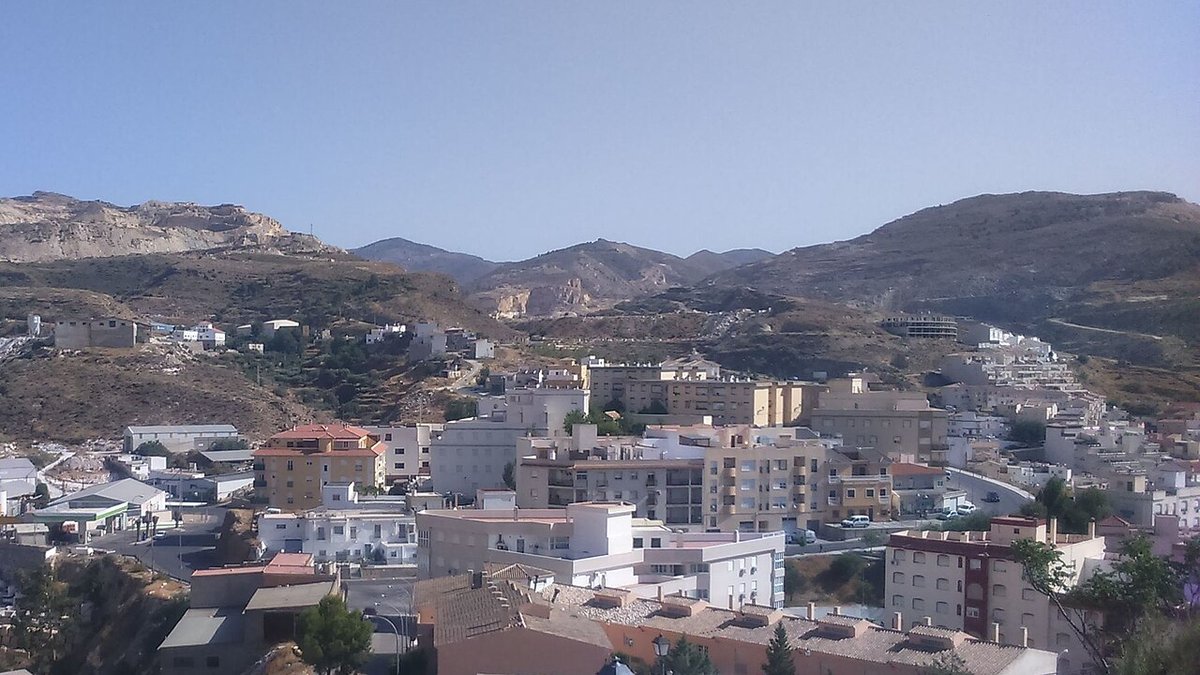
The church bell strikes seven and the sound rolls across the valley like a stone dropped into still water. From Suflí's single street, you can watch the echo travel—first the immediate clang overhead, then a softer repetition bouncing off the opposite hillside three kilometres away. At 627 metres above sea level, this Almerían village doesn't just occupy height; it uses it.
Morning here starts later than coastal Spain. The sun has to clear the Sierra de los Filabres before it touches the whitewashed walls, which means summer breakfasts happen in delicious coolness. By eleven the light turns sharp enough to cut shadows clean against the stone, and villagers retreat indoors. They emerge again at five, when the valley exhales and temperatures drop ten degrees in an hour.
Getting up requires commitment. The road from the A-334 twists through olive terraces for twelve kilometres, climbing 400 metres via switchbacks tight enough to make rental car brakes smell. In winter, morning frost lingers until ten o'clock; occasional snow shuts the access entirely. The village council keeps a plough, but it's attached to a 1987 tractor that starts when it feels like it. Spring and autumn remain the sensible choices, though October rains can turn the final approach into a clay slide that tests even local drivers.
The Architecture of Enough
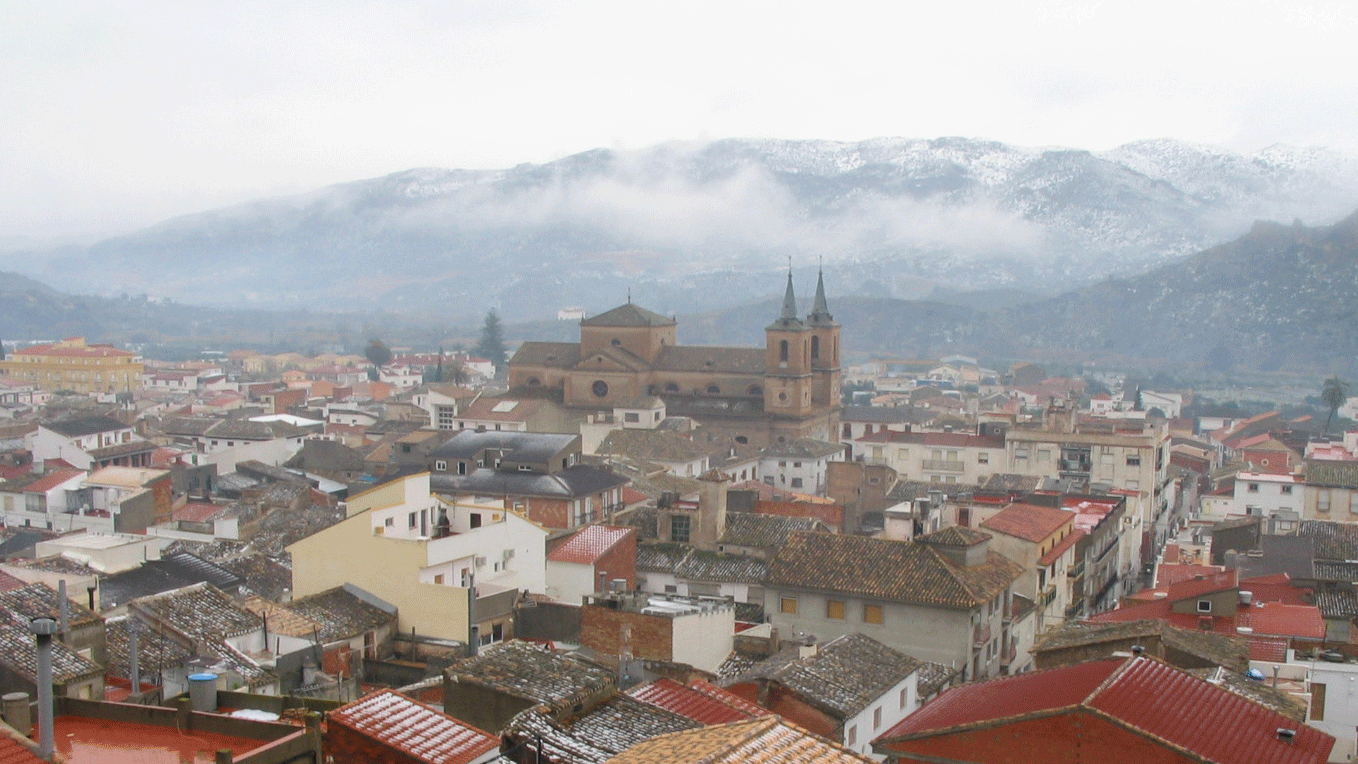
Suflí contains exactly what it needs and nothing more. The Iglesia de la Inmaculada Concepción occupies the geographical centre, its modest tower built in 1783 after an earthquake levelled the previous structure. Single-storey houses radiate outward, their walls thick enough to keep December nights at bay. Iron balconies hold geraniums in repurposed olive oil tins; doors painted cobalt or rust red show where families have personalised municipal white.
Walk uphill past the church and the village dissolves into agricultural terraces. Here houses become storerooms, their ground floors open to reveal olive nets, pruning shears, and the occasional donkey still used for steep-field work. The transition happens within 200 metres—urban to rural, stone to soil, conversation to silence. It's this abrupt edge that makes Suflí feel honest. No gradual prettification, no craft shops selling lavender bags. Just a place that knows exactly what it is.
Walking the Invisible Lines
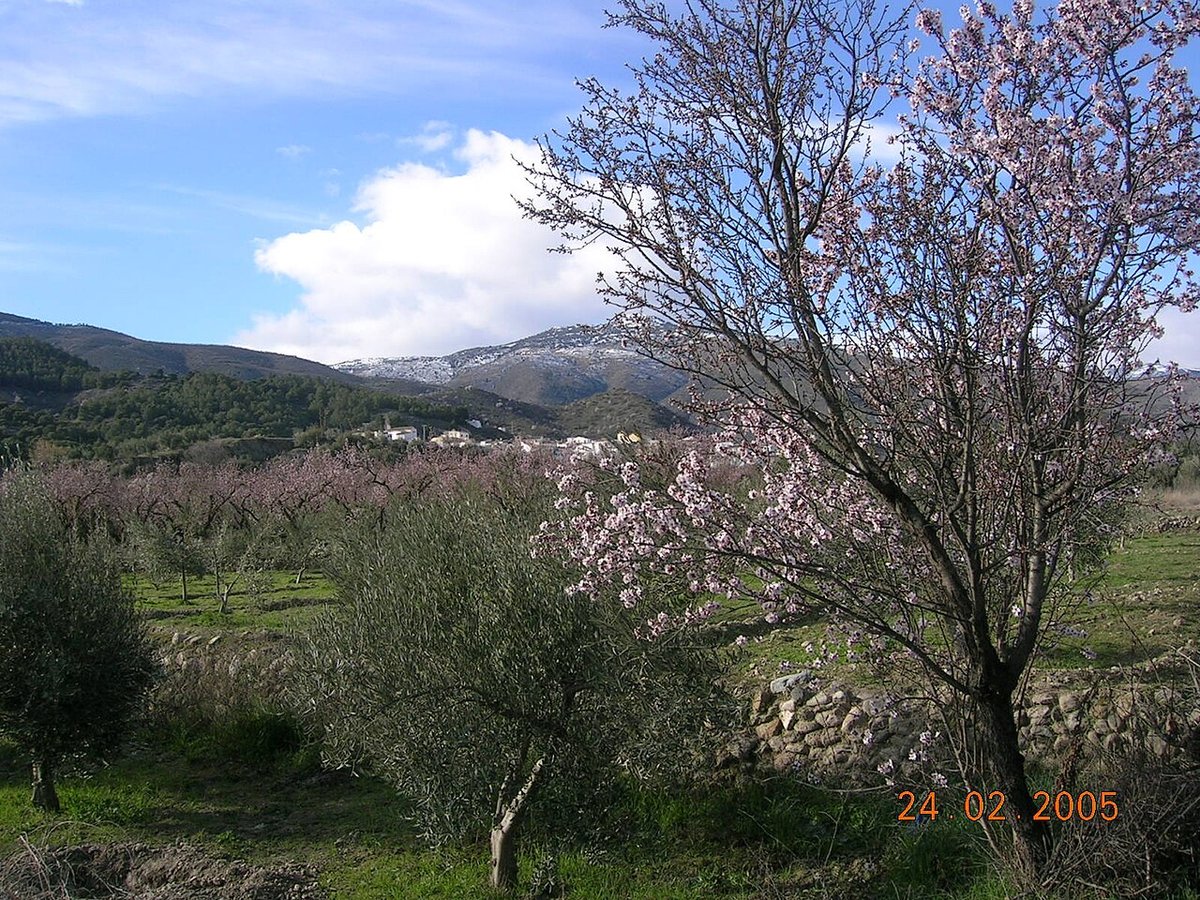
The old mule tracks still function. One heads north to Alcóntar (population 170, distance 4.3 kilometres, descent 200 metres) through almond groves that flower explosively in late February. Another traces the ridge south-west towards Chercos, passing abandoned threshing circles where wheat was once trodden by mules wearing leather boots to prevent splitting grain. These paths aren't signed; locals navigate by remembering which olive tree has the double trunk or where the ruined lime kiln stands.
Maps show the routes as dotted lines, but GPS fails repeatedly—the steep valley sides bounce signals. Better to ask in the Bar Sociedad (opens 8 am for coffee, closes 2 pm for siesta, reopens 6 pm for beer). Antonio, whose family has farmed here since 1847, will draw directions on a paper napkin. He'll also warn about the loose mastiff near kilometre two—chain your own dog if you've brought one, carry a stick if you haven't.
Food That Knows the Weather
The village menu changes with altitude as much as season. At 600 metres, tomatoes taste different from their coastal cousins—sweeter flesh, tougher skin, seeds that actually develop flavour. This matters because Suflí cooking relies on four ingredients: tomatoes, peppers, local olive oil, and whatever meat the valley provides. Winter means puchero, a stew that uses chickpeas soaked overnight and every scrap of yesterday's lamb. Spring brings maimones, a garlic soup designed to use up stale bread and fuel field workers before mechanisation.
The Bar Sociedad serves both, plus choto (young goat) when someone's had a successful kidding season. Expect to pay €9 for a plate that would constitute mains and starter anywhere else. They don't do vegetarian versions; if you don't eat meat, ask for espárragos trigueros—wild asparagus gathered from roadside verges and scrambled with eggs. Wine comes from a plastic jug labelled "vino de la casa" and costs €1.50 a glass. It's drinkable, which is high praise for local table wine.
When the Valley Celebrates
December 8th transforms Suflí. The feast of the Inmaculada Concepción pulls back everyone who left for Barcelona or Madrid. Population swells to maybe 400, enough to fill the plaza entirely. At 6 pm the church bell rings continuously for seven minutes—technically illegal under noise regulations, but the mayor's cousin does the ringing so nobody complains. Then the band starts. Twelve volunteer musicians who practise in the agricultural co-op storage room launch into pasodobles with more enthusiasm than accuracy.
The real action happens in the food tent erected next day. Women who've been cooking since 4 am serve migas—fried breadcrumbs with chorizo, grapes and garlic—onto plates that circulate until everyone's eaten. It's communist catering: no money changes hands, no portions are measured. You eat until the pans are scraped clean. By 3 pm the plaza resembles a battlefield of overturned chairs and wine-stained tablecloths. By 5 pm someone's sweeping up and normality reasserts itself.
The Practicalities of Small
There's no cash machine. The nearest petrol station sits 18 kilometres away in Cantoria, and it closes Sundays. Phone signal exists only on the church steps—everyone knows this, so conversations happen in full hearing of whoever's passing. Accommodation means either the casa rural (three bedrooms, €60 per night minimum two nights, book through the village website that hasn't been updated since 2019) or staying in larger Cantoria and driving up for the day.
Winter visitors should carry chains; summer ones should bring water for walking. The village fountain flows potable, but the supply fails during August droughts. Photographers prize the half-hour before sunset when the valley turns amber and the white walls glow like bone china. Then the light dies fast—no lingering coastal dusk here. Within twenty minutes you're walking back by phone torch, grateful the streets are too steep for cars to park randomly.
Suflí doesn't offer revelations. It provides calibration: a place where human scale still makes sense, where the boundary between village and landscape remains permeable, where silence isn't absence but presence with the volume turned down. Come for that, or don't come at all. The valley will continue breathing with or without you.