Full Article
about Taberno
Rural municipality with many hamlets; known for its ethnographic museum and almond-tree landscape.
Hide article Read full article
The first sound is usually a metal shutter rolling up, the clatter echoing off the whitewashed walls of a narrow street. Then the smell of ground coffee mixes with the dry, chalky scent of the land. By seven, the light is already sharp, cutting clear shadows on the cobbles. Taberno, in the northern reaches of Almería’s Valle del Almanzora, wakes without fanfare.
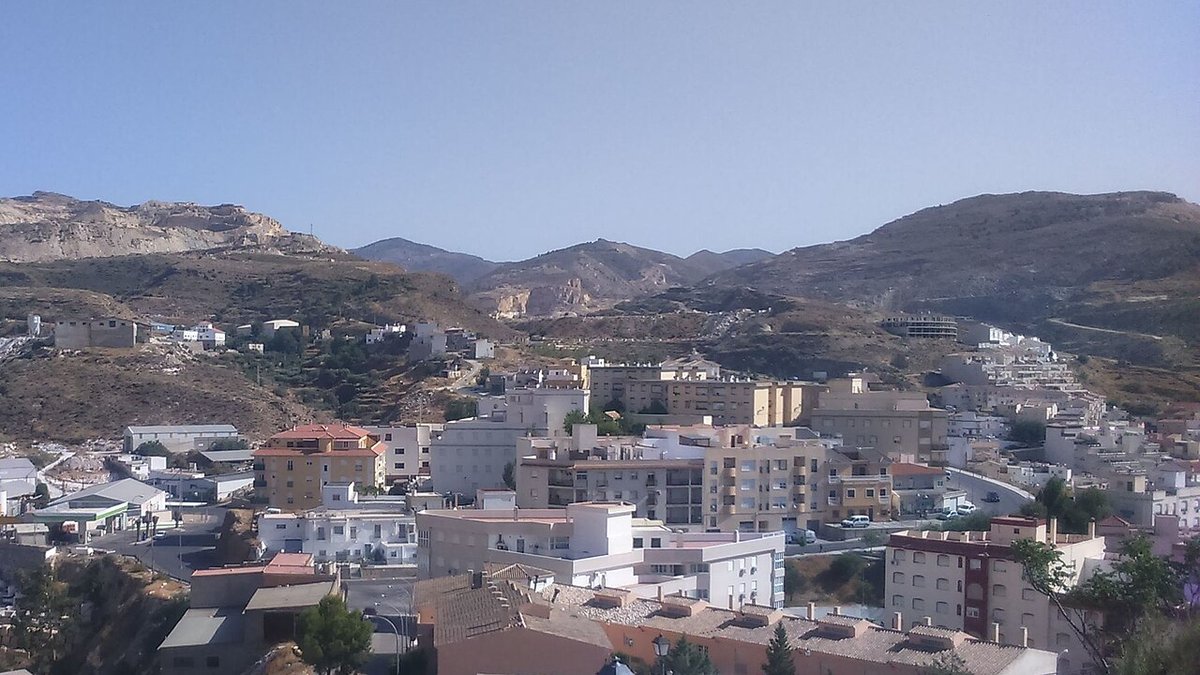
The village clings to a hillside, a compact puzzle of white cubes and terracotta roofs held in place by ancient stone terraces. From the road below, it looks static, almost painted. But inside, the streets have a mind of their own—they climb, twist into stairways, and suddenly open onto a sliver of a plaza where a lone fig tree grows.
The weight of the church
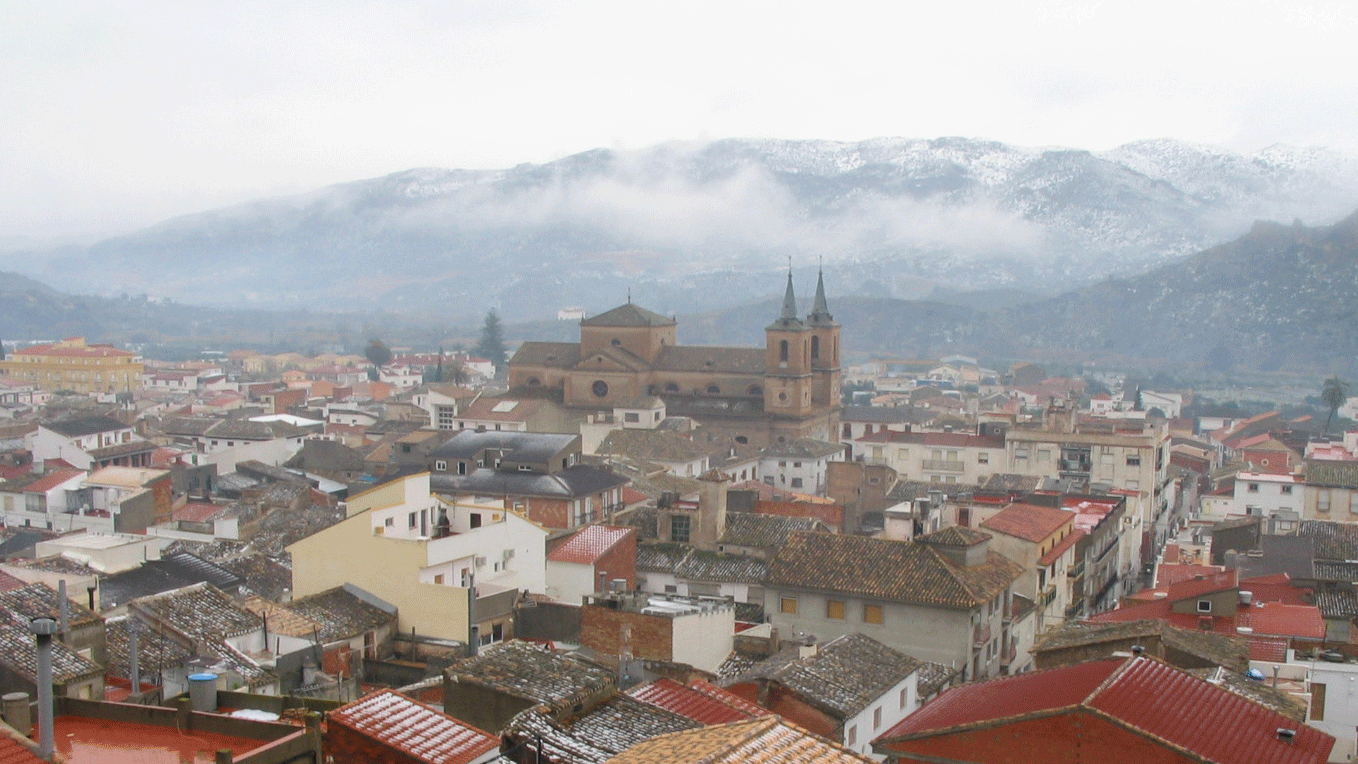
In the main square, everything leans toward the Iglesia de San Antonio Abad. Its bulk is sober, its limewash faded to a dusty cream. The heavy wooden door is often closed, but if you find it open, step inside. The air is several degrees cooler and smells of old wood and wax. Light enters grudgingly through small, high windows, leaving most of the nave in a quiet gloom. Your footsteps on the tile floor are the loudest thing here.
Outside, the square’s fountain is the true hub. In summer, you’ll see people filling large plastic bottles, the water shockingly cold even in August. They might pause to talk, but never for long. This isn’t a place for lingering in plain view; life happens in doorways and patios.
A geometry of shade and steps
There is no logical grid. To walk Taberno is to submit to its slopes. You follow a street that seems level until a sudden ramp tests your calves. You pass heavy doors of dark wood, smoothed by generations of hands, and catch glimpses through wrought-iron gates: a patio lined with flowerpots, a vine tangled over a pergola providing a strip of shade.
The best strategy is to wander without destination. A car is a burden here; some lanes are barely wider than your shoulders. The village reveals itself in textures—the roughness of dry-stone walls, the cool touch of painted plaster in shadow, the hum of a refrigerator from an open kitchen window.
Come in spring or autumn. The light is kinder then. In high summer, the midday sun turns the white walls into a glare and sends everyone indoors until late afternoon.
The land at the doorstep
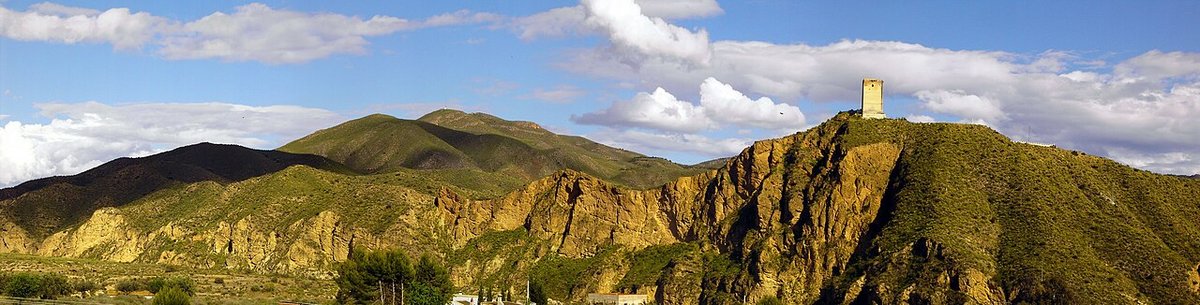
The village doesn’t end; it frays into the countryside. One minute you’re on a cobbled lane, the next you’re on a dirt track between almond trees. The terraces are everywhere, holding back the hills in stacked ribbons of stone. They speak of stubbornness, of making a living from dry soil.
In late winter, if the rains have come, those almond trees erupt in white and pale pink blossom. It’s a brief spectacle—a soft haze against the rugged browns and greys that lasts only weeks before the landscape hardens back into its usual austerity.
Paths lead out toward partidas like La Concepción or Los Cerrillos. These are farm tracks, not hiking trails. You walk past olive groves gnarled with age and small cortijos with barking dogs. There’s no signage. Ask locally about conditions, go early with water, and understand you’re moving through working land, not a park.
The pulse of the year
Time in Taberno is marked by returns. In January, for San Antonio Abad, the village fills with voices and smoke from braziers. Families return. In August, the night air stays warm past midnight, and the square hums with conversation until late. The population doubles with those coming back for las vacaciones.
These are the loud weeks. For solitude, aim for May or October. You’ll have the morning streets to yourself, save for an old man slowly sweeping his doorstep or the clatter of dishes from an open window.
Getting there and staying there
Taberno sits inland, north of Huércal-Overa. The approach is via local roads that coil through olive-dotted hills. Drive them patiently; they narrow without warning behind blind curves.
Park where you can near the top of the village and continue on foot. There’s no tourist office, no designated route. Understanding comes from walking its gradients, hearing the quiet between sounds, and feeling the sun move across its walls. This is a place measured in footsteps and shadows