Full Article
about Tíjola
The pearl of Almanzora; known for the Balsa de Cela and its historic heritage.
Hide article Read full article
If you are coming to Tíjola, sort the car out first. The centre is a tangle of narrow streets and at certain times it becomes awkward to drive through. It is usually easier to leave the car near the paseo and continue on foot. The town is small enough for that to make sense.
Walk down Calle Mayor and you end up at a marble fountain with three lions spouting water. Many people pass without paying much attention. It has been there a long time. Locals say the marble came from Macael and that the fountain was installed so residents would no longer need to fetch water from the river. A neighbour out walking his dog tells it that way. He also explains that the place used to be called Tagilit, later Tachola, and now Tíjola. The Río Almanzora flows nearby and shapes much of the valley’s landscape.
What you will find, and what you will not
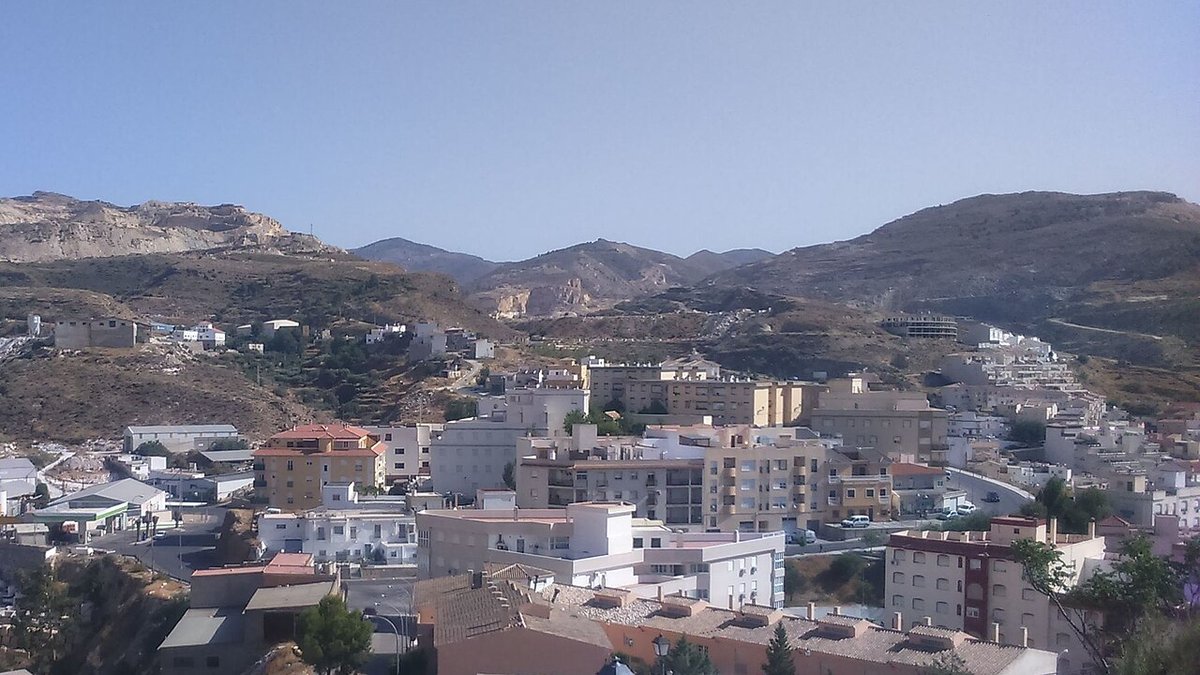
Tíjola has around 3,500 inhabitants. It is a typical inland town in the province of Almería. Whitewashed houses, shutters lowered during siesta hours, people who start work early.
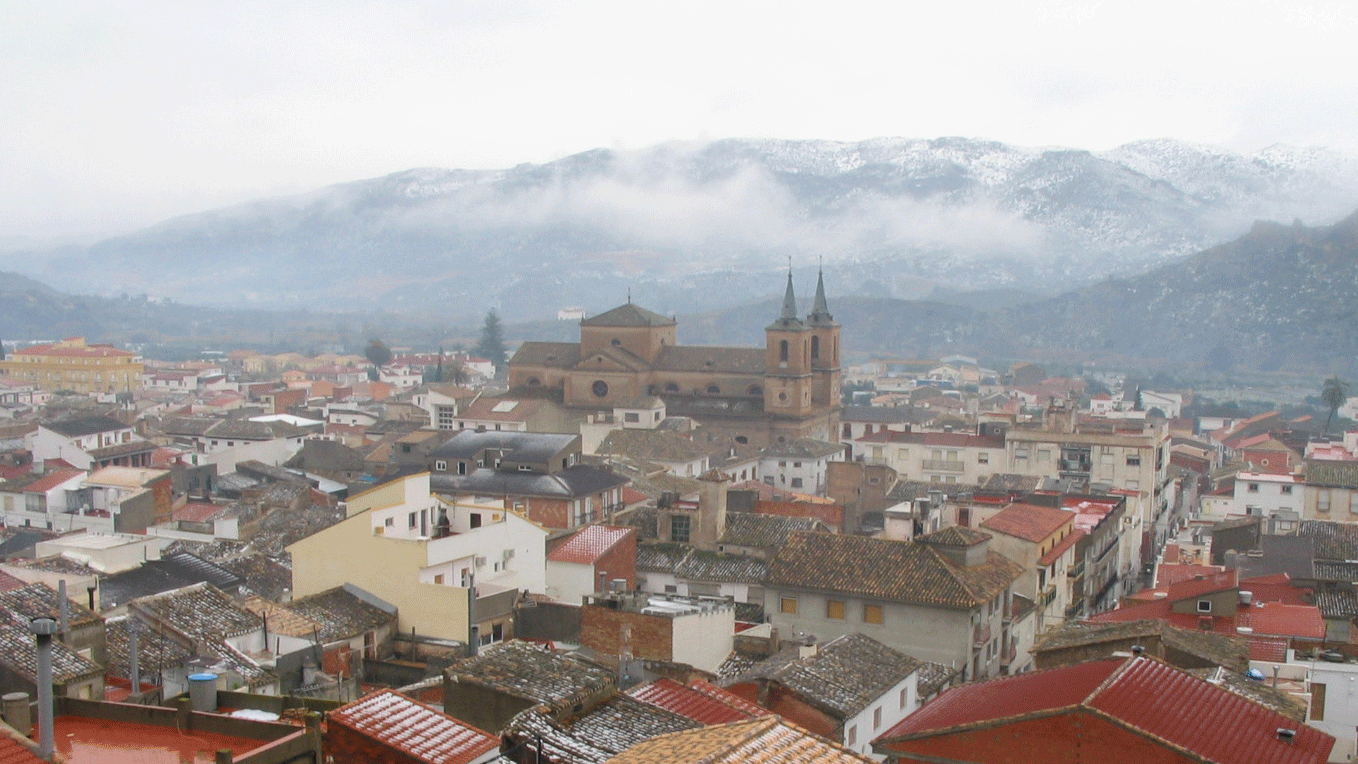
On the main square there is a bandstand that is rarely used and several terraces where coffee is served in thick glass tumblers. The church dominates the centre. The current bell is relatively recent, the previous one, according to local accounts, was lost during the war. Inside, there is an image of the Virgen del Socorro which, according to local tradition, arrived by sea from Italy centuries ago. On 15 August it is carried through the streets in procession and the town fills up far more than usual.
For the rest of the year, life moves at a different pace. Farming, workshops, long-established shops, and very little activity from mid-afternoon onwards.
There is no attempt to dress any of this up. No curated façades, no obvious effort to reinvent the place for visitors. Daily routines continue much as they always have.
Walking up to the Cruz de Tercia
If you feel like stretching your legs, head out of town towards Serón. A few hundred metres along the road, a sign points to the Cruz de Tercia. The path climbs into the hills for several kilometres. It is not a short stroll.
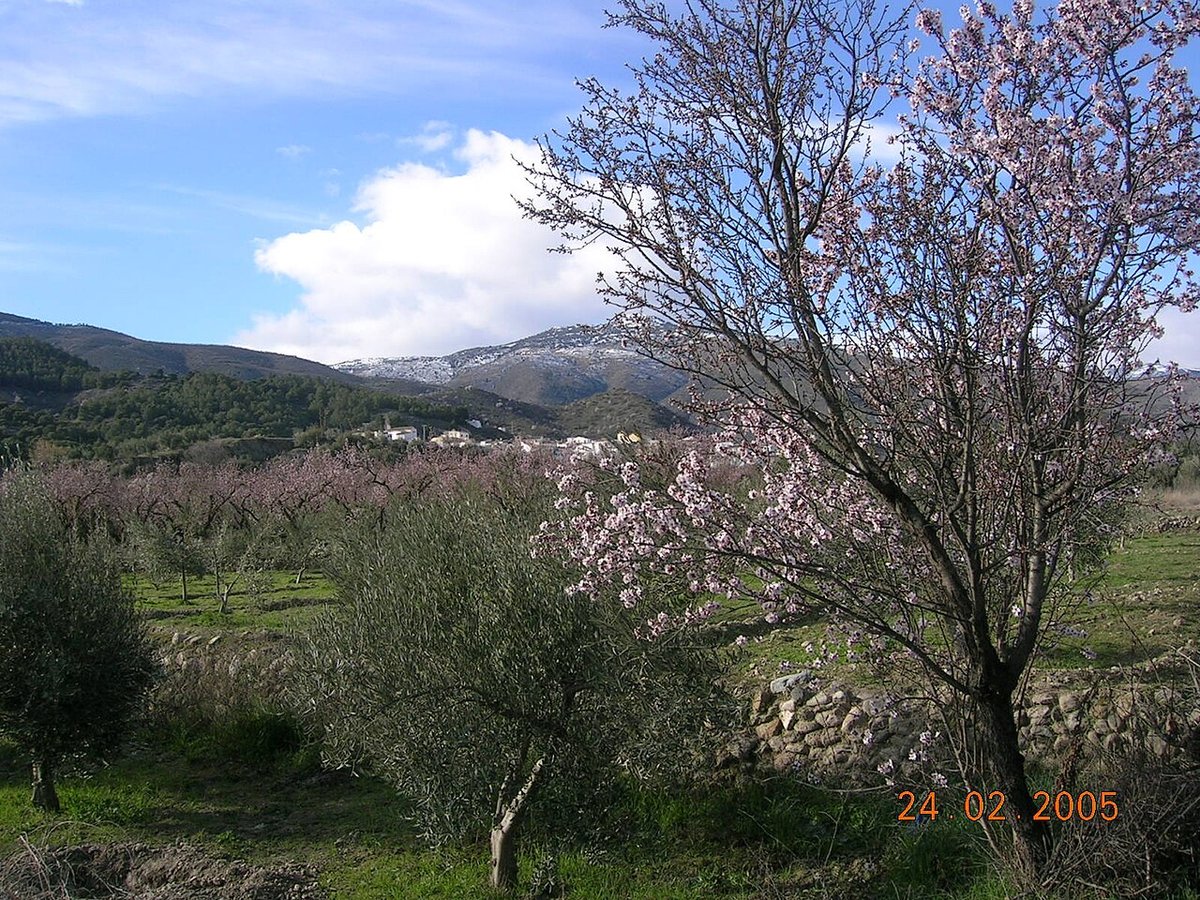
In summer, the heat in the Almanzora Valley is intense, so water and a hat are sensible. At the top stands an iron cross, visibly worn by time and weather. From here the whole valley opens up: olive groves, scattered cortijos and Tíjola set between the slopes.
Next to the cross someone has left a message inside a bottle: “María vuelve, que el pueblo sigue igual” – María, come back, the town is still the same. It has been there for quite some time.
The walk back down returns you to the same rhythm as below. A quiet road, the outline of the church tower, the white houses against dry hills.
Eating without folklore
There are no menus designed with outsiders in mind. The normal thing to do is ask what has been cooked that day.
Gurullos con liebre often appear on some Sundays. Gurullos are small pasta-like pieces typical of this part of Almería, served here with hare. Olla de trigo is another staple, a substantial stew made with wheat, beans and meat. Migas with chorizo and garlic also feature. These are local dishes, straightforward and filling.
During fiestas, homemade sweets come out: roscos de vino scented with aniseed, pestiños coated in honey and similar treats. Many are prepared in private kitchens around the town rather than in commercial bakeries.
There is no sense of performance around the food. It is what people eat, when they make it, in the way it has long been prepared.
When to come, and when to think twice
May is often a good time. The valley is greener and the heat has not yet become overwhelming. On the first Sunday of that month, people walk up to the sanctuary of the Virgen del Socorro. It takes a couple of hours along a dirt track. The ascent is sociable: people chat, share sandwiches, and later make their way back down at their own pace.
August is tough. The heat lingers even at night.
In January, San Antón is marked with bonfires in the streets. If you come then, bring a warm coat. The cold in the valley seeps in more than you might expect.
Outside those moments, Tíjola settles into its usual tempo. Mornings have movement. Afternoons are quiet. Evenings rarely stretch late.
The usual advice
Tíjola can be seen in a calm morning. Park outside the centre and walk in.
Stop by the fountain with the three lions. Step into the small local museum, where they keep the so-called Ídolo de Tíjola, a prehistoric stone figure discovered during building work some years ago. It is not large, but it carries its own story.
After that, a coffee in the square and little more.
Do not look for souvenir shops or anything arranged specifically for tourism. This is a town that continues with its routine. Fields, errands, conversations that pick up where they left off the day before. And that is all. Sometimes that is enough.