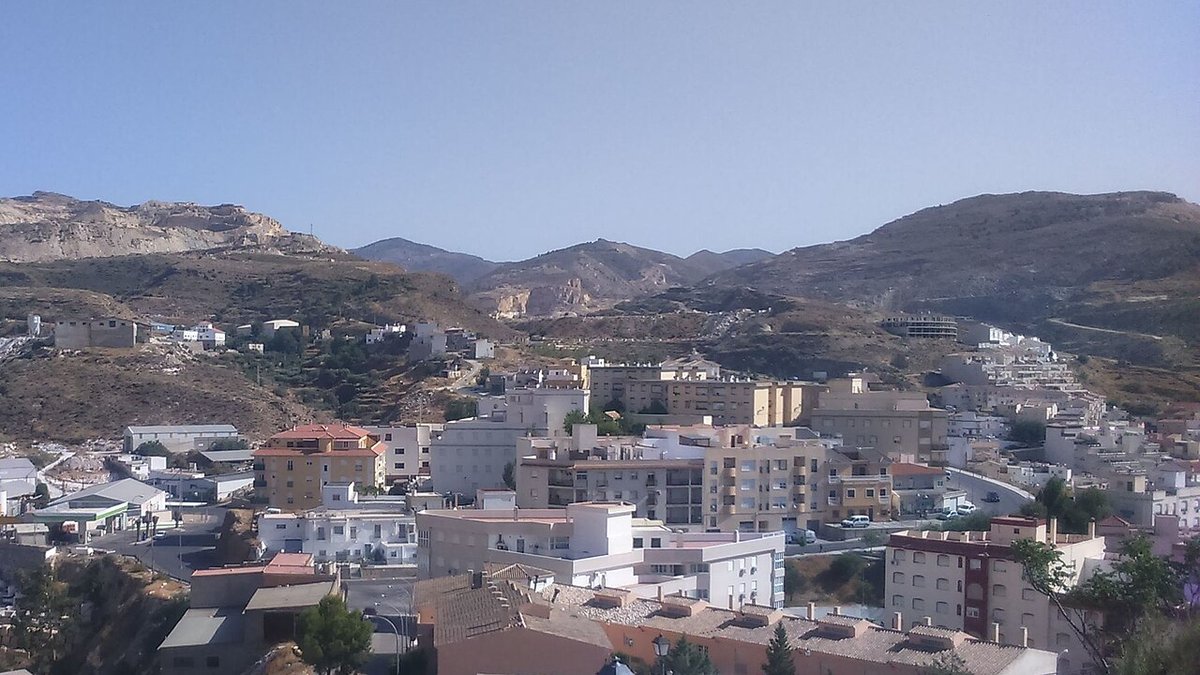
CERRÁ DE URRACAL - ALMERÍA.jpg
Antonio Flores Túnez · CC0
Andalucía · Passion & Soul

Urrácal

The thermometer reads 35 °C on Almería's coast, yet twenty minutes after turning inland the hire-car's outside-temperature display has dropped to 2...

340 inhabitants · INE 2025
744m Altitude

Why Visit

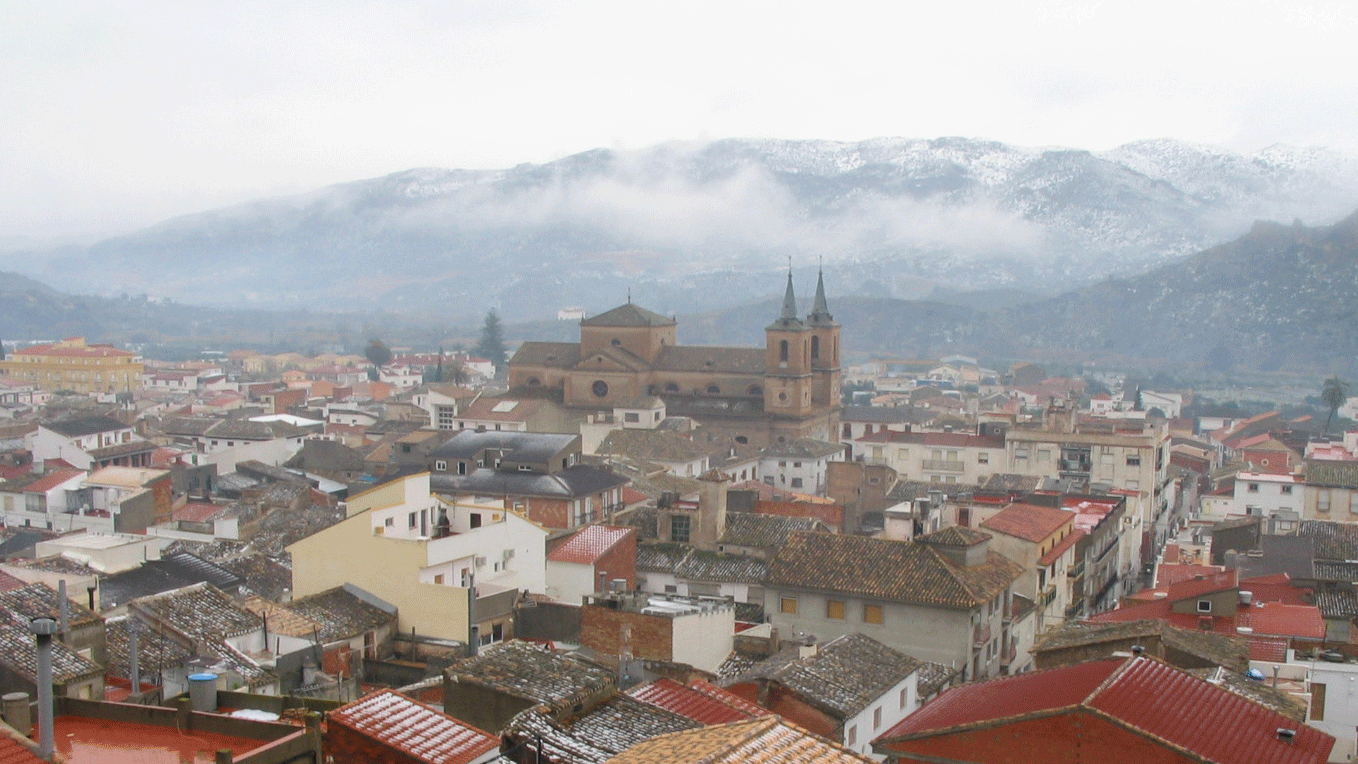
Church of Santa María Hiking through the Estrecho

Best Time to Visit

spring

San Blas fiestas (February) agosto

Things to See & Do
in Urrácal

Heritage

  • Church of Santa María
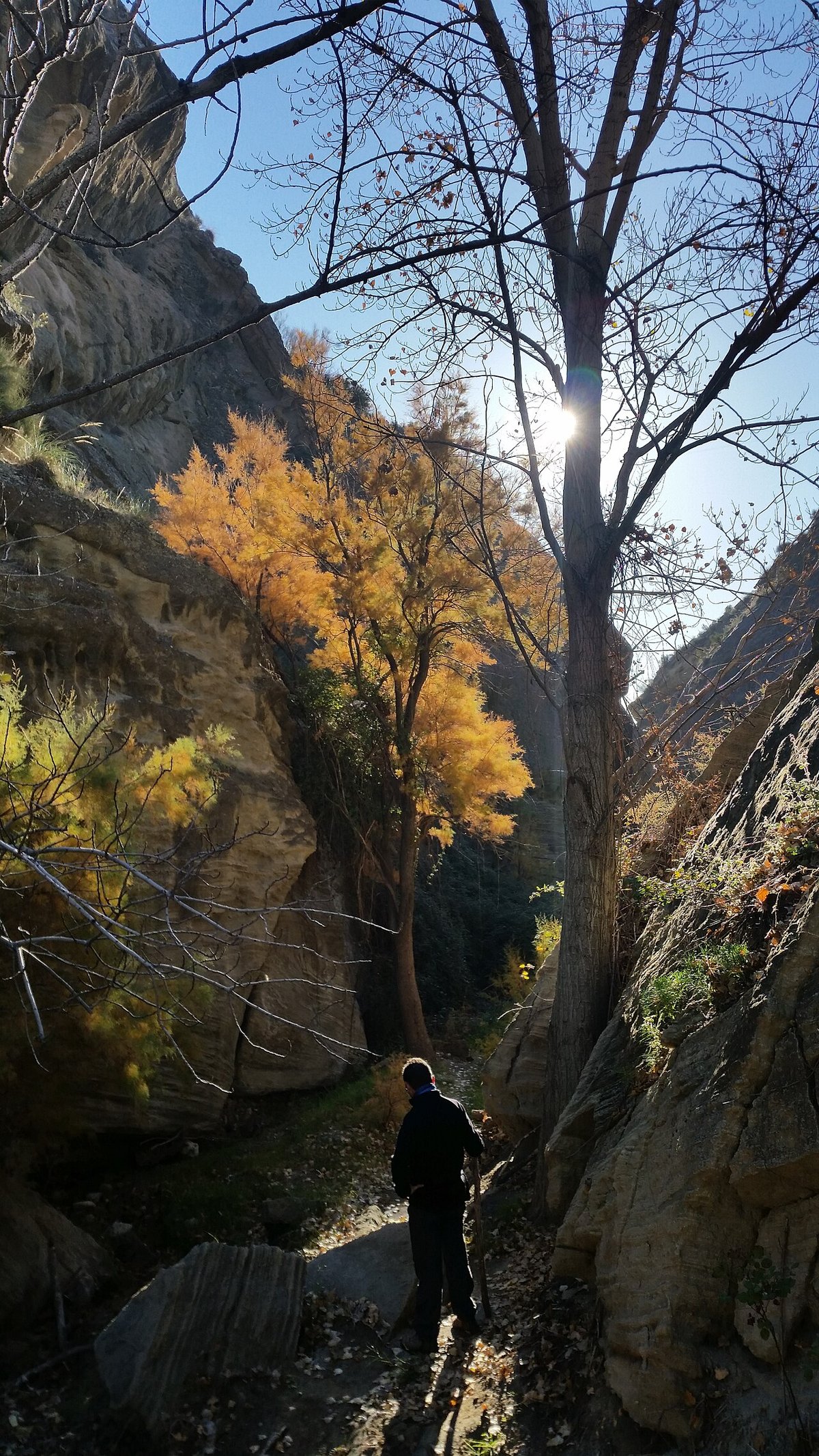
  • Estrecho Gorge
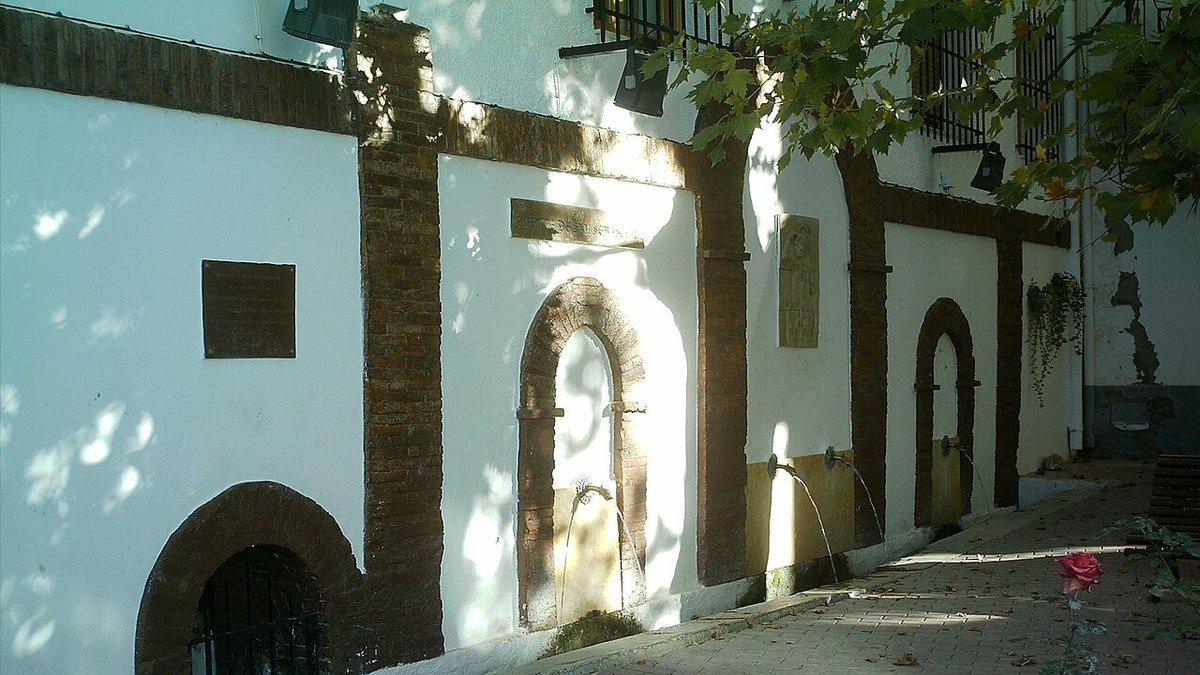
  • public laundry

Activities

  • Hiking through the Estrecho
  • Nature photography
  • Relaxation

Festivals
& & Traditions

Fecha agosto

Fiestas de San Blas (febrero), Santo Cristo (agosto)

Las fiestas locales son el momento perfecto para vivir la autenticidad de Urrácal.

Full Article
about Urrácal

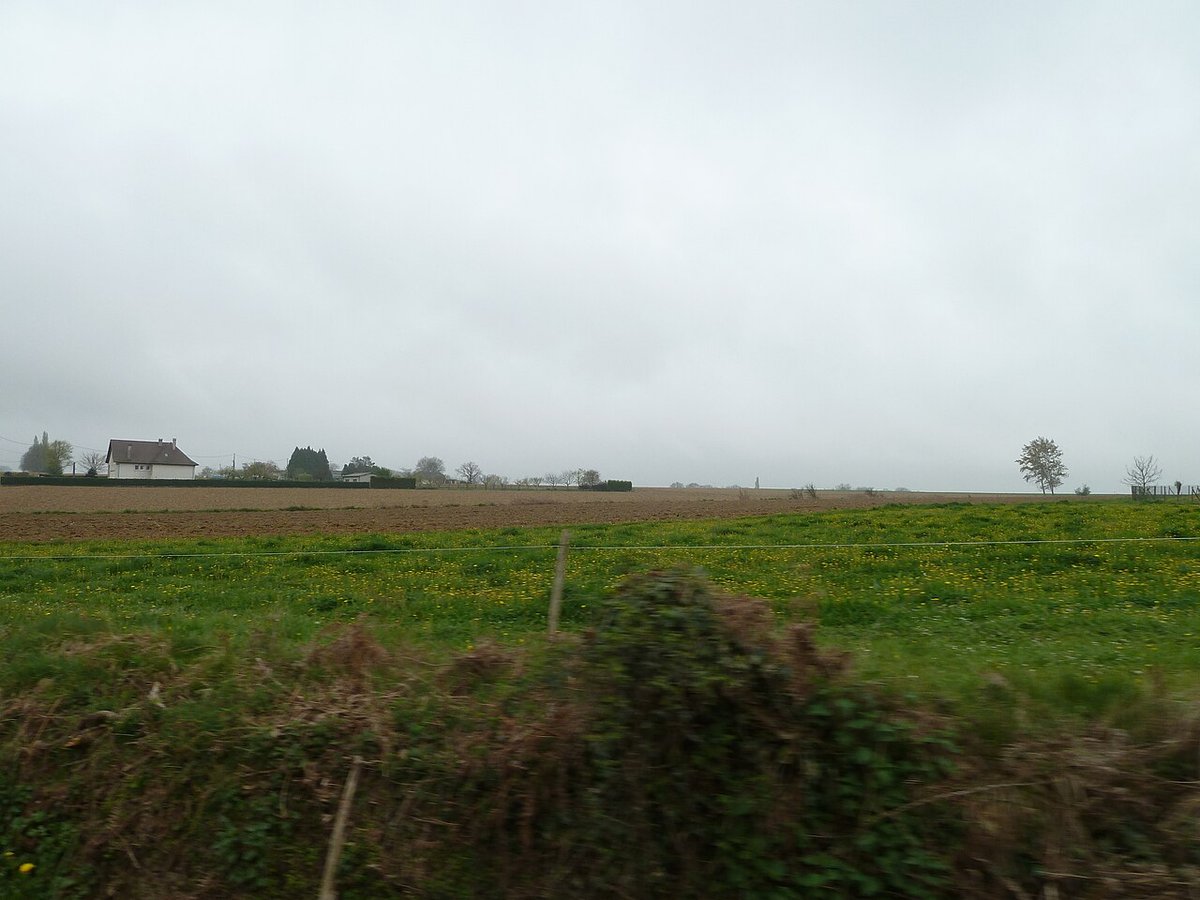
Hidden village in a ravine; known for its narrow streets and rugged natural setting.

Ocultar artículo Leer artículo completo

The thermometer reads 35 °C on Almería's coast, yet twenty minutes after turning inland the hire-car's outside-temperature display has dropped to 26 °C and the air smells of thyme instead of sunscreen. That is the first hint that Urrácal, perched at 744 m on a shelf above the Almanzora valley, plays by different rules.

A village that refuses to hurry

Urrácal has 378 residents, two bars and one church. Its streets are barely two donkeys wide, painted white to throw back the summer sun, and they tilt at angles that would make a Tour-de-France cyclist grimace. Park on the small plaza by the ayuntamiento; anything beyond that is either a dead end or a calvary that will scrape your wing-mirrors. The village is too high for olive-oil tourists who hug the coast and too low for the serious Sierra Nevada hikers, so it keeps whatever rhythm it chooses. On weekdays that rhythm can approach silence.

Start with coffee at Bar Nuevo, where the owner still writes the bill in biro on the bar-top. A café con leche costs €1.30 and comes with a free tapa of grilled pork tenderloin—mild enough for children, no mysterious offal. Locals treat the bar as their living room; if you want to hear Andaluz Spanish spoken at machine-gun speed, pull up a stool before 10 a.m. when the farmers drift in after checking almonds for frost damage.

What passes for sightseeing

There is no castle, no ticket booth, no audio guide. The sixteenth-century church of San Roque squats at the top of the village; its tower acts as a compass if you get lost among the lanes. Inside, the retablos are heavy with gold leaf and the air smells of candle wax and floor-wax in equal measure. The building is usually open; if not, the key hangs next door with a neighbour who will appear the moment you hesitate convincingly outside.

From the small mirador beside the church you look south across a chessboard of almond and olive plots. Visit in February and the board turns white and pink; photographers arrive with long lenses, but even a phone produces postcard colours without filter. Sunset is the best light, roughly twenty past six in late winter, when the Sierra de los Filabres bruise to violet and swallows dive below the viewpoint wall.

Walking options are modest and satisfying. A signed footpath drops from the north edge of the village into the Rambla de Urrácal, a normally dry riverbed lined with oleander and rosemary. The circular route takes ninety minutes, requires trainers rather than boots, and you will meet more goats than people. Spring migrants—bee-eaters, hoopoes, black-eared wheatears—use the rambla as a flyway; bring binoculars if you own them.

Eating: calories justified by altitude

Kitchens shut from 4 p.m. to 8 p.m.; plan lunch for 2.30 or you will be staring at closed shutters. Bar Nuevo does a three-course menú del día for €10 including wine: soup or salad, a plate of Segura lamb braised with garlic, and a slab of fig cake (pan de higo) that tastes like Christmas pudding without the brandy. Vegetarians can ask for migas—fried breadcrumbs with grapes and peppers—though be aware the dish was invented to use up pig fat.

If you crave something lighter, Hakunamatata Bar (yes, really) on the lower street will make a plain Spanish omelette and serves chilled Alhambra lager in frosted glasses. The terrace catches the afternoon sun; it is the only place in the village where you can sit outside without feeling you are in the middle of the road.

Night skies and other quiet pursuits

Light pollution is negligible. Walk fifty metres beyond the last streetlamp and the Milky Way becomes a smear of sugar across black velvet. August brings the Perseid meteors; locals drag plastic chairs onto the plaza and compete to count shooting stars. The village keeps one modest telescope in the cultural centre; ask at the town hall and someone will unlock it, mainly for the pleasure of showing off Jupiter's moons to strangers.

When to come, when to stay away

March and April offer daytime temperatures of 18-22 °C and almond blossom. Mornings can start at 5 °C thanks to the altitude—pack a fleece. October repeats the trick with added autumn colour on the lower slopes. Mid-August climbs to 34 °C at midday but drops to a civilised 19 °C after midnight; that is when the fiestas happen. San Roque is celebrated around 16 August with a procession, a brass band that has clearly practised, and a foam party in the municipal pool that entertains teenagers while their grandparents play cards under poplars.

Avoid August if you dislike amplified music echoing off stone walls until 3 a.m. Avoid January unless you enjoy ghost-town ambience: many bars close, even the bakery works reduced hours, and the sole pharmacy operates on a rota system twenty kilometres away.

Getting here – and away again

The closest airport is Almería, served by easyJet and Jet2 from London and Manchester (2 h). Hire cars live in a cabin opposite arrivals; book ahead in summer. Take the A-7 coastal motorway east for twenty minutes, peel off onto the A-334 towards Baza, then follow signs for Olula del Río and finally Urrácal. The final 10 km wriggle uphill but the tarmac is good and petrol stations exist in Olula—fill up there because the village has none.

Without a car you are essentially stuck. A taxi from the airport costs €90 each way; buses reach Purchena, 12 km below, but onward transport is mythical. Cycling is possible if you relish 700 m of climbing on a road that truck drivers treat as a personal racetrack.

Where to sleep (spoiler: not here)

There is no hotel, no guesthouse, not even a room above the bar. Nearest beds are in Olula del Río: Hotel Cazorla is clean, €55 for a double including garage parking, and the restaurant opens every evening. Treat Urrácal as a daytime stop on a white-village circuit—Lúcar, Tíjola, Serón—rather than an overnight base. The upside is you are forced to slow down, drink another coffee, watch the village cats occupy the warm bonnet of the only parked car, and admit that sometimes a place is interesting precisely because nothing is set up for you.

Leave before the church bell strikes eight; the road down to the valley is unlit, and the first sharp bend arrives immediately outside the village sign. In the rear-view mirror Urrácal's lights shrink to a small cluster, then disappear, like someone switched off a single room. Twenty minutes later you are back on the coast, windows open to sea-level heat, wondering if the drop in temperature, the taste of lamb, and that shooting star were all invented for the afternoon.

Key Facts

Region
Andalucía
District
Valle del Almanzora
INE Code
04096
Coast
No
Mountain
No
Season
spring

Livability & Services

Key data for living or remote work

2024
Connectivity5G available
EducationElementary school
Housing~5€/m² rent · Affordable
Sources: INE, CNMC, Ministry of Health, AEMET

Planning Your Visit?

Discover more villages in the Valle del Almanzora.

View full region →

More villages in Valle del Almanzora

Traveler Reviews