Full Article
about Zurgena
A town shaped by the railway and its history; it has a restored old train station.
Hide article Read full article
Zurgena is a town you feel, not just see
You know that feeling when you walk into a room where a big party happened the night before? It's quiet now, but the air still holds the echo. That's Zurgena for me. It's not about a stunning monument or a perfect plaza. It's about the sense of something that was here, moved through, and left a mark. The old train station is where that feeling hits hardest.
The station where time got off the train
The railway shut down in the 80s, which isn't that long ago if you think about it. But instead of turning the station into a cute heritage centre, they just... left it. And that's what makes it interesting. You walk past the old station building, the silos, down the empty platform where weeds push through the cracks. You can almost hear the ghosts of trains that used to run from Granada to the coast, carrying ore and people. It feels honest. A bit forgotten, sure, but not dressed up for you.
Two towns in one, split by history
To get Zurgena, you need to know it’s really two separate bits glued together by time.
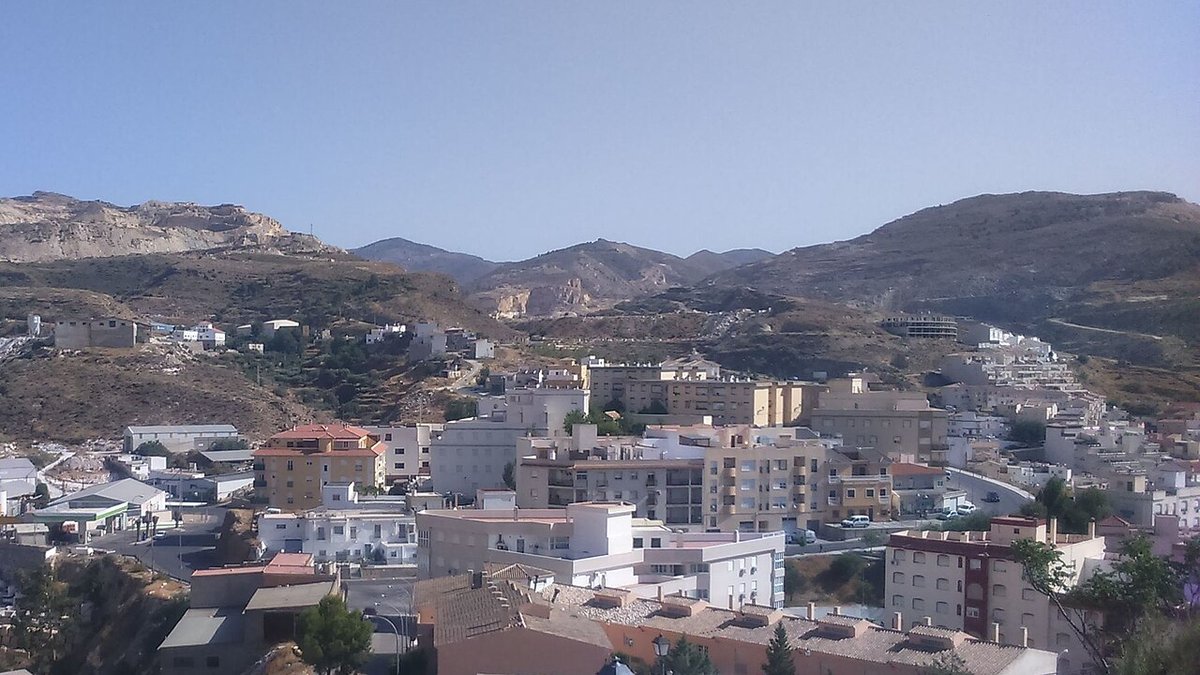
Down by the tracks is La Alfoquía, also called the Barrio de la Estación. This is the newer part, with straighter streets that grew logically because of the railway. It feels more open, more planned.
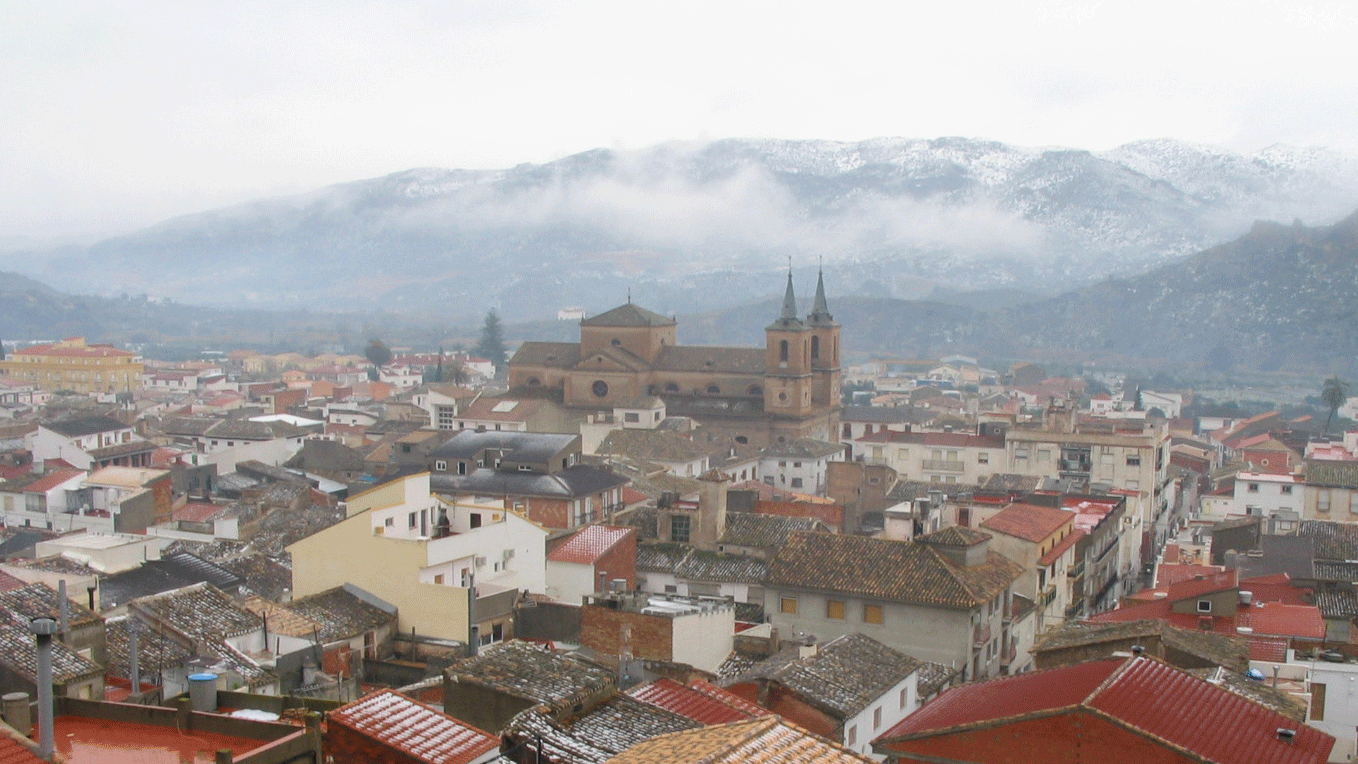
Then you have the old town on the Cerro del Castillo hill. This is the opposite logic. The streets climb in whatever way they could manage around the slope. You don't walk here for grand views at every turn; you walk for the slow reveal. You round a corner and get a sliver of landscape between whitewashed houses. You keep climbing and eventually, the iglesia de San Ramón Nonato appears. It’s a church that’s been patched and changed over centuries, like most around here.
The real payoff is near the clock tower. You turn around and boom – there’s the whole Valle del Almanzora laid out like a map. It’s one of those views that makes you stop and just get it. You see why people built up here: to see everything coming.
The hill with a castle (sort of)
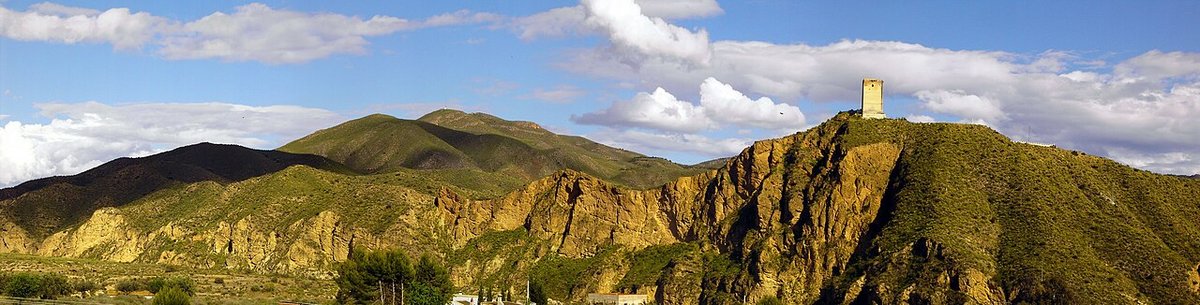
Don't let the name "Castillo de los Correos" fool you. If you're expecting a big medieval fortress, you'll be disappointed. What's up there are scant remains of a small watchtower post. Its importance was all about location, not architecture. From this hilltop, you control sightlines over the entire valley passageway. Standing there, history feels less about kings and battles and more about practicality: seeing trouble coming from miles away.
Life in pulses
Day-to-day Zurgena is tranquil, almost sleepy. But it has its pulses. In August, during cultural week, it wakes up properly with concerts and street life. The Friday market brings a weekly hum – it’s small but real, with fruit stalls and household goods. What also defines modern life here is sound: Spanish and English mix constantly in squares and bars thanks to a long-established British community who call this valley home.
How to visit without trying too hard
Trying to "do" Zurgena with a checklist will frustrate you. Come without much of a plan. Start down in La Alfoquía by that silent station. Let your feet follow the natural pull uphill into the maze of the old town. The climb is part of it. End up at that viewpoint by the tower. It won't take all day. Have lunch somewhere simple. Then drive on. What sticks with you isn't a photo of a famous building. It's that quiet aftertaste of passageways and pauses – a place built on watching things go by