Full Article
about Alhaurín de la Torre
Expanding commuter town near the capital, known for its many green areas and high residential quality of life.
Hide article Read full article
At seven in the evening
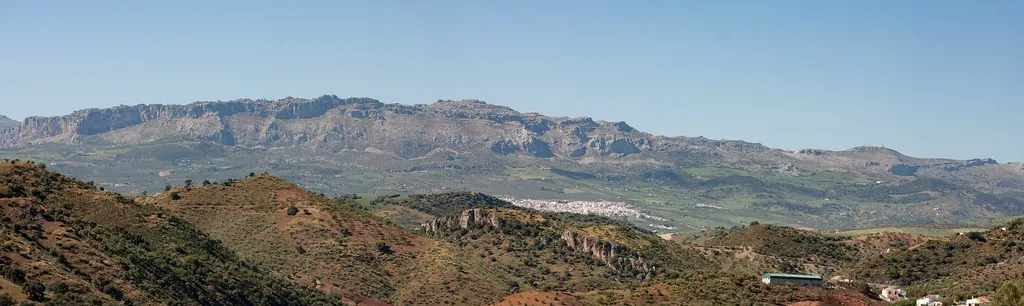
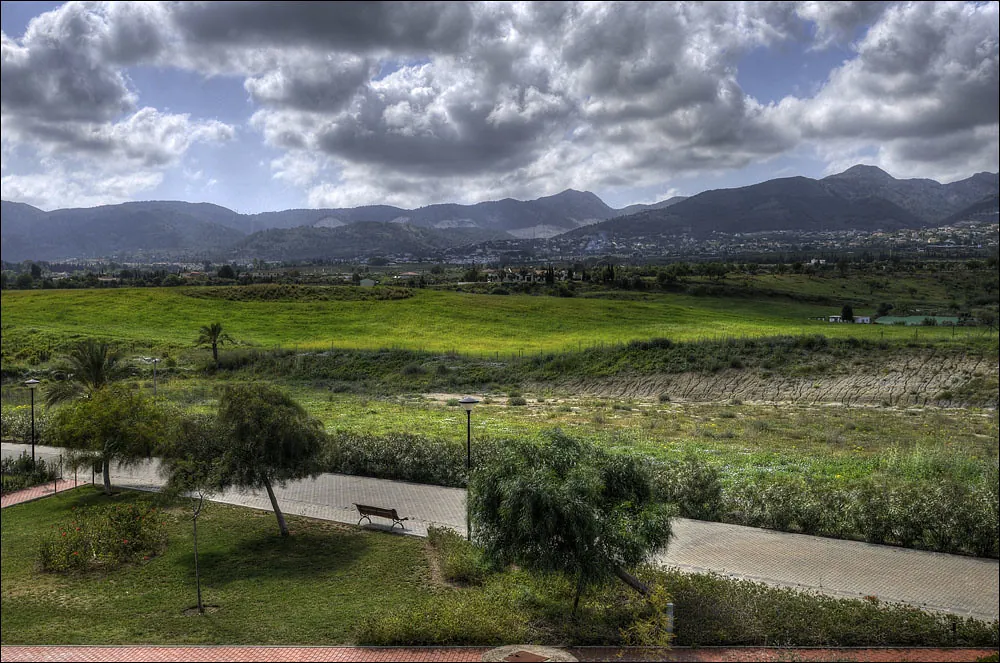
At seven in the evening, Alhaurín de la Torre smells of burnt orange. It is not a figure of speech. The scent comes from orange blossom drying on the pavements after watering, mixed with the smoke of the first barbecues lit in patios. From Parque de la Constitución, the Guadalhorce Valley opens out like a blanket of orchards and greenhouses that catch the light in white flashes as the sun lowers.
Around this time, chairs appear outside front doors, children run across the square, and the clock of the church of San Sebastián usually lags a few minutes behind the rest of the world. It is a small detail, but it fits the rhythm of the place.
A town that refuses to just sleep
Alhaurín de la Torre sits very close to Málaga, less than twenty kilometres, and not far from the coast. Many people move in and out every day for work, school or shopping. In the morning, buses fill Avenida de Andalucía. In the afternoon, they return with the same tired routine found in any town near the sea.
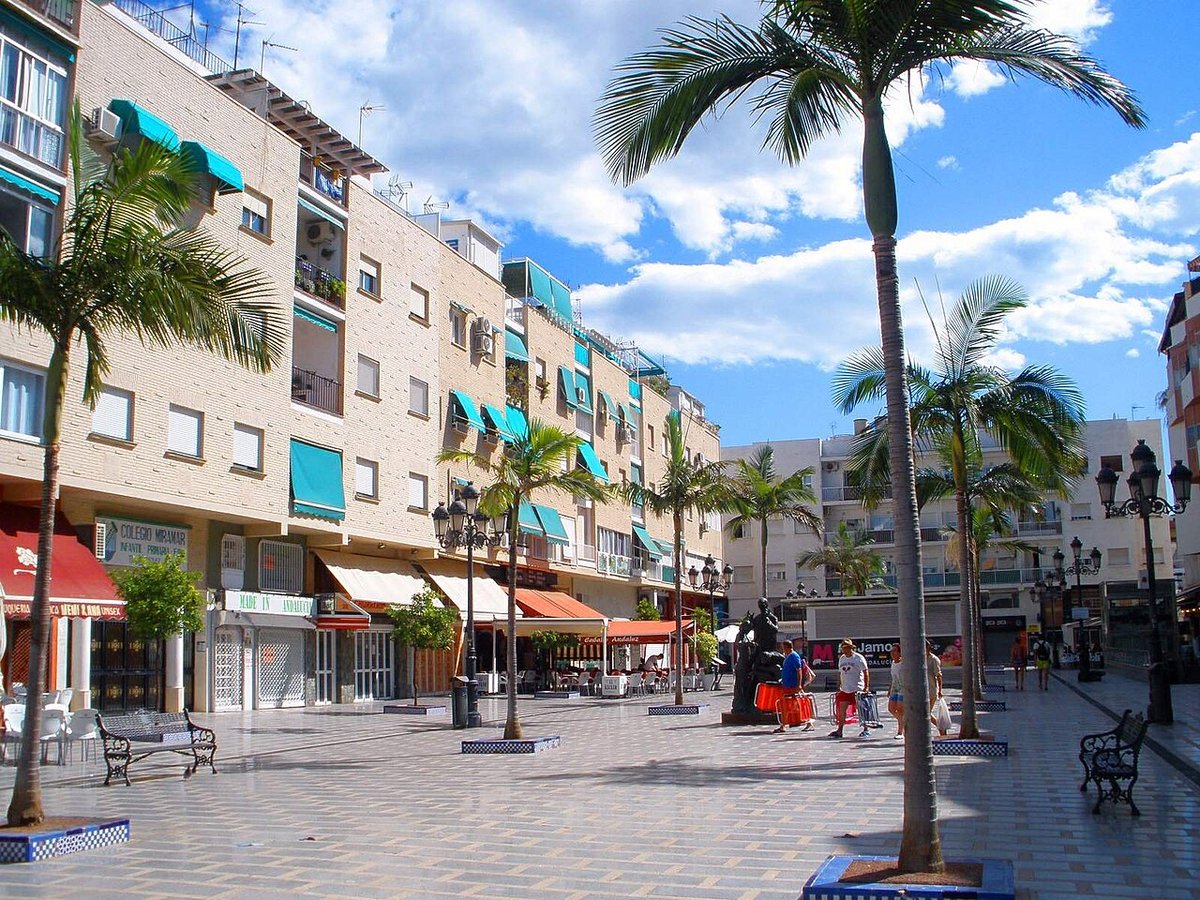
Even so, the town resists becoming just a place to sleep. By mid-afternoon, the terraces along Calle Málaga begin to fill. In summer, a canopy made of crocheted pieces is hung above the street by local residents. From below, it looks like a white woollen net filtering the light and casting a soft shade that feels especially welcome in July. It is one of those gestures that hint at long-standing connections between neighbours.
In the Jardín Oriental Bienquerido, the atmosphere shifts. Water falls steadily from a central fountain, echoing the irrigation channels of the fertile plain nearby. Under the trees, it is common to see retired people playing cards or reading the newspaper. Someone once described the garden as “bringing a piece of sky down to earth without paying an entrance fee”. Sitting there for a while makes the idea easy to understand. Cypress trees cut the blue sky into sharp shapes, and the air carries the scent of damp soil even on dry days.
When the wind carries the sea
In the hills around the town, there is a well-known golf course. From some of its holes, on a clear day, the Mediterranean can be glimpsed between the pines. On Sundays, groups of foreign visitors move across the course with their trolleys, commenting on the levante wind. This easterly wind can appear suddenly and change the game entirely.
Coming down from those hills, the pace returns to that of the town. Cars parked in double rows, a bakery still open, and the smell of churros rising from a fryer as evening approaches.
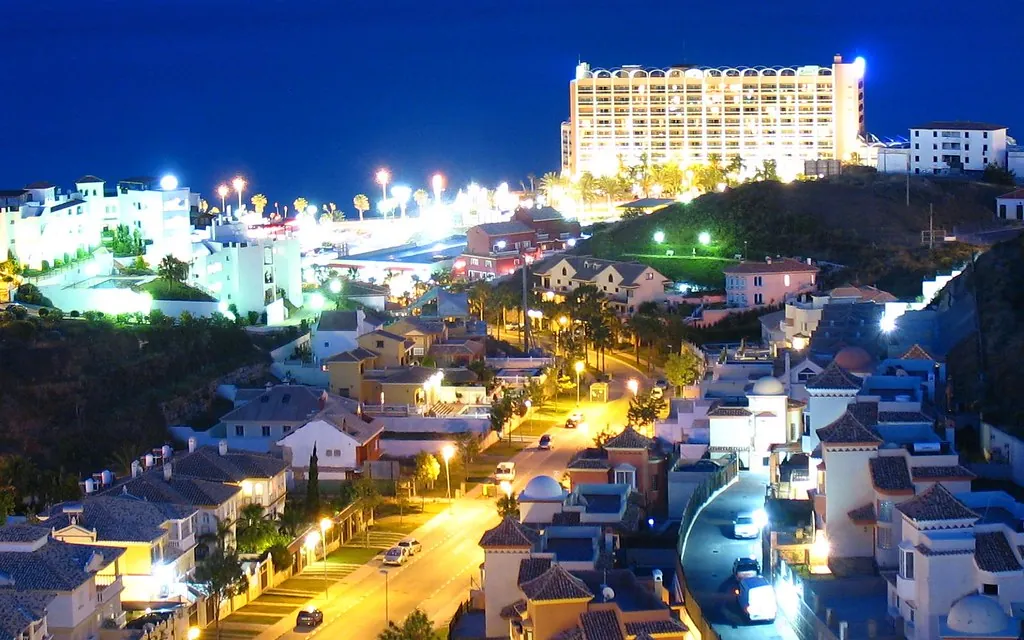
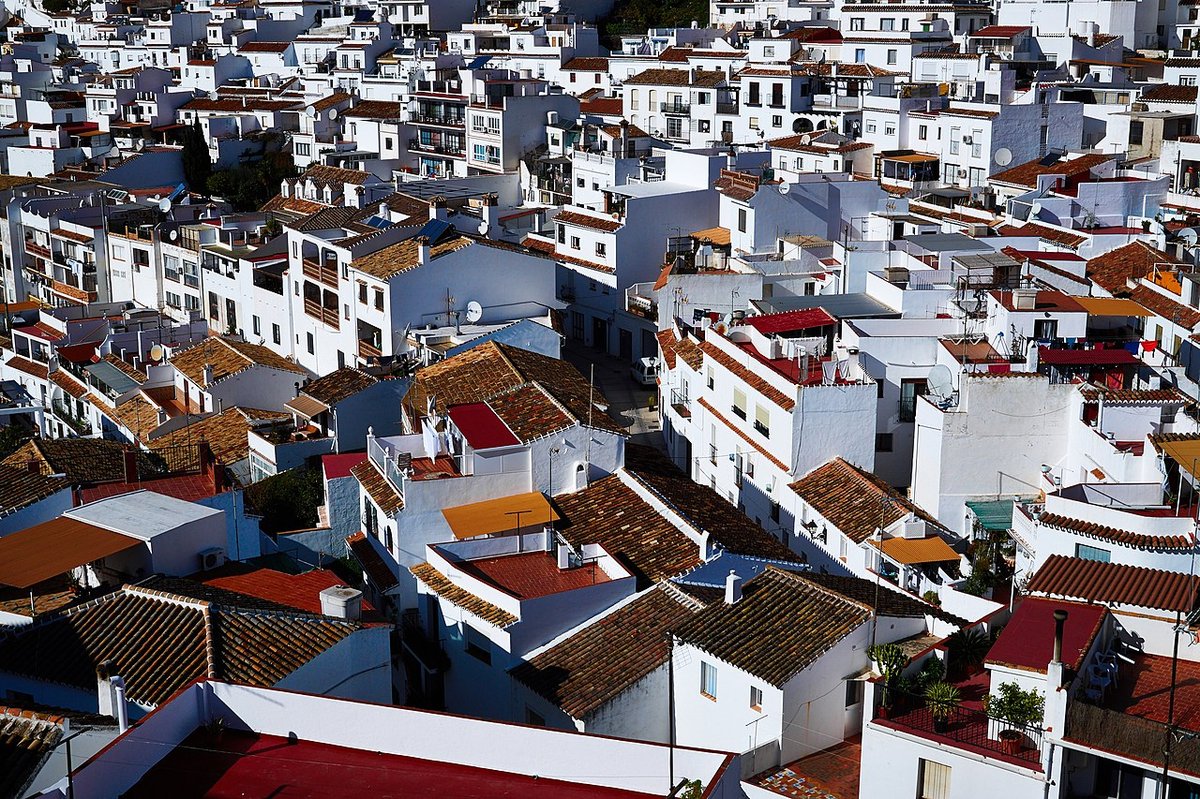
In one of the nearby residential areas, there is also a long zip line that crosses a small dip in the land. The ride lasts only a few seconds, but from above the town appears as a mosaic of red roofs, rectangular swimming pools and streets sloping down towards the valley. In summer, there is usually plenty of movement here. In winter, quiet returns quickly.
A calendar filled with gatherings
San Juan is one of those moments when Alhaurín de la Torre shifts its pace. Over several days in June, the fairground fills with casetas, temporary festival tents, music and the smell of grilled sardines. Tables appear in the streets, families eat outside, and conversations stretch late into the night.
Many people take advantage of the evening to head towards the beach. Torremolinos is a short drive away, and there is a tradition of marking the night by getting your feet wet or stepping into the sea after midnight. The return tends to be slow, with sand in the car, windows open and that slightly sticky feeling that signals the start of summer.
Later in the season, there is usually a fair dedicated to Santa Amalia. It feels more local in scale, with rides, background music and families strolling between stalls at an unhurried pace. Winter brings the celebration of La Candelaria. Mantillas, traditional lace shawls, reappear in the church, and small groups gather outside to talk about football, harvests or how the year is shaping up.
After sunset
As night falls, the Paseo de los Arcos de Zapata settles into a calm half-light. The old aqueduct, dating from the 18th century although never fully completed, stretches across the landscape as a line of brick arches running for several kilometres. During the day, it works well for walking or cycling. At night, it becomes almost silent, apart from the occasional group of teenagers meeting in the shadows.
Back in the centre, ice cream shops stay open late during the warmer months. Flavours change with the season, but mango tends to sell out quickly once the heat intensifies. A short distance away, one of the municipality’s large plant nurseries sets up decorations throughout the year. In autumn, pumpkins and garden skeletons appear. In December, illuminated reindeer take their place. Many people come simply to take photos among the plants.
Getting there and choosing your moment
Alhaurín de la Torre lies very close to Málaga Airport and the Mediterranean motorway, so reaching it by car is straightforward. The challenge is less about distance and more about timing. In August and on some weekends, the residential areas near the coast increase traffic noticeably.