Full Article
about Alhaurín el Grande
Historic town on the slopes of the Sierra de Mijas, rich in cultural and agricultural heritage.
Hide article Read full article
The bells of the Encarnación strike ten, their sound echoing under the arcades of the plaza, hollow and clear. A man drags a table across stone slabs still cool from the night. The air carries the warm smell of a bakery, orange blossom from the vega below, and the dry, chalky scent of whitewashed walls.
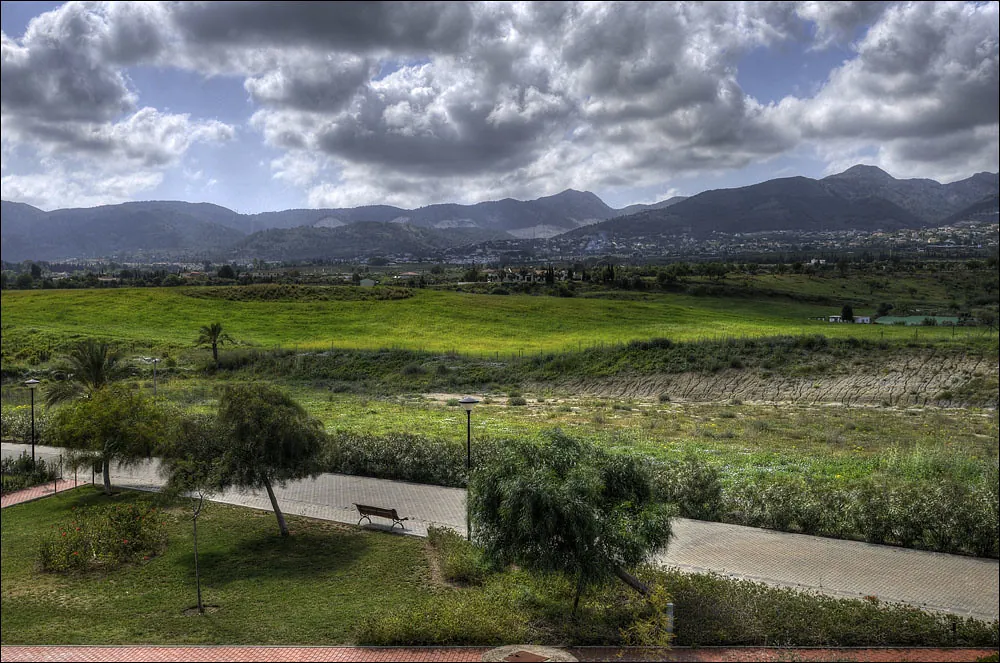
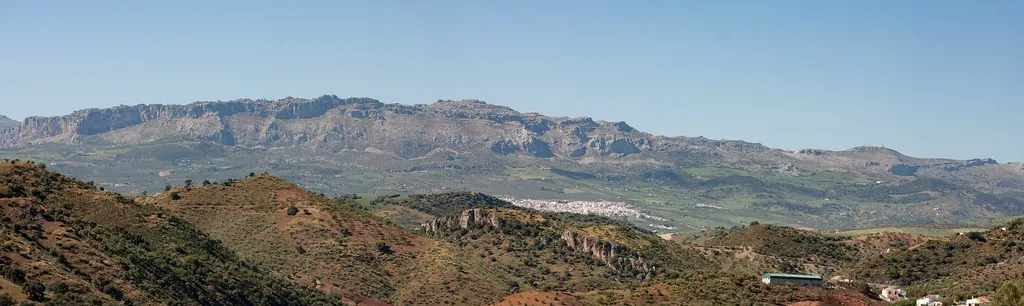
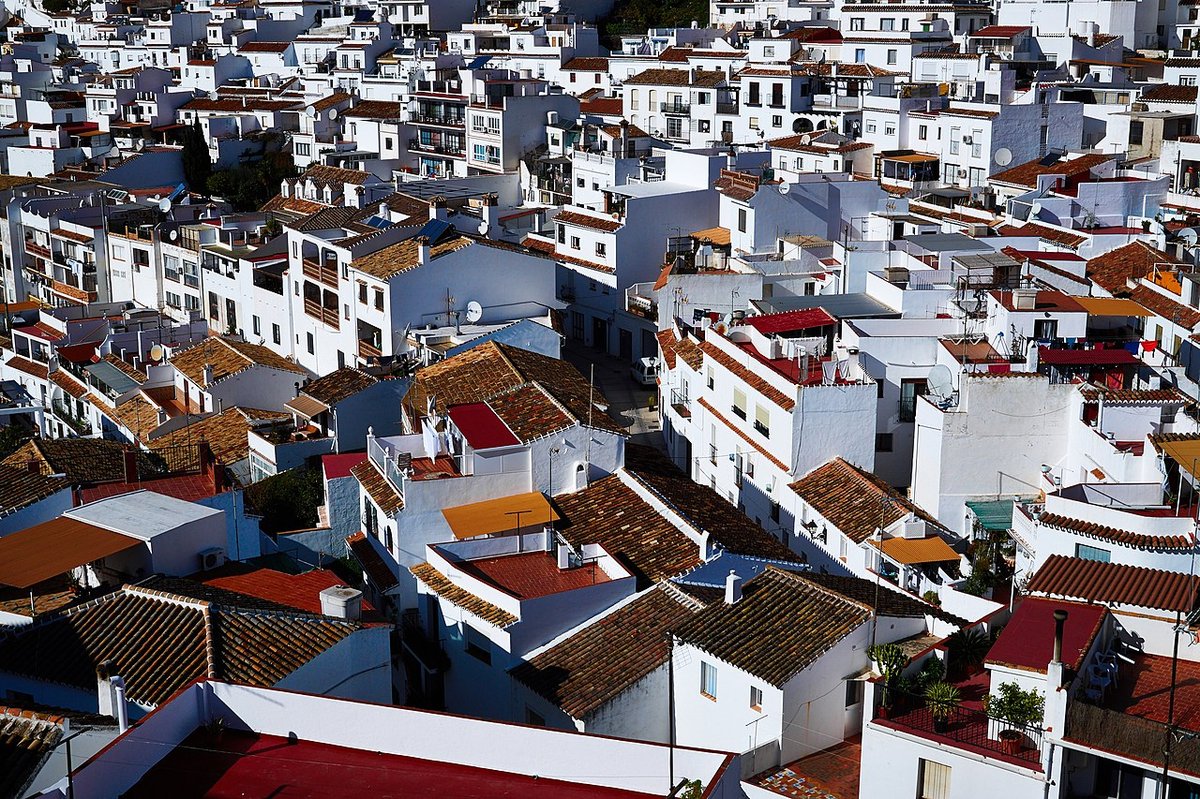
From the church atrium, the view is of order and geometry. Neat rows of lemon trees, a very specific green, stretch across the Guadalhorce Valley. Beyond them, the sierra de Mijas rises, its colour shifting from soft grey to a deeper blue as the sun climbs. Alhaurín el Grande is built not in the valley, but pressed against this slope, a town of some twenty-seven thousand that feels smaller from here.
A museum that feels like a storeroom
In a small museum dedicated to bread, the light falls through high windows onto old wooden troughs and millstones. It feels less like a curated exhibit and more like a workshop someone has just left. The tools are simple, worn smooth by hands and time.
On certain mornings, you might find someone demonstrating how dough was once worked. The process is slow. Flour dust hangs in the air. The bread traditionally made here often included anise and a splash of wine in the leaven, a practice some home bakers still follow.
A few kilometres out, following the Fahala river, stands the molino de los Corchos. It’s a place of damp stone and thick riverine greenery that muffles sound. The restored mechanism shows how water was harnessed here for centuries. After rain, the rush of the current is all you hear.
Where the pavement ends
The sierra begins where the last suburban street stops. A path near the cemetery leads onto stony ground under Aleppo pines. The climb is steady, not steep, but the sun here is direct.
Partway up, a clearing opens and the entire valley grid reveals itself: rectangular plots, white farmhouses, roads like straight seams. Alhaurín looks compact from this angle, surrounded by its citrus groves.
Carry water. In summer, the pale rock reflects heat fiercely and shade is scarce until late afternoon. Go in spring, after rain. The air is sharper then, scented with rosemary and crushed thyme underfoot.
Days that empty the town
For the romería de San Isidro in spring, the town drifts down to the riverside. Carts and families move out along the agricultural tracks in a slow procession. For hours, the streets are quiet, until evening brings back the sound of horses and tired laughter.
Early autumn brings the Feria de la Pasa. Stalls appear with moscatel grapes and dark, sticky raisins. You’ll find fried doughs made with wine and cinnamon, sugar crystallising on their surface.
Light and shadow in the valley
March and April are when the vega is most alive. The citrus bloom is heavy in the air, and the light lasts long enough for a walk along the irrigation channels after four o’clock.
August heat is dense and physical. Life contracts to early mornings and late nights. For quiet, avoid weekend evenings when the plaza hums with activity.
Winter brings a chill that surprises those who know only Málaga’s coast. When the sun drops behind the sierra, the valley’s humidity gets into your bones. A jacket is necessary.
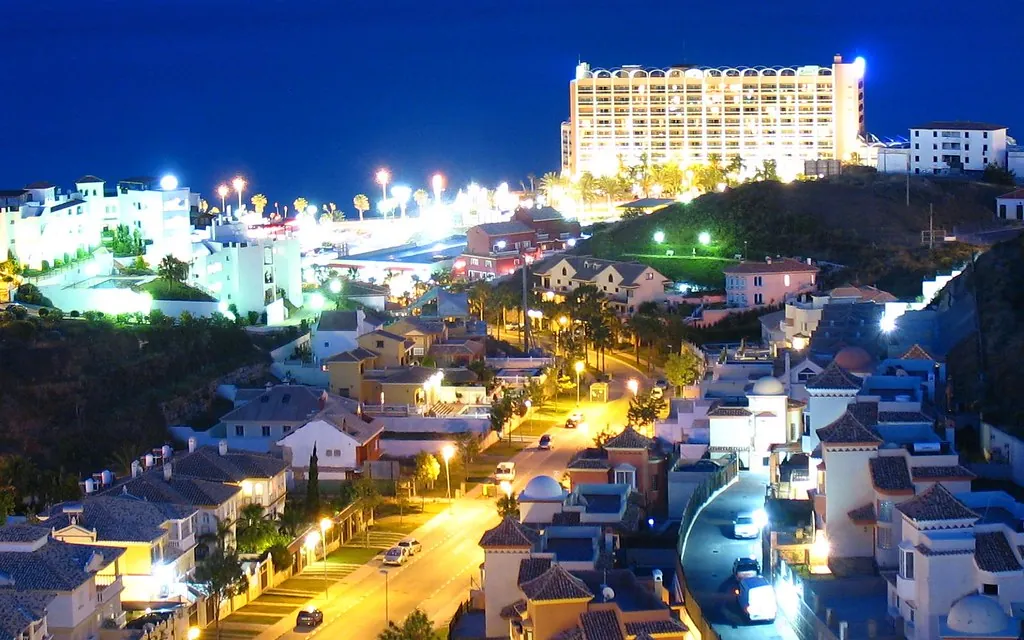
At dusk, light slides down from the hills and gilds the western façades for minutes only. Traffic fades. Footsteps echo in callejones barely wide enough for two. A smell of woodsmoke appears from a hidden chimney. The sierra becomes a solid black shape against a indigo sky, closing off the world behind you as the valley ahead dissolves into shadow.