Full Article
about Álora
Historic town dominated by an Arab castle and gateway to the famous Caminito del Rey and Desfiladero de los Gaitanes.
Hide article Read full article
A morning above the Guadalhorce
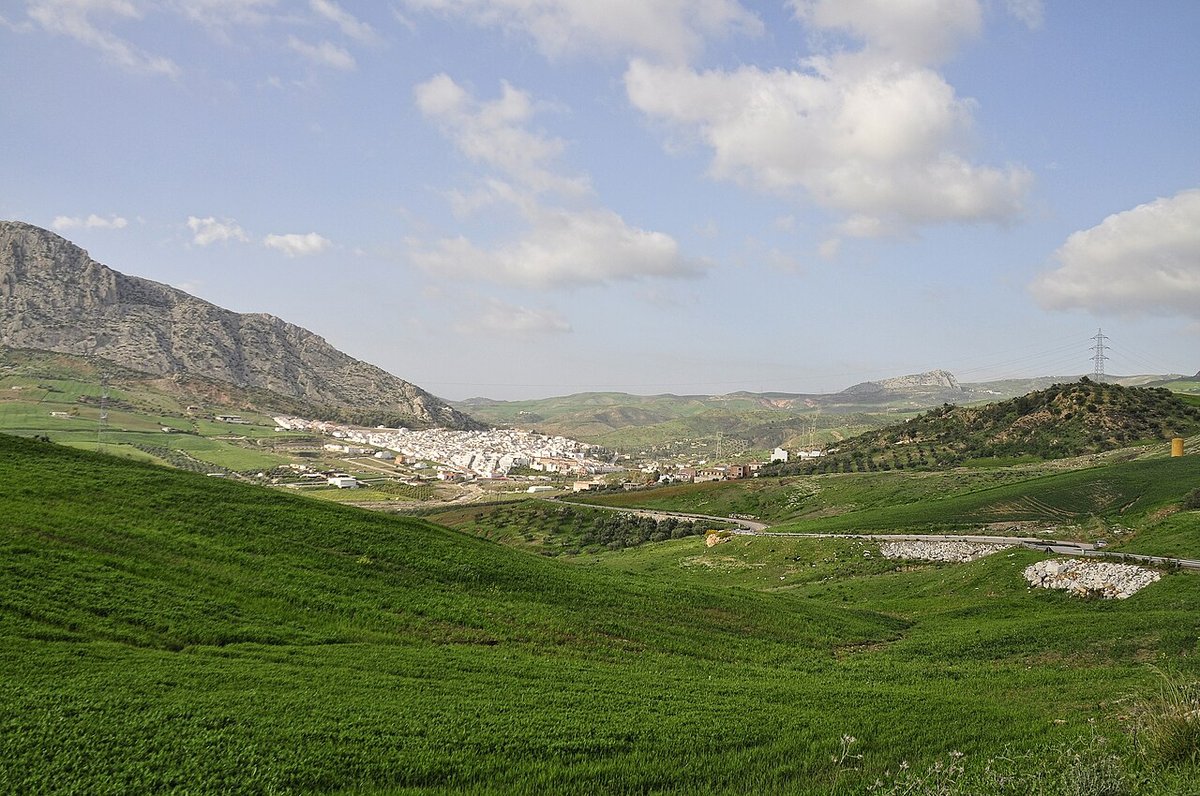
The bells of the Encarnación strike eight while the sun is still only just clearing the Guadalhorce. From the Mirador de Alí Ben Falcún, Álora’s white houses look pressed against the hillside, as if sheltering from the wind. Down in the square, the first cafés are already serving cortado in thick glass tumblers, and panes catetos, a traditional rustic bread, are still warm. It is a good moment to see how the day begins here, and also to get a sense of how tourism fits into life in Álora: slow at first, before the cars start climbing the road towards the Caminito del Rey.
The stone that sings
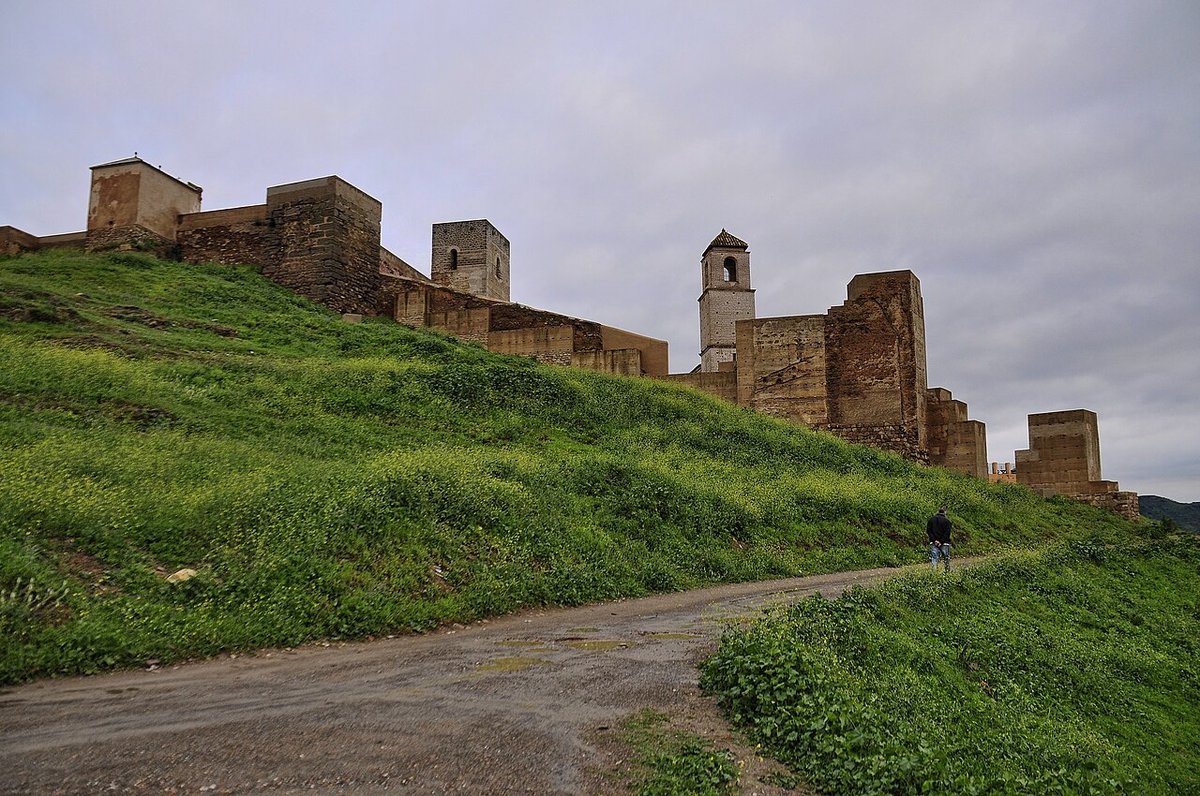
The castle appears suddenly as you turn a corner and the narrow street opens out towards the hill. There it stands, set firmly on the rock. The walls, of Andalusí origin, carry that ochre tone that only comes from long exposure to the sun. Inside, the small Gothic chapel feels almost unexpected within a fortress of this kind. Between the arches and the quiet, it becomes easier to understand why Álora is still referred to in an old ballad as “la bien cercada”, the well‑encircled.
The text is engraved on a plaque near what was once the main entrance. It catches the eye almost without trying: “Álora la bien cercada / por el rey don Fernando…”. The verse recalls the Castilian conquest in the 15th century. Beyond the legend, what remains is a sense of height and watchfulness. From here, the valley opens out completely, and the wind often rises from the south, dry and carrying the scent of open countryside.
The season of wild asparagus
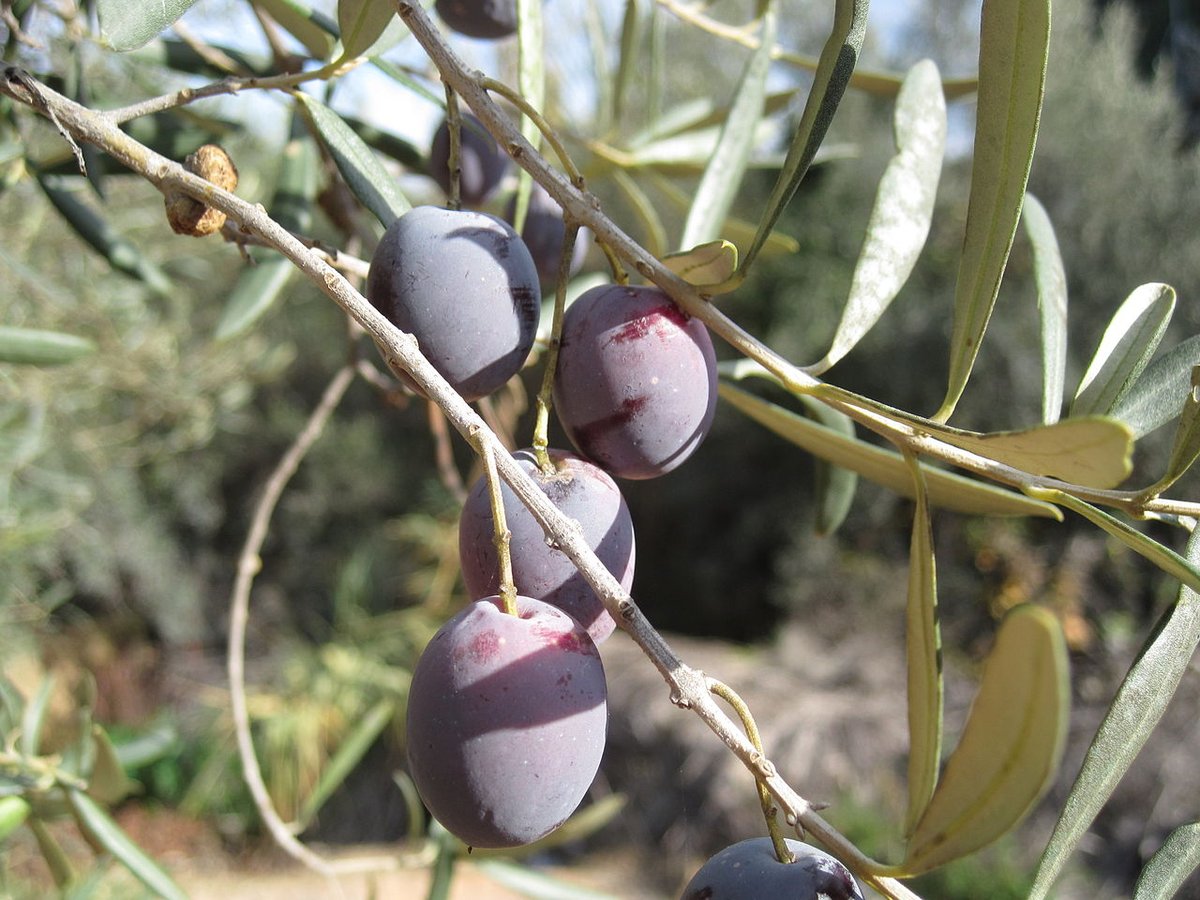
In spring, when the Sierra de Hacho turns greener, wild asparagus begin to appear among the olive trees and along the edges of fields. Some people still go out to gather them with a small knife and a cloth bag. It is not unusual to hear talk of the first omelette of the season as if it were a small domestic event.
Sopa perota continues to hold its place in many kitchens in the town. Stale bread, tomato, pepper, garlic and olive oil come together in a large pot. It is a dish built on using what is at hand, from a time when nothing was thrown away. It is sometimes served with grapes when they are in season, something that can seem unusual at first but gradually makes sense.
Evenings that linger in the squares
As the afternoon fades, guitars sometimes appear in the squares of the historic centre. There is not always a stage or an attentive audience. More often, these are small gatherings, almost among neighbours. In this part of the valley, cante por malagueñas, a traditional flamenco style from the Málaga area, has been present for generations.
Near the Monumento al Cante, where a fountain commemorates several singers linked to the town, the water falls in a steady thread. The names cast in bronze act as a reminder, but the flamenco atmosphere tends to emerge in simpler ways: an open window, a voice beginning to rise, someone marking the rhythm with their knuckles on a table.
The climb to the castle
It is best to make the climb to the castle early in the day. Before mid‑morning, the stone still holds a little coolness and the steep streets are easier to manage. These are stairways that invite pauses at each landing, often more for the view than from fatigue.
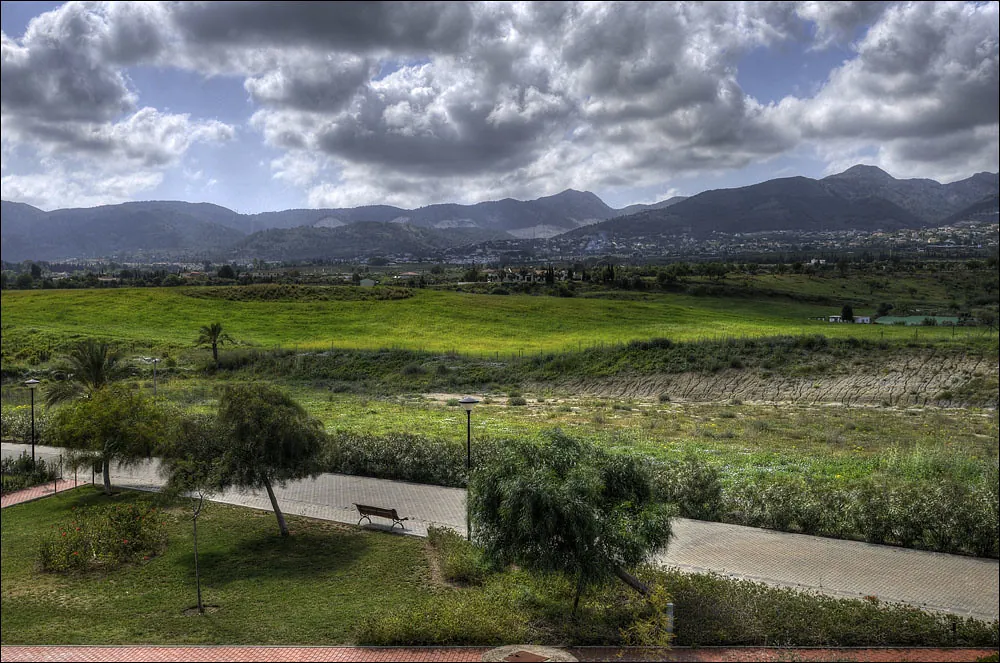
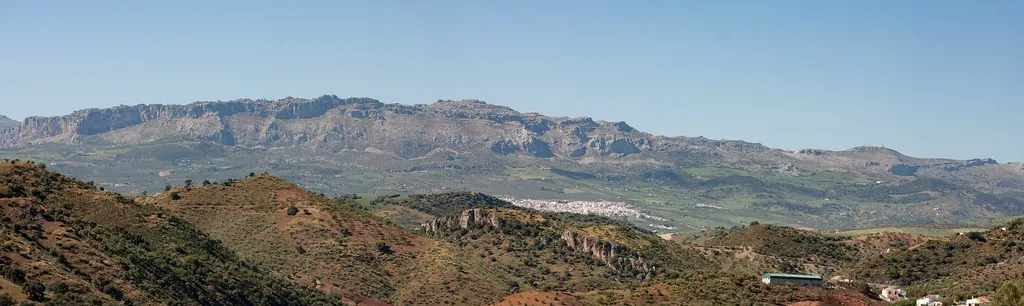
At the top, a clean wind moves through, carrying the scent of low scrub. The Guadalhorce valley stretches out in full: the river winding through it, neatly arranged agricultural plots, and, in the distance, other white villages set on small rises. As the sun goes down, the Sierra de Hacho shifts gradually in colour, moving from grey to violet.
It is said that Miguel de Cervantes spent some time in these lands carrying out administrative work for the Crown. It is not hard to picture him crossing the Plaza Ancha with papers under his arm, seeing the same late afternoon light that still slips between the façades.
A few things to bear in mind
August tends to be the busiest month. Visitors heading for the Caminito del Rey are joined by others on holiday in the area, and the centre fills with cars looking for somewhere to park.
Spring and autumn move at a different pace. The countryside is active, terraces fill up at times, and the evenings still allow for sitting outside without intense heat. In May, the romería of the Virgen de las Flores usually takes place, one of the moments when the connection between local people and their surroundings is most visible.
The Caminito is very close, only a short drive away, but it is worth setting aside a few hours for the town itself. Climb up to the castle, come back down slowly through the narrow streets, and stay for a while in the square as evening begins to fall. That is when Álora sounds most like itself.