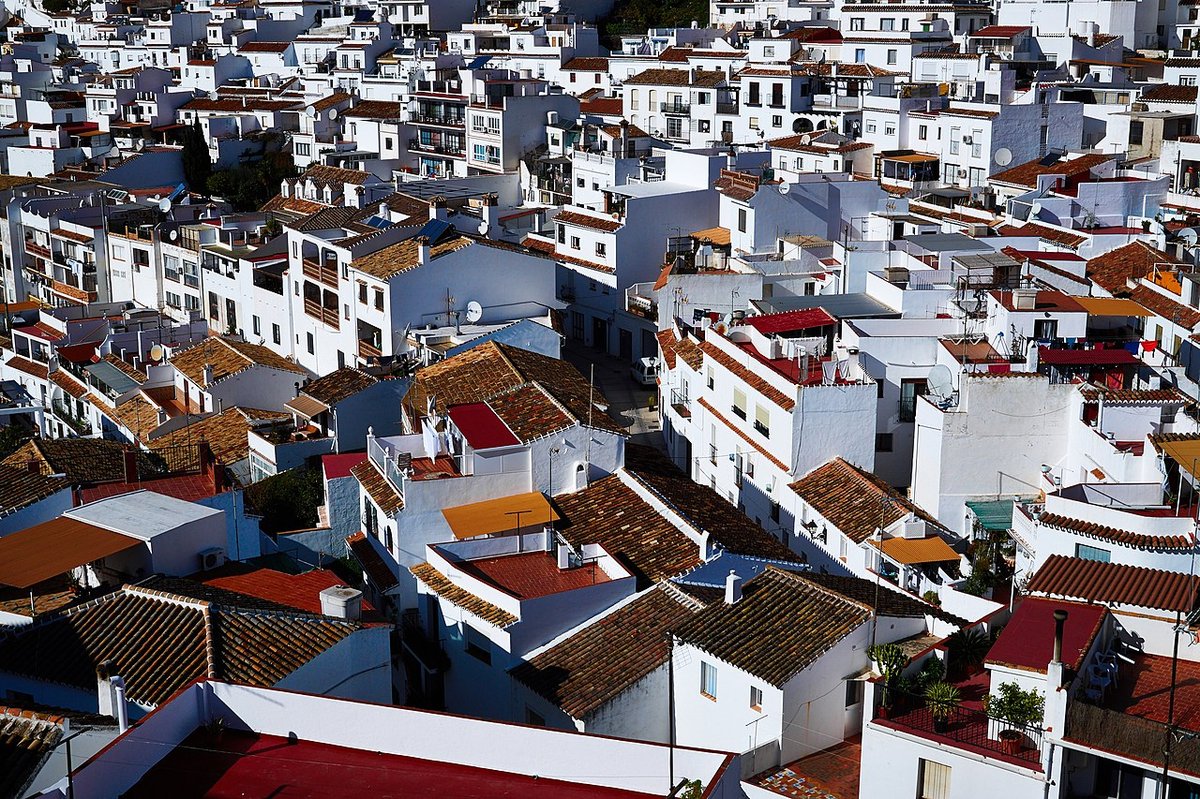
Cártama - Flickr
Andalucía · Passion & Soul

Cártama

The morning train from Málaga airport drops you at Estación de Cártama twenty-seven minutes later, and the temperature rises by at least three degr...

29,333 inhabitants · INE 2025
96m Altitude

Why Visit

Chapel of Our Lady of Remedies Climb to the Ermita

Best Time to Visit

spring

Cártama Fair (April) abril

Things to See & Do
in Cártama

Heritage

  • Chapel of Our Lady of Remedies
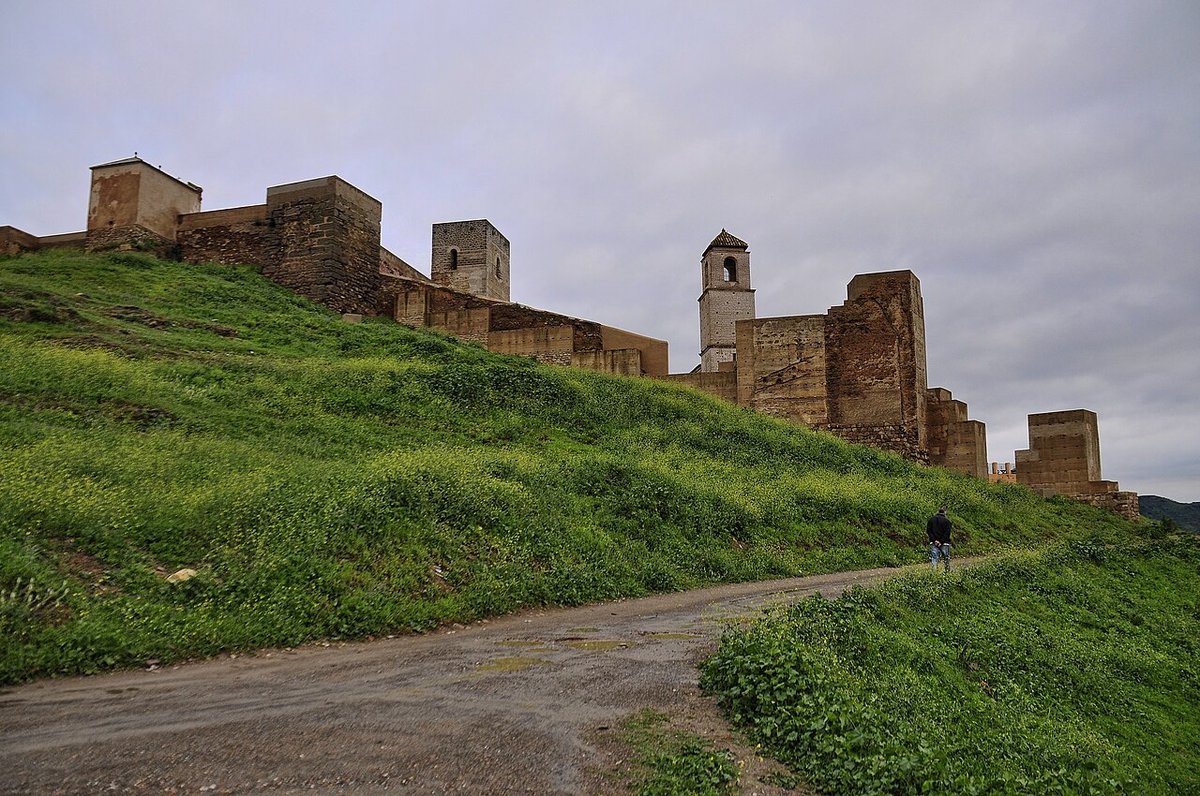
  • Castle remains
  • Iron Bridge

Activities

  • Climb to the Ermita
  • Archaeological route
  • Riverside walk

Festivals
& & Traditions

Fecha abril

Feria de Cártama (abril), Fiestas de la Virgen de los Remedios (abril)

Las fiestas locales son el momento perfecto para vivir la autenticidad de Cártama.

Full Article
about Cártama

Town with a rich history stretching from the Iberians and Romans, presided over by the hermitage of its patron saint on the hilltop.

Ocultar artículo Leer artículo completo

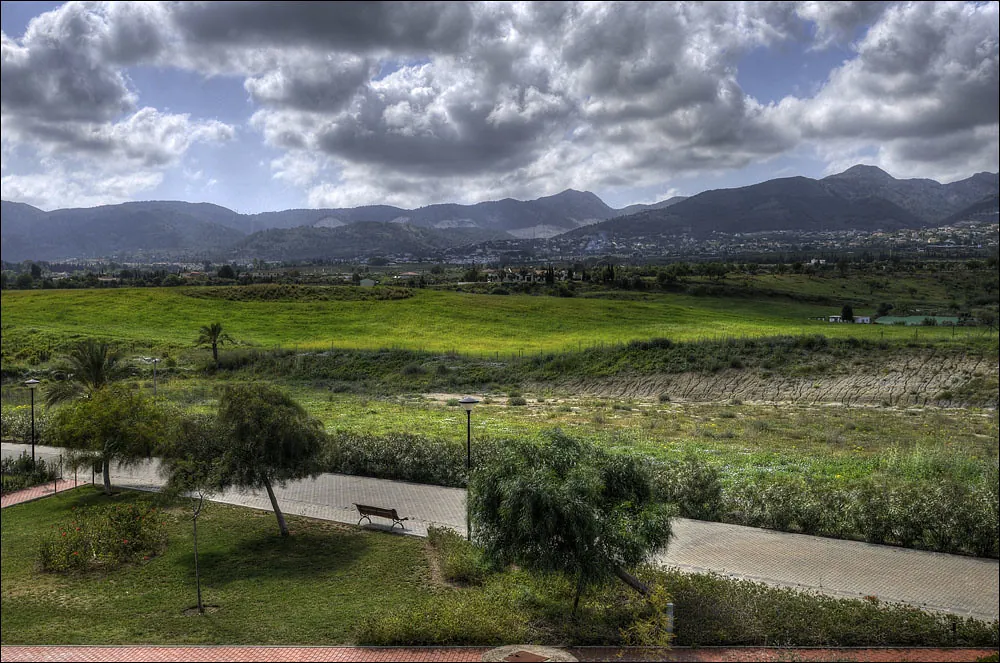
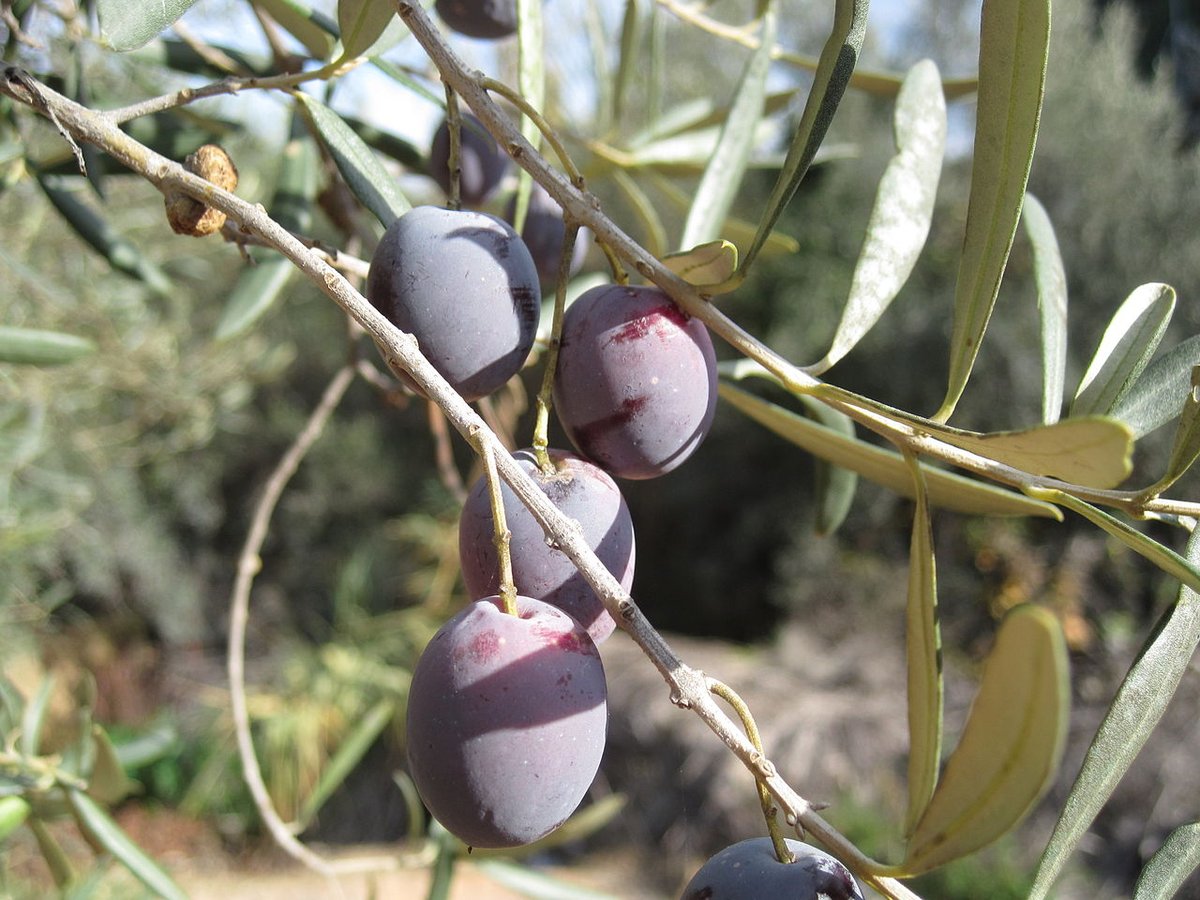
The morning train from Málaga airport drops you at Estación de Cártama twenty-seven minutes later, and the temperature rises by at least three degrees as you step onto the platform. From here the village proper climbs uphill—white houses stacked like sugar cubes against a limestone ridge—while the valley floor stays resolutely flat, stitched with citrus orchards that perfume the air each April when the azahar blossoms.

This is not a postcard pueblo frozen for tourists. Cártama works for a living: 29,000 people spread between the hill-top historic core and the railway settlement, plus a third nucleus at the industrial estate. Yet the Guadalhorce valley’s micro-climate—96 m above sea level, sheltered by the Sierra de Mijas—means winter mornings can still taste of orange-blossom honey and wood-smoke, even when the coast is chewing on a damp levante wind.

Walking Through Three Civilisations in One Kilometre

Start at the Puerta de Cártama, the stubby Moorish gate that survived because someone built a house through it. The cobbled lane behind—Calle San Pedro—narrows until shoulder-width, then spills into a pocket plaza where the parish church squats on foundations of a tenth-century mosque. Inside, a horseshoe arch frames the side chapel; look up and you’ll spot re-used Roman column drums wedged into the wall like after-thoughts. The church keeper unlocks on request (tip him the price of a coffee) and will point out the gargoyle that doubles as a drainage spout—handy in a town where rain arrives violently in March and October.

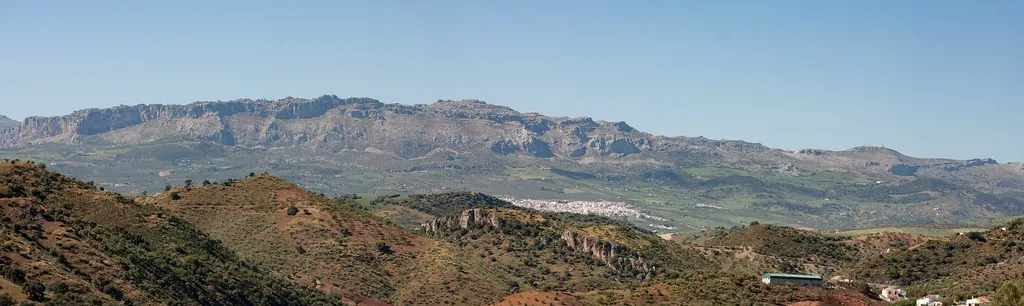
From the church, follow the painted tile arrows to the mirador. The climb takes six minutes, just long enough to notice how the street names change language: Calle Jabonería (soap-works), Calle Alhóndiga (granary), Calle Pozuelo (little well). At the top the valley opens into an amphitheatre: avocado plantations to the left, the railway slicing straight, and beyond it the limestone scar of El Chorro already glinting white. British walkers often recognise the silhouette from the Caminito del Rey photographs; the same rock band continues here, only without the entrance fee or hard-hat queues.

Oranges, Lemons and a Soup That Costs €2.50

Back at street level, the daily menu del día is served from 14:00 sharp. Bar La Esperanza hangs its jamón legs above the bar and still offers free tapas if you order a caña in Spanish—try the sopa cachorrena, a garlicky bread broth that arrives bubbling in individual clay cazuelas. Vegetarians can ask for sopa de espárragos, a silky asparagus cream that tastes of the sandy riverbanks outside town. Expect to pay €9–€11 for three courses, including a glass of the local moscatel that smells like liquid orange blossom.

If you’re self-catering, the Friday mercadillo stretches along Avenida de Andalucía: six aisles of plastic tarpaulins selling valley lemons the size of tennis balls, purple-tinged onions, and jars of azahar honey that will leak in your suitcase unless wrapped inside a duty-free bag. Bring cash; the nearest ATM runs out of €20 notes by 11 a.m.

Picking the Right Slope for Your Boots

Cártama’s mountain is the Sierra de los Espartales, a 600-metre ridge that blocks the afternoon sun and keeps the village in shade by 18:00 even in July. A circular track starts behind the cement works—yes, it’s ugly for the first ten minutes—and then climbs through rosemary and dwarf oak to a saddle that looks west over the almond terraces. The path isn’t way-marked, so download the route from Wikiloc before you lose phone signal. Allow two hours, carry water, and avoid August: the thermometer nudges 42 °C and the only shade belongs to feral goats.

Spring walkers get the better deal. From late February the valley smells like a Bath & Body Works showroom—orange, lemon, jasmine—while the temperature hovers at a civilised 22 °C. After rain the Guadalhorce swells, and kingfishers flash turquoise under the railway bridge. A flat riverside circuit (5 km) links two disused flour mills; graffiti inside one reads “Pepe was here 1987,” proof that Spanish teenagers discovered boredom long before TikTok.

Parking, Trains and Other Small Nightmares

The council has painted blue bays on every street that’s wider than a donkey, but spaces vanish before 09:30 when parents deliver children to the bilingual CEIP San Isidro. Your best bet is the free car park beside the Estación football pitch: flat, lit, and three minutes’ walk to the C-1 platform that whisks you to Málaga in 27 minutes for €2.05. Trains run every half-hour until 22:30 (23:00 on Fridays), which means you can linger over dinner in the city and still sleep in the valley.

Driving into the pueblo itself is possible—Google Maps will swear the streets are two-way—but you’ll meet a bin lorry eventually and have to reverse uphill round a corner designed for mules. Fiesta days (23–25 April and 15 August) close everything; police erect barriers at the cement factory roundabout and divert traffic towards Alhaurín. Plan accordingly or you’ll spend the morning inhaling diesel fumes in a queue of hot Seat Ibizas.

When to Come, When to Leave

British families already living in the area swear by late September: the inland heat breaks, swimming pools on the coast are still warm, and Ryanair fares drop below £60 return. Hotel supply is limited—Casa Nostra, a three-room guesthouse in an old olive mill, charges €75 B&B—so most visitors rent village houses through Spanish owners who advertise on Milanuncios. A two-bedroom townhouse with roof terrace costs €450–€550 per week, half the price of comparable digs in Frigiliana, and the wifi is fast enough for Zoom if you’re pretending to work.

Winter has its own quiet appeal. Daytime temperatures sit at 18 °C, ideal for the 35-minute drive to El Chorro reservoir where you can swim without the summer crowds. Evenings drop to 6 °C; pack a fleece and expect wood-smoke rather than sea-salt on the air. Bars keep their plastic curtains drawn and the television tuned to Copa del Rey reruns. Order a carajillo—coffee laced with brandy—and no one will hurry you out.

Last Orders at Bar La Estación

The 22:30 train back to Málaga flashes its lights twice before departure. From the platform you can see the illuminated castle on the opposite ridge—really just a telecom mast dressed in fairy lights, but convincing after a second carajillo. Below, the citrus warehouses hum through the night, stacking pallets of lemons bound for Tesco in Sittingbourne. Somewhere between the hum and the fairy lights lies Cártama’s appeal: a place that ships its oranges to Britain yet still serves free tapas if you ask in Spanish, where the past pokes through the pavement but the Wi-Fi reaches the hill-top mirador. Stay a couple of days, walk the river, eat the soup, and catch the train before the ticket inspector starts his rounds.

Key Facts

Region
Andalucía
District
Valle del Guadalhorce
INE Code
29038
Coast
No
Mountain
No
Season
spring

Livability & Services

Key data for living or remote work

2024
ConnectivityFiber + 5G
TransportTrain nearby
HealthcareHealth center
EducationHigh school & elementary
Housing~6€/m² rent · Affordable
CoastBeach 16 km away
Sources: INE, CNMC, Ministry of Health, AEMET

Official Data

Institutional records and open data (when available).

  • Poblado de Colonización de Villafranco del Guadalhorce
    bic Monumento ~6.2 km
  • Castillo del Cerro de la Ermita
    bic Castillo/Fortaleza ~0.3 km
  • Poblado de Colonización de Cártama Ampliación
    bic Monumento ~1.2 km
  • Poblado de Colonización de Nueva Aljaima
    bic Monumento ~2.1 km
  • Poblado de Colonización de Santa Rosalía
    bic Monumento ~6 km

Planning Your Visit?

Discover more villages in the Valle del Guadalhorce.

View full region →

More villages in Valle del Guadalhorce

Traveler Reviews