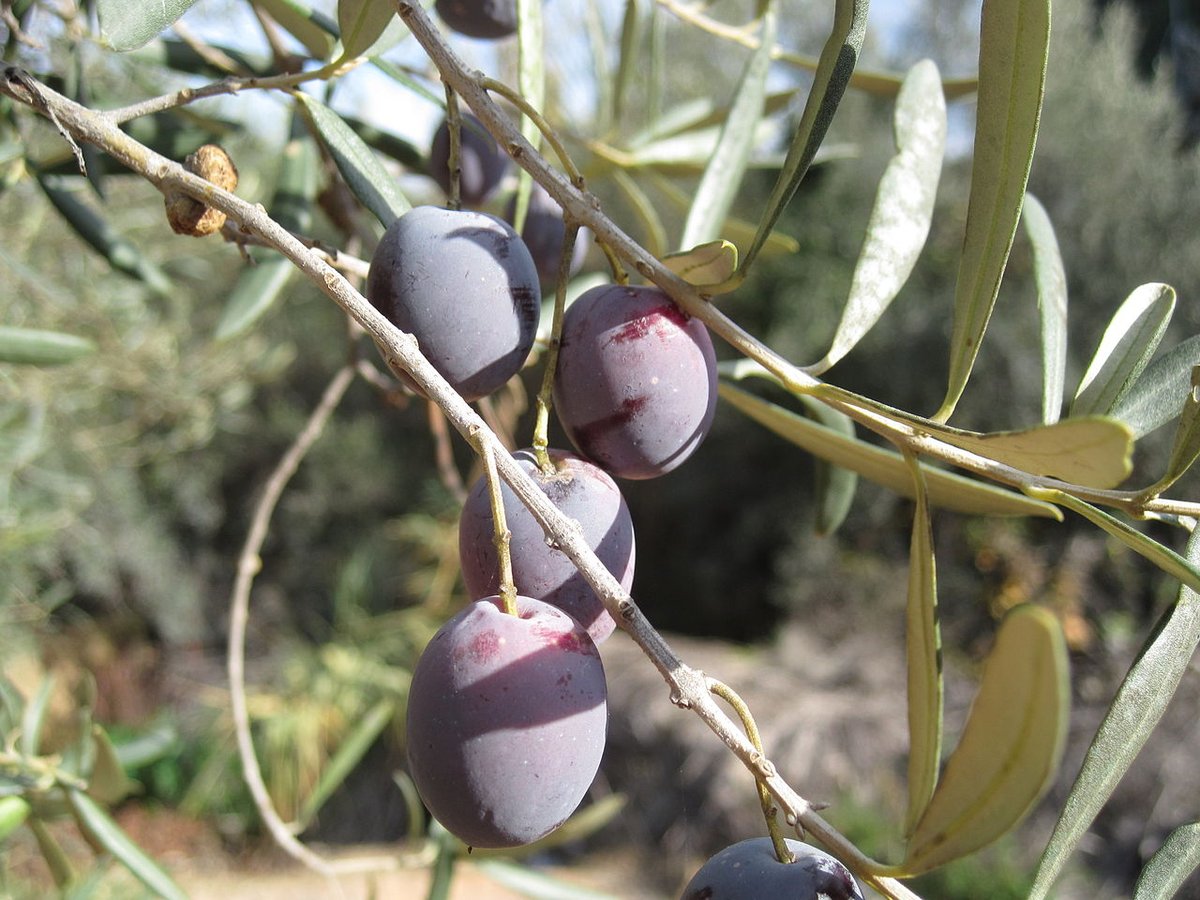
Olea europaea, Coín, Spain.jpg
Bj.schoenmakers · CC0
Andalucía · Passion & Soul

Coín

The Saturday morning market in Coin’s Plaza del Sol smells unmistakably of citrus. Stalls sag under Seville oranges, their skins still flecked with...

26,574 inhabitants · INE 2025
209m Altitude

Why Visit

Church of San Juan Bautista Spring Trail

Best Time to Visit

spring

May Fair (May) mayo

Things to See & Do
in Coín

Heritage

  • Church of San Juan Bautista
  • former Santa María Convent
  • San Agustín Park

Activities

  • Spring Trail
  • Visit to the local produce market
  • Hiking

Festivals
& & Traditions

Fecha mayo

Feria de Mayo (mayo), Romería de la Virgen de la Fuensanta (junio)

Las fiestas locales son el momento perfecto para vivir la autenticidad de Coín.

Full Article
about Coín

Head town known as the spring of light, with notable religious heritage and highly productive farmland.

Ocultar artículo Leer artículo completo

The Saturday morning market in Coin’s Plaza del Sol smells unmistakably of citrus. Stalls sag under Seville oranges, their skins still flecked with leaf, and the air is sharp with zest. It is a small sensory shock that tells you, long before any guidebook does, why the Guadalhorce valley is nicknamed the “sea of orange trees”. Most visitors race past on the A-357, bound for the coast, and that is exactly why Coin still feels like a town that functions for itself first, postcards second.

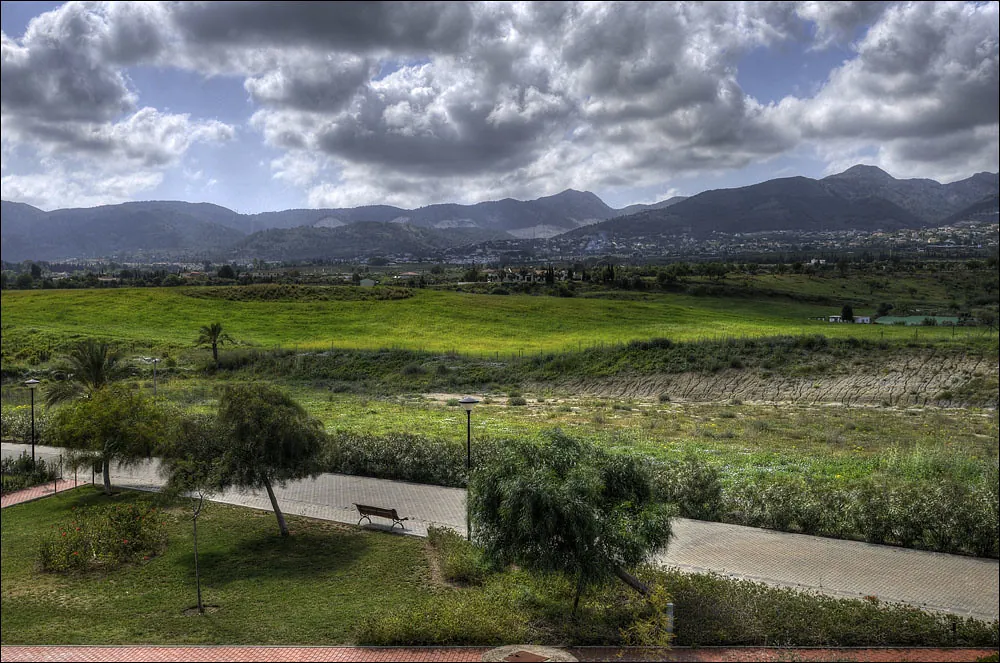
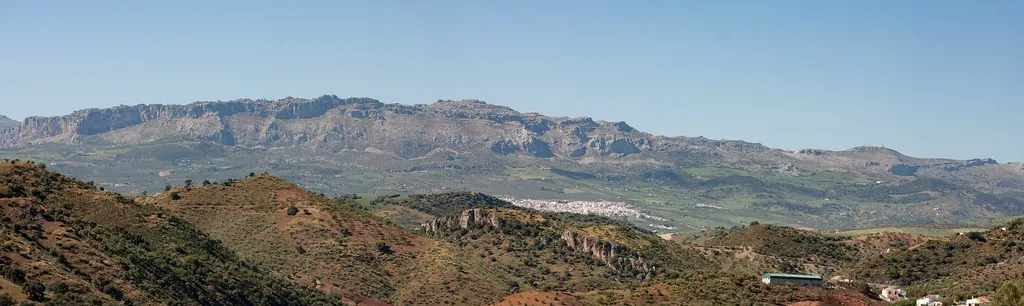
At 209 m above sea level the place is neither mountain eyrie nor beach strip. Instead it sits in a bowl of fertile terraces, the river looping around the southern edge and the Sierra de Mijas rising like a heat-hazed wall to the south-east. The altitude knocks the edge off summer: temperatures hover at 32 °C in July rather than the 38 °C suffered on the cement of Fuengirola, and after dusk a warm valley wind drifts through the streets, carrying with it the clack of dominoes from bar doorways.

The centre is walkable in twenty minutes, yet large enough to support a twice-weekly market, a 16-screen cinema in the La Trocha mall and, crucially for British incomers, an Aldi that stocks Yorkshire Tea. You will hear estuary English in the pharmacy queue, but the default rhythm is still Spanish: butchers close at lunch, teenagers perform elaborate greetings outside the 19th-century town hall, and the parish church bell insists on marking the quarter-hour all night. Tourism has arrived, but it has not rewritten the script.

What the guidebooks rarely show

Start with the river path, signed simply “Paseo del Río”. Five minutes from the main drag the tarmac stops, russet soil takes over, and you are between cane plantations and irrigation ditches first dug by the Moors. King’s Fountain – a low, stone trough dripping with maidenhair fern – still feeds the network. Farmers bring plastic cans to fill up before dawn; by eight the water is running crystal over smooth boot-polish pebbles. Carry on another kilometre and the gorge narrows into El Charco del Infierno, a swimmable pool scooped out of ochre rock. The rocks are slippery; each summer a distracted tourist limps back to the medical centre with a fractured wrist, so tread, don’t leap.

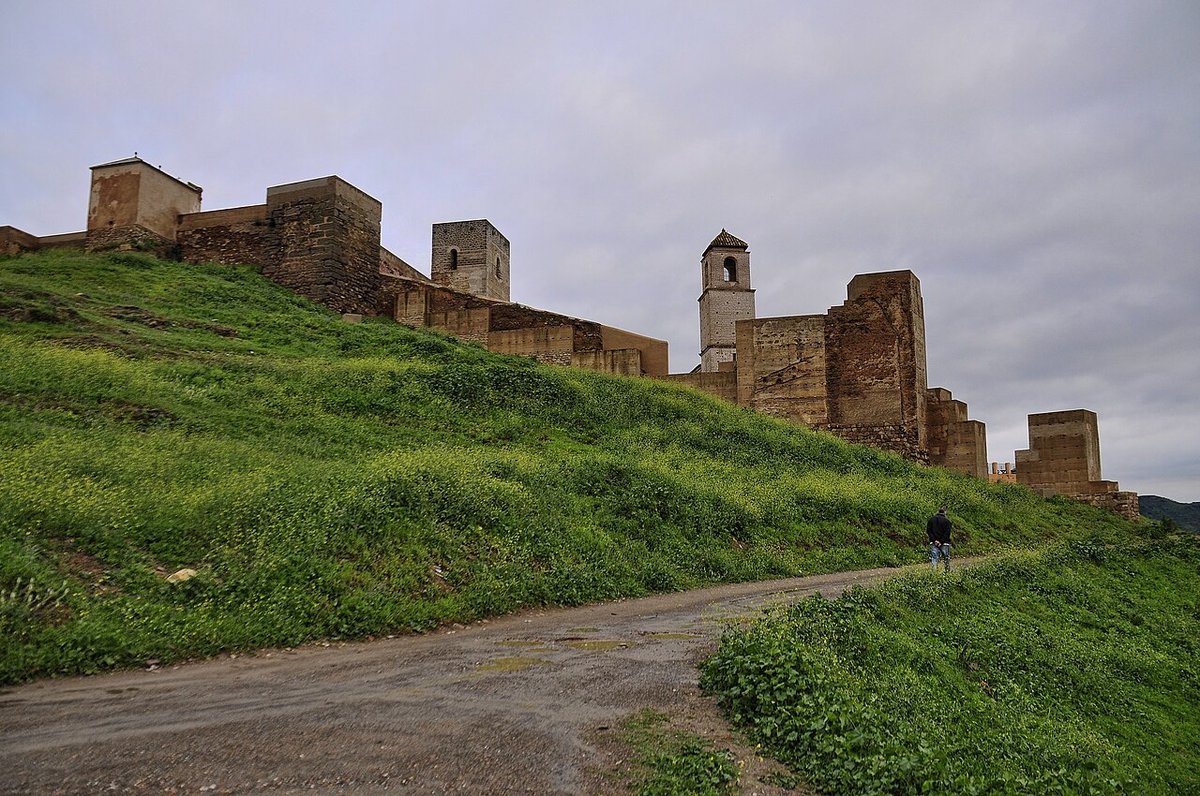
Back in the grid of white streets, the Castillo Árabe is less a castle, more a jigsaw of wall fragments sprouting prickly pear. Climb at sunset anyway: the view stretches across plastic-clad greenhouses and, on clear days, picks out the cement skyline of Torremolinos thirty kilometres away. It is a useful reality check – the Costa is close enough for groceries, far enough not to dictate the menu.

Inside San Juan Bautista the air is cool and smells of candle wax and floor polish. The church took two centuries to finish; the result is a mash-up of late-Gothic bones dressed in 18th-century gilt. Guides point to the walnut choir stalls, but the real curiosity is a side chapel painted the colour of ox-blood where locals leave tiny silver limbs in thanks for cures. Drop a euro in the box and the sacristan will switch on the lights so you can photograph the Baroque whirl without a congregation in the background.

Eating between two cultures

Lunch options split neatly down linguistic lines. Spanish-run Casa Paco serves plato de los montes – a carnivore’s mountain of chorizo, black pudding and pork loin – for €12, rice included. Across the roundabout, the Olive Branch offers steak-and-ale pie and a quiz night every Thursday. The British menu is reassuring after a week of gazpacho, but prices edge towards £15 a main, and you will overhear more conversations about house insurance than fiestas. A sensible compromise is Bar La Plaza beside the church: tortilla is €3 a slice, coffee still comes in a glass, and the only language required is a raised eyebrow when you want the bill.

For self-caterers the Saturday market is unbeatable: a kilo of mis-shapen avocados costs €2, and the herb stall bundles coriander thick enough to scent the car for days. Look for the elderly couple who sell nothing but lemons; they will insist you taste a segment to prove the fruit is sweet enough for lemonade. If you are staying in a finca with a barbecue, the indoor market (open till 2 pm) has fresh morcilla from the province of León – perfect crumbled over grilled asparagus.

Walking off the roast

The easiest route is the Citrus Trail, a 7 km loop that begins at the football ground on the north side of town. Yellow waymarks lead past irrigation channels where moorhens balance on irrigation pipes, then through orderly lines of orange and clementine. Farmers wave you on; dogs bark half-heartedly from farmyards. After rain the soil turns to gluey clay that cakes boots, so go in trainers during dry spells and carry water – there is no bar until you arrive back in town.

Keener hikers can reach the Sierra de las Nieves national park in 25 minutes by car. From the visitor centre at Yunquera a 12 km circuit climbs through Spanish fir forest to a viewpoint that peers straight down to the Mediterranean. Snow can linger here until April; in high summer the same trail is 10 °C cooler than Coin’s streets, making it a sane alternative to flopping on a sun-lounger.

When Coin parties – and when it doesn’t

The Feria de San Juan, held around 24 June, turns the fairground by the river into a thumping open-air nightclub. Casetas serve €3 cartons of rebujito, a lethal mix of fino sherry and 7-Up, and the music does not fade until after five in the morning. Book accommodation early or, better, plan to be elsewhere if your ideal evening ends at eleven with a cup of tea. Easter is more decorous: processions move to a drum beat so slow it feels like a heartbeat, and the scent of hot wax drifts through alleyways barely two metres wide. Hotels do not hike prices, but rooms facing the route come with free brass-band audio whether you want it or not.

Winter, by contrast, is low-key. Daytime temperatures sit around 17 °C – ideal for walking – but many bars shrink to a single heated room where regulars discuss rainfall statistics over cards. January night frosts can blacken balcony geraniums; if you are renting a village house, check it has heating rather than just air-conditioning units that wheeze when asked to warm.

Getting settled – and getting out

Málaga airport is 30 minutes down the new dual carriageway, but Coin itself is not on a railway line. A rural bus trundles to the city twice each morning and returns at tea-time; the timetable is written more for schoolchildren than holidaymakers, so hire a car. Parking in the centre is free outside the blue bay zones, and the one-way system looks baffling until you realise it is designed to funnel traffic past the tobacconist – follow the locals and you will emerge eventually.

Property prices are the valley’s loudest whisper. A two-bed townhouse with roof terrace lists at €95,000 (£80 k); add a pool and citrus grove on the outskirts and you are still below €350,000. The catch is bureaucracy: some older houses lack proper deeds, and a gestor – local admin fixer – will charge €800 to sort the paperwork. Renting first is sensible. Long-term lets start at €450 a month, usually unfurnished, and almost always include a glut of backyard oranges you will never manage to eat.

Coin will not hand you instant Instagram gold. The castle is scruffy, the nightlife modest, and on a quiet Sunday you might struggle to find anything open before noon. Yet that is the point: it remains a place where oranges are sold by weight not novelty, where the old men on the bench know the British newcomers by name but still greet them in Spanish, and where the valley breeze carries the faintest tang of salt from a sea just out of sight. Stay a week, learn to say “dame un kilo de naranjas” without blushing, and the town begins to feel less like a stopover, more like a reason to miss your flight home.

Key Facts

Region
Andalucía
District
Valle del Guadalhorce
INE Code
29042
Coast
No
Mountain
No
Season
spring

Livability & Services

Key data for living or remote work

2024
ConnectivityFiber + 5G
TransportTrain 12 km away
HealthcareHospital 10 km away
EducationHigh school & elementary
Housing~5€/m² rent · Affordable
CoastBeach nearby
Sources: INE, CNMC, Ministry of Health, AEMET

Official Data

Institutional records and open data (when available).

  • Convento de Santa María de la Encarnación
    bic Monumento ~0.3 km
  • Ermita de Nuestra Señora de la Fuensanta
    bic Monumento ~2.9 km

Planning Your Visit?

Discover more villages in the Valle del Guadalhorce.

View full region →

More villages in Valle del Guadalhorce

Traveler Reviews