Full Article
about Pizarra
Valley town with notable archaeological heritage and hiking trails to the Santo that overlooks the village.
Ocultar artículo Leer artículo completo
The 08:03 Cercanías from Málaga pulls in beside a field of onions. No ticket barriers, no taxi rank, just a single platform, a fig tree and a man unloading watermelons from a donkey cart. Welcome to Pizarra, population 5 000, altitude 80 m, thirty minutes from the Costa del Sol yet stubbornly uninterested in the sea.
Slate gave the town its name and, for a century, its wages. The quarries have mostly closed now, but their geometry is everywhere: low walls the colour of storm clouds, farmhouse roofs that click in the heat, even the church bell-frame, held together by bolts cut from the same rock. Walk five minutes from the station and you’ll pass stacked off-cuts waiting for a craftsman who may or may not turn up. Ask in the Bar El Puerto and someone will ring his cousin; ten minutes later you’re in a back-yard workshop watching sparks fly as a 72-year-old turns a roofing tile into a cheese board. No charge for looking, but he’ll sell you a coaster for €4 if you feel guilty.
What the guidebooks miss
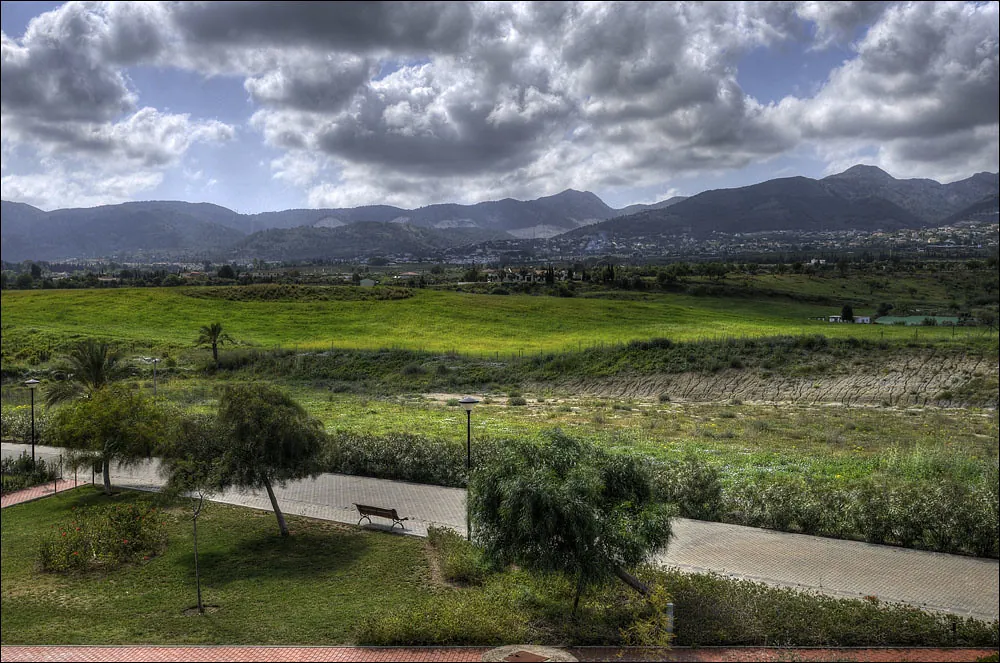
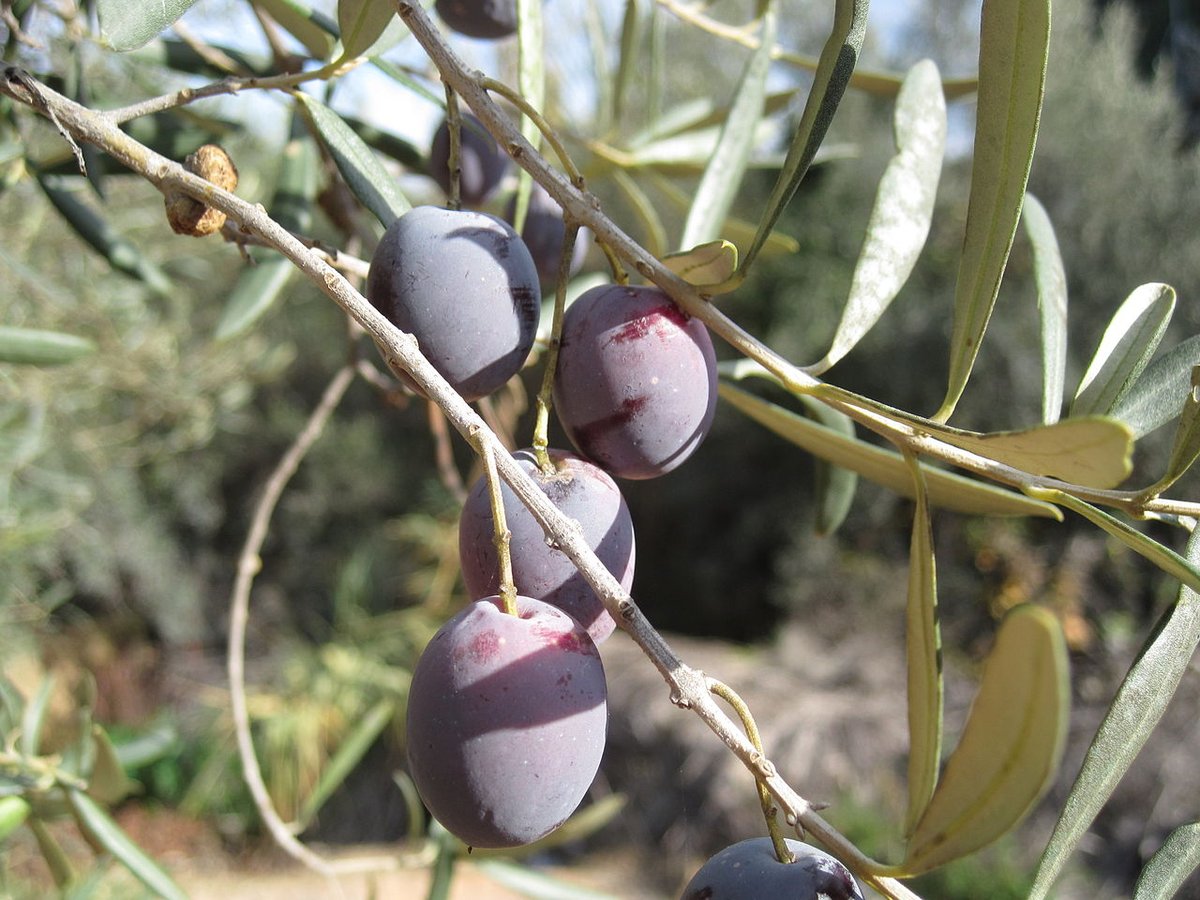
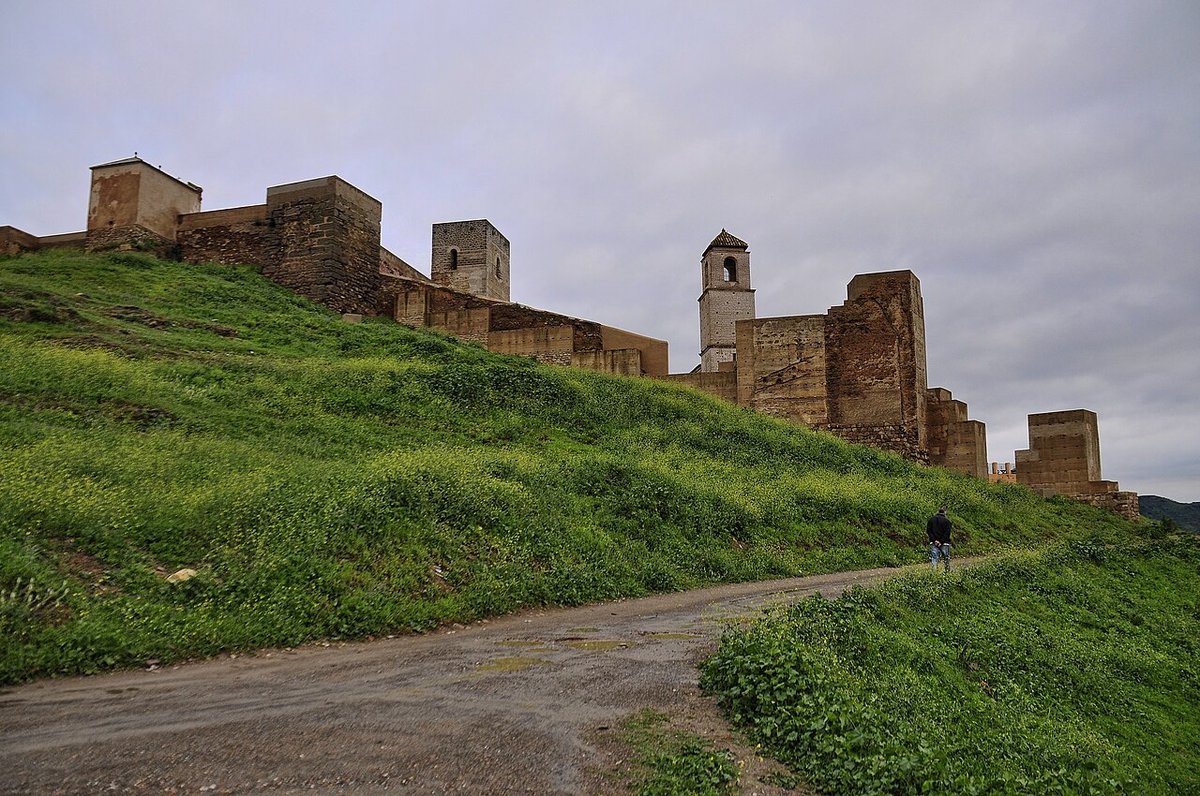
The Iglesia de San Pedro Apóstol sits at the top of the only hill in sight. The tower is mudéjar, the interior a scramble of Gothic ribs and Renaissance paint that never quite got finished. Climb the atrium steps at 11 a.m. and the Guadalhorce valley spreads out like a green tablecloth: olive, almond, lemon, repeat. Look closer and you’ll spot the railway line curling away to the coast, the reason half the village commutes to Málaga rather than the other way round. Trains run every hour, €3.60 return, last one back at 22:30—handy if you want city tapas but prefer your sleep without nightclub accompaniment.
Down in the square, the ayuntamiento has wedged a tiny tourism office between the chemist and a shop selling bras and birthday cards. Opening hours are optimistic; if the door’s locked, try the bakery opposite and buy a palm-leaf pastry the size of a tennis racket. The baker’s son keeps the office key in his apron and will open up if you buy two.
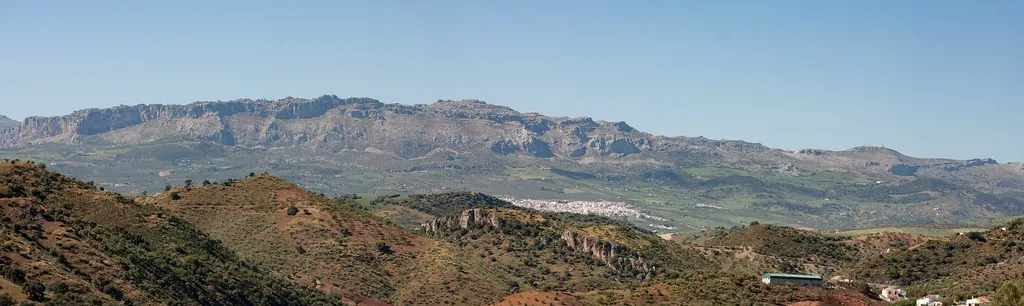
Inside you’ll find a hand-drawn map marking the Cerro de la Harina trail. It’s 6 km there and back, starts between the tomato warehouses on the Alora road and tops out at a wind-scarred ridge. The path is stone-dust and tyre tracks, steep enough to make you swear in August, but the view stretches from the Sierra Nevada to the Mediterranean haze. Sunset is best; take a torch for the descent or you’ll end up sharing the path with wild boar who have right of way.
Food that doesn’t photograph well
Pizarra’s restaurants don’t do foam or slate plates; they do stodge that keeps field hands upright. The plato de los Montes arrives on a wooden board: chorizo, black pudding, a pork chop, half a chicken, chips and a fried egg on top. One feeds two, two feed a family, nobody leaves sober. Order it at Bar El Progresso on Calle Carrera and they’ll throw in a jug of local wine that tastes like sunburned strawberries.
Summer calls for gazpacho served in a pint glass with a straw—locals insist it prevents heatstroke, doctors shrug and agree. If you’re travelling with children, the churrería opens at 06:00 for chocolate and fried dough before school; British kids think they’ve died and gone to Disneyland.
Homesick? The Yorkshire Rose on Calle Cruz does a full English, real ale and Sunday roast with Yorkshire pudding the size of a sombrero. The owner moved here in 2004 for the “weather and cheap fags”; he now knows every walking route within 20 km and will lend you laminated maps if you ask nicely.
When the town lets its hair down
San Isidro in mid-May turns the fairground into an agricultural catwalk. Tractors are polished, mules wear pompoms and teenage girls in flamenco dresses balance on trailer roofs hurling sweets at the crowd. British visitors are rare enough to be adopted; accept the plastic cup of fino or you’ll offend someone’s grandmother.
July belongs to San Pedro Apóstol. The church square hosts open-air cinema, the bars stay open till 04:00 and the fireworks start whenever someone finds a match. Accommodation within walking distance triples in price; if you’re on a budget, stay in Málaga and catch the last train.
September’s Fiesta de la Pizarra is more niche: quarrymen demonstrate how to split a roof tile with a three-pound hammer, and the baker produces a slate-grey cake that turns your tongue black. Tourist numbers rarely break triple figures; you’ll get thanked for turning up.
The practical bits without the bullet points
Fly into Málaga, hire a car if you plan to hop villages, but don’t bother if Pizarra is your base. The A-357 is a fast dual-carriageway until the final roundabout, where tomatoes frequently fall off lorries and turn the tarmac into minestrone. Parking is free on the streets, €2 per day in the signed lot behind the health centre.
Accommodation is thin on the ground. Hotel Villa Matilde has eight rooms built around an 1880s manor house, pool shaded by mango trees, doubles from €70 including breakfast that features fresh figs and the owner’s own olive oil. Anything cheaper tends to be British-owned apartments rented by the week; expect WhatsApp correspondence and a warning not to use the air-con after midnight.
Monday shuts most things. The museum stays dark, the bakery sells yesterday’s bread and even the ducks in the park look hungover. Plan a day-trip to the Guadalhorce reservoirs instead: 35 minutes by car, turquoise water ringed by pine forest, picnic tables and a snack van that does excellent chips.
Winter is T-shirt weather at midday, fleece weather after six. Summer is furnace. If you’re eyeing the walking trail between June and September, start before 08:00 or the cicadas will laugh you back to the bar.
Cash still rules. The ATM on Calle Carrera doles out €50 notes no one wants; buy a coffee first and ask for change. Most bars close between 16:30 and 19:30; eat lunch at 15:00 or you’ll be raiding the garage for crisps.
Last orders
Pizarra won’t give you cliff-edge drama or boutique glamour. It offers instead the small pleasure of watching a town get on with living: old men arguing over dominoes, quarry dust settling on clean laundry, the 22:30 train clicking past the lemon groves like a metronome. Stay a couple of days, learn to recognise the smell of hot slate, and you’ll understand why half the passengers on the 08:03 never make it as far as the beach.