Full Article
about Espiel
A climber's paradise with limestone walls deep in the Sierra Morena, its natural setting made for adventure and sport.
Hide article Read full article
Espiel y la memoria del carbón
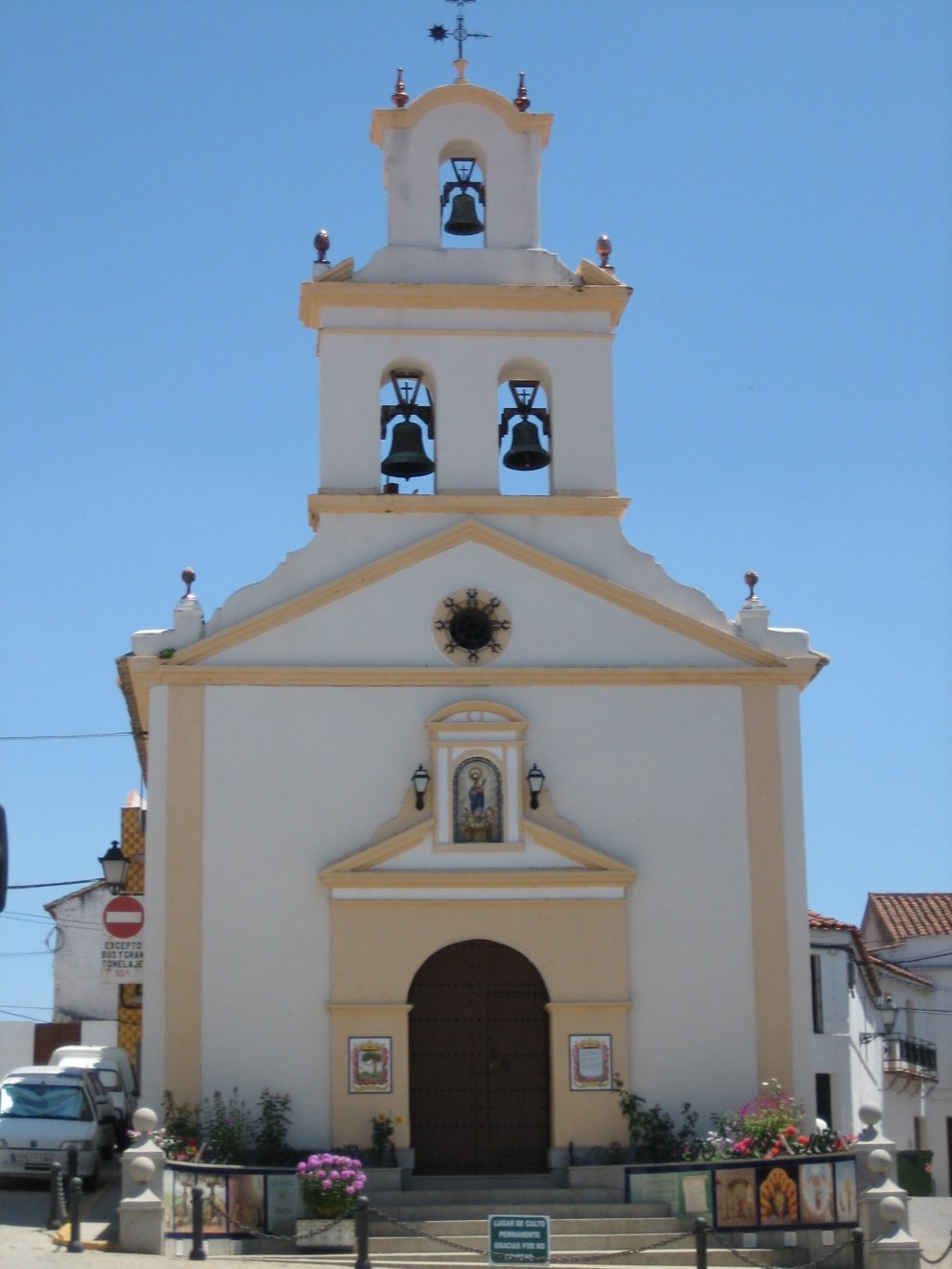
La carretera desde Córdoba hacia el norte es una sucesión de curvas, olivares y repechos. Cuando aparece Espiel, lo hace sin aspavientos. Primero se ve la torre de la iglesia, luego un puñado de casas blancas apretadas contra la ladera. No es un pueblo que te reciba con un cartel de "bienvenido al paraíso". Es más bien un lugar de paso que se convirtió en destino, porque aquí había carbón.
El Valle del Guadiato tiene esa personalidad: tierra de minas, de dehesa rala y de pueblos que crecieron donde había trabajo. En Espiel ese trabajo era negro, pesado y dejó una cicatriz en el paisaje que todavía se puede leer.
Las ruinas que no son monumento
A las afueras, junto a la carretera, está el Pozo Espiel. No es un museo ni un parque temático. Es lo que queda cuando una mina cierra y nadie se decide a borrarla del todo. Hay estructuras de ladrillo aún en pie, viejos raíles medio enterrados y montañas de escoria negra que contrastan con el verde del campo.
El estado es ruinoso, así que hay que pisar con cuidado. Pero es un sitio vivo. La gente del pueblo viene a pasear entre los escombros, los niños juegan a esconderse tras los muros derruidos y al amanecer es fácil ver conejos correteando por donde antes pasaban los vagones. Es historia industrial sin vitrina, sin folleto. La mina cerró, pero su fantasma sigue aquí.
El Vacar y su castillo en la cuesta
Un desvío lleva a El Vacar, una pedanía que parece aferrarse a la sierra para no caerse. Las calles son cuestas empinadas, las casas escalonan la ladera. Arriba del todo quedan los restos de un castillo. No esperes almenas perfectas ni carteles explicativos. Es una cerca de piedra gastada por el tiempo y una torre que resiste.
La carretera para subir es tan estrecha que si te cruzas con otro coche toca negociar quién retrocede. Pero la vista desde arriba explica por qué estaban aquí: este valle siempre fue un pasillo natural entre sierras. Antes vigilaban el paso de tropas; ahora ves la autovía cortando el valle y la dehesa extendiéndose hasta donde alcanza la vista.
Comer como se ha comido siempre
La cocina aquí es la del interior: contundente, práctica y sin florituras. Si pasas por una panadería, pregunta por el hornazo. Es un pan relleno de chorizo, lomo, jamón y huevo duro, todo horneado junto. Se come frío o templado y tiene ese punto salado que pide cerveza. Es comida pensada para llevar al campo o partir entre varios.
Mención aparte merecen los ranillos (ranas), aunque hoy sean más recuerdo que realidad. Se freían con ajo y perejil y tenían un siento más suave del que imaginas. Cuando refresca, lo que manda son los guisos de caza menor: conejo estofado lentamente, salsas con vino blanco... Platos para mojar pan y quedar satisfecho.
Una romería sin multitudes
Si coincides a finales de abril, verás movimiento hacia la ermita de la Virgen de la Estrella. No es una romería masiva; parece más bien una excursión familiar grande. La gente va andando o en coche cargado con mesas plegables, manteles y fiambreras.
El camino pasa por terrenos rojizos con matorral bajo. A mitad trayecto hay una fuente donde muchos paran a descansar o llenar la botella antes de seguir subiendo.
La ermita es pequeña y el ambiente íntimo; se nota que casi todos se conocen durante esos días hay vida concentrada en ese camino polvoriento.
Parada técnica en el Guadiato
Espiel está a unos 50 minutos en coche desde Córdoba capital; lo justo para notar cómo cambia el paisaje cuando los olivares dan paso al monte mediterráneo más seco.
No necesitas un día entero aquí salvo que quieras caminar por los senderos cercanos; el pueblo en sí se recorre pronto: plaza principal e iglesia unas pocas calles tranquilas donde lo más probable es escuchar conversaciones en vez turistas
Funciona mejor como escala dentro ruta por comarca Puedes comprar hornazo mirar restos mineros subir hasta El Vacar para tener perspectiva valle Luego puedes seguir carretera hacia otros pueblos Guadiato o volver Córdoba antes anochecer
Lugares como este no venden postal perfecta Explican cómo se ha vivido trabajado territorio Y eso a veces cuenta más