Full Article
about Albolote
Key metropolitan hub with strong industry and trade; quiet residential areas remain near the Cubillas reservoir.
Hide article Read full article
Albolote: The Town Granada Forgot to Frame
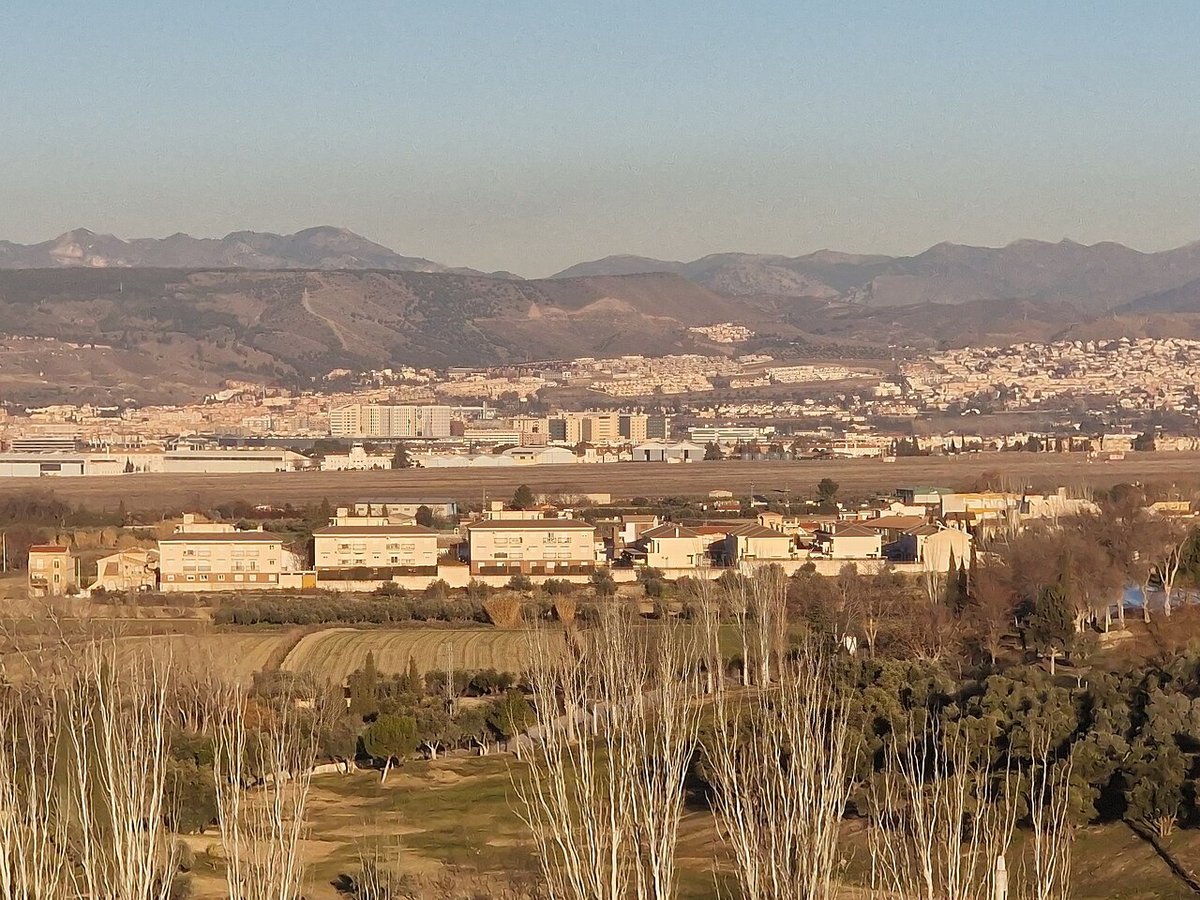
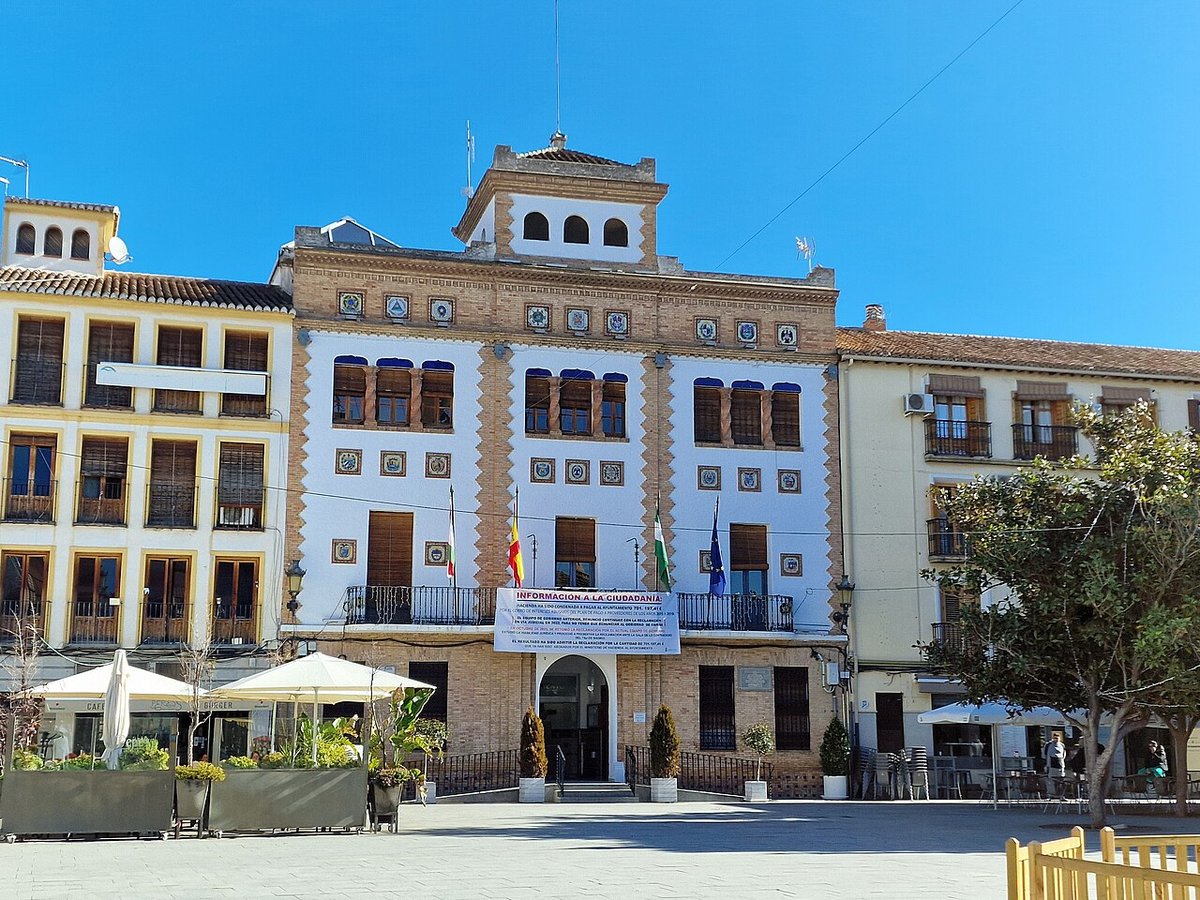
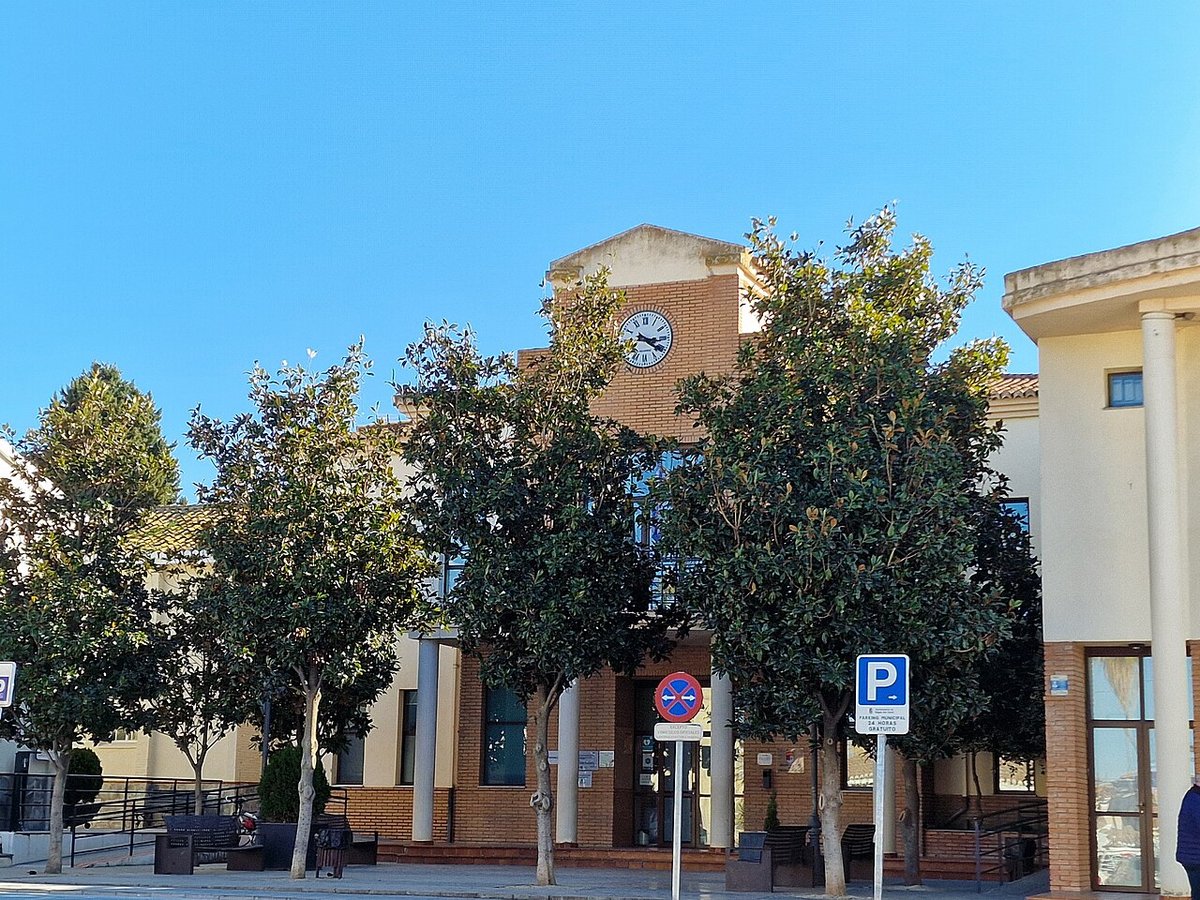
Albolote is the kind of place you see from the A-44, a blur of white houses and industrial units just seven clicks north of Granada. For most people heading to the coast, it's just a sign they pass. But get off at that exit, and you find a proper town. Nearly twenty thousand people live here, and it feels like it. There's space to park your car, people doing their shopping, and zero queues for a photo op. It’s not trying to be anything else.
The Earthquake That Still Echoes
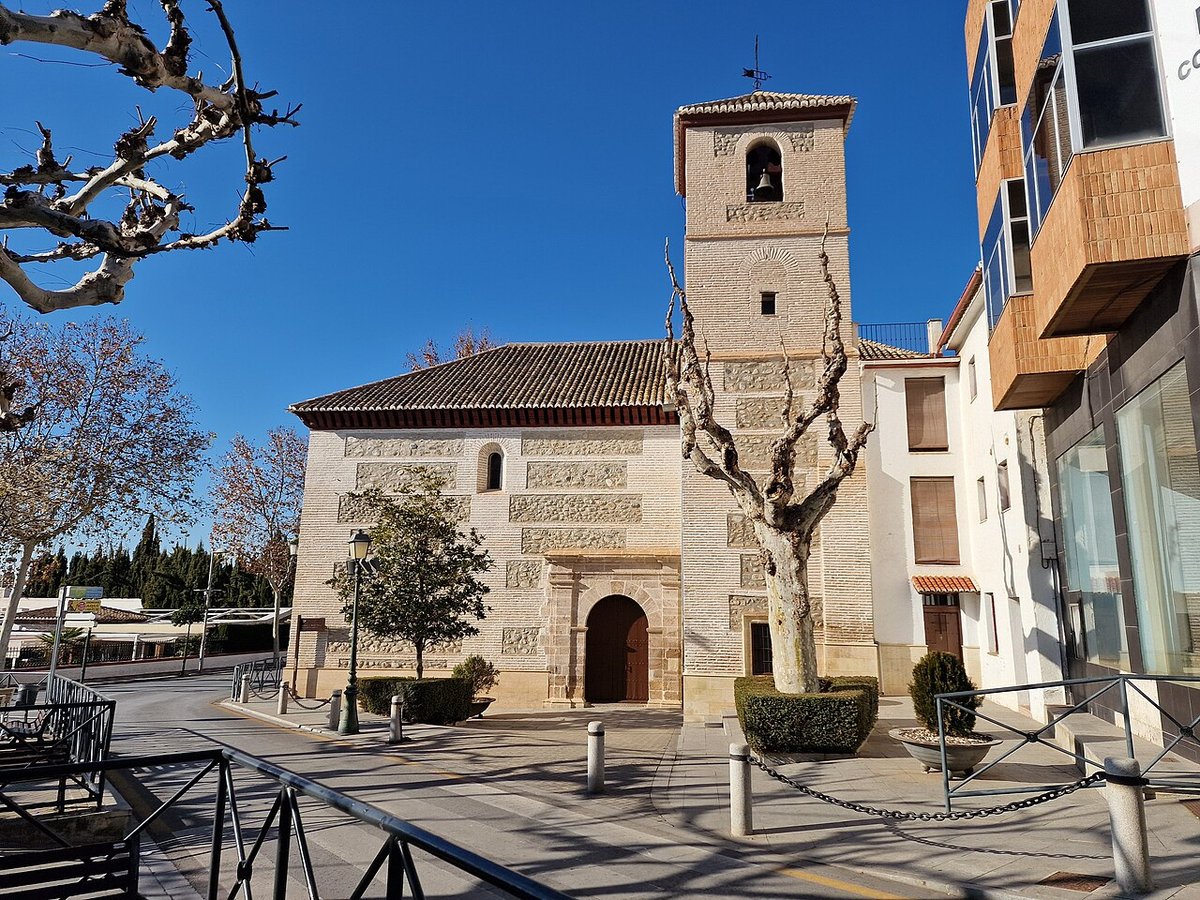
Mention Albolote to someone from here, and wait about thirty seconds. They’ll bring up the tremor. Not some minor shake, but the proper earthquake of 1956 that brought part of the local church down. It’s one of those defining local memories, the kind grandparents talk about.
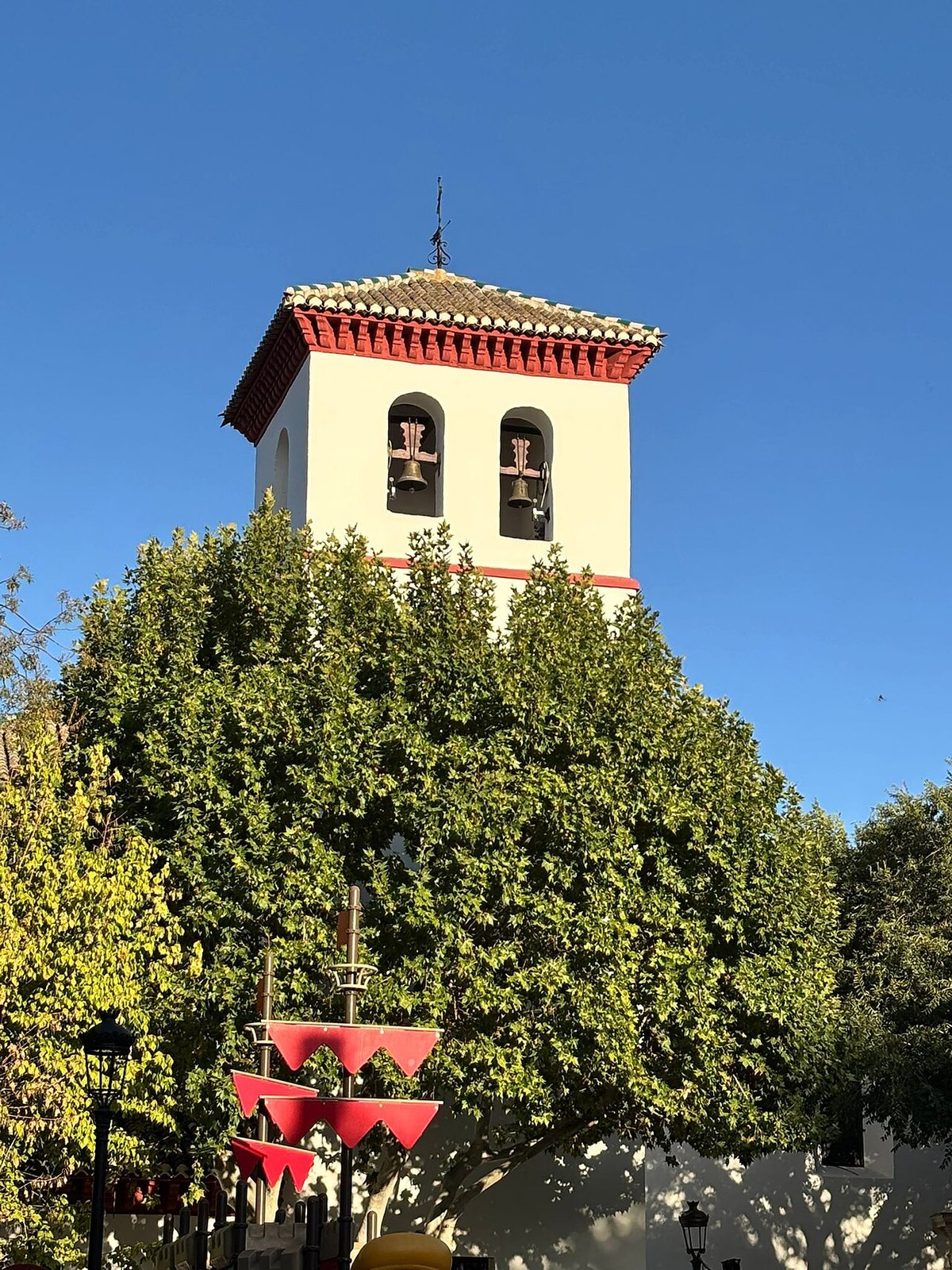
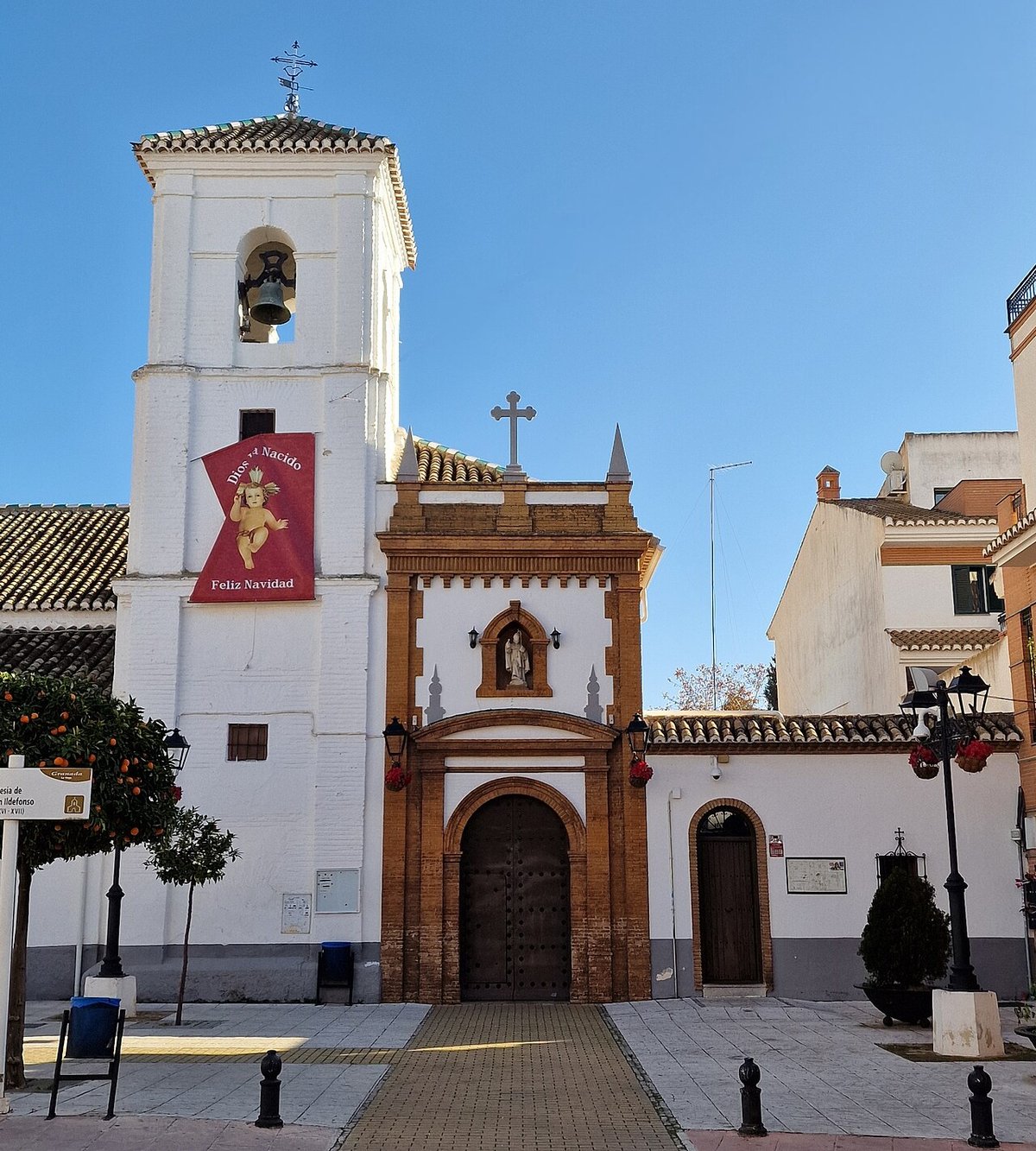
The Iglesia de la Encarnación is where that history sits. Rebuilt after the quake on old foundations, its Renaissance front looks a bit serious surrounded by everyday town life. You won't find a gift shop. You might find an old lady coming out from mass or kids kicking a ball against its wall. It’s used, not just preserved.
The Uphill Truth About the Torreón
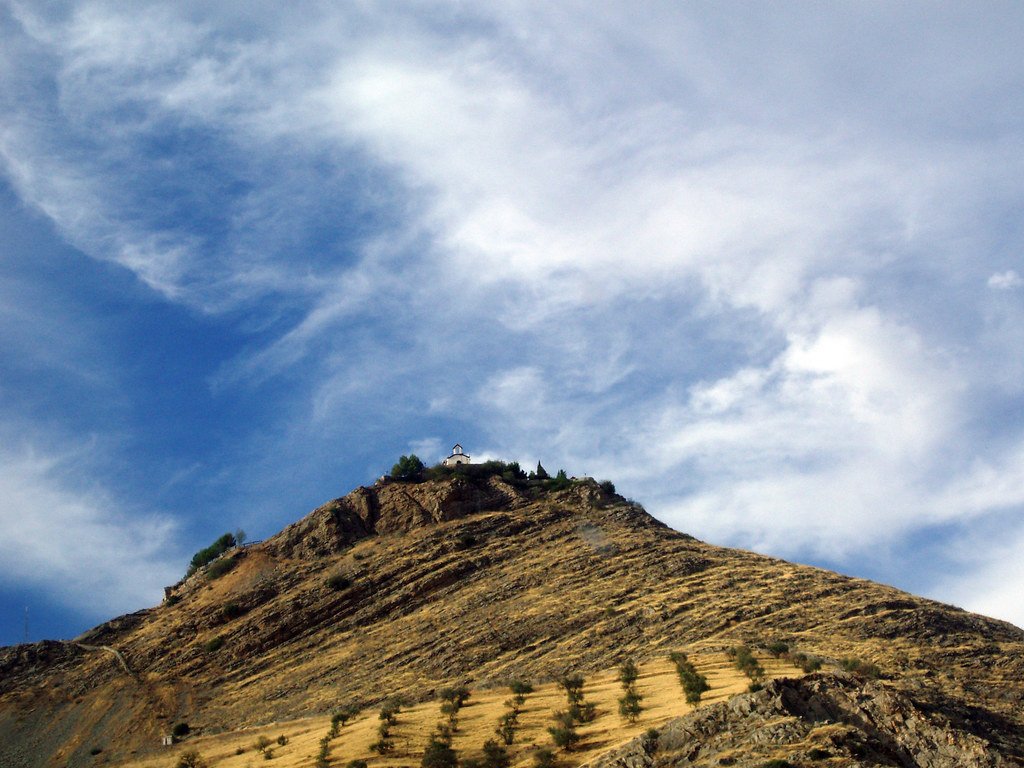
Everyone points up to the Torreón on the hill. It looks close. It is not close. The walk up is about two kilometres and it gets steep in that way that makes you question your life choices halfway.
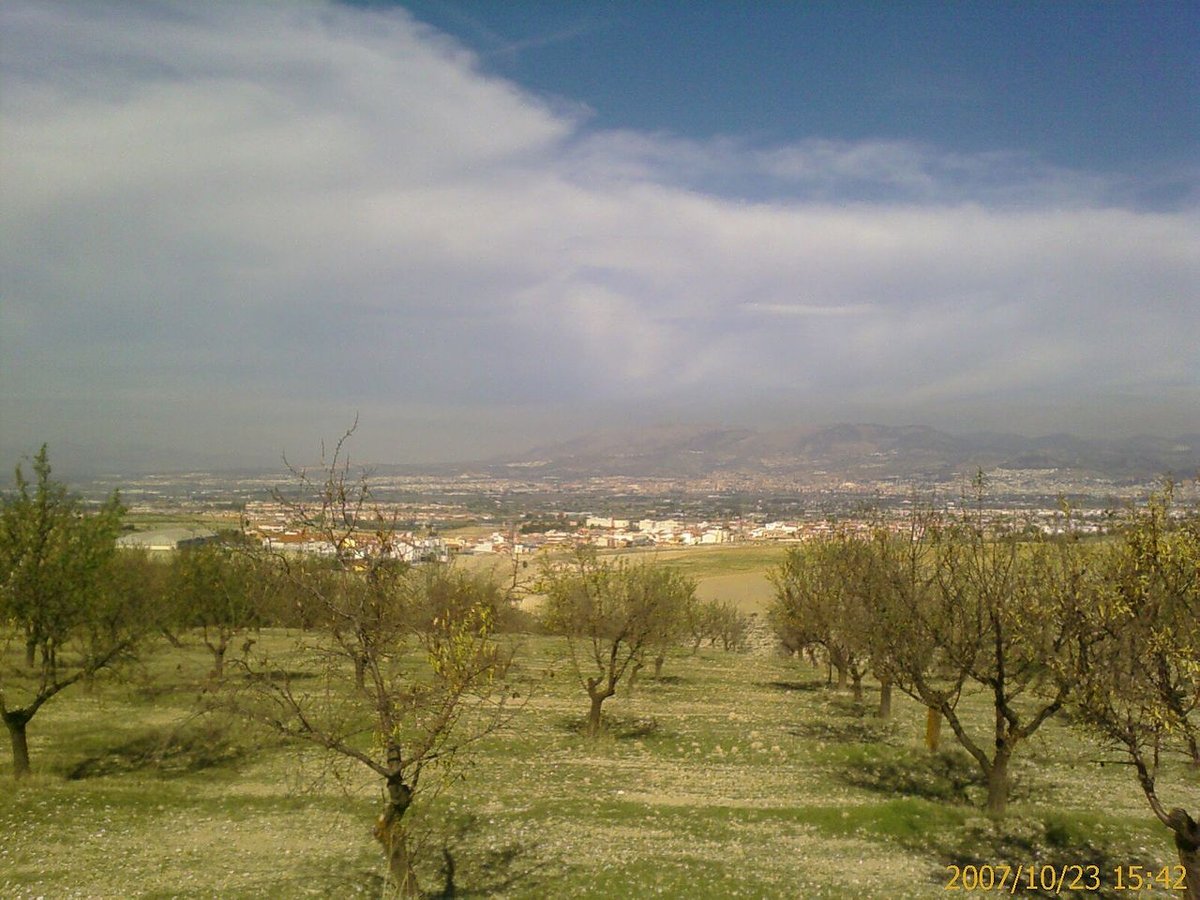
The payoff is a 13th-century Nasrid watchtower, wide and solid, that once watched over this whole plain. Now it watches over people getting their Sunday steps in. Families hike up, runners pant past, and from the top the view finally explains everything. You see the vega spread out like a green quilt, Granada huddled in the distance, and the motorway slicing through it all with weirdly satisfying neatness.
How to Eat Like You Live Here
Coming down from that walk makes you hungry, and this is where Albolote gets good without trying.
Don't look for a famous restaurant. Look for what's on the menu because it's Tuesday. In winter, that means gachas de matanza, a thick maize stew with chorizo and pork that sticks to your ribs like it was designed for farmhands (because it was). In spring, you might find tagarninas, a wild thistle cooked with chickpeas that tastes… well, earthy. Honestly earthy.
And then there's the pionono. This little pastry from Santa Fe shows up here in two-bite portions. They're dangerously moreish. You tell yourself you'll have one, and suddenly you're brushing powdered sugar off your shirt.
Hit the weekly market if you want to see what's local. Ask a vendor about tortillas de collejas (that's wild spinach, get your mind out of the gutter) and watch them nod with approval.
Where The Town Comes Out to Play
To see Albolote forget it's just a commuter town, come for Candelaria in early February. People trek up towards the Torreón with frying pans, chorizo, and whatever's in their fridge to cook outdoors together. It’s not an event; it’s just everyone having lunch outside because they always have.
Summer brings the San Juan parties with fireworks over the rooftops, and later the annual fair takes over with its temporary bars and kids running loose past bedtime.
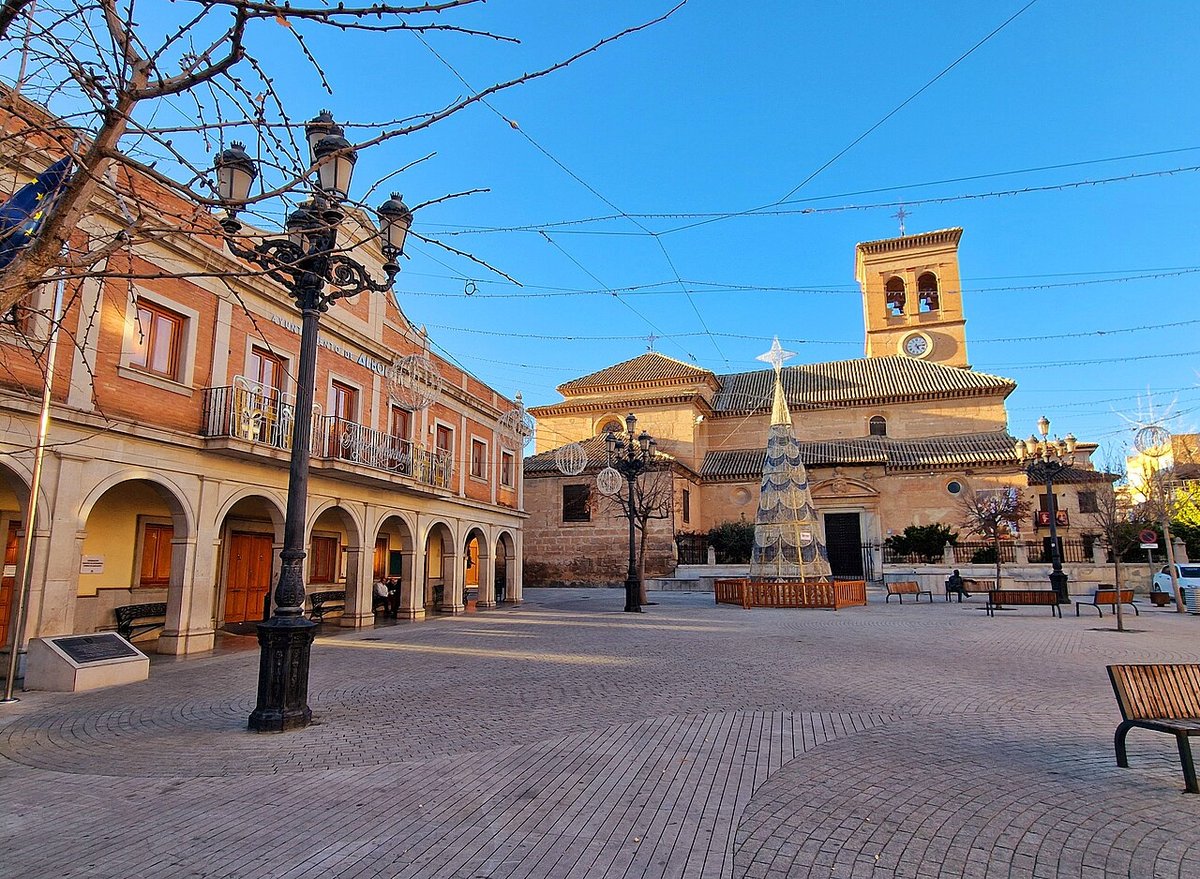
And in the Plaza de los Naranjos there's a statue of "El Chache". He was a local character who went everywhere with his donkey for decades. Old-timers will still point at it and tell you a story about him they heard from their dad. It feels personal, not historical.
So Should You Actually Go?
Let's be clear: Albolote isn't pretty in the postcard sense. It’s flat, has roundabouts, and an industrial estate on one side. What it has instead is normality—the kind that’s been airbrushed out of more famous spots.
Life happens on its own terms here: neighbours chatting on benches, old men sitting by their doors in the evening cool, an Osborne bull by the motorway that nobody made a big deal about.
If you want winding medieval lanes or grand palaces, drive another twenty minutes into Granada city; it does that better. But if you fancy a proper walk ending at an old tower where no one will charge you entry, if you want to eat food that hasn't been gentrified for tourists, and if you're curious about how a town remembers an earthquake from seventy years ago, then pull off at that exit. Wear decent shoes for the hill. And if there's an orange cat sleeping by the church door, say hello. He owns the place