Full Article
about Alfacar
Known for its traditional bread and springs; gateway to the Sierra de Huétor and a place tied to Lorca's memory.
Ocultar artículo Leer artículo completo
At 09:00 the ovens of Horno San José are still exhaling. A queue of housewives, builders and one British cyclist snakes along Calle Real, everyone clutching the same paper-wrapped half-loaf still too hot to hold. This is Pan de Alfacar, the village’s edible business card, and the reason more than a few day-trippers from Granada forgo a lie-in.
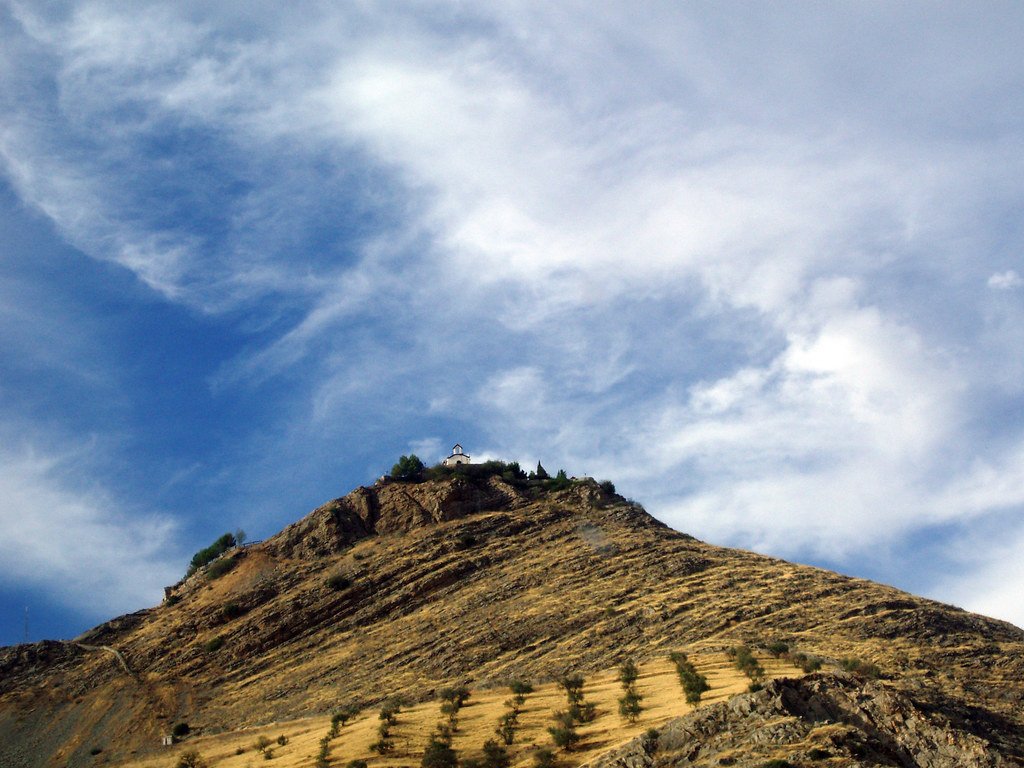
The village sits 900 m up the first fold of the Sierra Nevada, fifteen minutes by car from the Granada ring road yet climatically elsewhere. Even in July the breeze that slips down the ravine carries the chill of mountain snowmelt; by night the temperature can drop ten degrees below the capital. Locals treat the difference as a boast: “Summer air-conditioning, free of charge.”
Water, bread and a poet’s last walk
Alfacar’s lifeblood is its springs. Nazarí engineers once channelled the same water to the Alhambra’s pools; today it still gushes from public spouts labelled “agua potable”. The easiest circuit starts at Fuente de la Teja, where stone troughs once served muleteers, then follows a shaded acequia to Fuente Grande. The path is level, ten minutes each way, and cool enough to attempt at midday when the Vega below shimmers at 38 °C. Take a bottle – the water is cold enough to numb a filling.
Bread and water sound Spartan until you taste the local version. The dough is raised with a century-old sour starter, fired with oak, and sold with the crust deliberately scorched. A whole loaf weighs a kilo, costs €2.40 and stays fresh for three days – longer if you follow the Spanish habit of cutting slices from the middle and leaving the heel to protect the crumb. The bakery will slice it for you, but the machine is switched off after 13:30 when the afternoon siesta begins.
History here is similarly unvarnished. On the edge of the pine wood above the village a small plaque marks the spot where Federico García Lorca is believed to have been executed in 1936. The site, known as Parque de la Fuente Grande, is reached by a path that descends from the cemetery; it’s a five-minute stroll, but most visitors linger longer, surprised by the quiet. There is no café, no interpretation centre, just the sound of water and, on weekdays, the occasional crack of a hunter’s rifle in the distance. Bring water and a sense of proportion – the contrast between bucolic setting and brutal event is deliberately disorientating.
Hill streets that reward the nose, not the map
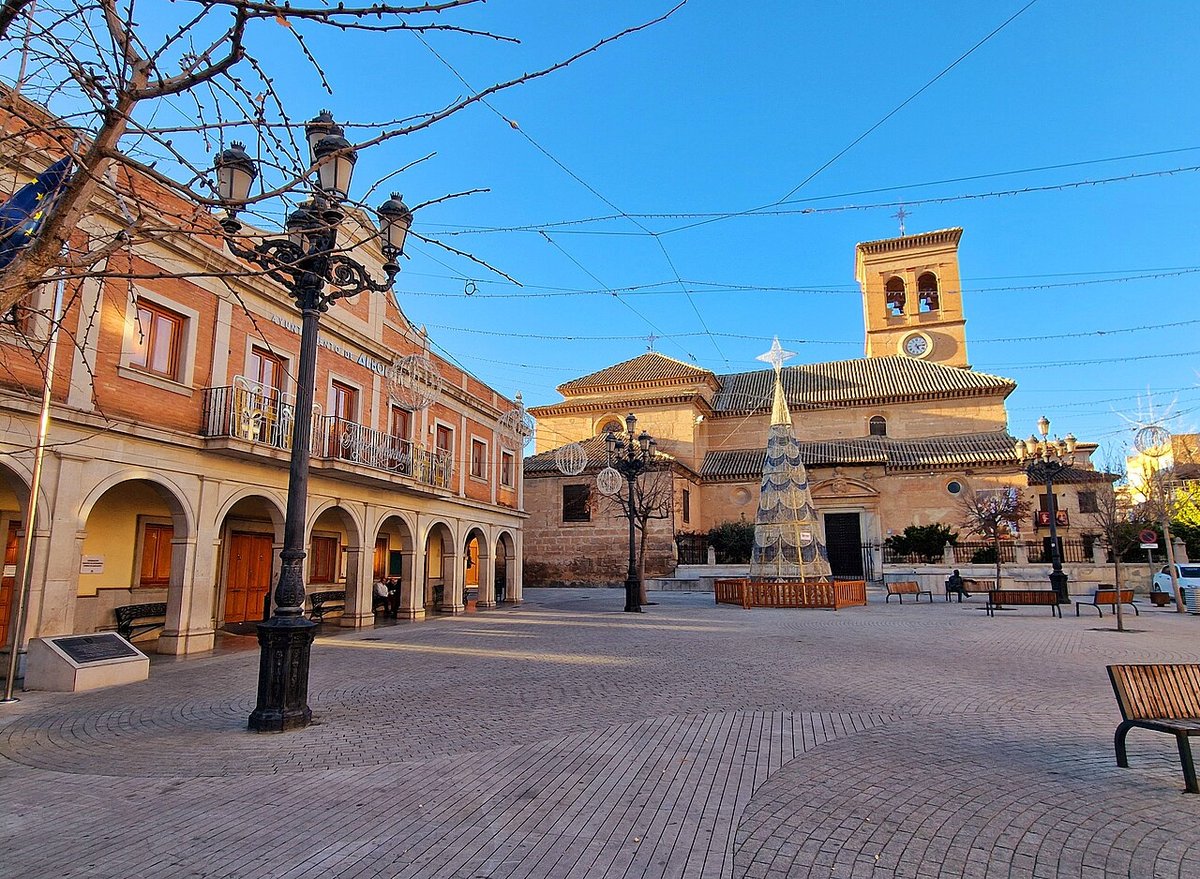
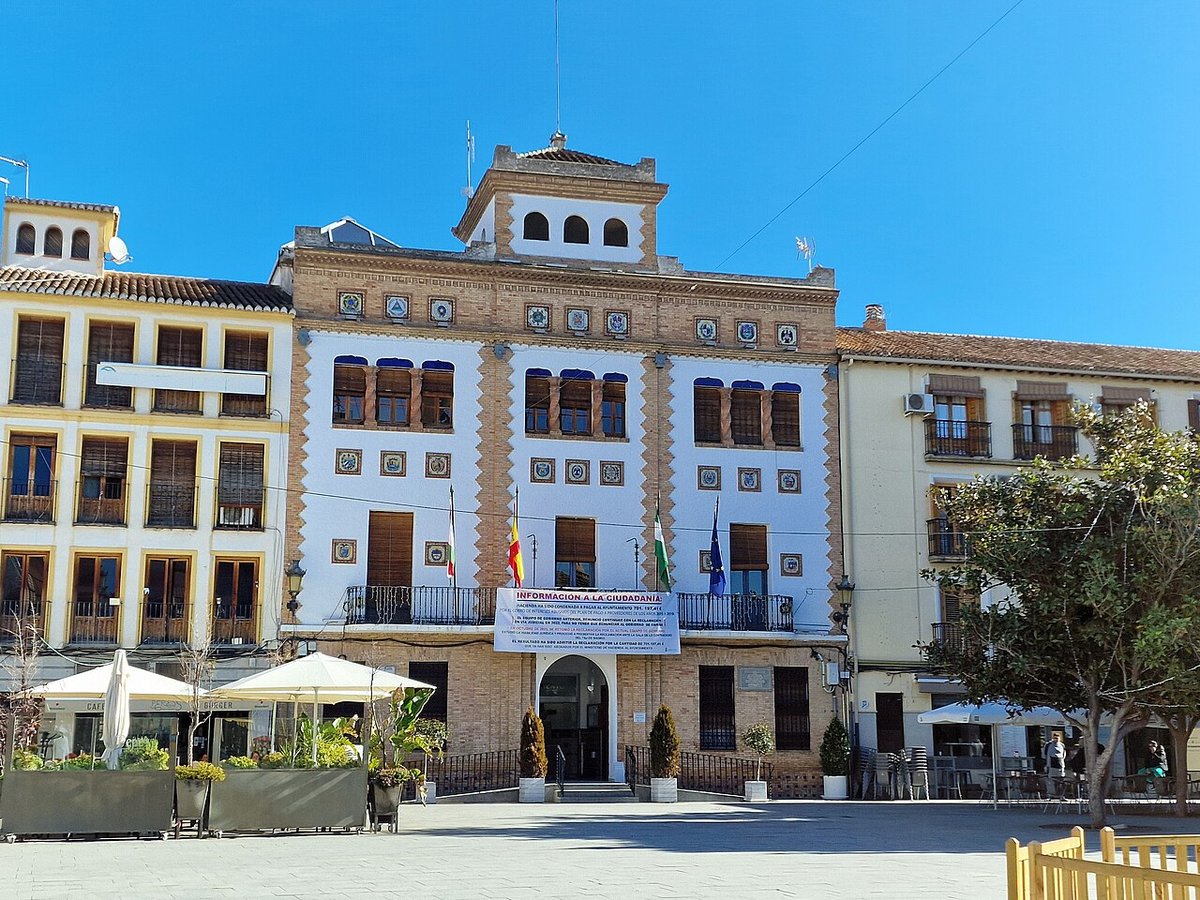
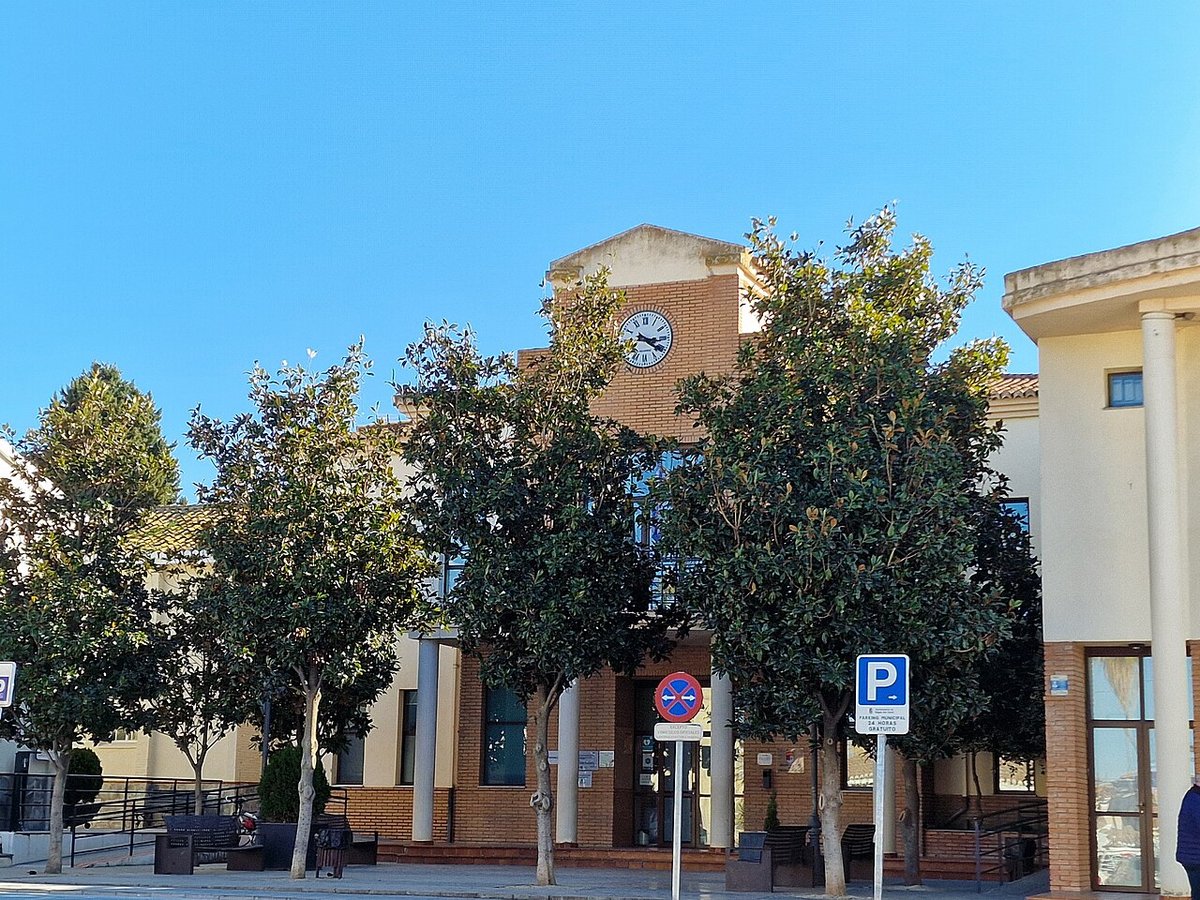
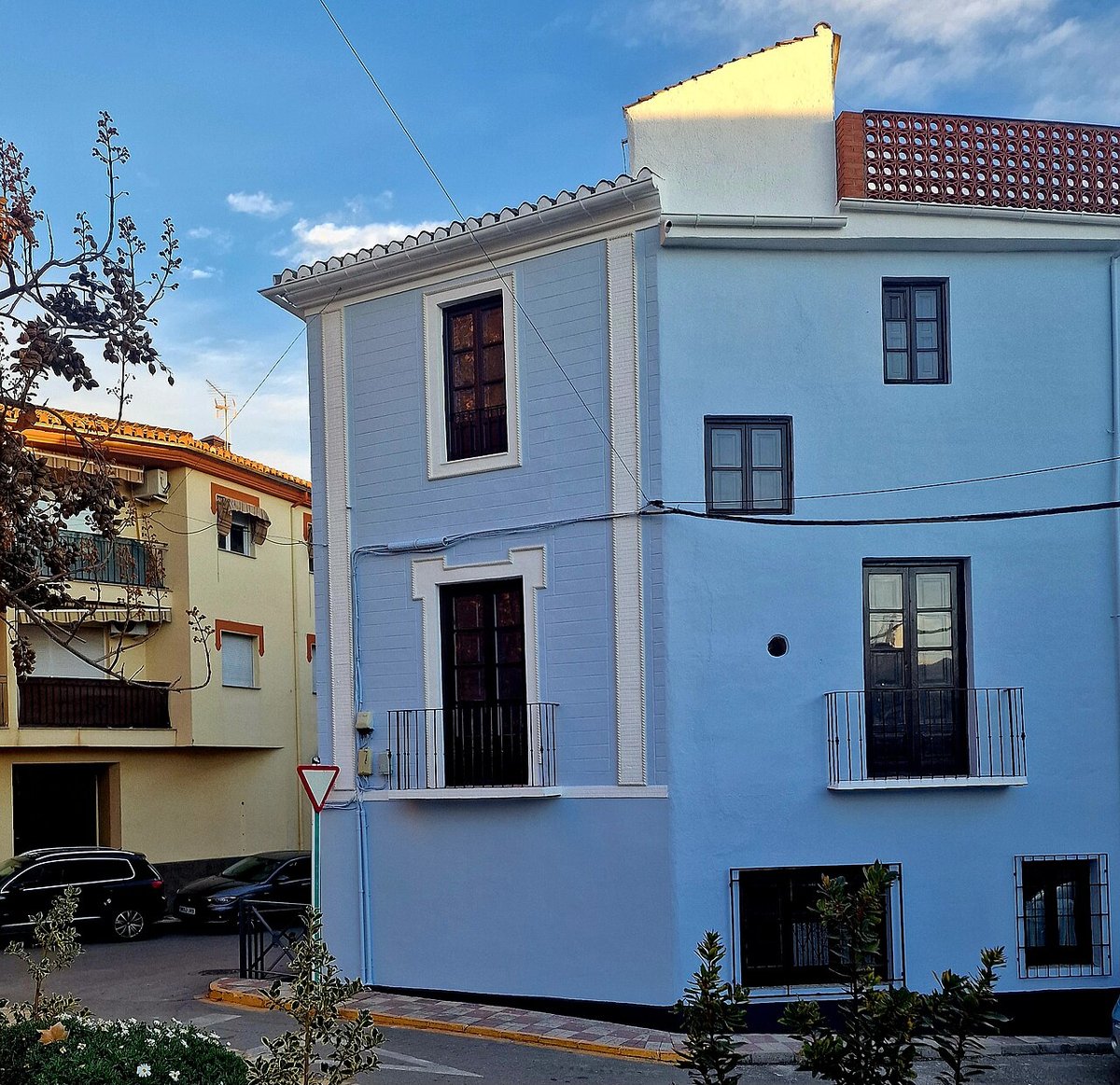
Alfacar grew along a ridge, so every street tilts. Park at the top by the Ayuntamiento and you walk downhill to everything; start at the bottom and you earn your beer. Either way the village unrolls like a terrace of irregular steps. Houses are stone below, whitewash above, with wrought-iron balconies designed for flowerpots rather than photographs. The only traffic jam is likely to be a delivery van idling while the driver chats to a neighbour.
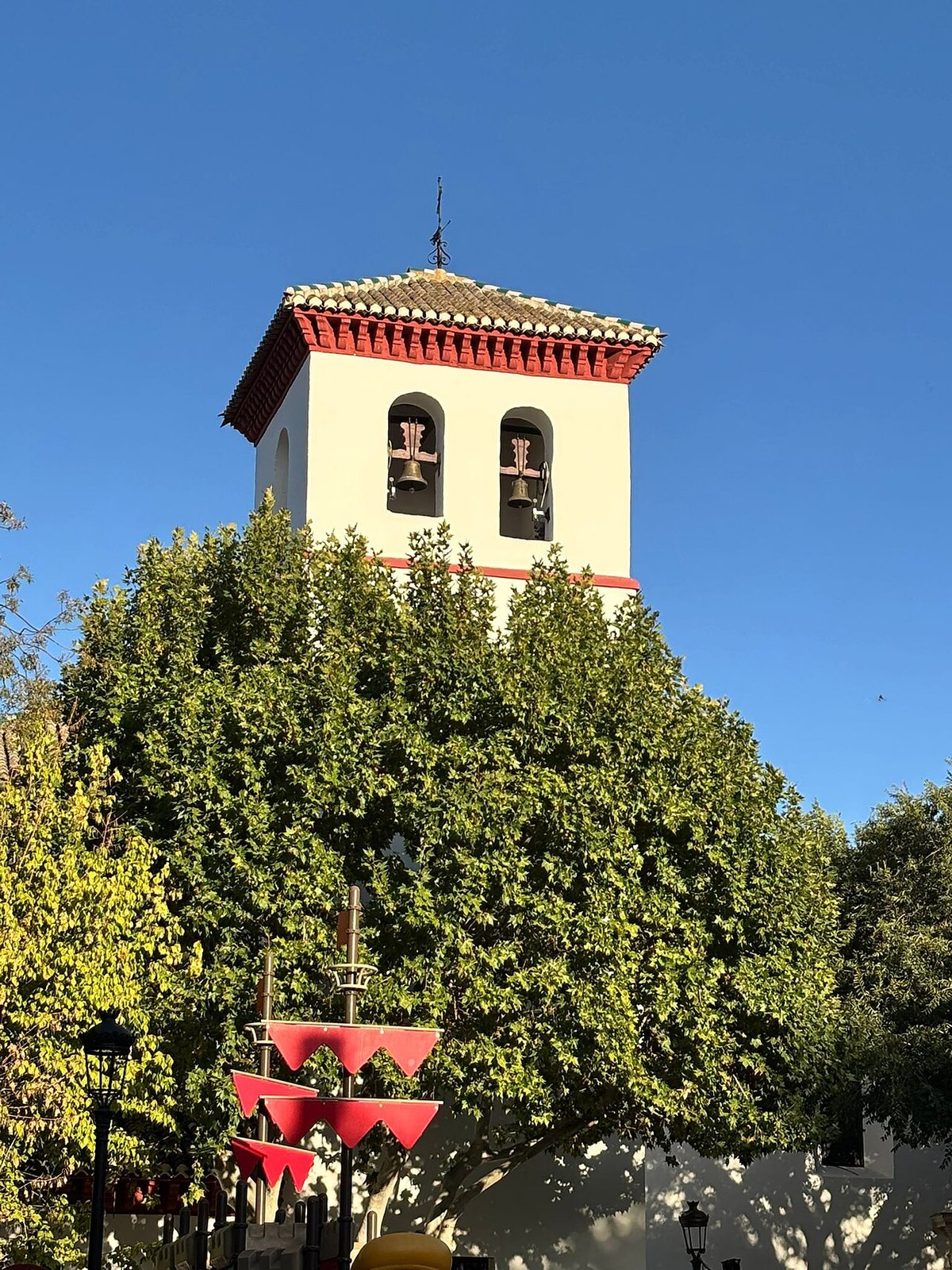
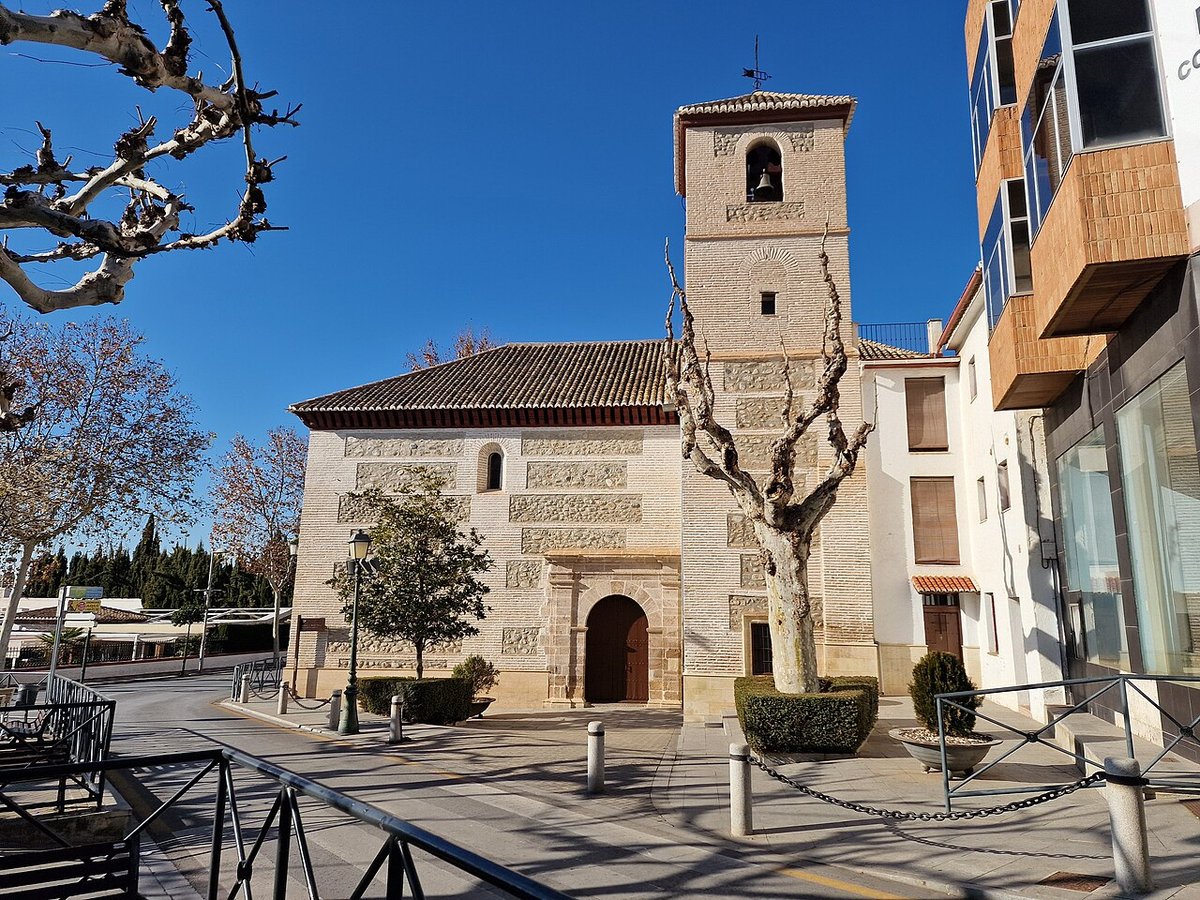
The sixteenth-century Iglesia de la Encarnación anchors the central square. Its bell-tower was rebuilt after an 1884 earthquake that rattled teacups in Granada; inside, look up at the Mudéjar ceiling – a lattice of interlaced cedar that feels more North African than Spanish Renaissance. Mass is sung only at 11:00 on Sundays; the rest of the week the nave is empty and the door left ajar for anyone who simply wants the hush.
Below the church a lane slips into the Barranco de Víznar, a ravine stitched with allotments. On Saturdays you can watch elderly men divert water with wooden sluices exactly as their grandfathers did. The vegetables appear later that evening on tavern plates: fried pumpkin with cumin, or a salad of lettuce so crisp it tastes of melted snow.
Walking off the crumbs
You can stretch a half-day into a full one without much planning. From the upper spring a dirt track climbs steadily through holm oaks to the ruins of an old snow store, the nevero, where winter ice was once packed in straw for summer sherbets. The round trip takes ninety minutes, gains 250 m and delivers a straight-line view across the Vega to the Alhambra’s ramparts shimmering in heat-haze. The path is way-marked with daubs of yellow paint, but mobile coverage is patchy – download the route before you leave the bakery Wi-Fi.
Keener hikers can link into the GR-320 long-distance footpath that crosses the Sierra de Huétor; the tourist office beside the town hall keeps a free sketch map that is honest about gradients. In winter the same trails are frequented by Granadinos hunting wild asparagus; in April the slopes turn yellow with broom and loud with bees. Either season, carry a windproof – mountain weather moves in fast.
What to eat when the bread runs out
By 14:00 most kitchens have stopped serving, so timing matters. Bar Teide on Plaza del Ayuntamiento does a reliable plato alpujarreño – a belt-busting assembly of fried egg, chorizo, black pudding and potatoes that defeats all but the hungriest walker. Vegetarians head to Bar la Teja where salmorejo (thick tomato purée topped with egg and ham, but they’ll leave the latter off) comes with a complimentary refill of bread, still warm if you arrive before 13:00.
Sweet teeth are catered for by piononos, sponge rolls soaked in syrup and cinnamon, imported from nearby Santa Fe and sold individually for €1.20. Locals insist one is enough; foreigners usually discover the limit empirically. Coffee is taken in glasses, bitter and strong; ask for “somewhat cut” (un cortado) if you prefer a dash of milk.
Getting there, getting out
Bus 33 leaves Granada’s Avenida de la Constitución every thirty minutes, costs €1.40 exact fare, and deposits you at Alfacar’s upper entrance in twenty-five. The last return departs at 21:30, so day-trippers can linger over dinner and still be back in the city before the bars on Calle Elvira fill up. Drivers exit the A-92 at junction 250; the final three kilometres narrow to a single lane and average ten per cent gradient – first-gear stuff and not the moment to meet a delivery lorry. Sat-navs routinely underestimate the time by five minutes; add ten and keep the handbrake handy.
If you arrive on Sunday afternoon expect shuttered bakeries and a sleepy main square; Monday is equally quiet. The village wakes early, works hard and is effectively closed by 22:00 even in August. That suits travellers looking for an antidote to Granada’s late-night throb, less so anyone hoping for flamenco bars or craft-beer taps.
Worth it?
Alfacar offers no postcard panoramas of cliff-hanging houses, no souvenir shops, no Instagram-ready bridge. What it does provide is a concise tutorial in how Granadinos actually live when the tour buses are elsewhere: they fetch bread before eight, argue about water rights at ten, and still find time to nod good-day to strangers. Come for the loaf, stay for the cool air, leave before the bus leaves without you – and expect your idea of “authentic” to feel slightly re-calibrated on the ride back down the hill.