Full Article
about Alhendín
Growing metropolitan municipality; keeps farming traditions and has fast links to the capital and the coast.
Hide article Read full article
When the city runs out of pavement
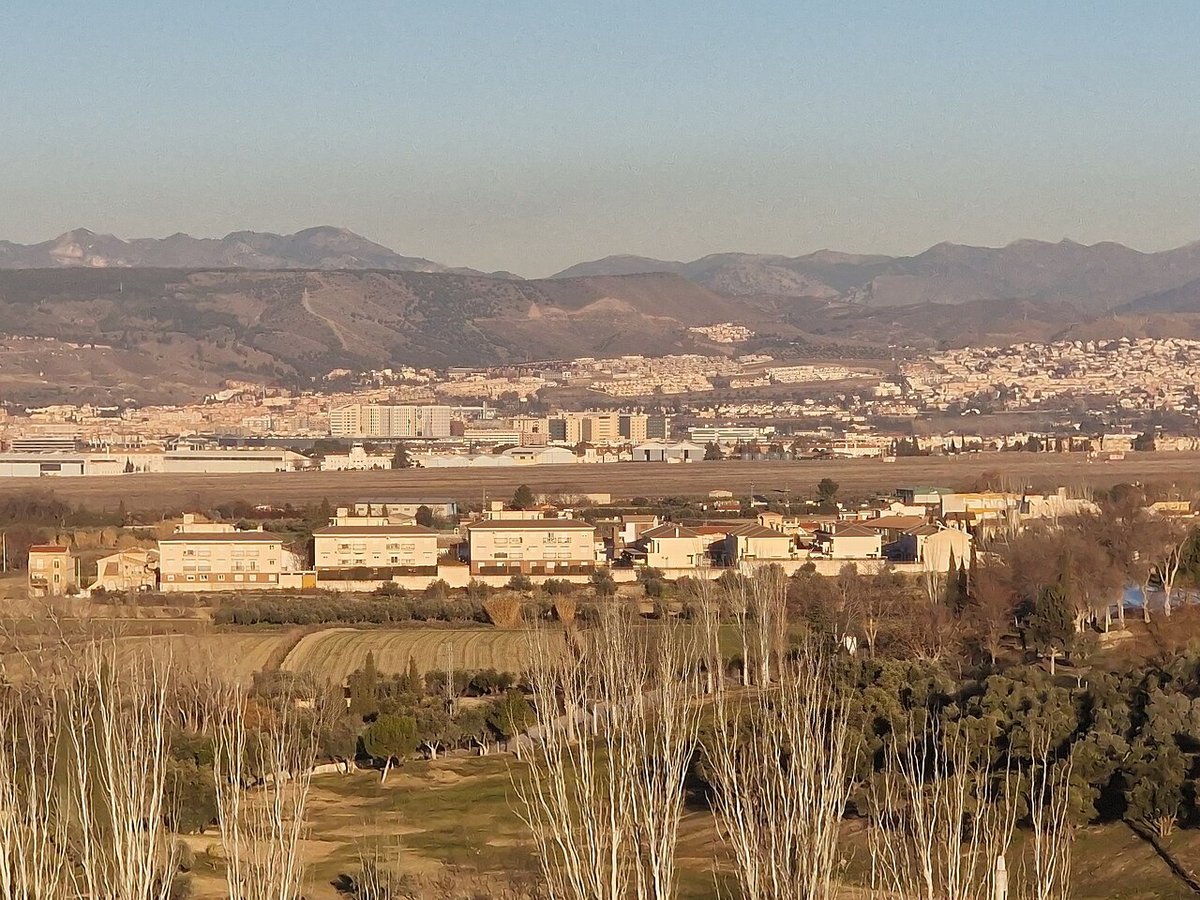
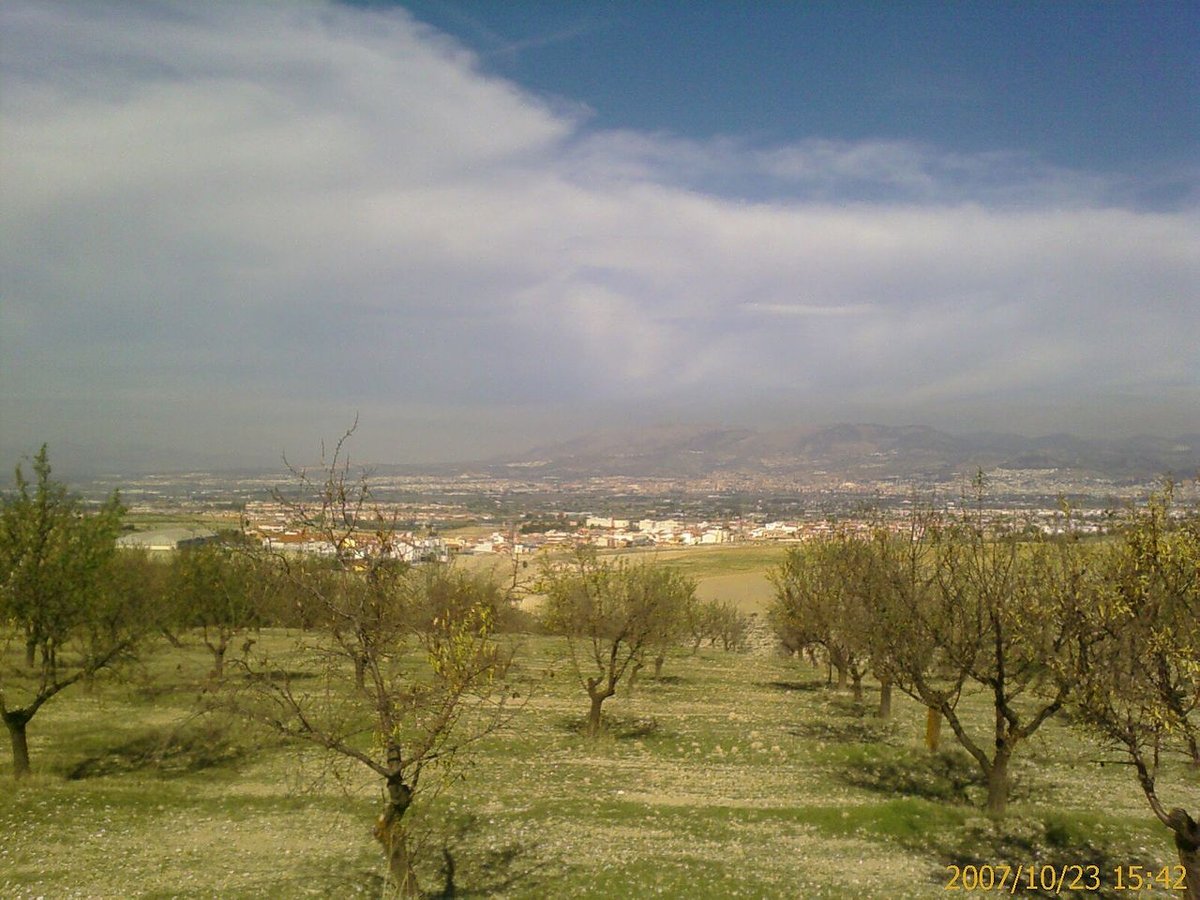
You know you’re leaving Granada when the billboards for language schools and tapas tours are replaced by hand-painted signs for tomatoes. They’re nailed to fence posts, the letters a bit wobbly. That’s your cue. In about ten minutes, you’re in Alhendín. It’s not a dramatic entrance. The city just sort of fades, and the Vega begins.
Here, the talk isn’t about the latest fusion restaurant. It’s about water quotas for the acequias and if the artichokes are coming in thick this spring. The rhythm is set by the plain, this wide, flat expanse of green that feeds Granada. Alhendín feels less like a separate destination and more like an integral part of that machine. You come to see the cogs turning.
A tower with its feet on the ground
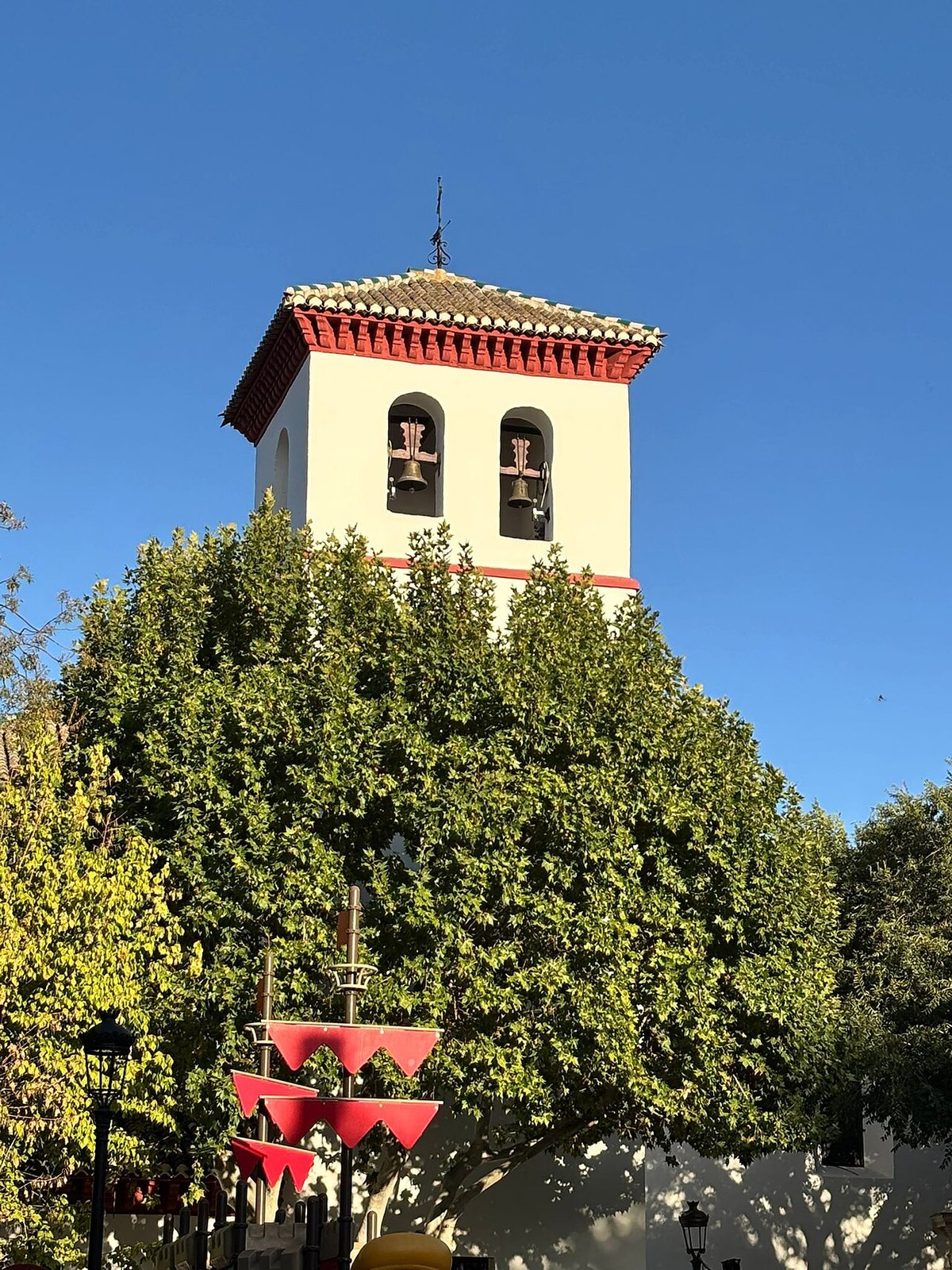
You won’t see it from a distance. You practically bump into it. The Torre Fuerte is sandwiched between houses, its base made of stones laid during the Nasrid period. The top part is from much later, and a bell tower was slapped on top of that. It’s architecture by accretion, not by grand design.
That’s what I like about it. It’s not roped off on some manicured plaza. People have built their homes right up against its walls. Washing hangs on lines strung within its shadow. It’s used now for town exhibitions or as a tourist info point, if you catch it open. The woman inside told me about Ferdinand of Aragon stopping here during the war for Granada, and how the tower was damaged soon after. She said it plainly, like she was recounting local gossip from last week.
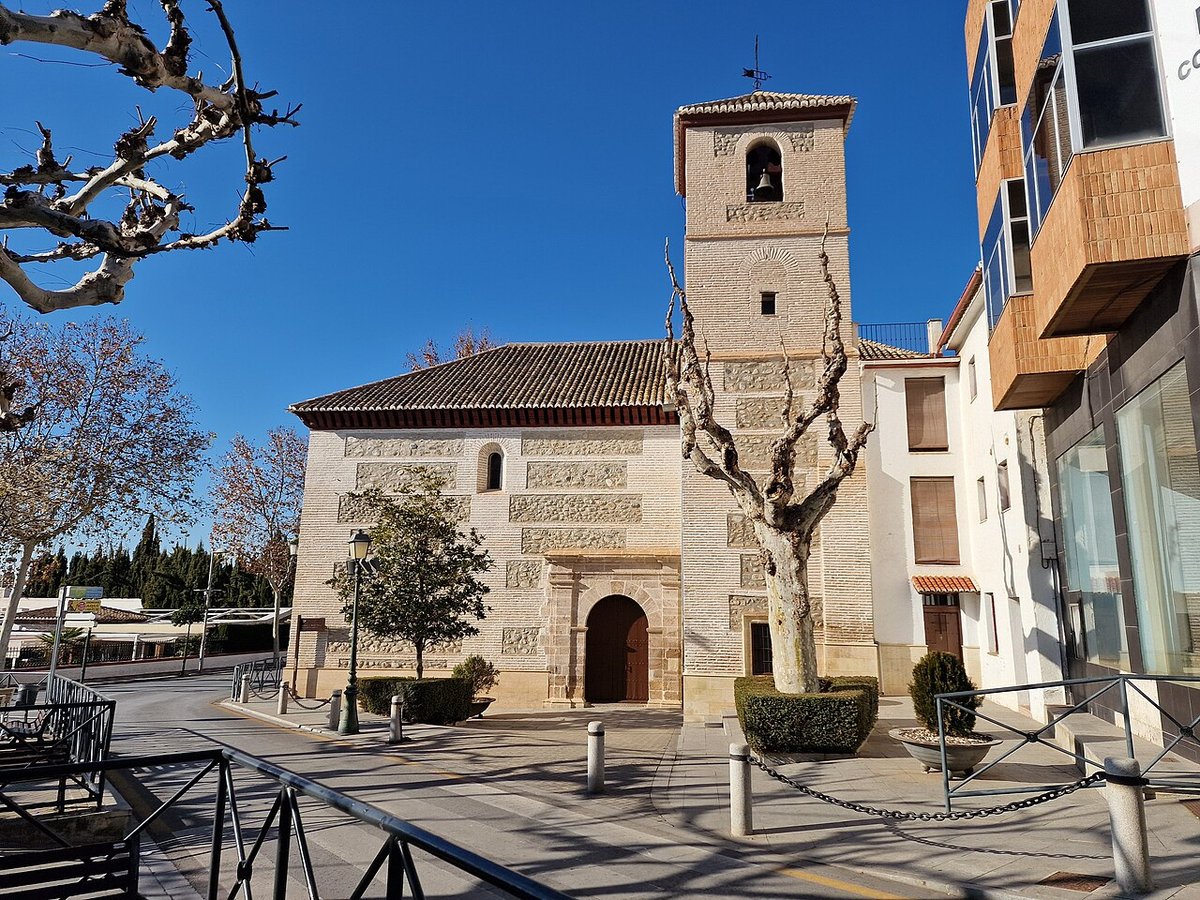
Next door, the parish church has that sober Mudéjar look common around here, with a Baroque interior that feels more ornate than you’d expect. It usually smells of old wood and spent candles.
Eating what the plain provides
Don’t come looking for boutique hotels or a buzzing nightlife. People drive out from Granada to eat, then drive back. The food is the point.
The menus read like a report from the fields. In winter, you’ll find migas de maíz, a huge sharing plate of toasted maize crumbs that’s more about conversation than fine dining. Look for tortilla de collejas, an omelette made with wild greens picked from the irrigation ditches; it tastes faintly mineral, like wet earth.
The star is often choto al ajillo, young goat stewed with garlic, always served with a mountain of proper fried potatoes meant to soak up the sauce. This isn't food you eat quickly. You settle in. You order another beer. The vegetables? If they're in season in the Vega, they're on your plate within days: broad beans stewed with ham, spinach with chickpeas.
The walk is the thing
Asking someone for a nice walk here doesn't get you directions to a scenic overlook. They'll point you down any of the dirt tracks that lead from the edge of town straight into the farmland.
It feels functional at first—greenhouses, tractors parked in furrows, canals brimming with water headed for thirsty rows of lettuce. But keep going past the last plastic tunnel. The land opens up. The noise drops away to just wind and water gurgling in concrete channels.
Eventually, these farm tracks will lead you toward the Genil River banks. There's no fancy signage or engineered footpath here either. Just poplar trees, maybe an old bench, and locals walking their dogs or having a quiet picnic on the grass.
That's what you're doing here: seeing ordinary life in one of Spain's most famous agricultural plains.
A December gathering
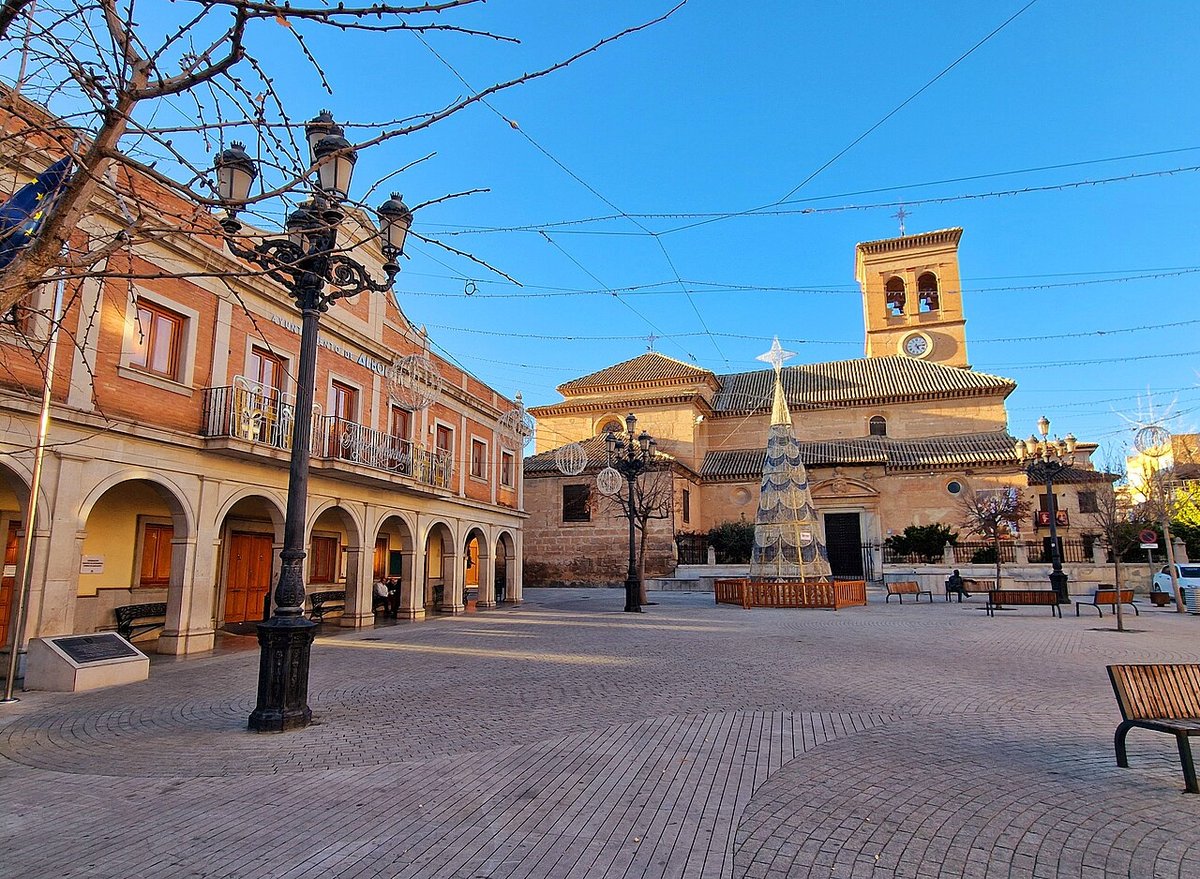
The big yearly event happens in December when work in the fields is slow. The exact schedule shifts annually but revolves around festivities for their patron saint. Expect temporary stages in Plaza de la Constitución. There are usually traditional games organized by local clubs—think sack races rather than DJ sets. Naturally there are cooking contests too where migas are judged fiercely. The main day sees a procession carrying an image through streets lined with neighbours who all know each other. It feels less like a tourist spectacle and more like a village marking its own calendar before another planting season begins